Effective machining of aluminum involves understanding how to prevent chip welding on aluminum cutting tools. This issue arises when chips adhere to the cutting edges, affecting tool performance and finish quality. The process can lead to increased wear, affecting tool lifespan.
Preventing chip welding requires a combination of techniques and best practices. First, choosing the right cutting speed and feed rate can significantly impact how chips behave. Insufficient lubrication also plays a crucial role. Using the correct coolant can create a barrier, reducing friction.
Furthermore, selecting appropriate cutting tool materials is essential. Some tools are more resistant to chip welding than others. It's important to reflect on your current practices. Are they optimizing tool life? Addressing chip welding effectively can lead to better operational efficiency and reduced production costs.
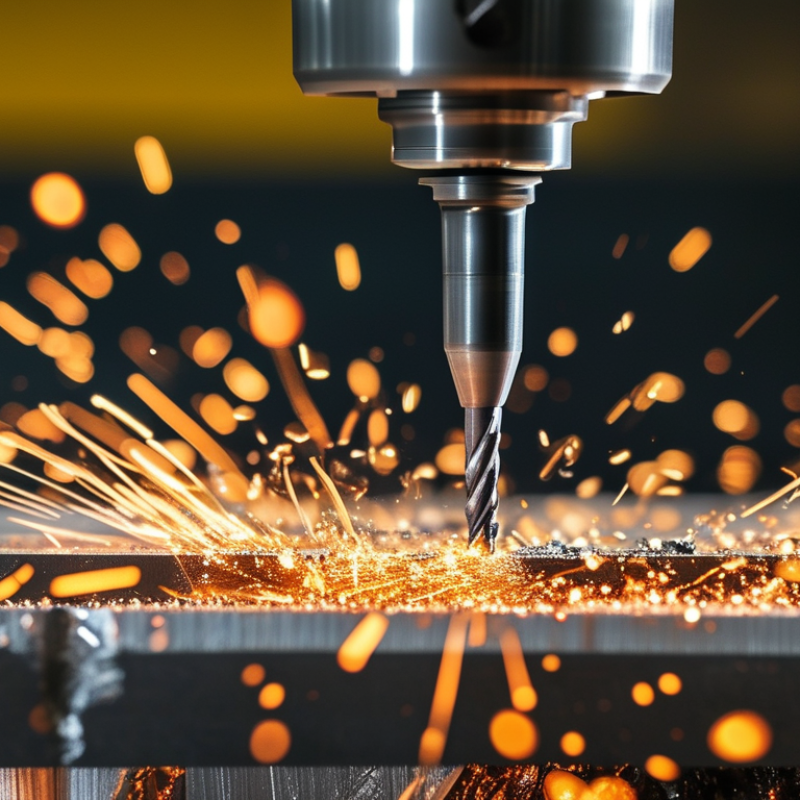
Chip welding in aluminum machining is a significant challenge that can impact tool longevity and efficiency. Research indicates that up to 40% of tool wear in aluminum cutting can be attributed to this phenomenon. Chip welding occurs when chips adhere to the cutting tool's edge due to extreme heat and pressure. It is crucial to understand the mechanics behind chip welding to mitigate its effects. High cutting speeds and inadequate cooling exacerbate the problem, contributing to reduced tool life.
Tool coatings have been shown to reduce chip welding incidence. For instance, studies have suggested that using coated tools can enhance performance by up to 30%. These coatings create a smoother surface, reducing friction and heat buildup during machining. Furthermore, maintaining optimal cutting conditions, such as using appropriate feed rates and coolant strategies, is essential. Temperature management is vital; temperatures exceeding 300°C can lead to excessive chip adhesion.
Another key factor is the choice of cutting tools. Using tools with proper geometry can minimize chip buildup. However, not all designs effectively combat chip welding. Research points out that inadequate tool design might lead to increased wear and premature failure. Failure to consider these details can lead to costly downtime and production losses. Overall, understanding chip welding in aluminum processes is crucial for enhancing tool performance and machining efficiency.
This chart illustrates the sensitivity to chip welding based on various machining parameters. As shown, reducing cutting speed and increasing tool coating thickness can help in minimizing chip welding during aluminum cutting processes.
Chip welding on aluminum cutting tools can lead to decreased tool life and poor surface finish. Understanding the factors that contribute to this issue is vital for effective machining. High temperatures during cutting create a sticky layer that can cause chips to weld onto the tool. This phenomenon often arises when machining at high speeds or using inadequate cooling methods.
Proper tool material and geometry play significant roles in preventing chip welding. Using a tool made from high-quality carbide can enhance heat resistance. Additionally, the cutting edge should be designed to minimize friction. A tool with the right rake angle can help prevent aluminum from adhering.
Maintaining optimal cooling is crucial. Effective coolant application can reduce temperatures during machining. Consider using a high-pressure coolant to create better chip removal. Adjusting cutting speeds can also help minimize heat generation. Always evaluate your machining setup. Small changes in parameters can lead to significant improvements in chip behavior. Reflect on previous machining experiences to identify areas for improvement.
Effective material selection is crucial for minimizing chip welding on aluminum cutting tools. High-speed steel (HSS) and carbide tools are often preferred for their durability. The choice of coatings also plays a significant role. Coatings like TiN or TiAlN can enhance tool performance. They create a barrier that reduces friction and heat generation. Selecting the right cutting tool material can thus mitigate the risk of chip welding during machining operations.
Tool design must also be optimized to prevent chip welding. For instance, incorporating specific geometries can aid in chip removal. The clearance angle should be sufficient to allow chips to escape easily. A larger rake angle can help reduce cutting forces and heat. This design can lower the chances of material sticking to the tool. However, some designs might require further testing to ensure effectiveness in different machining conditions. Continuous refinement is vital in achieving the best results.
Ultimately, the interplay of material selection and tool design can significantly impact the longevity of cutting tools. It is essential to understand how varying conditions affect performance. Regular evaluation of tooling performance may reveal factors needing adjustment. Chip welding is a complex issue requiring ongoing attention and improvement.
When cutting aluminum, optimizing cutting parameters is crucial to prevent chip welding on tools. Chip welding occurs when molten metal adheres to the tool surface, leading to premature wear. Studies indicate that setting the right cutting speed, feed rate, and depth of cut can significantly reduce this risk. For instance, maintaining a cutting speed of 300-600 m/min allows for efficient material removal while minimizing the chance of excessive heat buildup.
Choosing the correct feed rate is equally important. A higher feed rate increases chip formation and cooling. Yet, it must be balanced. Research by the American Society of Mechanical Engineers suggests that a feed rate of 0.1–0.2 mm/rev tends to yield better results with aluminum materials. Lower feed rates can lead to longer chip segments, enhancing heat retention and increasing the risk of welding.
Additionally, depth of cut plays a critical role in tool longevity. A shallow cut may reduce the load on the tool, but insufficient removal can cause workpiece surface irritation. Finding an optimal depth around 1 mm often provides the right balance between tool health and machining efficiency. Adjusting parameters based on specific aluminum grades can also lead to improved tool performance. Monitoring tooling conditions regularly can help reflect on any adjustments needed.
Chip welding on aluminum cutting tools poses significant challenges in manufacturing processes. Effective coolant strategies play a crucial role in mitigating this issue. Proper cooling reduces temperatures during machining, preventing the chips from adhering to tool surfaces. According to industry reports, the use of high-performance coolants can decrease chip welding risks by up to 40%.
Selecting the right coolant is vital. Water-soluble coolant helps maintain low temperatures during cutting. Additionally, the use of lubricating additives can enhance the performance of the coolant. Monitoring the concentration and flow rate is essential. A well-balanced mixture can significantly improve tool life and machining efficiency.
Implementing effective coolant strategies requires careful attention. Regularly inspecting coolant systems ensures optimal performance. Adjusting the nozzle position can enhance coolant delivery. Using flood coolant systems versus mist is another consideration, as flood systems can provide better heat dissipation.
Maintaining a clean machining environment is equally important. Chips and debris can exacerbate the welding problem. Regular cleaning routines can help prevent the buildup of materials that contribute to chip welding. Engaging in routine maintenance of tools and machines will enhance overall productivity. Effective coolant management is not only about choosing the right products but also about consistent practices.
| Coolant Type | Cooling Properties | Lubrication Properties | Recommended Application | Pros | Cons |
|---|---|---|---|---|---|
| Water-soluble coolant | Excellent cooling | Moderate lubrication | General machining | Cost-effective, good heat dissipation | Risk of corrosion |
| Synthetics | Very high cooling | High lubrication | High-speed machining | Long life, reduced foaming | Higher cost |
| Petroleum-based lubricant | Moderate cooling | Excellent lubrication | Heavy machining | Superior wear protection | Less effective cooling |
| Minimal quantity lubrication (MQL) | Moderate cooling | Excellent lubrication | Precision machining | Reduces waste, improves tool life | Initial setup cost |
: Chip welding occurs when chips adhere to the cutting tool's edge due to heat and pressure.
Up to 40% of tool wear in aluminum cutting can result from chip welding, reducing tool life.
High cutting speeds and inadequate cooling increase chip welding incidents, exacerbating tool wear.
Coated tools can enhance performance by up to 30%, reducing friction and heat during machining.
Temperatures exceeding 300°C can lead to excessive chip adhesion, making temperature management crucial.
Choosing the right materials, like high-speed steel or carbide, can help minimize chip welding risks.
Proper geometries, such as clearance and rake angles, can help minimize chip buildup and facilitate removal.
Ongoing adjustments in tool design and material selection are essential for improving machining efficiency.
Yes, poor designs might lead to increased wear and premature tool failure, affecting production.
Regular evaluation of tooling performance can identify factors needing adjustment to reduce chip welding.
In the machining of aluminum, chip welding can pose significant challenges to the performance and lifespan of cutting tools. Understanding the mechanisms behind chip welding is crucial in addressing this issue. Factors such as the cutting speed, insert material, and the geometry of the tool all play a role in exacerbating the problem. To effectively learn how to prevent chip welding on aluminum cutting tools, one must focus on selecting appropriate materials and designing tools that minimize the likelihood of welding.
Additionally, optimizing cutting parameters—such as speed, feed rate, and depth of cut—can greatly enhance tool performance and reduce wear. The implementation of effective coolant strategies further aids in managing temperatures during the machining process, thereby decreasing the risk of chip welding. By combining these approaches, manufacturers can significantly improve the durability of cutting tools while maintaining efficiency in aluminum machining.

DentFix Tool