High-performance CNC inserts, solid carbide end mills, and specialized cutting wheels engineered for high metal removal rates and prolonged tool life.
The contemporary manufacturing landscape is undergoing a significant paradigm shift driven by advancements in high-speed machining (HSM), automated tool monitoring, and multi-axis CNC configurations. Globally, the metal cutting tools industry stands as the backbone of subtractive manufacturing processes, directly dictating production cycle times, workpiece surface integrity, and overall operating expenditures. As global supply chains adjust to demands for tighter machining tolerances and complex alloy geometries, procurement officers and engineering directors are shifting focus from simple unit acquisition pricing toward Total Cost of Ownership (TCO) and high-entropy substrate durability.
Modern milling and lathe operations utilize high-strength, low-weight materials such as titanium alloys, Inconel superalloys, and carbon fiber reinforced plastics (CFRP). In response, manufacturers must engineer micro-grain and ultra-fine grain tungsten carbide substrates coupled with advanced chemical and physical vapor deposition (CVD/PVD) coatings. Understanding these substrate characteristics is critical for tool selection, minimizing chip welding, and optimizing mechanical shear rates.
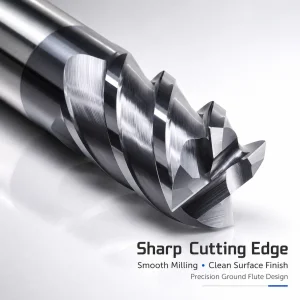
Industry projections indicate steady annual growth in the consumption of precision CNC cutting components, with significant demand from the aerospace, automotive, energy, and defense sectors. In aerospace, component milling typically requires the removal of up to 90% of raw block weight to achieve complex monocoque profiles. This high material removal rate (MRR) places extreme thermal and mechanical strain on tooling. Consequently, solid carbide end mills with specialized flute geometries and variable helix profiles are increasingly favored to control harmonic chatter and optimize chip evacuation.
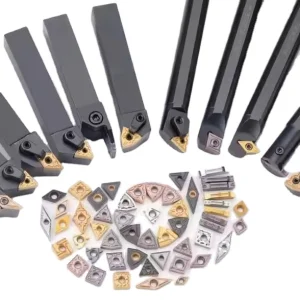
Concurrently, the automotive sector's ongoing transition toward high-efficiency hybrid power units and lightened chassis alloys calls for highly customized insert profiles. Indexable carbide inserts must deliver consistent chip breaker profiles and wear resistance, maintaining critical dimensions across high-volume production cycles without unplanned tooling changes.
As a key manufacturing hub for precision cutting tools, Chinese manufacturing plants have transitioned from producing standard general-purpose tools to high-precision, customized CNC solutions. Zhejiang DentFix Tool Co., Ltd. exemplifies this evolution by combining cost-efficiency with high technical standards.
Zhejiang DentFix Tool Co., Ltd. is a professional manufacturer specializing in the research, development, production, and global distribution of precision CNC cutting tools and carbide solutions.
Since its establishment, the company has been committed to providing high-performance tooling products for the metalworking industry, serving customers across automotive, aerospace, mold & die, general engineering, energy, and precision manufacturing sectors.
Driven by continuous innovation and customer-focused development, DentFix has grown into a modern manufacturing enterprise that integrates R&D, intelligent production, quality control, sales, and technical support. The company has built a strong reputation for delivering reliable products, consistent quality, and professional services to customers in both domestic and international markets.
With advanced manufacturing technologies, experienced engineering teams, and strict quality management systems, DentFix continuously improves its product performance and production efficiency. The company is dedicated to helping customers achieve higher machining accuracy, longer tool life, greater productivity, and lower manufacturing costs.
Today, Zhejiang DentFix Tool Co., Ltd. continues to strengthen its investment in technological innovation, intelligent manufacturing, and international cooperation, striving to become a trusted global supplier of precision cutting tool solutions.
Our dedicated engineering department designs and optimizes cutting tool geometries. We focus on specialized rake angles, variable pitch flutes, and edge preparation processes to ensure optimal cutting performance in modern CNC machining.
Equipped with high-precision inspection tools and advanced testing laboratories, every product undergoes comprehensive dimensional checks, run-out verification, and surface finish analysis to maintain consistent quality.
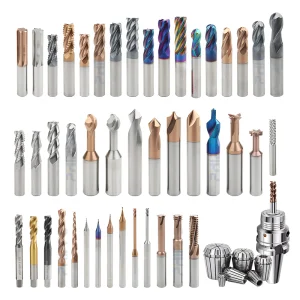
We continuously invest in new micro-grain substrates and wear-resistant coatings (like AlTiN, AlTiCrN, and diamond coatings) to extend tool life, increase feed rates, and reduce machining costs.
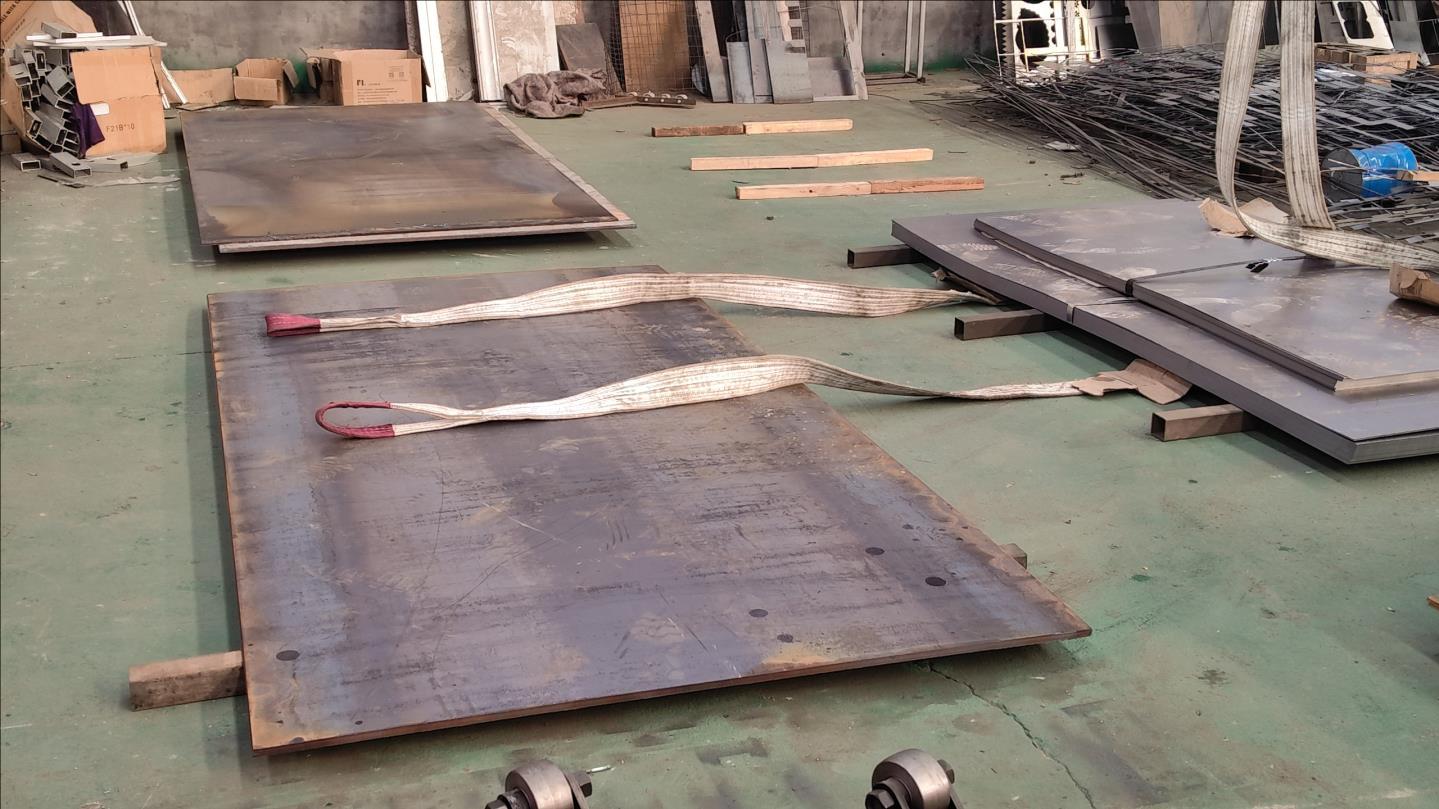
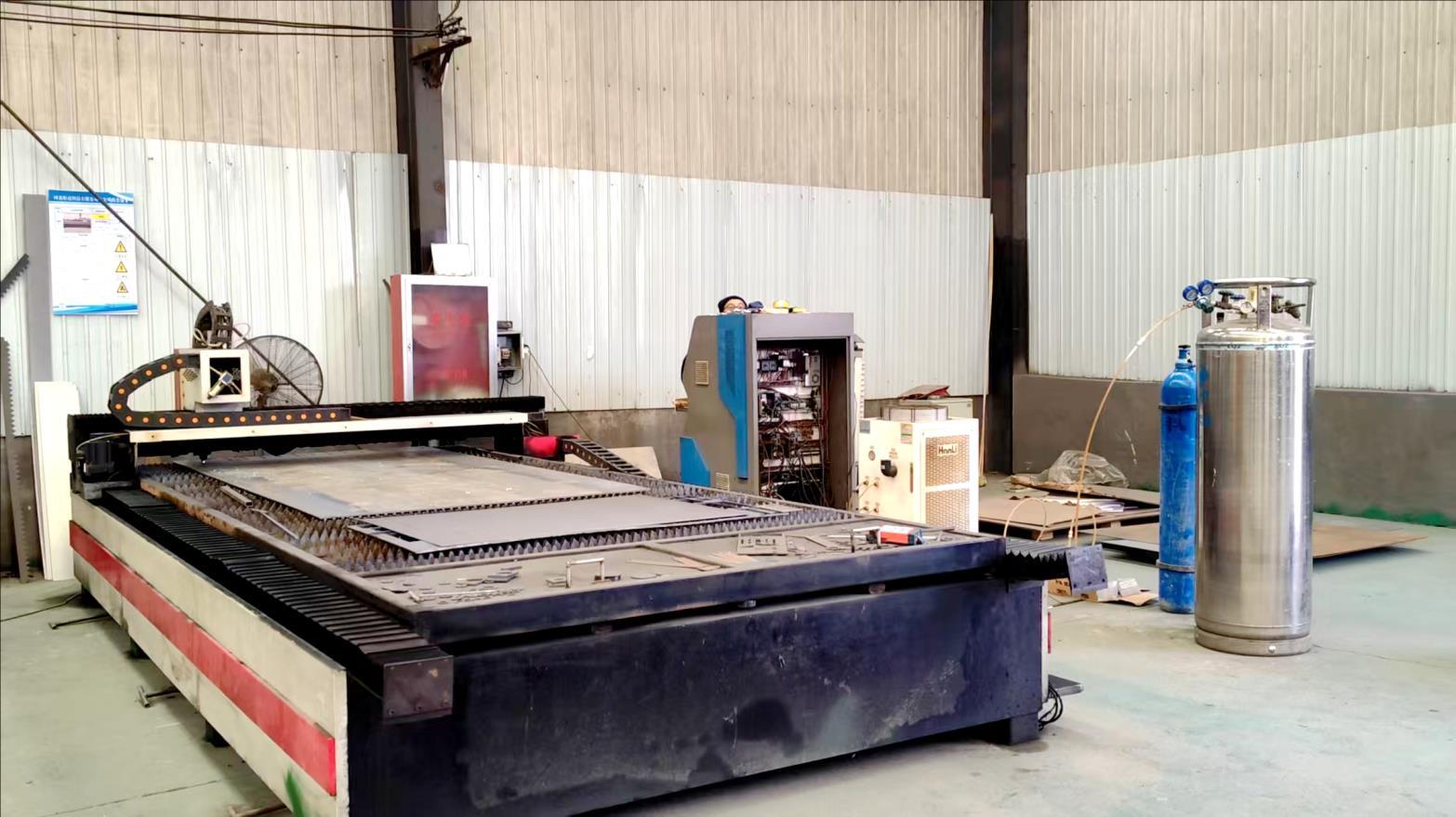
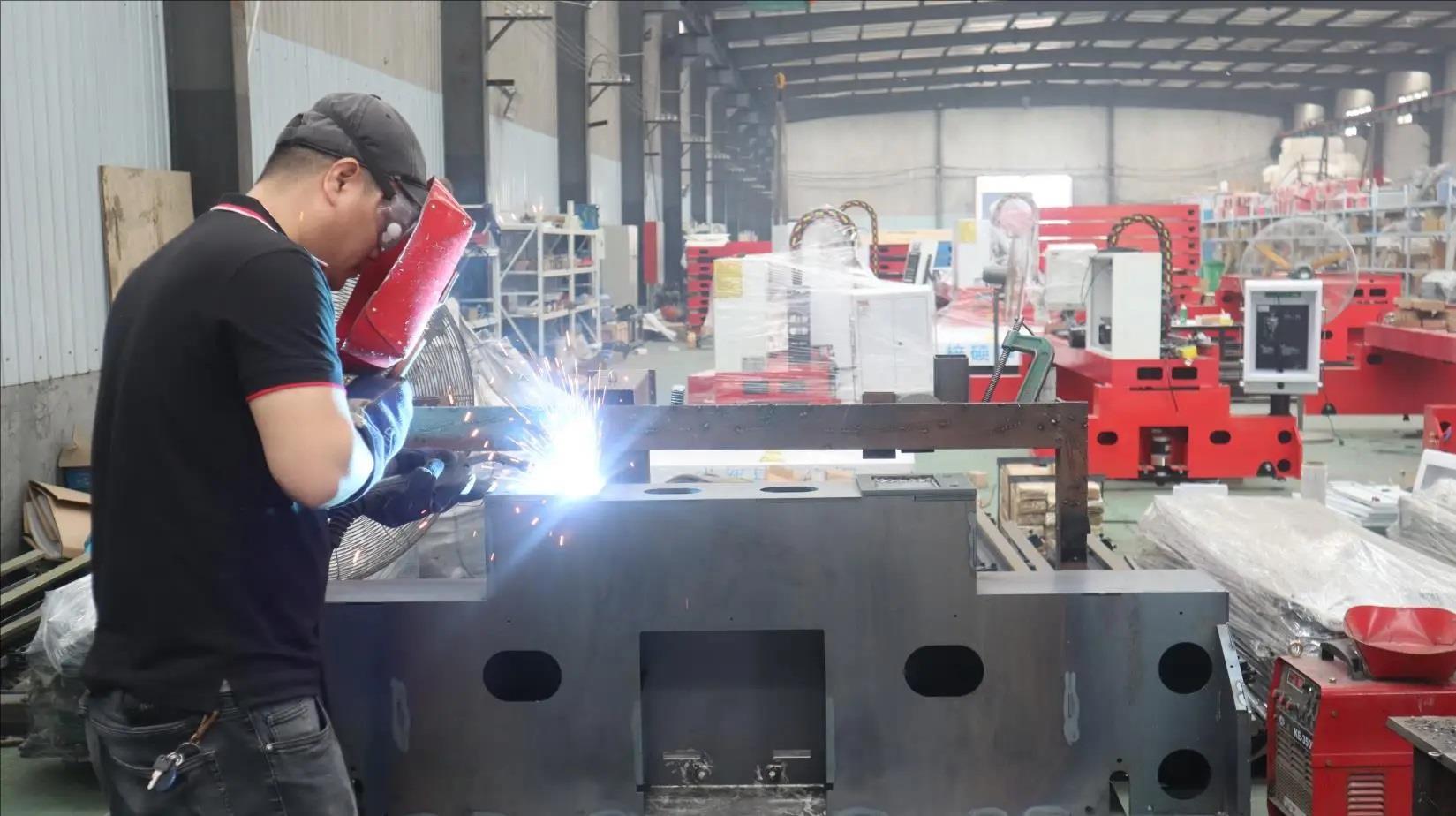
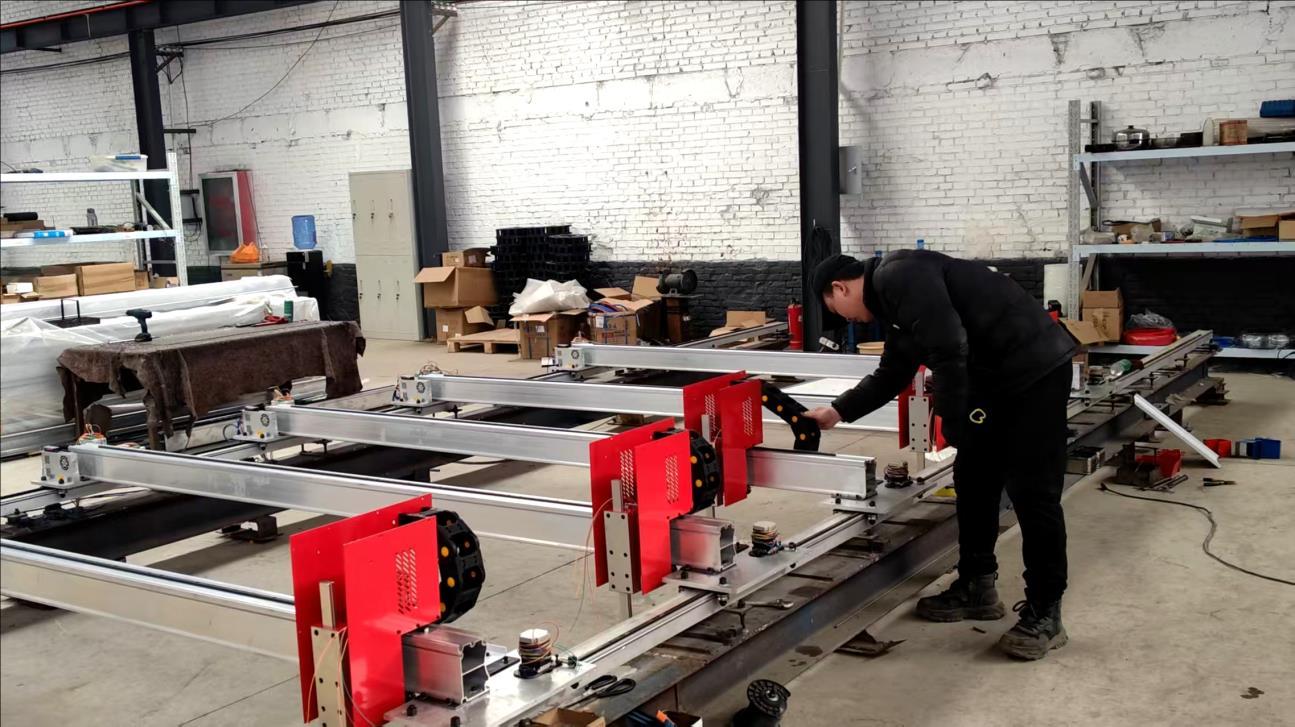
A visual look into our vertically integrated manufacturing facility, featuring advanced CNC grinding systems, precise quality testing, and efficient storage management.
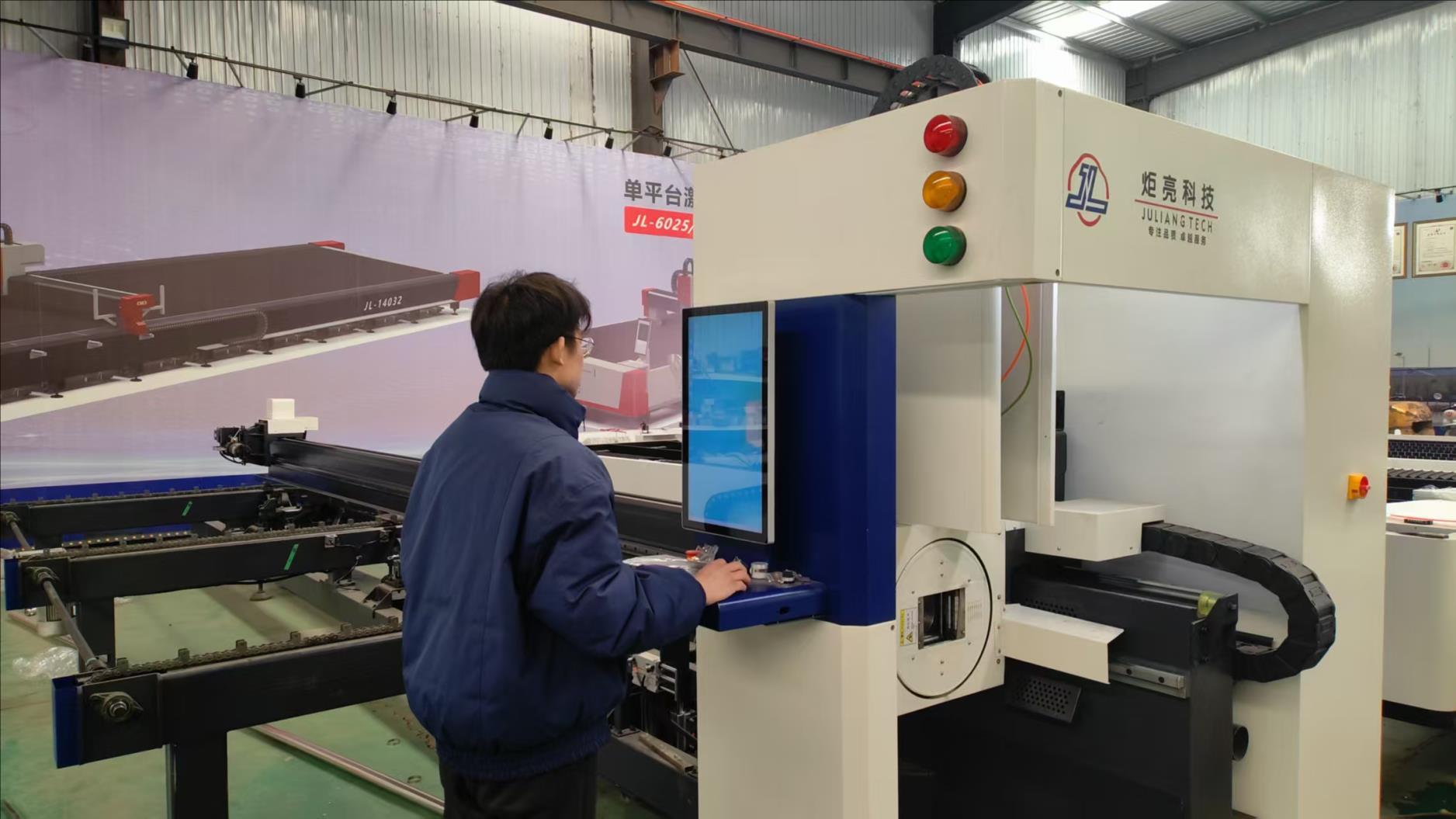
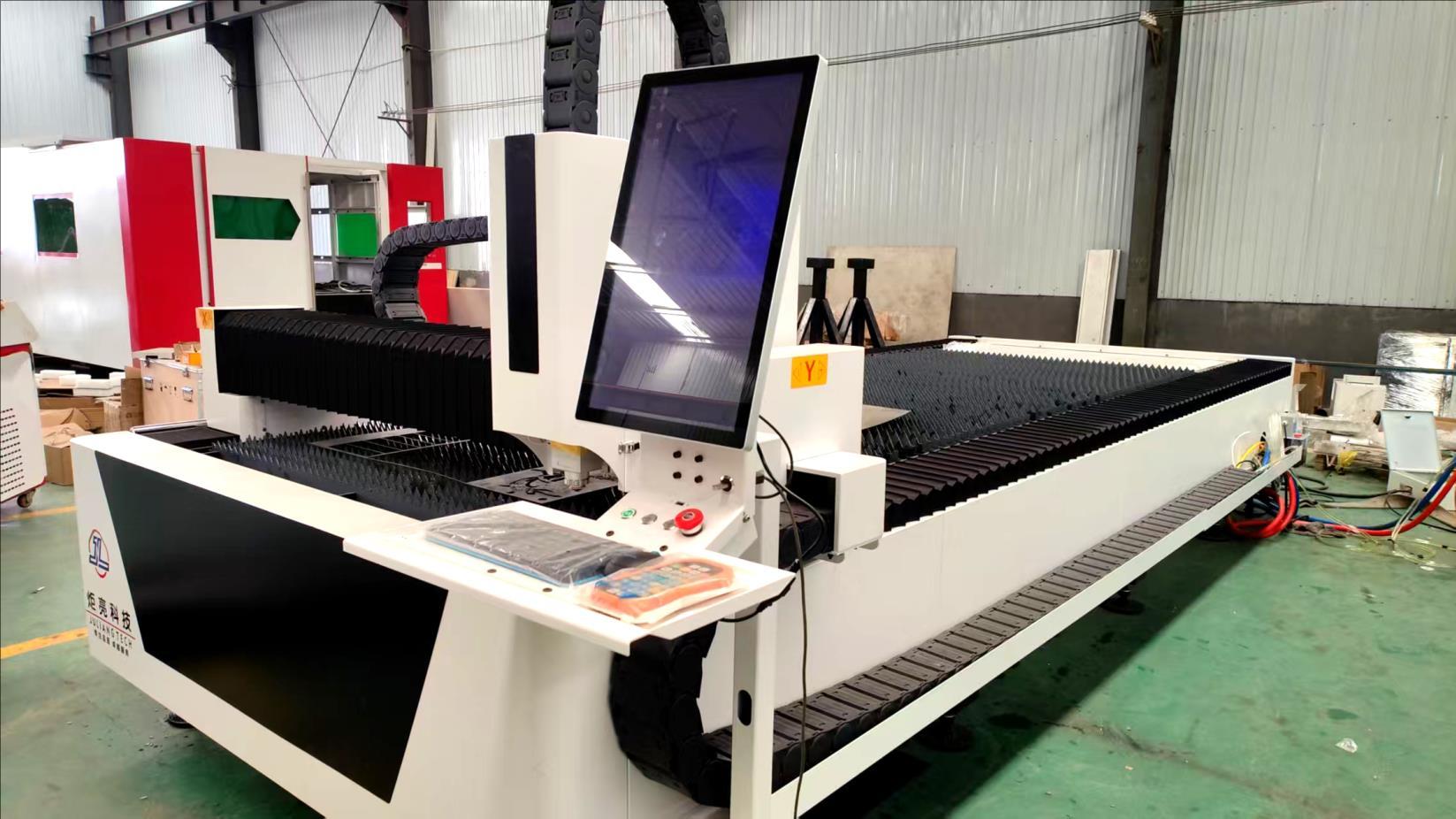
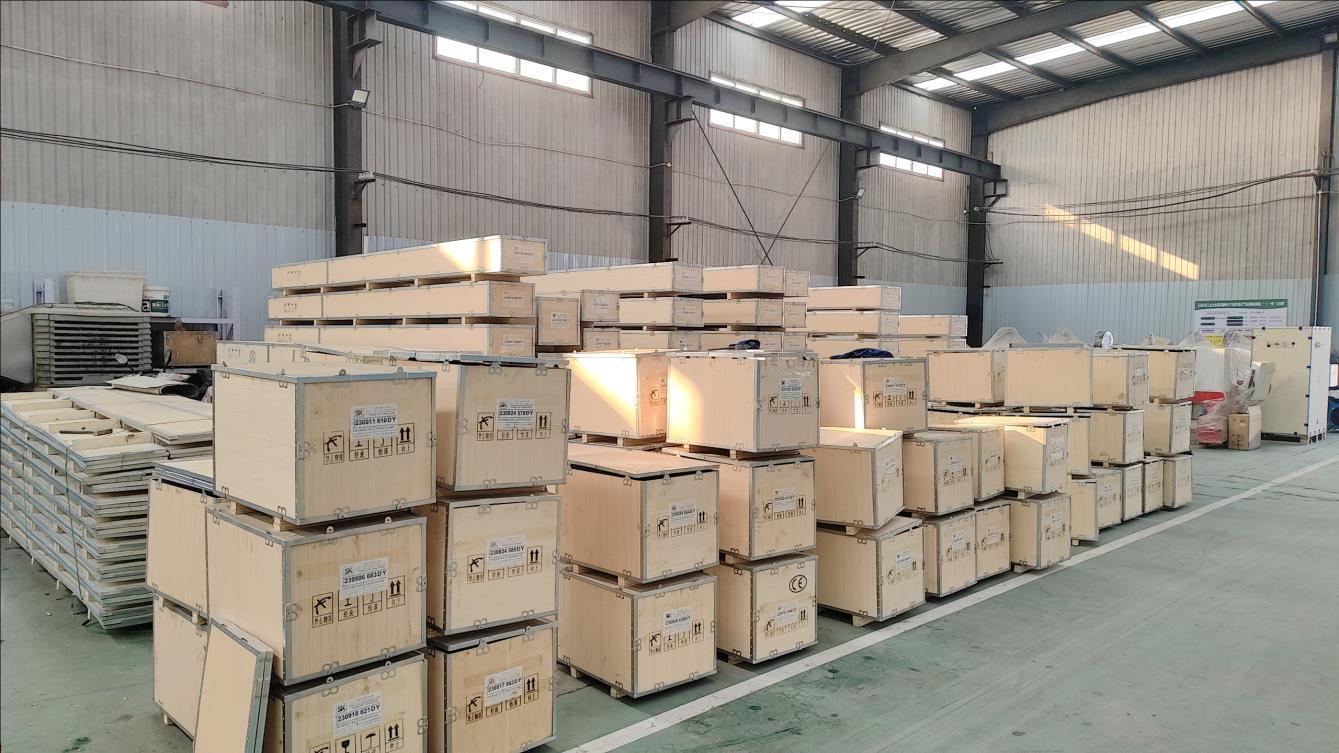
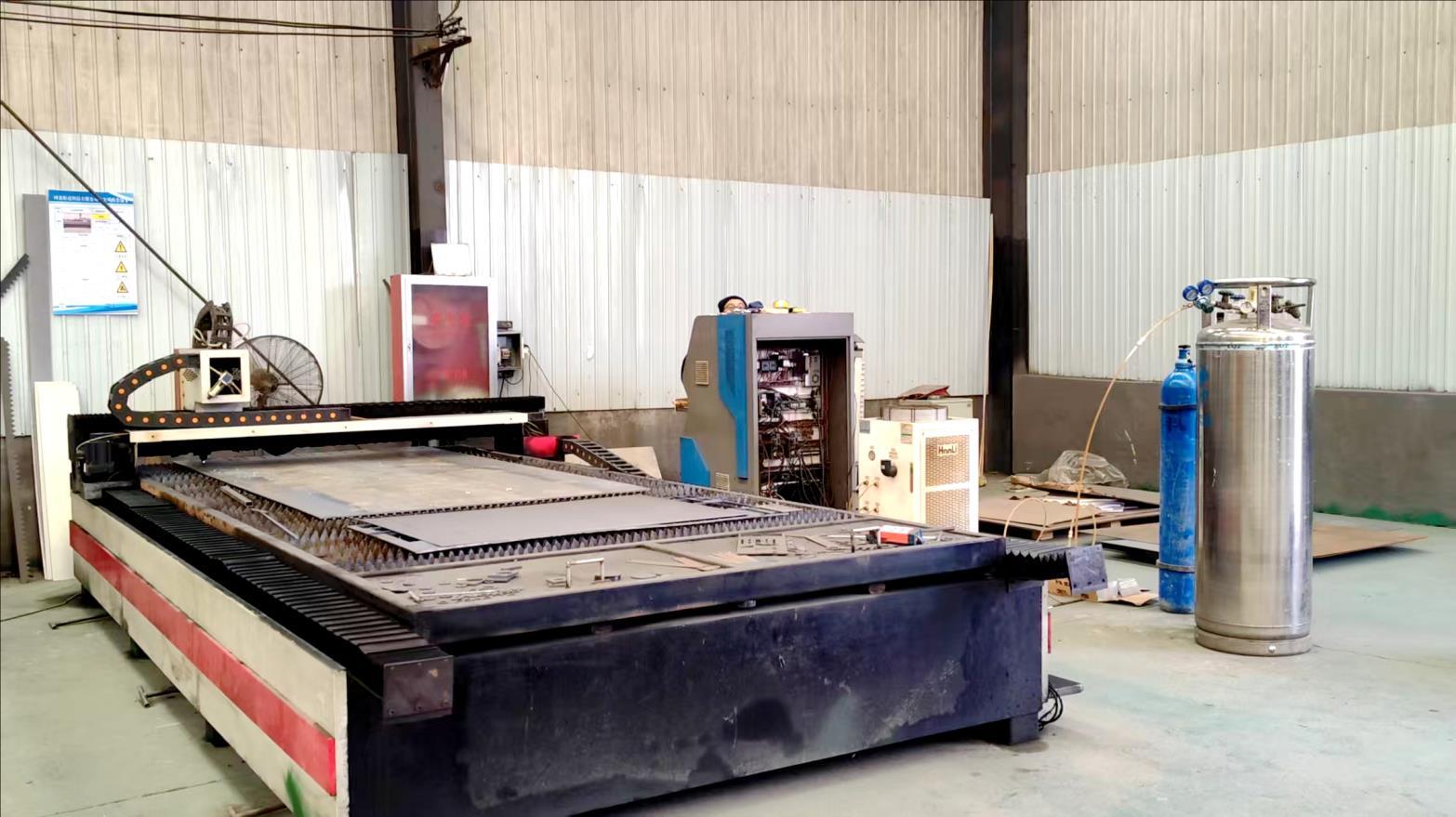
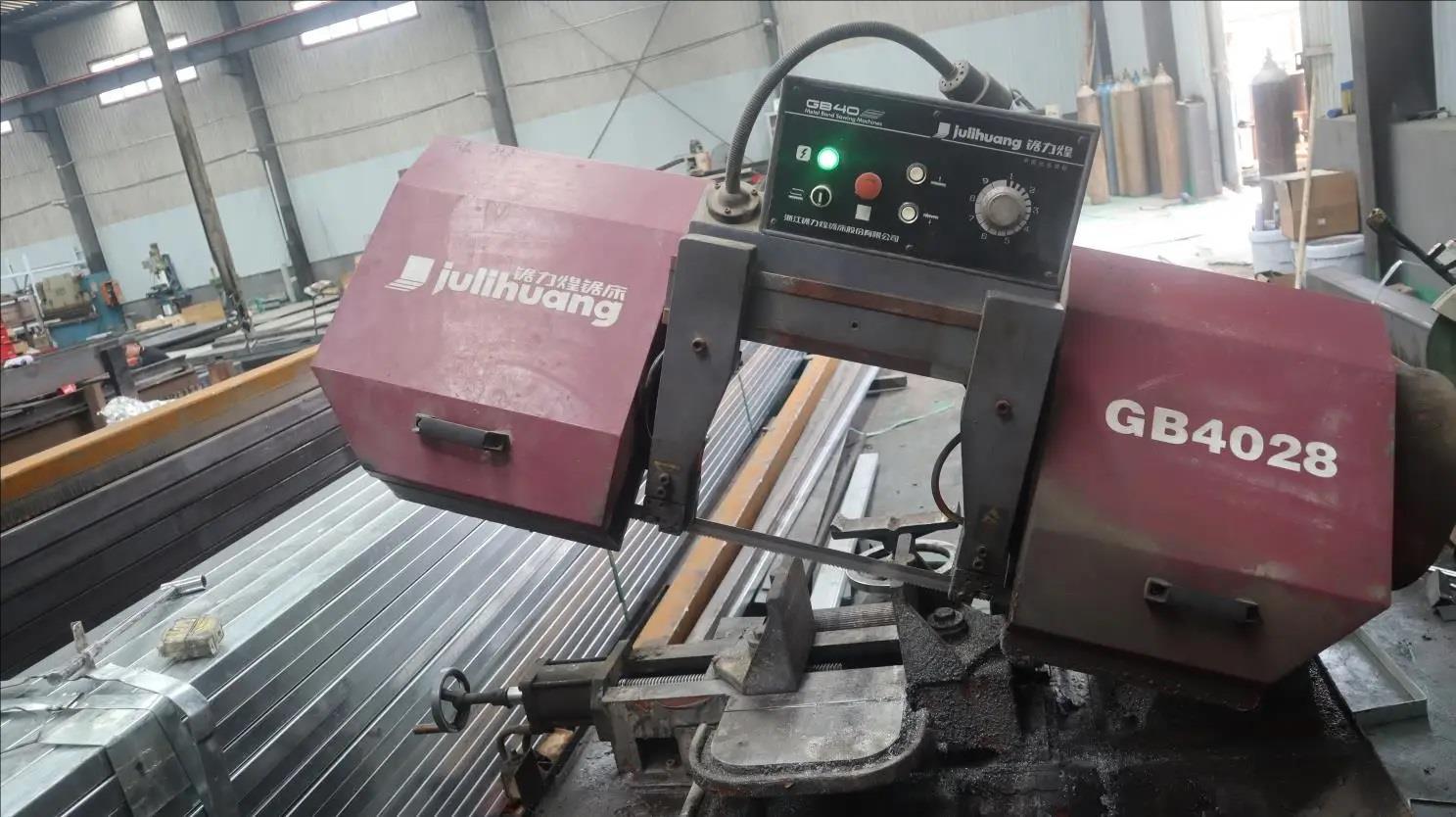
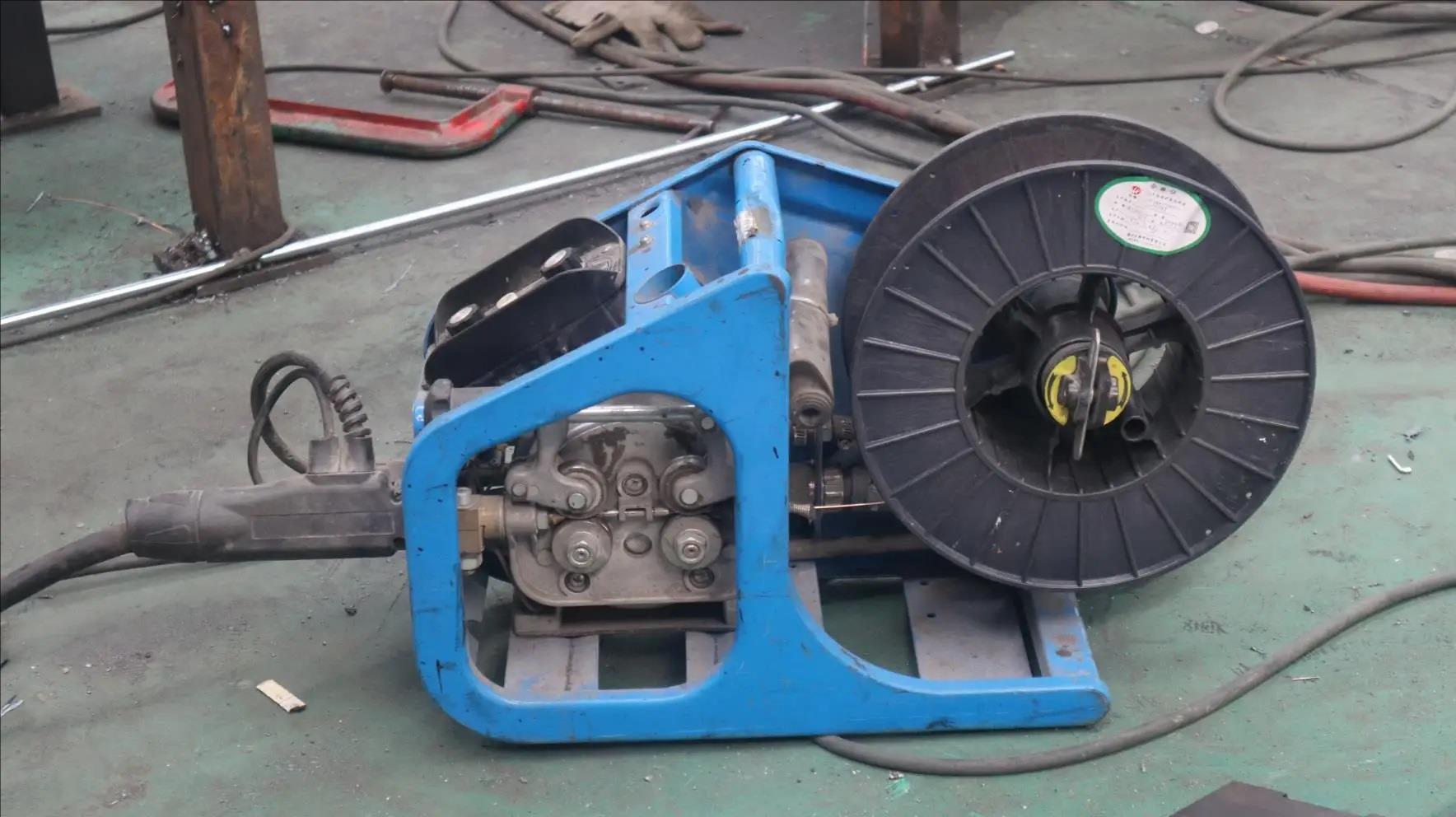
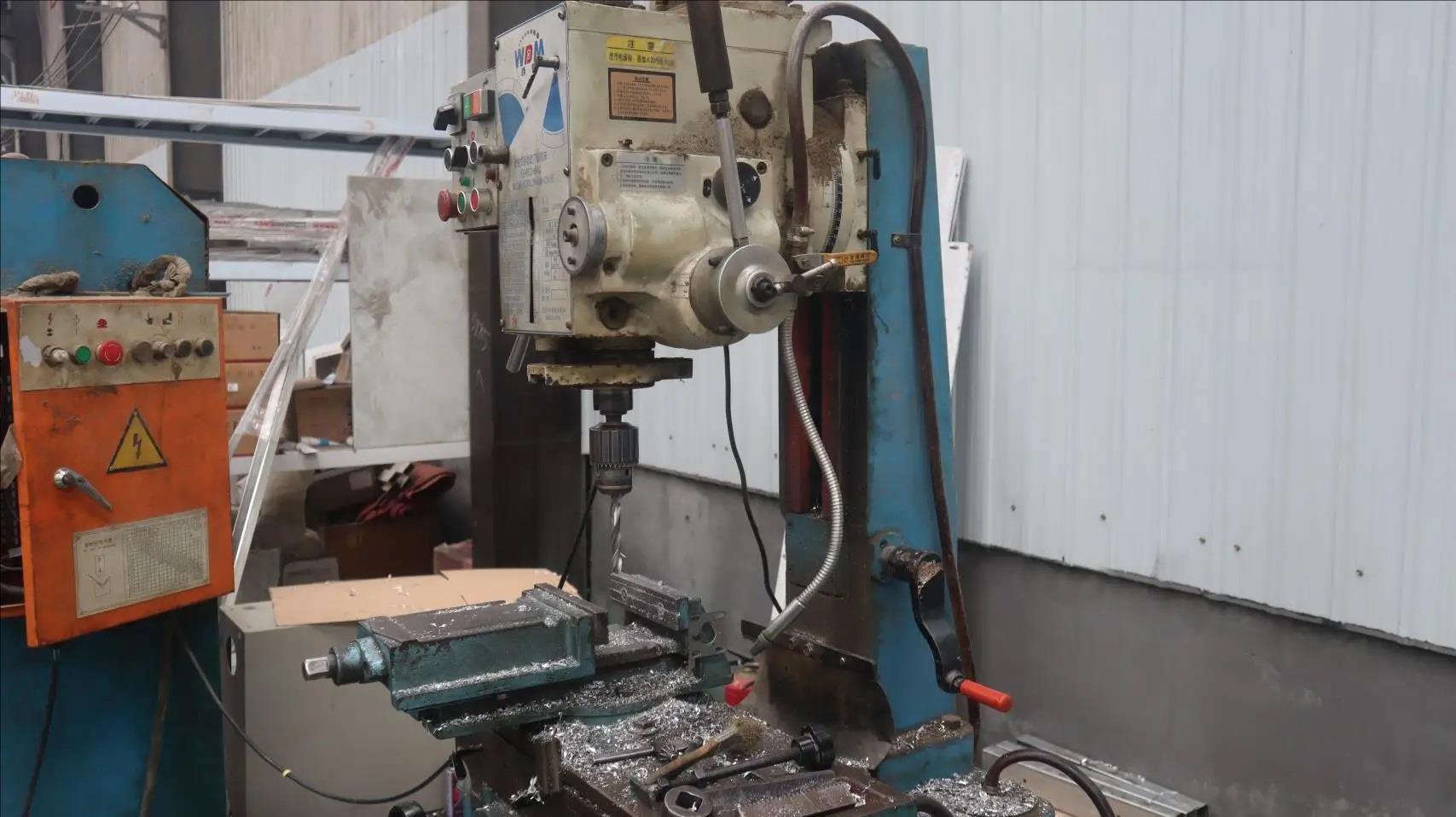
Operating conditions vary across regional manufacturing hubs. For example, tool selection criteria differ between automotive transmission manufacturing and precision die-sinking mold workshops. Procurement strategies must align with the specific challenges of each localized environment.
Aerospace structures made from Grade 5 Titanium (Ti-6Al-4V) or Al-Li alloys present unique machining challenges. Titanium's low thermal conductivity concentrates heat at the cutting edge, which can accelerate tool wear. To address this, we engineer tool geometries with sharp positive rake angles and optimized relief configurations to reduce friction. Our AlTiN and AlTiCrN PVD coatings are designed to withstand high thermal loads, helping to maintain cutting edge sharpness during operation.
High-volume automotive production requires consistent tooling reliability. For cast iron blocks and aluminum engine housings, the focus is on maximizing tool life and minimizing wear-related variations. DentFix indexable inserts, including TNMG and WNMG configurations, feature optimized chipbreaker geometries that ensure clean chip control and help prevent tool damage during high-velocity cycles.
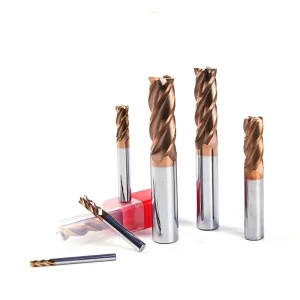
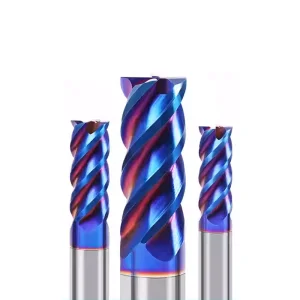
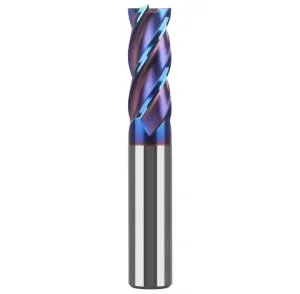
Machining hardened tool steels (HRC50 to HRC65) requires specialized cutter profiles. Regular end mills can fail quickly under these high-impact loads. Our HRC65 solid carbide end mills utilize specialized submicron substrates and advanced AlTiN coatings, offering the mechanical strength and thermal stability needed to machine hardened steel dies with high surface finish quality.
When milling hardened tool steels, ensuring a runout tolerance of less than 0.005mm is critical. Excessive runout leads to uneven flute loading, which can cause premature tool wear or chipping.
The metal cutting tools industry is adapting to support more automated and sustainable manufacturing processes:
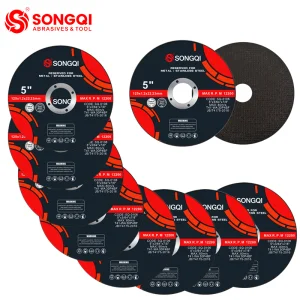
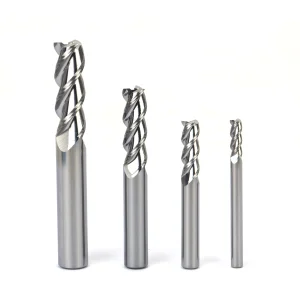
Select abrasive discs, high-precision finishing end mills, and heavy-duty parting and grooving tooling configurations.
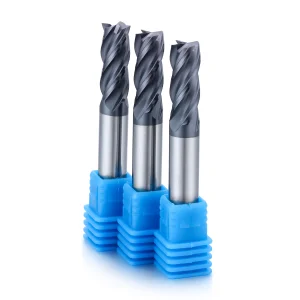
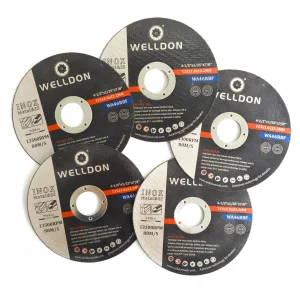
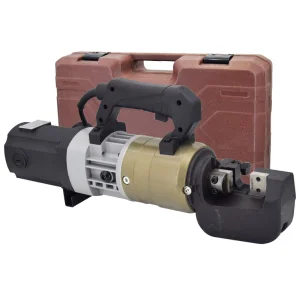
Technical answers to common B2B procurement and engineering queries regarding tool configurations, substrates, and application selection.
 DentFix Tool