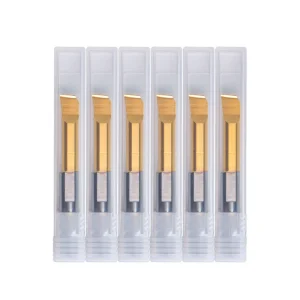
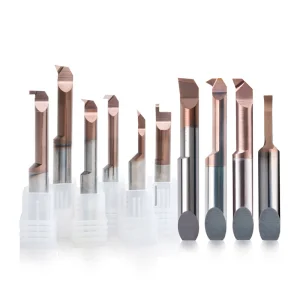
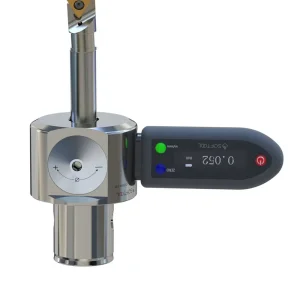
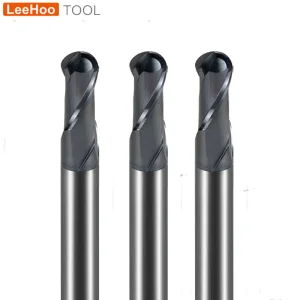
Explore our core catalog of advanced micro-boring tools, solid carbide bars, and vibration-damped cutters designed for structural integrity and high surface finish quality.
Modern heavy manufacturing, aviation components, electric vehicle powertrains, and hydraulic actuators impose strict tolerances on internal cylindrical dimensions. Boring tools have evolved beyond simple enlargement processes into sophisticated machining systems capable of achieving sub-micron geometric accuracy and superior surface finishes ($R_a < 0.4 \mu m$).
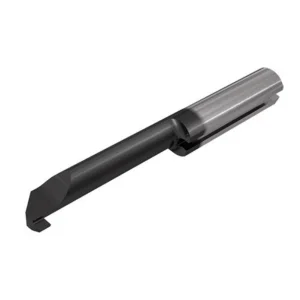
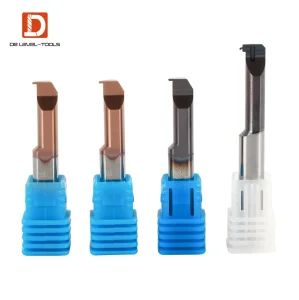
The rise of medical device manufacturing and micro-electronics has increased the demand for micro boring bars. Machining internal diameters smaller than 2mm requires solid carbide compounds with ultra-fine grain structures (less than 0.5 microns) to prevent premature micro-chipping under cyclic mechanical stresses.
Deep hole internal boring often requires high length-to-diameter ratios (L/D > 5). Standard steel shanks experience deflection and chatter, causing surface irregularities. Advanced boring bars incorporate internal tuned mass dampers to counteract harmonics, allowing stable boring up to 10xD ratios.
PVD (Physical Vapor Deposition) and CVD (Chemical Vapor Deposition) coatings, such as TiAlN and diamond-like carbon (DLC), protect cutting edges against thermal degradation. These thin-film coatings reduce friction coefficients, facilitating rapid chip evacuation during dry or MQL (Minimum Quantity Lubrication) machining.
"The threshold for competitive success in heavy manufacturing depends on structural accuracy. Our research shows that over 65% of boring failures result from incorrect dynamic tool selection. Proper vibration damping structures directly correlate to longer tooling life and consistent concentricity."
China's industrial tooling infrastructure integrates raw material processing, metallurgical testing, and automated grinding technologies within localized clusters. This concentration simplifies supply logistics, allowing tooling manufacturers to compress lead times for custom profiles by up to 50% compared to Western counterparts.
This efficiency is driven by the integration of CAD/CAM modeling with multi-axis CNC grinding centers. Manufacturers can prototype, inspect, and transition to mass production within days. Additionally, proximity to domestic carbide powder producers stabilizes supply lines and insulates global partners from material cost fluctuations.
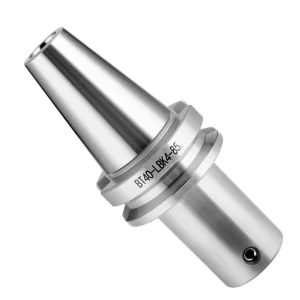
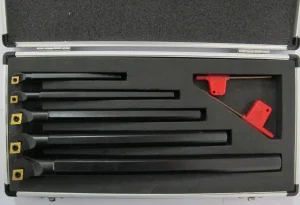
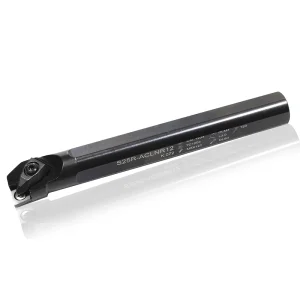
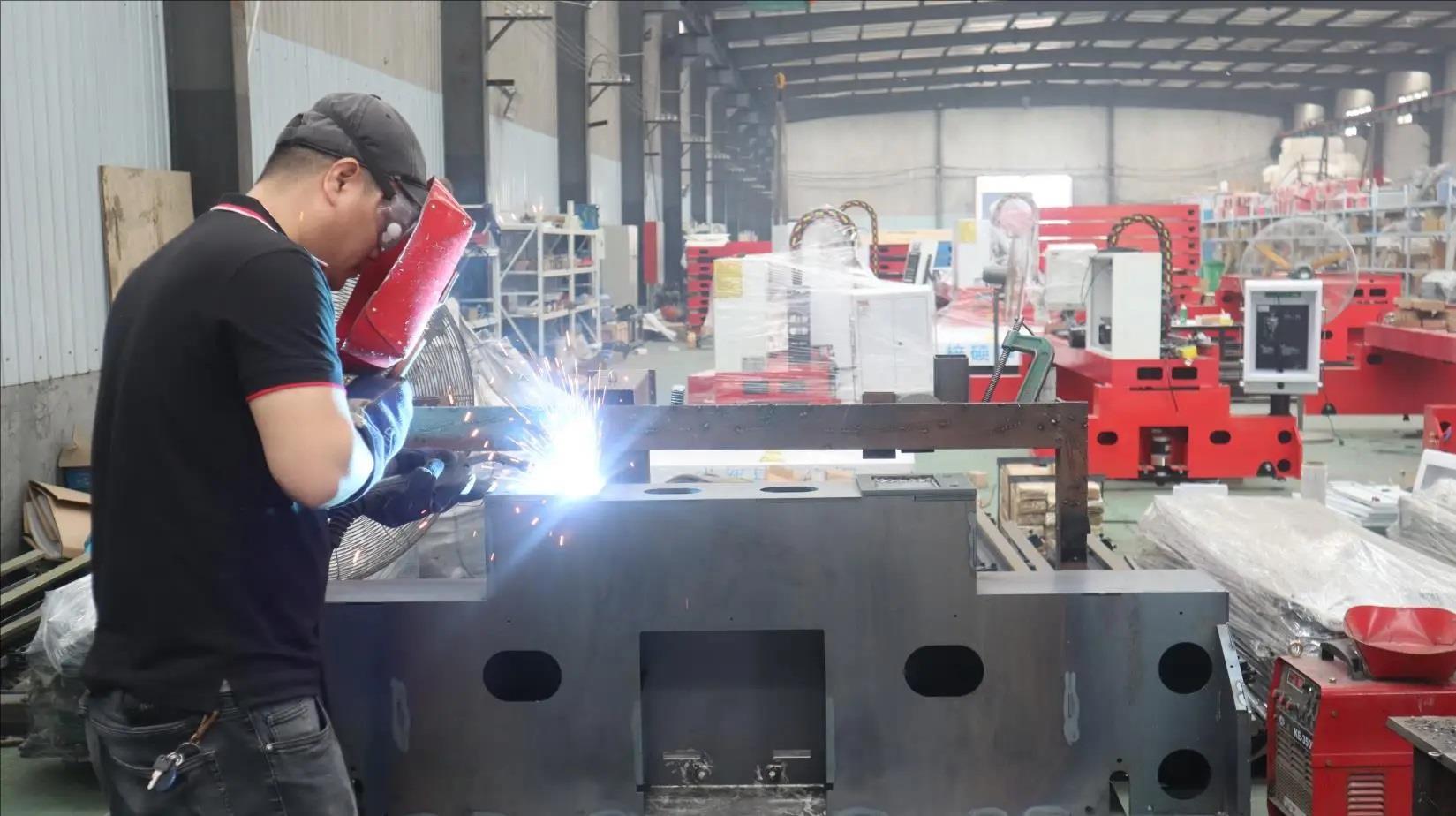
We combine high-performance design and material science with automated production lines. Our manufacturing facility produces standard indexable tool holders, custom-coated solid carbide bars, and anti-vibration systems that integrate directly into modern manufacturing setups.
Zhejiang DentFix Tool Co., Ltd. is a professional manufacturer specializing in the research, development, production, and global distribution of precision CNC cutting tools and carbide solutions. Since its establishment, the company has been committed to providing high-performance tooling products for the metalworking industry, serving customers across automotive, aerospace, mold & die, general engineering, energy, and precision manufacturing sectors.
Driven by continuous innovation and customer-focused development, DentFix has grown into a modern manufacturing enterprise that integrates R&D, intelligent production, quality control, sales, and technical support. The company has built a strong reputation for delivering reliable products, consistent quality, and professional services to customers in both domestic and international markets.
With advanced manufacturing technologies, experienced engineering teams, and strict quality management systems, DentFix continuously improves its product performance and production efficiency. The company is dedicated to helping customers achieve higher machining accuracy, longer tool life, greater productivity, and lower manufacturing costs.
Our engineering department focuses on developing custom cutting solutions that meet the evolving requirements of modern CNC machining, addressing deflection, vibration, and chip evacuation.
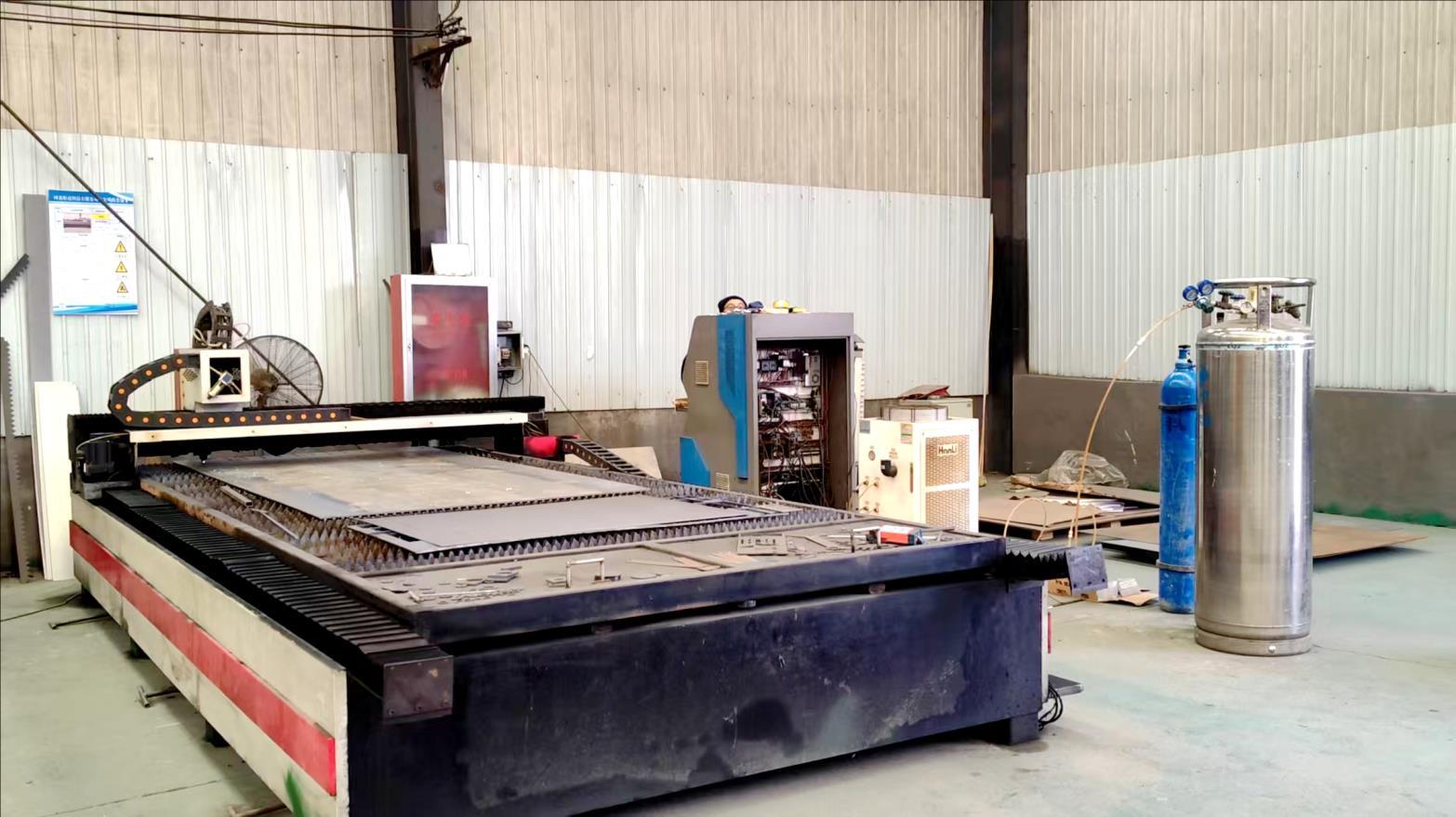
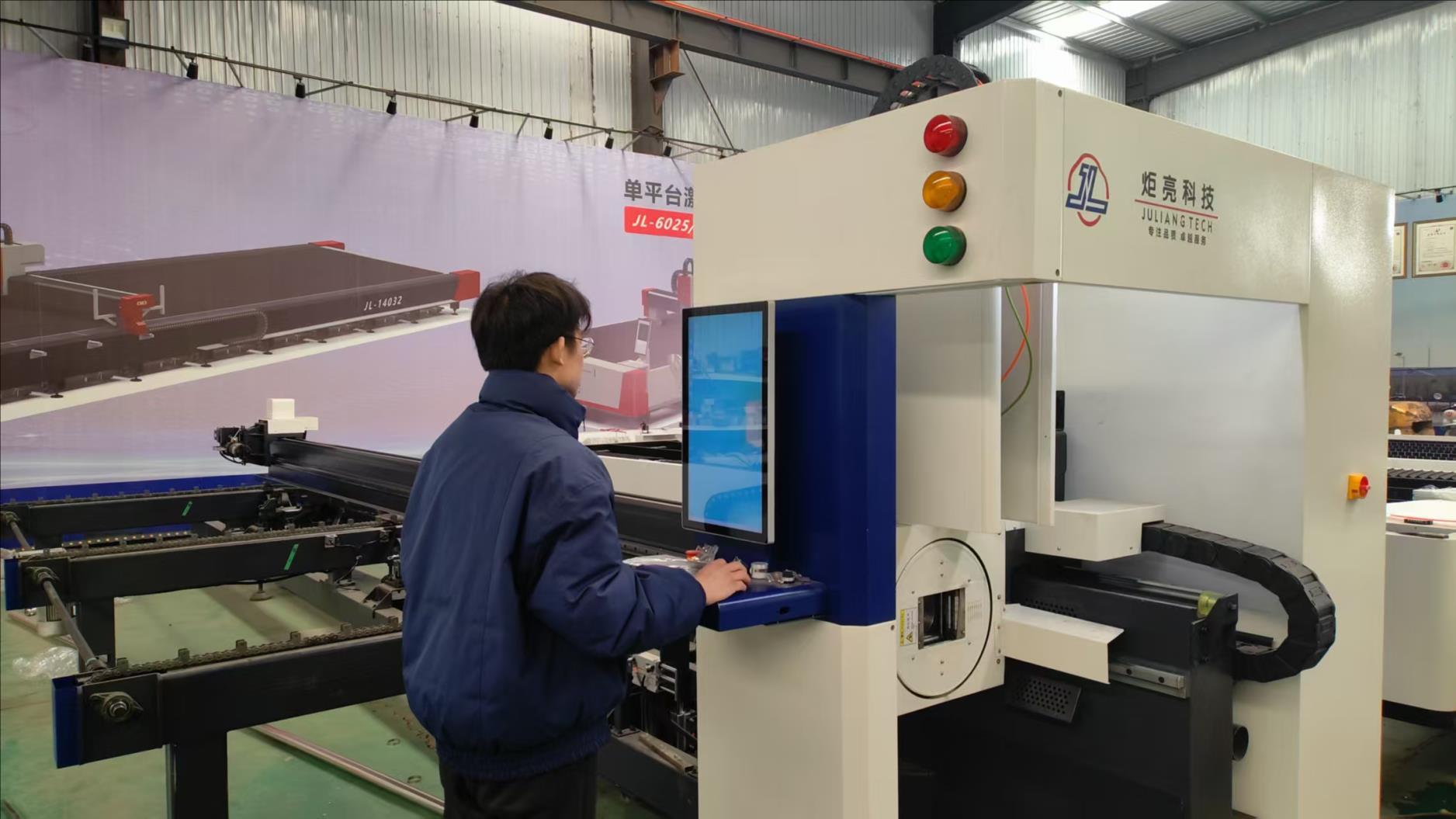
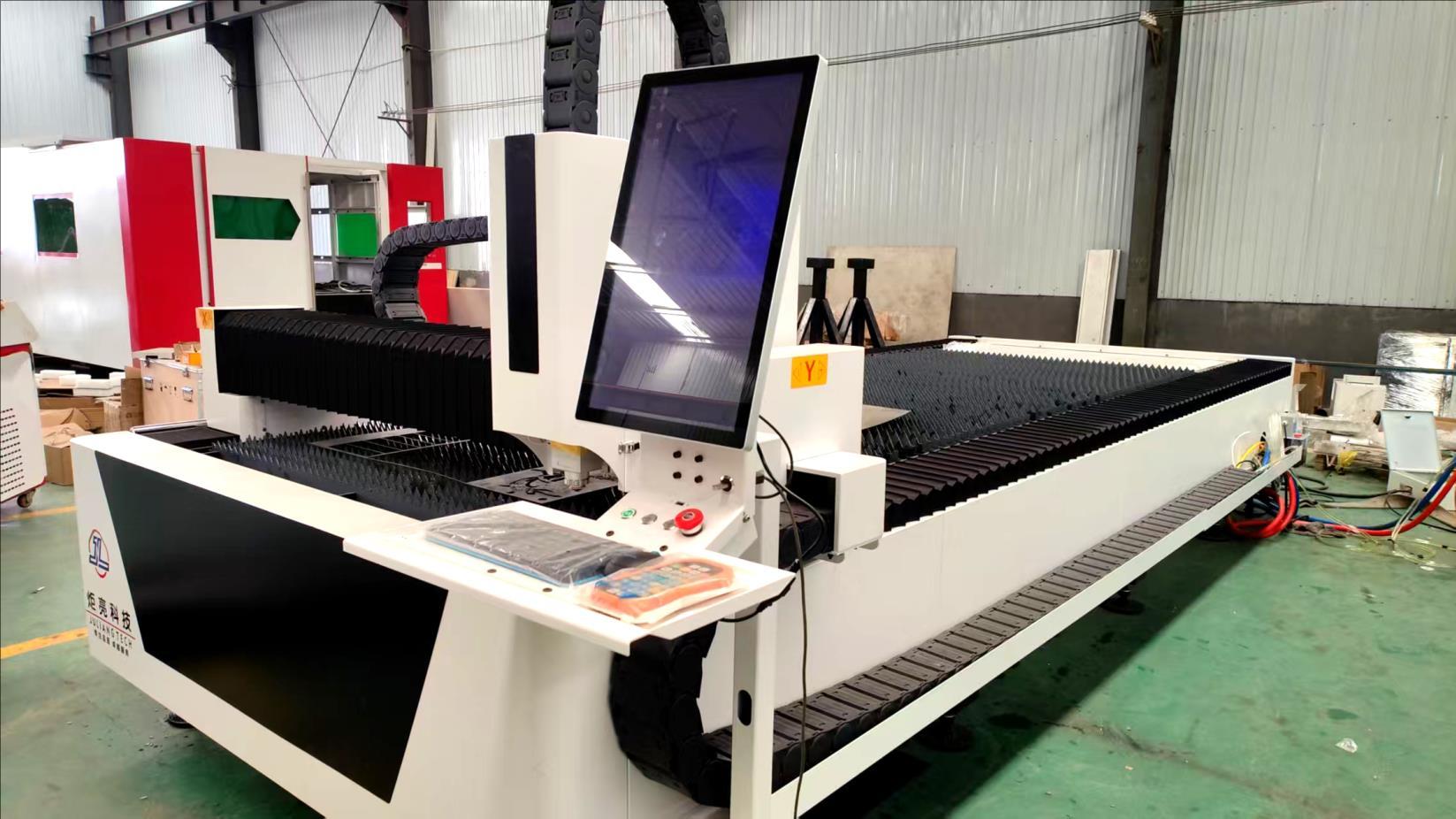
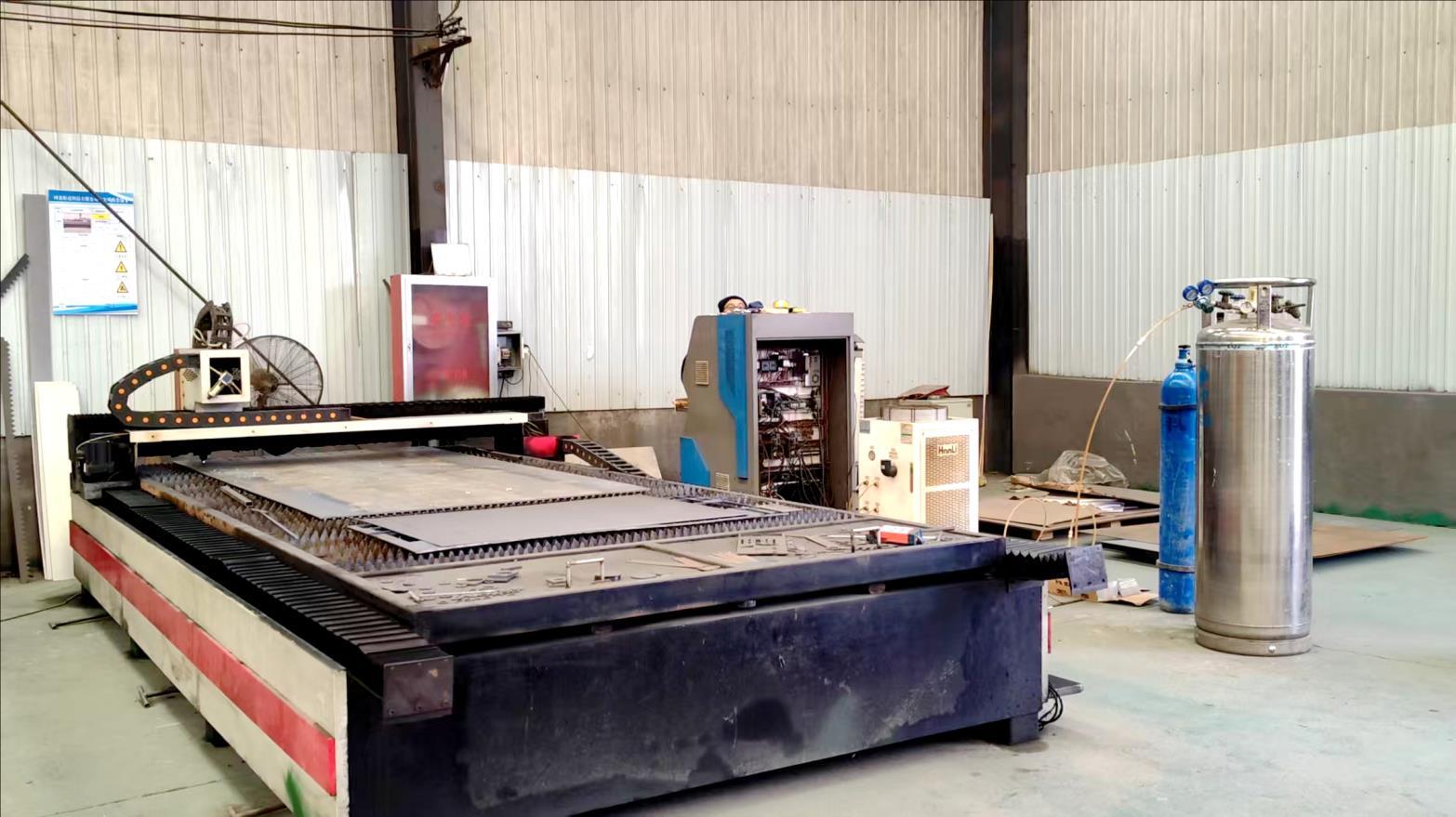
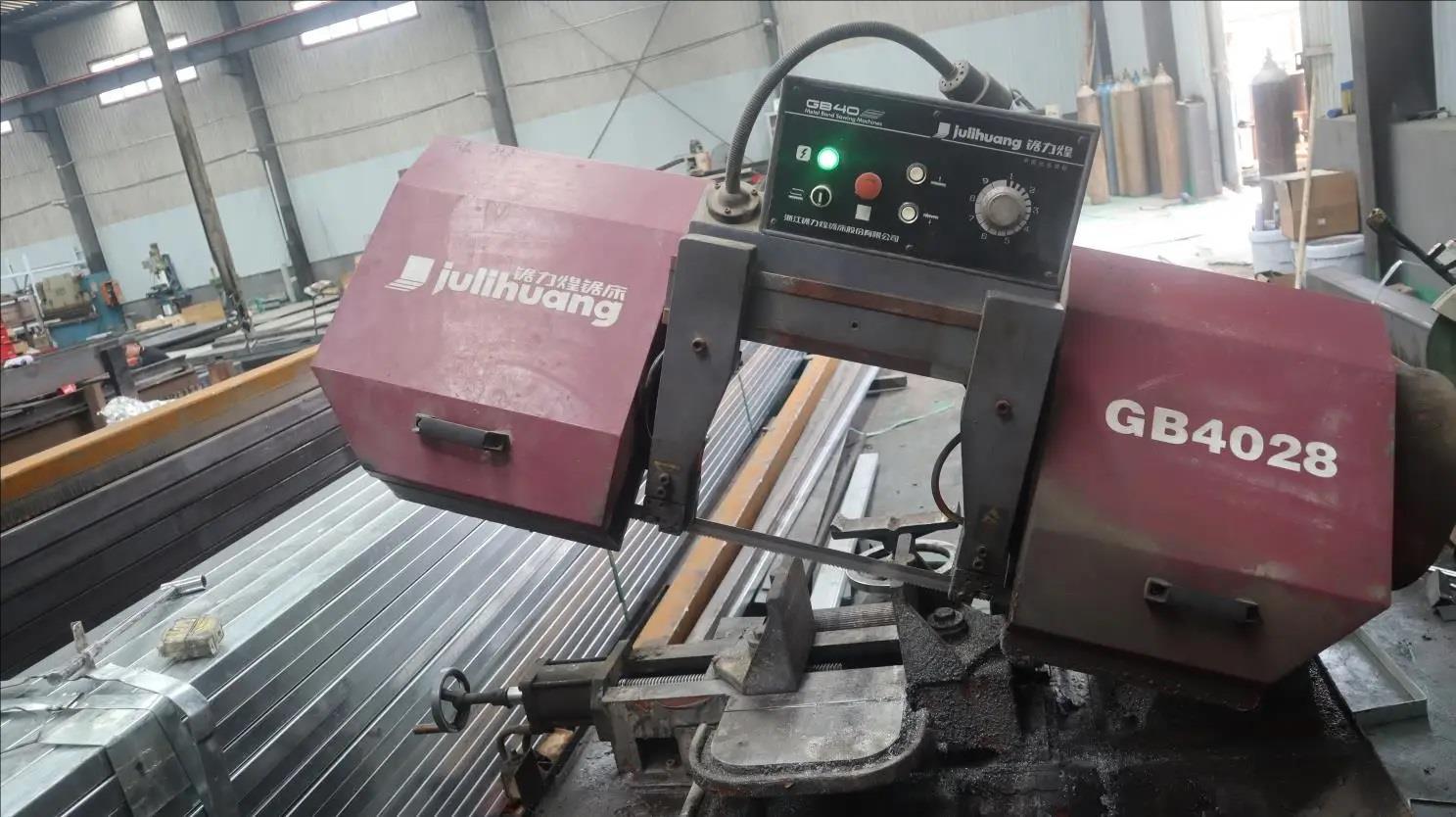
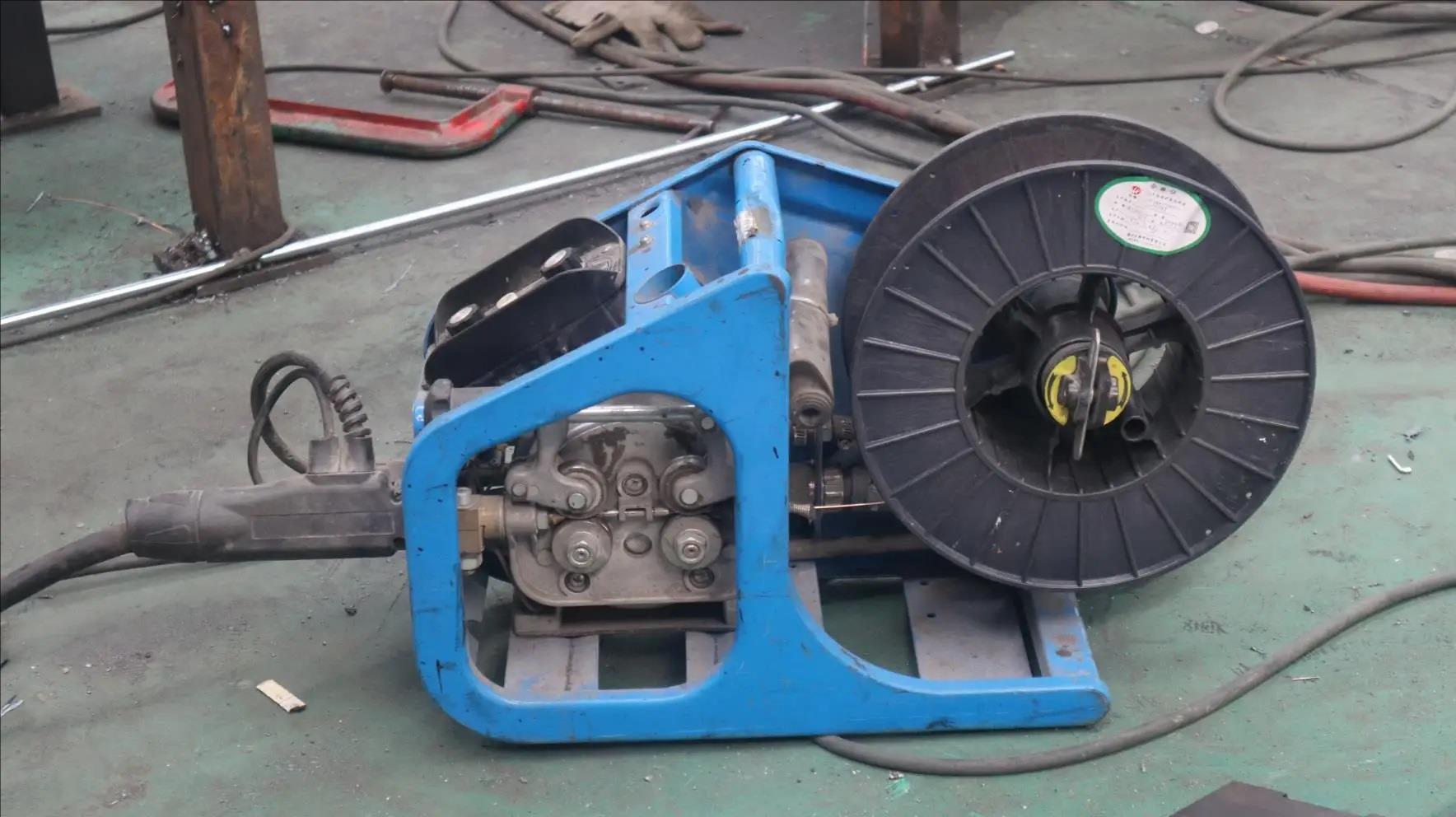
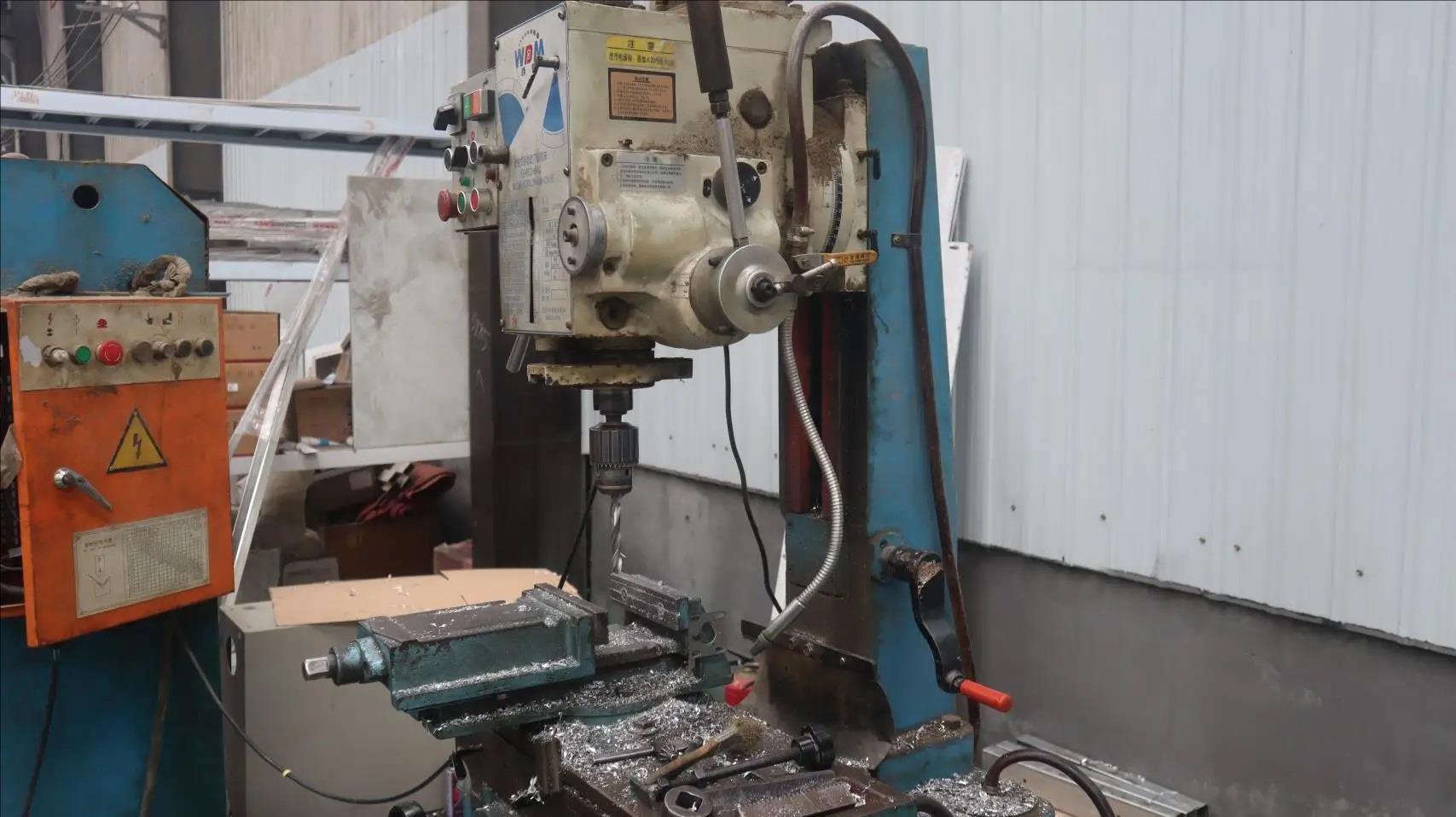
Our facility features CNC grinding machines, high-precision inspection equipment, automated production lines, and modern quality-testing laboratories to verify critical dimensions.
We invest in new materials, coating technologies, and precision processes to develop cutting tools with higher wear resistance, improved efficiency, and longer service life.
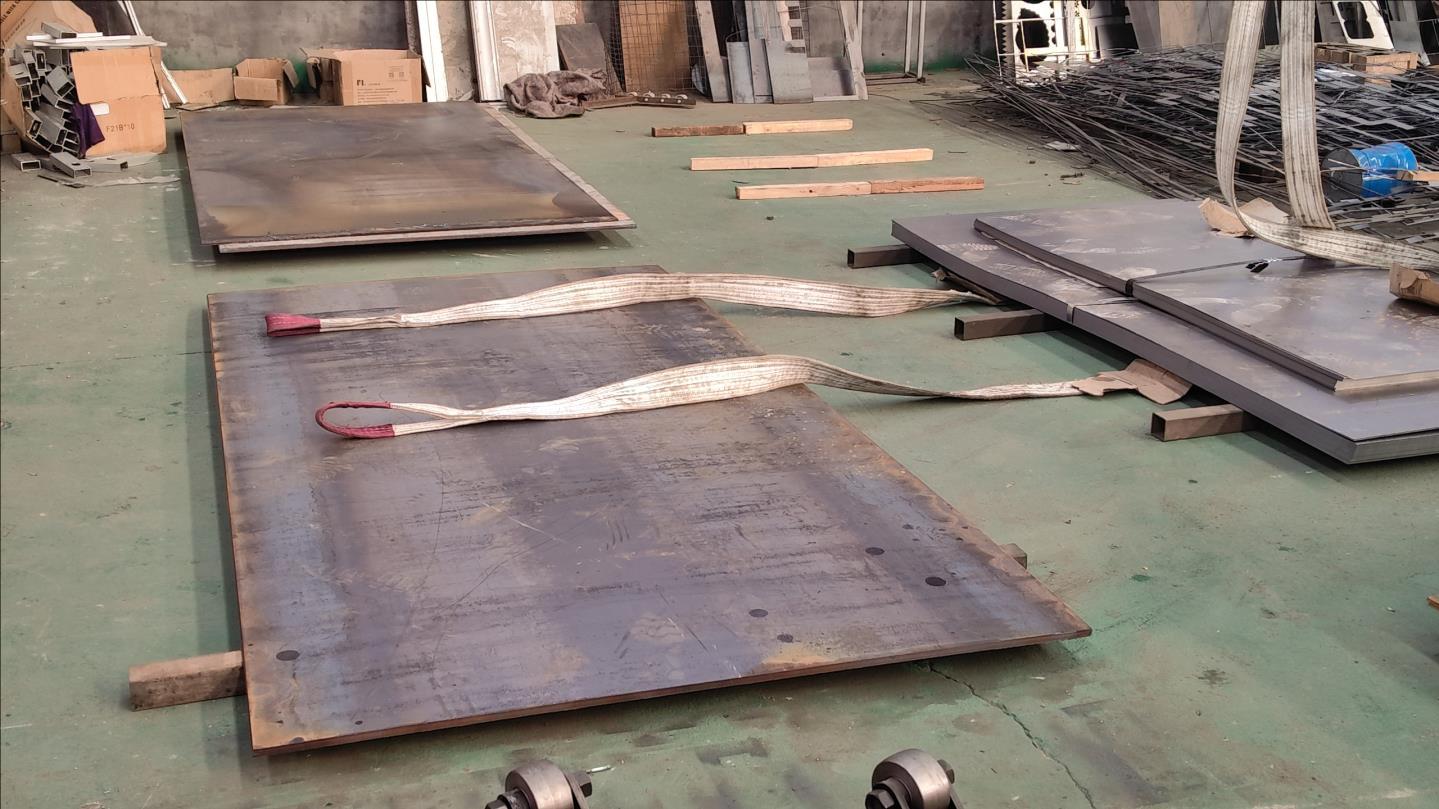
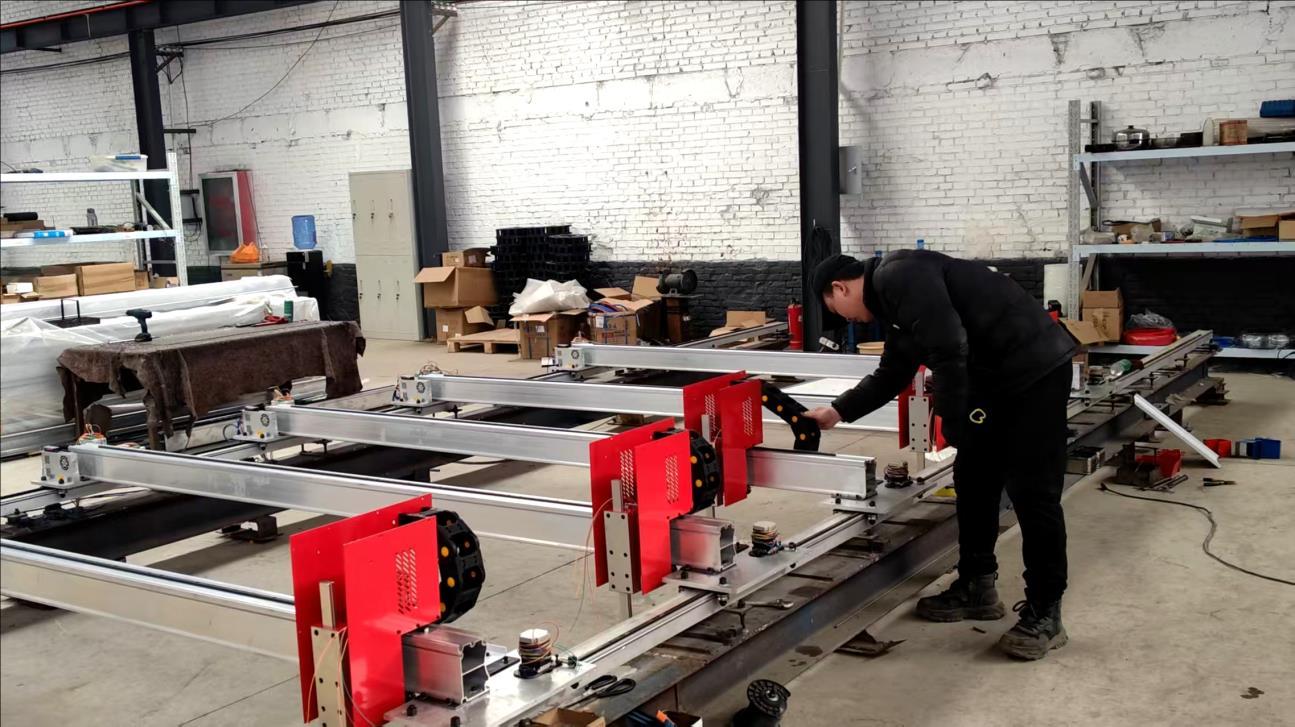
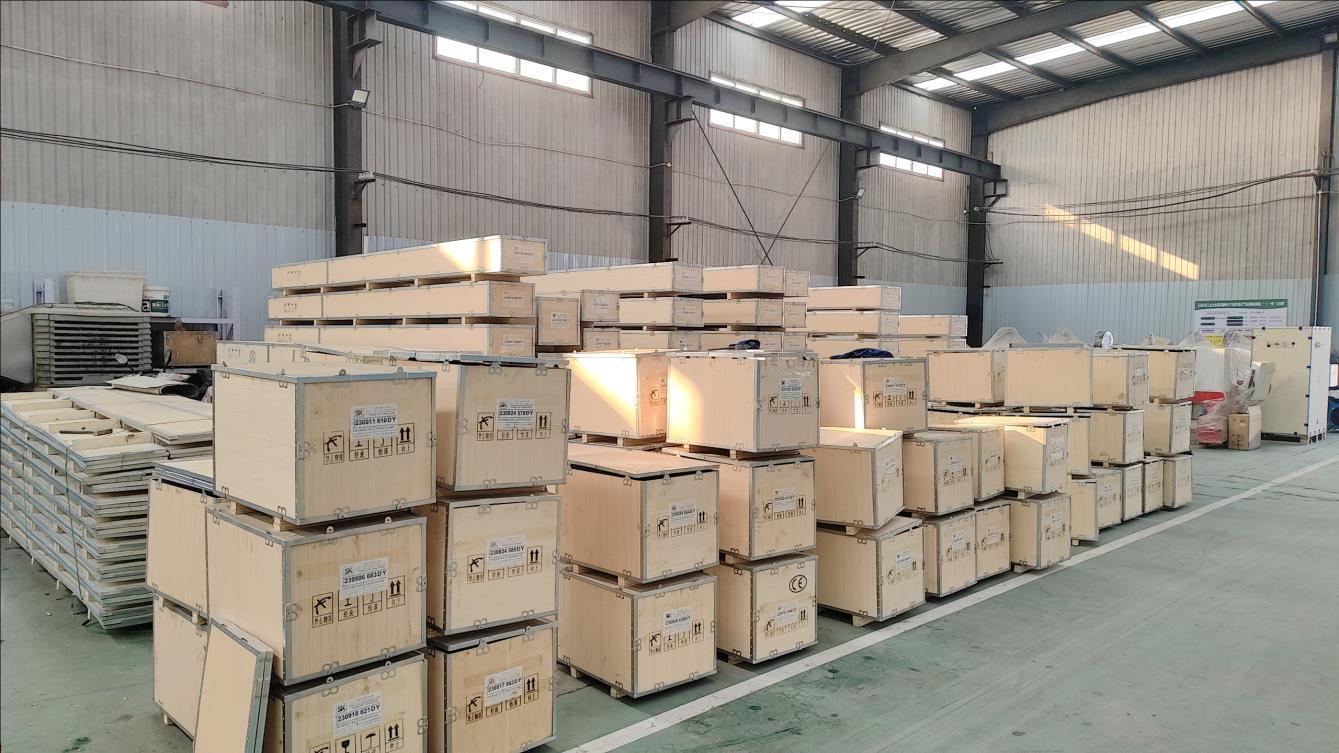
From raw material verification to final debugging and packaging, our production cycle adheres to strict tolerances to ensure consistent dimensional accuracy and stable machining performance.
Electric vehicle (EV) motor housings require high concentricity across multiple stepped diameters to prevent rotor imbalance. Our indexable and micro fine-boring systems allow automotive tier-1 suppliers to machine aluminum stator bores and steel bearing sleeves with minimal tool deflection.
Aerospace components are often made from high-strength alloys like Titanium (Ti-6Al-4V) and Inconel 718. These work-hardening materials produce high thermal loads. DentFix utilizes optimized rake angles and targeted coolant channels to extend tool life during deep-hole boring in these materials.
Hydraulic cylinders and oilfield drilling heads require deep hole internal boring with long projection lengths. Our anti-vibration shanks use internal damping modules to prevent structural resonance, maintaining straightness tolerances even under variable depth cuts.
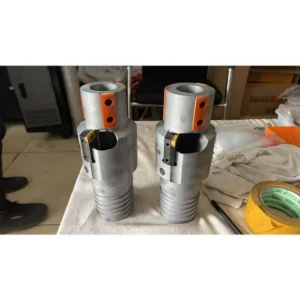
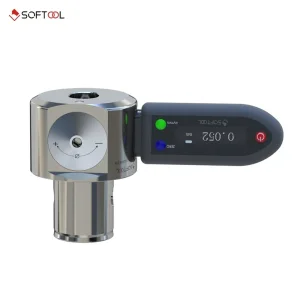
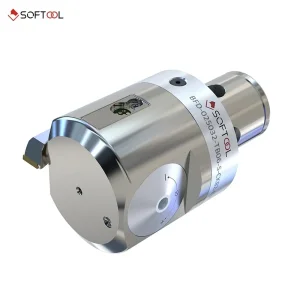
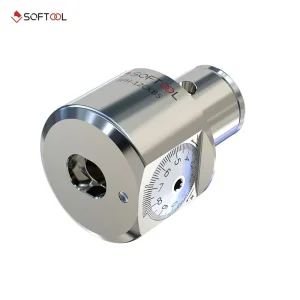
Mold base fabrication requires precise positioning and diameter control to ensure correct alignment. Our fine-boring heads feature micro-adjustment mechanisms, allowing operators to adjust diameters in 0.002mm increments directly on the machining center.
Global procurement teams prioritize total cost of ownership (TCO) over simple unit price. High-quality tooling reduces cycle times and scrap rates. We address these requirements through clear documentation, material traceability, and consistent performance across production batches.
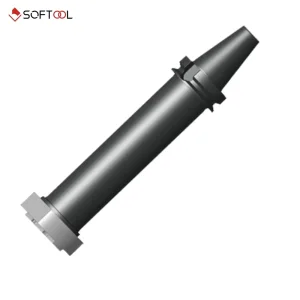
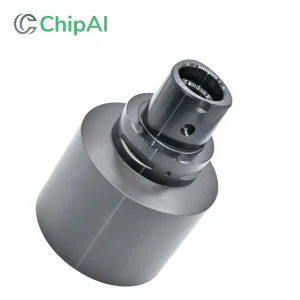
Key technical shifts include the migration toward modular tooling configurations, like the polygonal taper shank interface (PSC63). These interfaces permit rapid swapping between turning, milling, and boring heads on multi-tasking CNC centers, reducing downtime and tool inventory costs.
"Standardizing on high-rigidity modular tool shanks like PSC63 allows manufacturers to minimize tooling changes. The polygon taper coupling delivers high clamping repeatability, making it a reliable standard for modern automated boring lines."
Technical solutions for production line issues, including chip wrapping, chatter, surface roughness, and tool deflection.
Browse our range of heavy-duty tooling systems, custom fine-tuning heads, and indexable boring bars designed for automated production lines.
 DentFix Tool