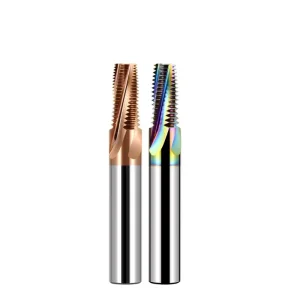
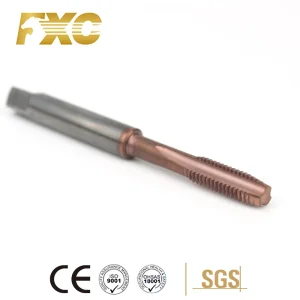
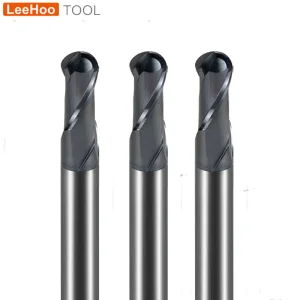
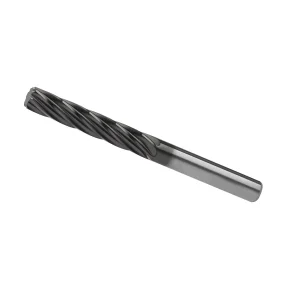
Engineered for seamless integration with high-velocity cooling fluid supply lines to optimize cutting efficiency and surface finish quality.
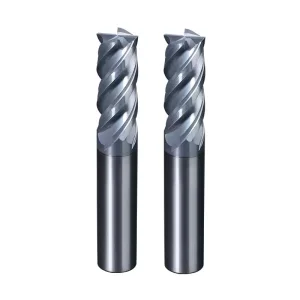
In high-speed CNC manufacturing, the interface between the workpiece and the carbide cutting edge is subject to extreme thermodynamic stress. Industrial cooling fluids (often referred to as metalworking fluids or cutting coolants) are vital components that serve multiple critical functions: thermal mitigation, lubricity, chip evacuation, and temporary corrosion protection.
As factories globally shift toward tighter dimensional tolerances and higher-speed machining center operations, the selection of the correct cooling fluid becomes as critical as the geometry of the carbide end mill or indexable turning insert itself. China's industrial manufacturing ecosystem has evolved from a mass-producer of basic chemical compounds to a key innovator of advanced fluid formulations, including fully synthetic, semi-synthetic, and bio-based ester emulsions designed specifically for hard metal alloys like titanium, stainless steel, and hardened tool steels.
By leveraging advanced chemical engineering alongside cutting-edge hardware tooling production (such as the high-precision CNC tooling manufactured by Zhejiang DentFix Tool Co., Ltd.), manufacturers can unlock up to a 50% increase in tool life and improve surface roughness metrics significantly.
When selecting cooling fluids for high-performance milling and turning, operators must balance:
Modern metal removal requires tailoring both the physical tool material and the chemical carrier fluid to the exact workpiece alloy. Here is how advanced cooling fluid formulations match specialized machining operations.
Challenge: Titanium alloys exhibit low thermal conductivity, concentrating extreme heat at the cutting edge of carbide end mills.
Fluid Solution: High-ester, chlorine-free semi-synthetic emulsions (10-15% concentration) combined with through-spindle cooling systems. This flushes chips instantly and minimizes thermal shock fractures on tools like DentFix's 70-degree tungsten steel milling cutters.
Challenge: Heavy aluminum sticky build-up (BUE - built-up edge) on the rake faces of turning and milling inserts.
Fluid Solution: Highly refined water-soluble micro-emulsions with specialized anti-wear additives. This prevents welding of the aluminum workpiece onto tool coatings like TiN or TiAlN, ensuring precise surface roughness in high-output lines.
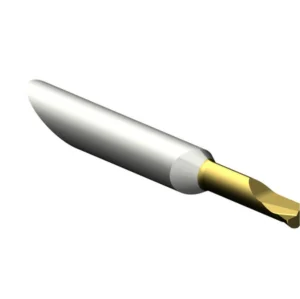
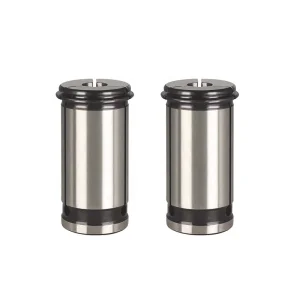
Challenge: Micro-drills and straight collets (C20/C32) require continuous cooling and absolute micro-chip evacuation without residue.
Fluid Solution: Low-viscosity synthetic cooling fluids or Minimum Quantity Lubrication (MQL) setups. These systems feed microscopic droplets of high-efficiency vegetable-derived esters directly to the cutter edge via pressurized air streams.
Empowering global CNC machining pipelines through precision engineering and advanced manufacturing technology.
Zhejiang DentFix Tool Co., Ltd. is a professional manufacturer specializing in the research, development, production, and global distribution of precision CNC cutting tools and carbide solutions. Since its establishment, the company has been committed to providing high-performance tooling products for the metalworking industry, serving customers across automotive, aerospace, mold & die, general engineering, energy, and precision manufacturing sectors.
Driven by continuous innovation and customer-focused development, DentFix has grown into a modern manufacturing enterprise that integrates R&D, intelligent production, quality control, sales, and technical support. The company has built a strong reputation for delivering reliable products, consistent quality, and professional services to customers in both domestic and international markets.
With advanced manufacturing technologies, experienced engineering teams, and strict quality management systems, DentFix continuously improves its product performance and production efficiency. The company is dedicated to helping customers achieve higher machining accuracy, longer tool life, greater productivity, and lower manufacturing costs.
Today, Zhejiang DentFix Tool Co., Ltd. continues to strengthen its investment in technological innovation, intelligent manufacturing, and international cooperation, striving to become a trusted global supplier of precision cutting tool solutions.
Our manufacturing facility is equipped with advanced CNC grinding machines, high-precision inspection equipment, automated production systems, and modern quality testing laboratories. Every product undergoes rigorous inspection throughout the manufacturing process to ensure exceptional dimensional accuracy, durability, and stable machining performance.
Innovation remains at the core of our business. DentFix continuously invests in new materials, coating technologies, and precision manufacturing processes to develop cutting tools with higher wear resistance, improved machining efficiency, and longer service life.
Guided by the principles of Quality First, Innovation, Reliability, and Customer Satisfaction, Zhejiang DentFix Tool Co., Ltd. is committed to building long-term partnerships with customers worldwide. We look forward to providing professional tooling solutions that help manufacturers improve productivity, reduce production costs, and achieve sustainable growth.
Take an inside look at our advanced manufacturing lines, where precision quality control systems align with state-of-the-art tooling production.
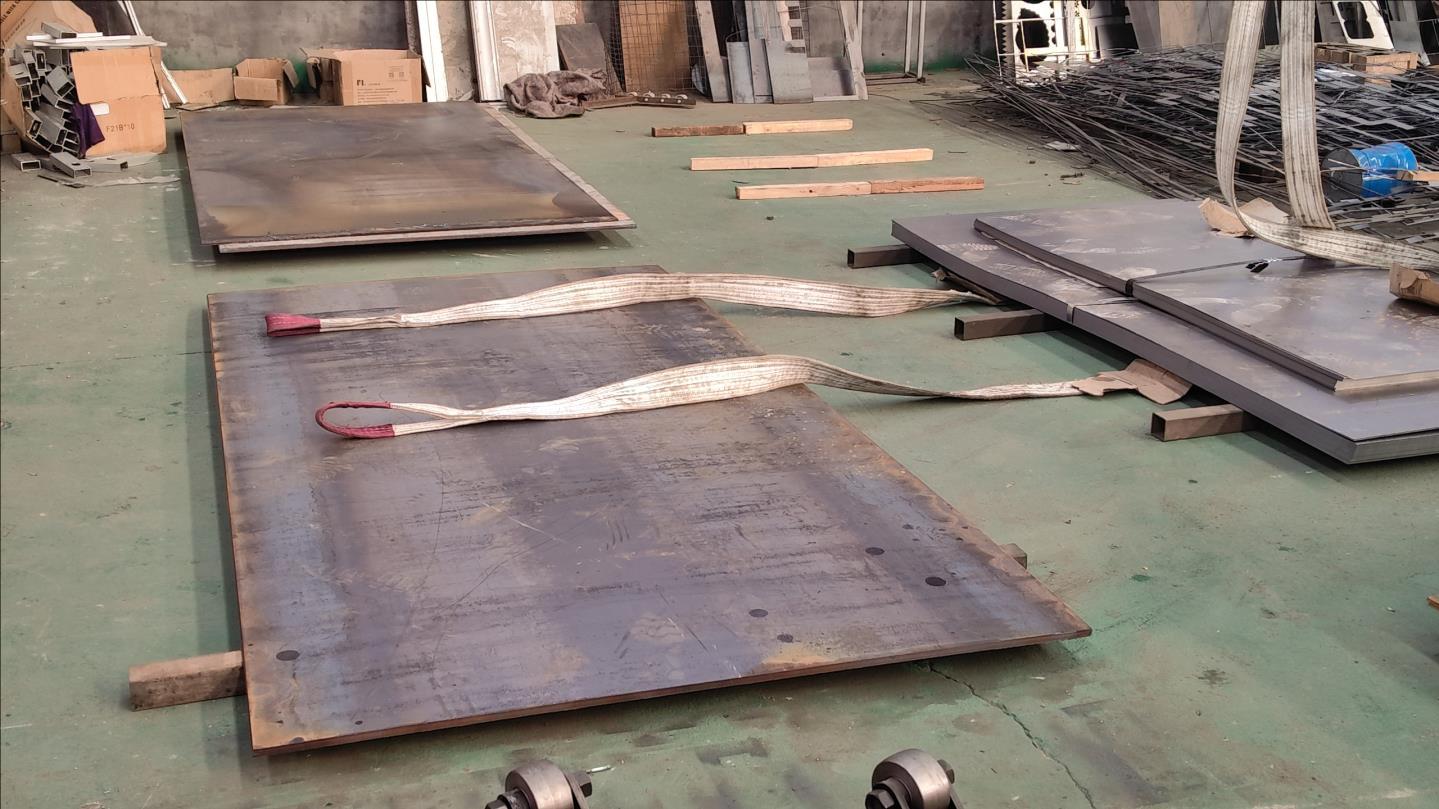
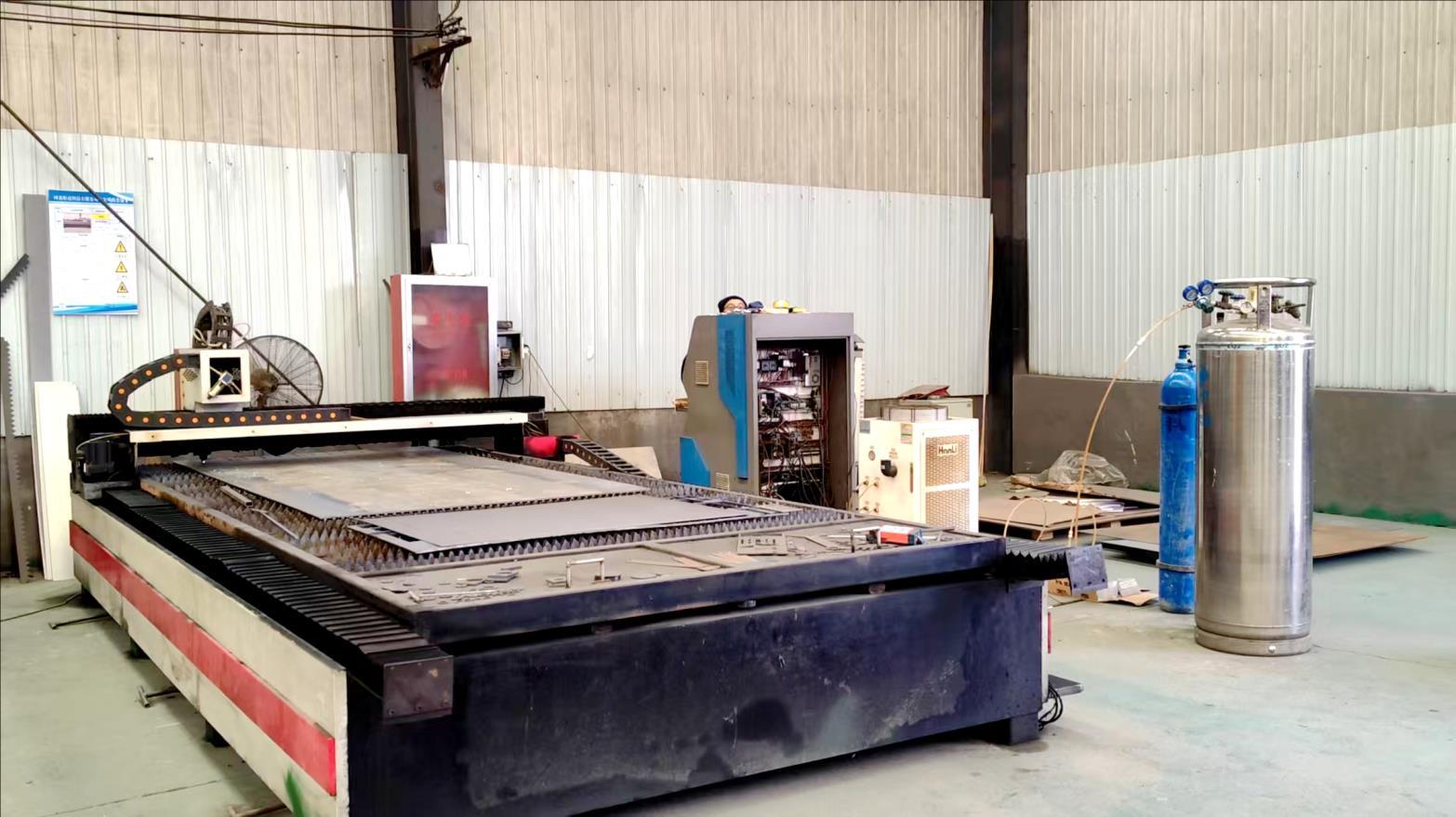
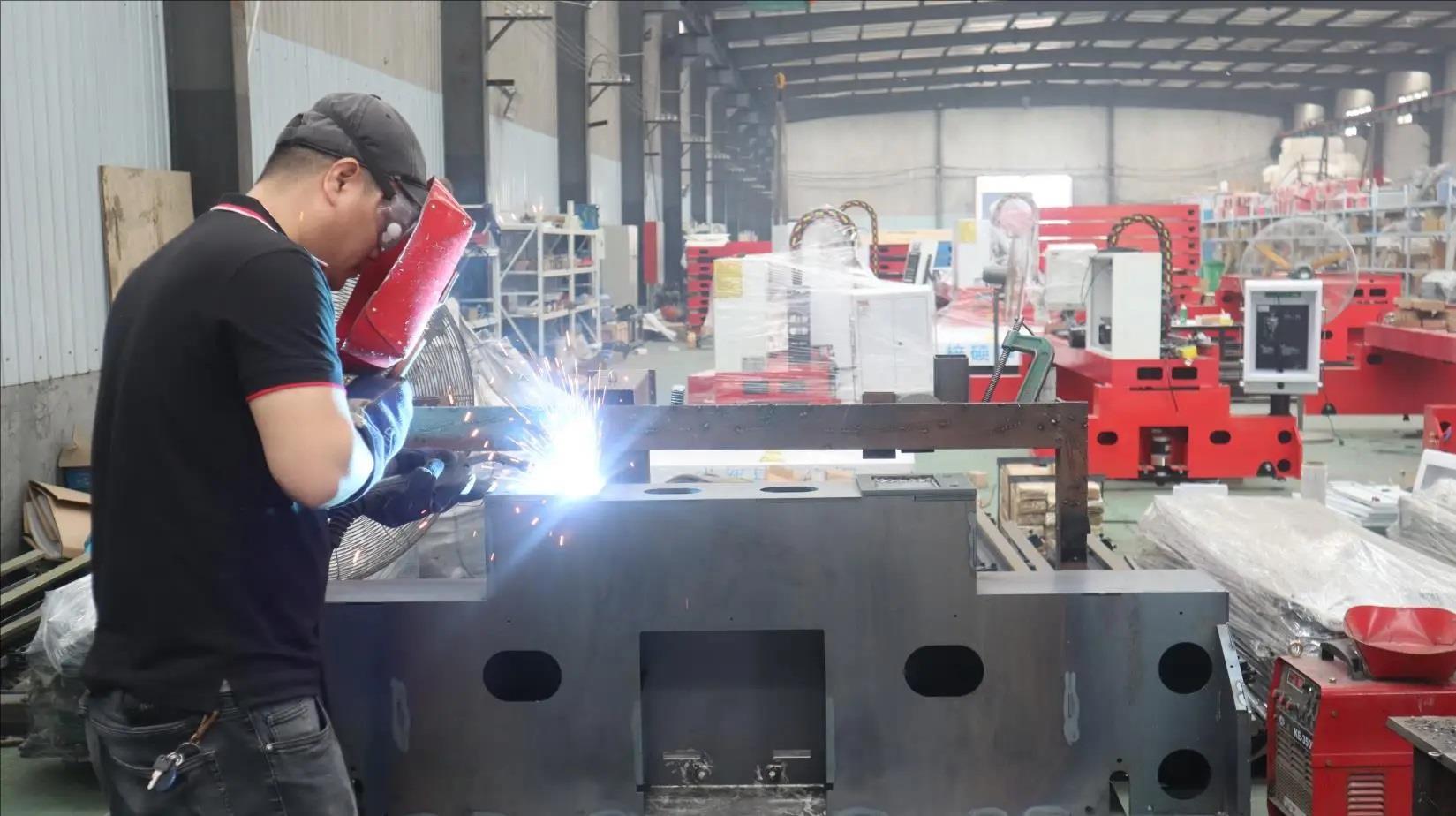
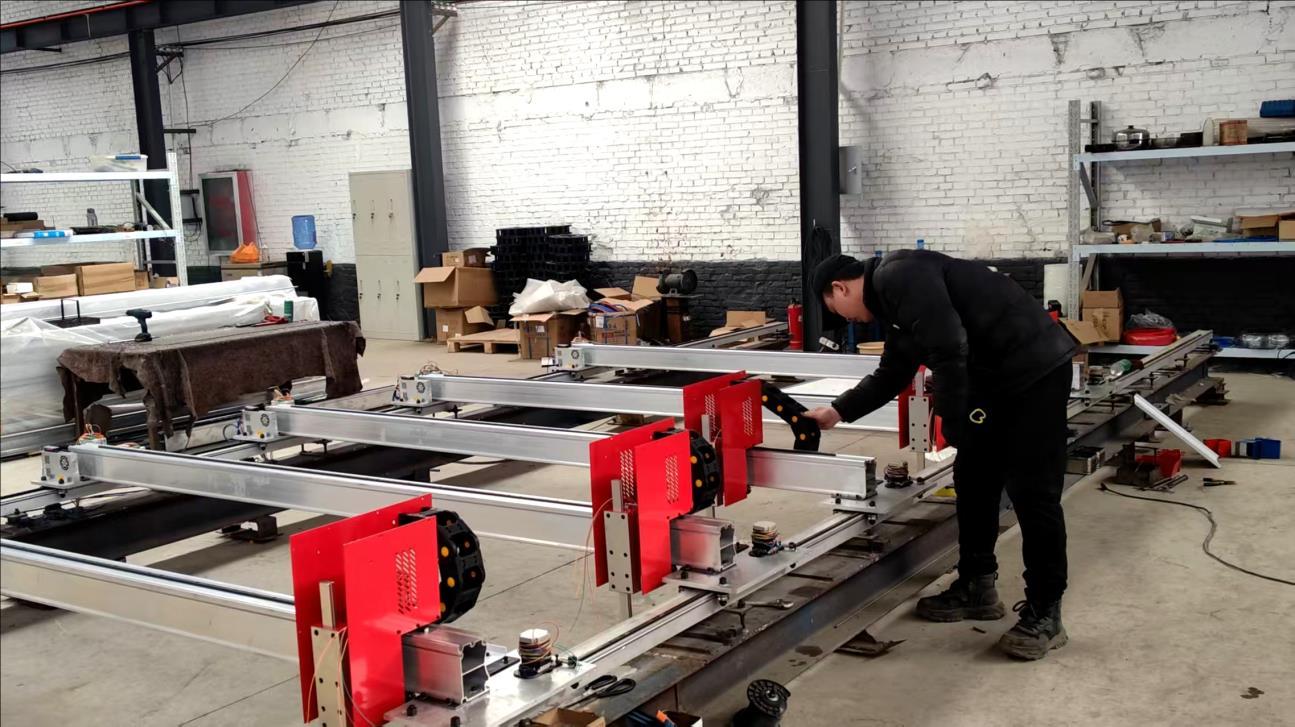
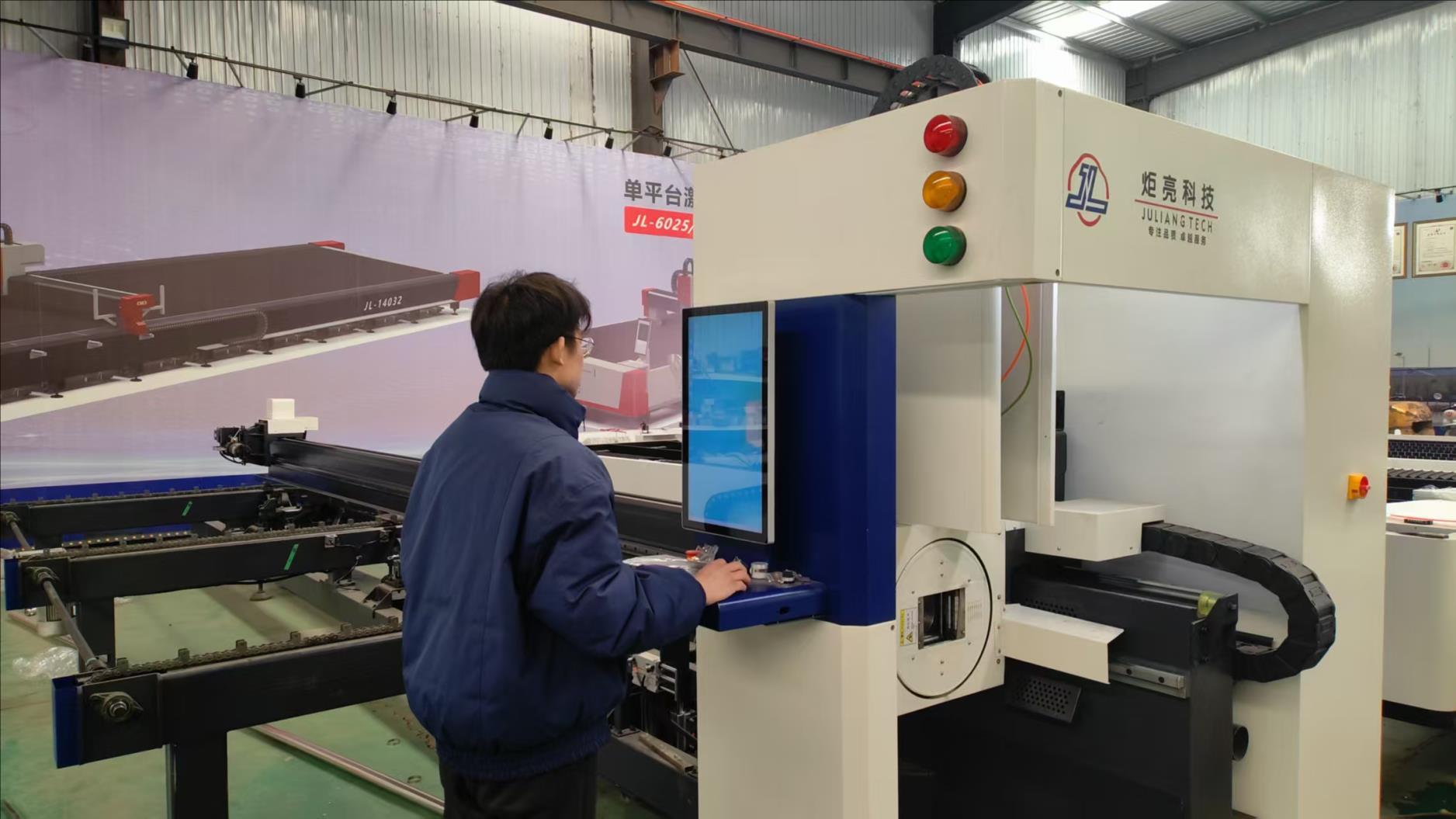
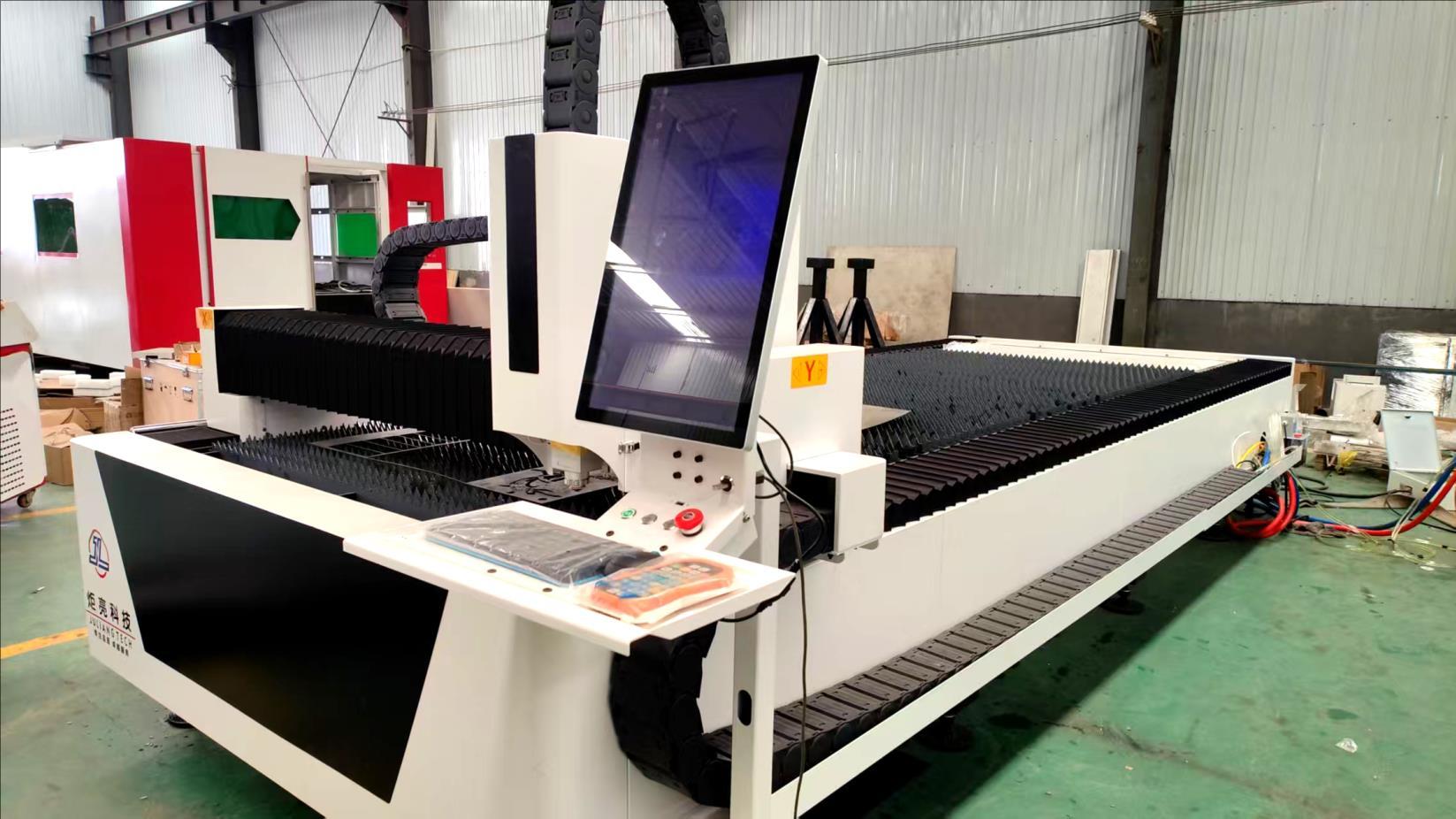
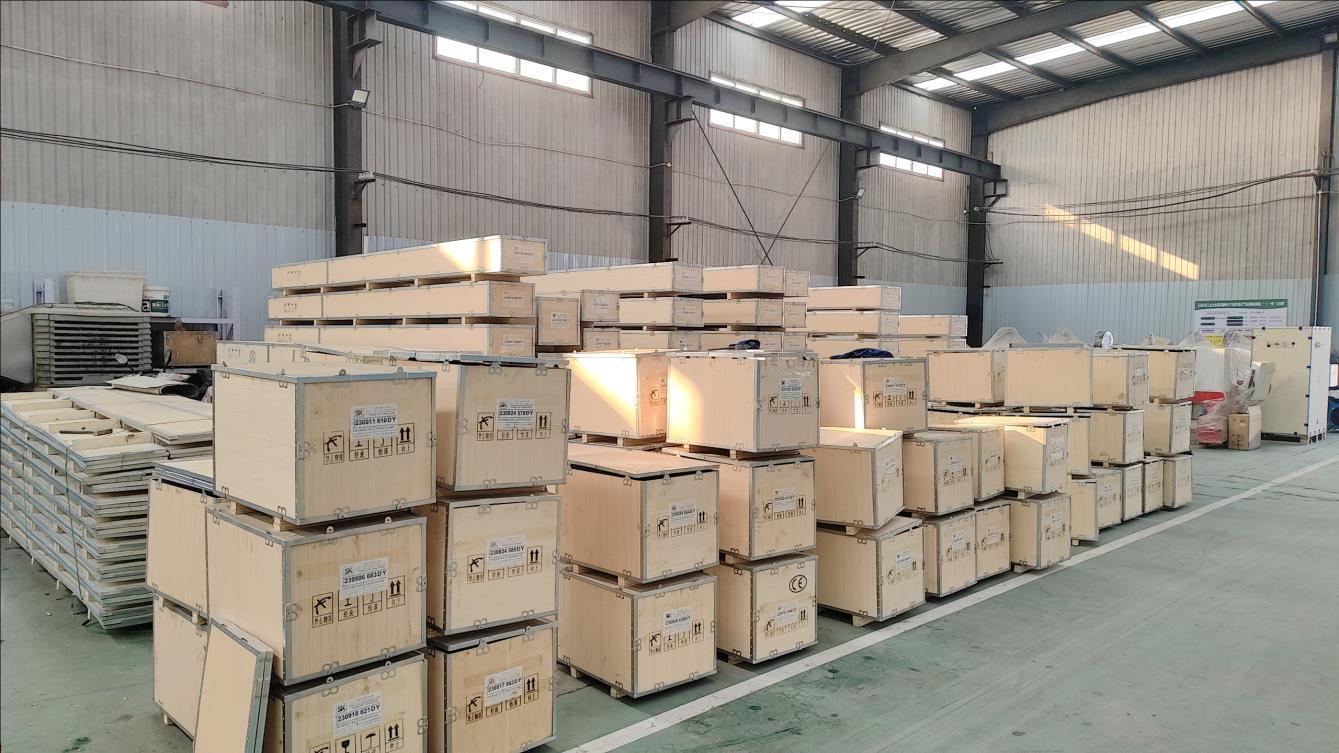
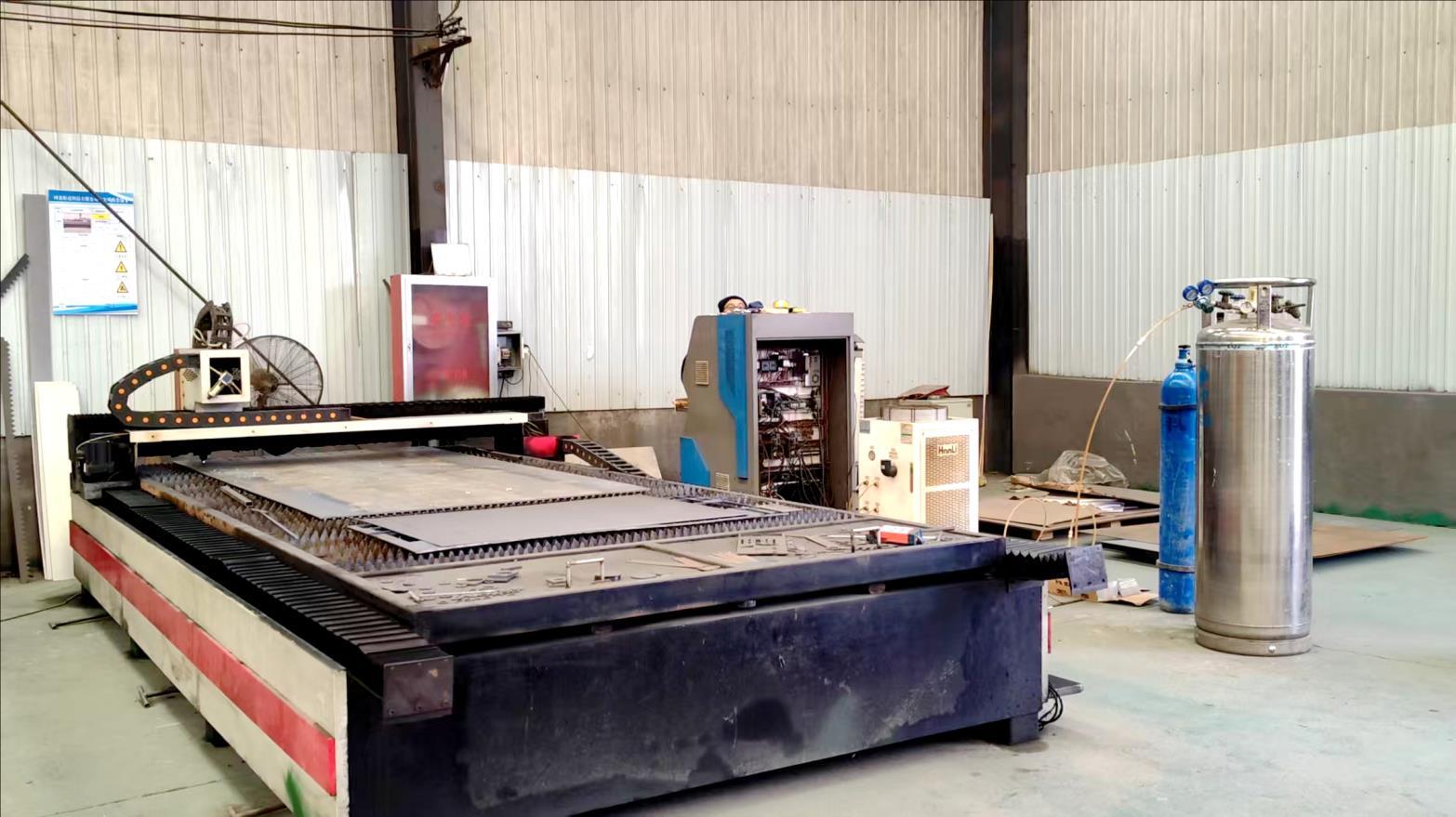
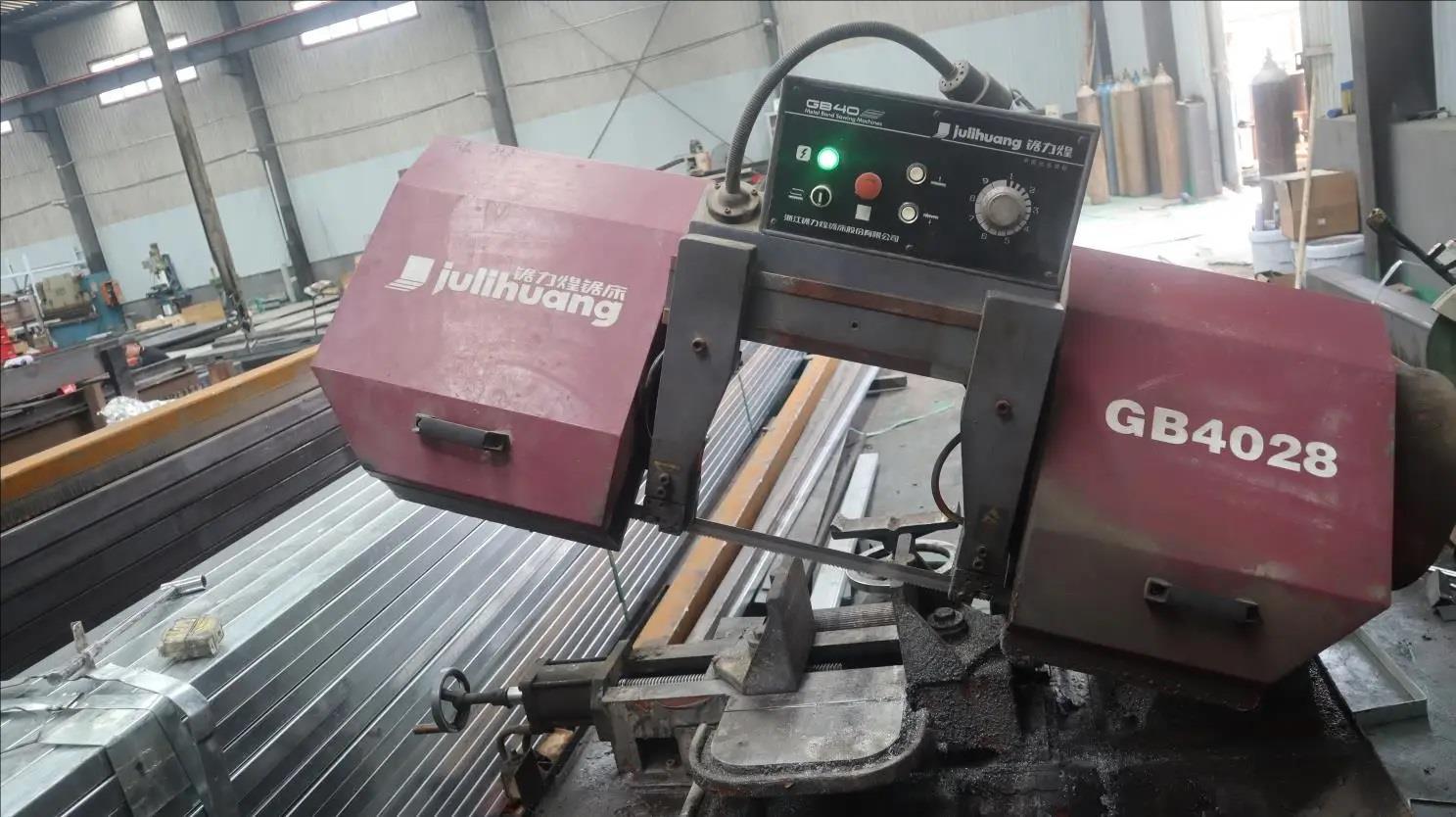
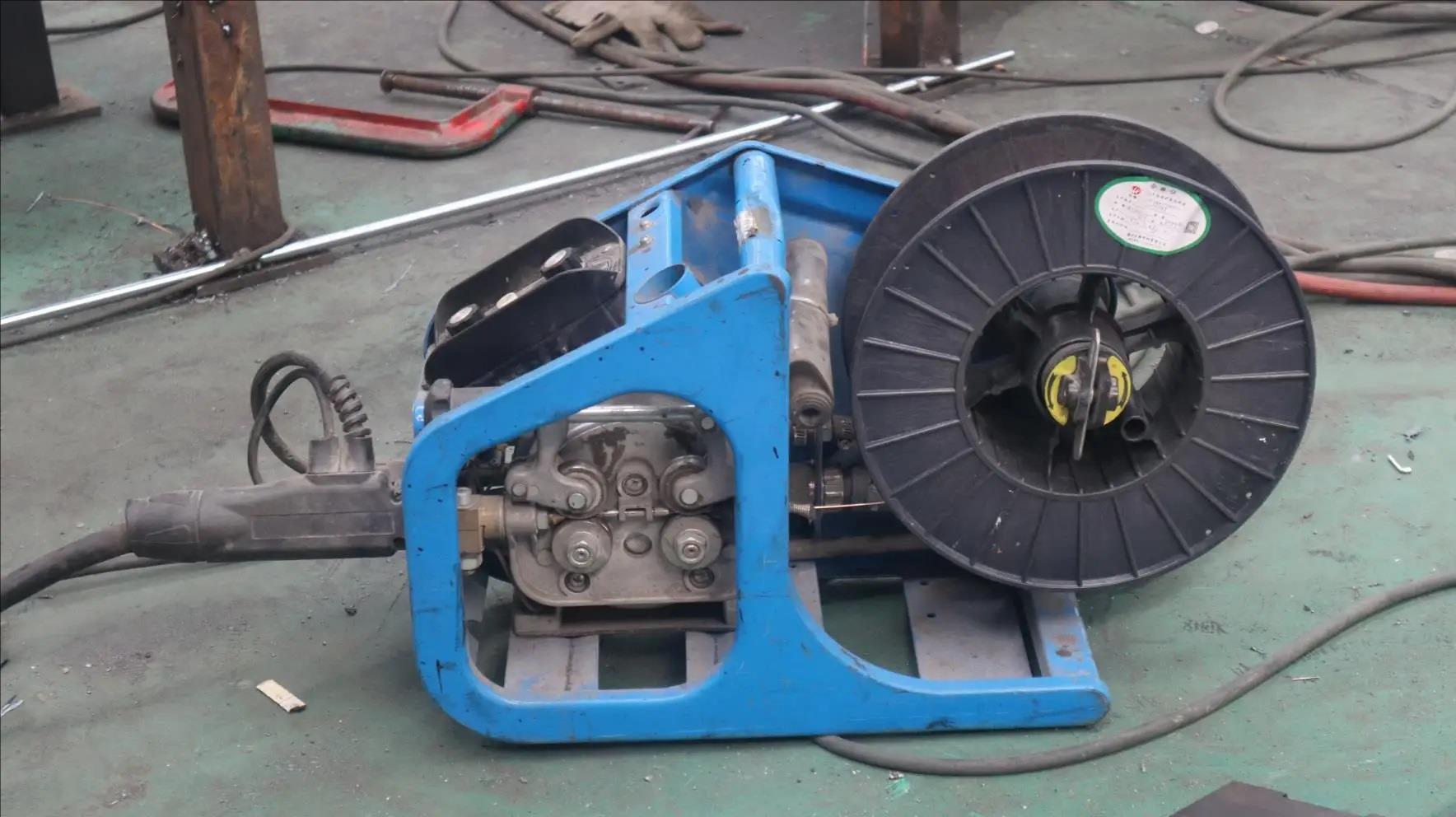
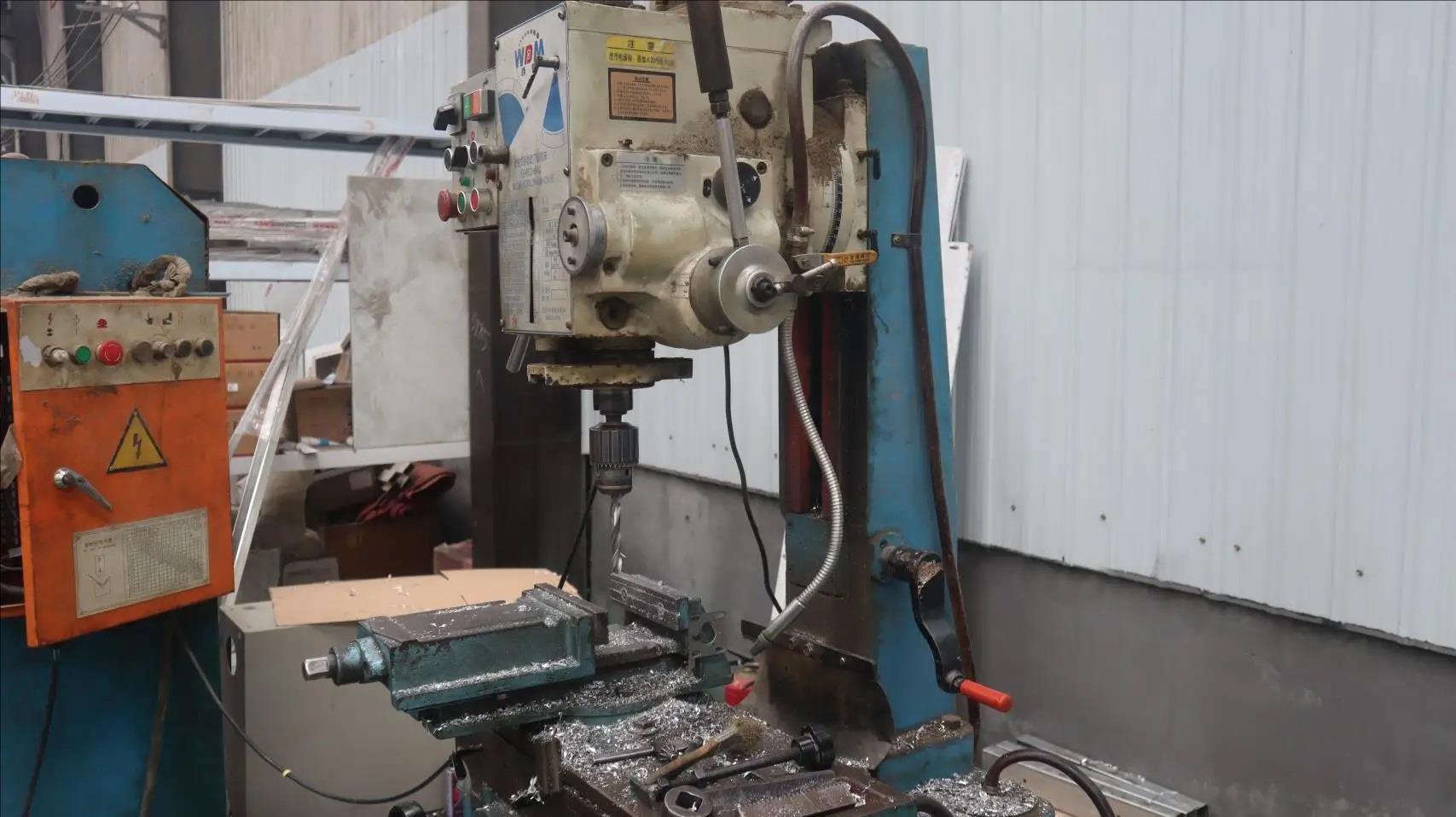
The industrial dominance of Chinese chemical and mechanical engineering hubs relies on two core advantages: integrated industrial clusters and seamless logisitical resilience. Zhejiang, serving as one of the premier industrial clusters in eastern China, aggregates raw raw chemical processing, high-grade base oils, precision CNC tool manufacturing, and shipping networks within a 150-kilometer radius.
This allows factories to source premium components (like tungsten carbide raw materials, specialized chemical esters, and anti-foaming surfactants) under minimal lead times, dramatically lowering the production costs of wholesale cooling fluids and tooling sets. The result is a highly adaptive supply chain that can pivot from small batch custom runs to high-volume containerized global exports without bottlenecking.
Wholesale distribution of industrial fluids requires strict compliance with global safety standards. Leading Chinese factories adhere closely to international regulatory frameworks, ensuring smooth customs clearances and safe workplace environments for downstream end users:
The next decade of industrial manufacturing is defined by sustainable, digital-first optimization processes.
1. Nano-Particle Coolants: Integrating carbon nanotubes or graphene oxides into synthetic coolant matrices to increase thermal conductivity by up to 30% over standard formulations.
2. IoT-Monitored Sump Systems: Implementing real-time digital sensors in cooling sumps to measure concentration levels, pH balance, and microbial counts, alerting maintenance operators via cloud dashboards before fluid breakdown occurs.
3. Bio-based Esters: Formulating renewable vegetable-derived coolants that match the extreme performance metrics of mineral oils while offering 98% biodegradability.
Practical answers to help sourcing procurement officers, chemical distributors, and CNC production engineers maximize efficiency.
Industrial metalworking coolants fall into four primary families:
1. Neat Oils (Straight Oils): Highly refined petroleum or vegetable oils used undiluted. Best for low-speed, high-pressure operations where lubrication is critical.
2. Soluble Oils: Mineral oils blended with emulsifiers. They form a milky fluid when mixed with water, balancing cooling and lubrication.
3. Semi-Synthetic Fluids: Hybrid mixtures containing 10% to 50% mineral oil. They offer good cooling capacity, corrosion resistance, and bio-stability.
4. Fully Synthetic Fluids: Water-soluble chemical solutions containing no petroleum. Excellent for high-speed heat extraction and chip flush, with maximum sump lifetime.
The cooling fluid acts as a thermal buffer. High-speed carbide machining generates localized temperatures exceeding 700°C, causing carbide thermal cracking and coating delamination. By applying a consistent flow of high-pressure coolant, you keep temperatures stable and lubricate the chip flow path, reducing wear on cutting edges. This ensures consistent tool geometries over extended shifts.
Dilution ratios depend on the material and operation. For light machining and grinding, a 3% to 5% concentration is typical. For heavy-duty milling, drilling, and tapping on tough materials like stainless steel, a 7% to 12% concentration is recommended. Always measure concentration using a refractometer to prevent rust issues, foaming, or skin irritation.
Sourcing agents should request official compliance documents from the manufacturer, including REACH registration certificates, RoHS laboratory test reports, and fully compliant GHS Safety Data Sheets (SDS). Professional chemical factories will also provide Certificates of Analysis (COA) for every manufacturing batch, ensuring chemical consistency across all shipments.
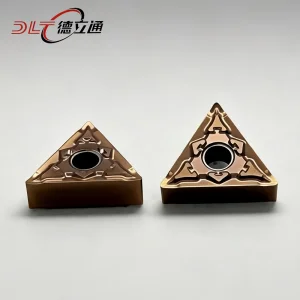
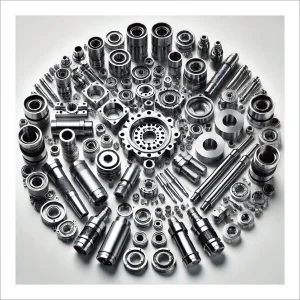
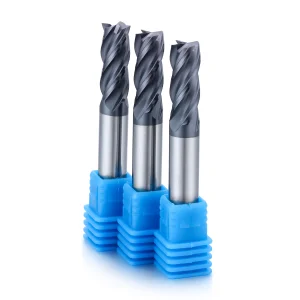
Explore our high-wear-resistant inserts, spring collets, and heavy-duty drilling components manufactured for demanding global industries.
 DentFix Tool