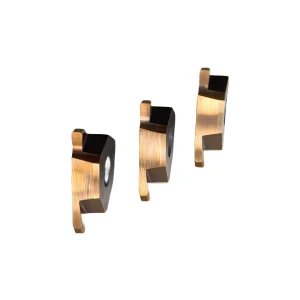
Explore the engineering standard in high-rigidity CNC lathing, indexable milling, and boring assemblies designed to survive intense thermal cycles.
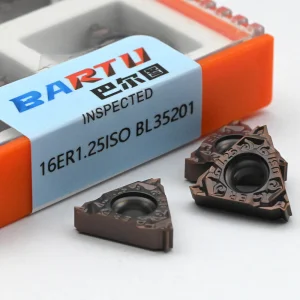
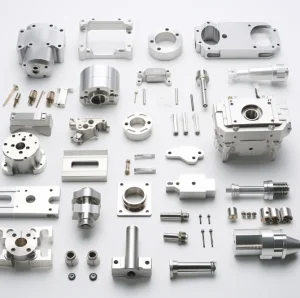
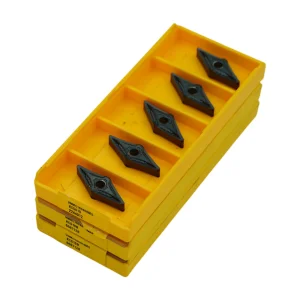
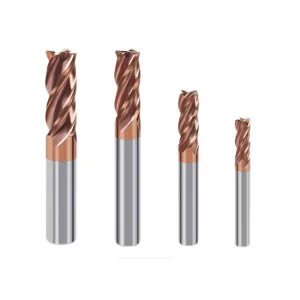
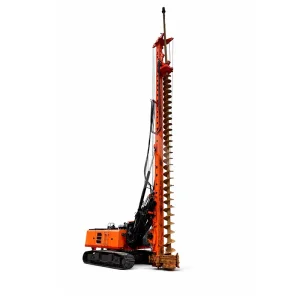
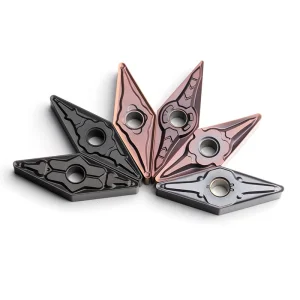
An in-depth study of the global indexable tool sector, shifting supply corridors, metallurgical innovations, and procurement framework validation.
Modern metal removal and high-speed CNC manufacturing require exceptional reliability and precision. As aerospace, automotive, energy, and mold-making industries face tighter tolerances and difficult-to-machine superalloys, the demand for high-performance milling inserts has reached a historic peak. This industry white paper provides structural evaluation models for metalworking manufacturers, global procurement specialists, and CNC tooling distributors looking to partner with top-tier suppliers and exporters.
According to current market intelligence, indexable carbide inserts are no longer treated as simple consumables. They are now recognized as essential components that determine overall equipment effectiveness (OEE). By matching carbide substrates, advanced coatings, and optimized edge geometries, modern indexable tools allow manufacturers to increase material removal rates (MRR) while extending tool life, significantly improving production economics.
The industrial landscape for indexable milling inserts is highly consolidated, with production divided between European precision specialists, North American tooling developers, and Asian high-capacity manufacturers. Today, buyers look beyond unit price to calculate total lifecycle value. Premium exporters now offer advanced coatings and specialized geometries that increase tooling productivity while maintaining competitive pricing.
This market shift has made manufacturers like Zhejiang DentFix Tool Co., Ltd. important players in the international supply chain. By combining cost-effective production with advanced CVD (Chemical Vapor Deposition) and PVD (Physical Vapor Deposition) coating tech, these facilities produce inserts that match the performance of legacy tier-1 brands, helping global buyers diversify and secure their supply networks.
"In the automotive and heavy machinery sectors, a 20% improvement in tool wear resistance is more valuable than a 10% reduction in purchase price. Advanced suppliers focus on developing balanced inserts that prevent catastrophic chipping while maintaining edge sharpness under thermal load."
To deliver real value, milling inserts must be designed for specific industrial environments. Below is a breakdown of how top-tier manufacturers design solutions for key global sectors:
An inside look at the technologies, production systems, and quality controls that define the company's manufacturing facility.
DentFix runs a dedicated research program focused on tool geometries, carbide substrates, and coating technologies, ensuring products meet the demands of modern high-speed CNC machines.
Our workshop is equipped with high-precision CNC grinding machines, automated pressing systems, and strict testing gear to maintain consistent quality across large manufacturing runs.
We inspect products at every stage, from raw tungsten powder testing to final optical checks of the coating layer, ensuring reliable, defect-free tools reach our customers.
Zhejiang DentFix Tool Co., Ltd. is a professional manufacturer specializing in the research, development, production, and global distribution of precision CNC cutting tools and carbide solutions. Since its establishment, the company has been committed to providing high-performance tooling products for the metalworking industry, serving customers across automotive, aerospace, mold & die, general engineering, energy, and precision manufacturing sectors.
Driven by continuous innovation and customer-focused development, DentFix has grown into a modern manufacturing enterprise that integrates R&D, intelligent production, quality control, sales, and technical support. The company has built a strong reputation for delivering reliable products, consistent quality, and professional services to customers in both domestic and international markets.
With advanced manufacturing technologies, experienced engineering teams, and strict quality management systems, DentFix continuously improves its product performance and production efficiency. The company is dedicated to helping customers achieve higher machining accuracy, longer tool life, greater productivity, and lower manufacturing costs.
Today, Zhejiang DentFix Tool Co., Ltd. continues to strengthen its investment in technological innovation, intelligent manufacturing, and international cooperation, striving to become a trusted global supplier of precision cutting tool solutions.
A step-by-step visual look at how our facility transforms raw materials into high-precision industrial tooling solutions.
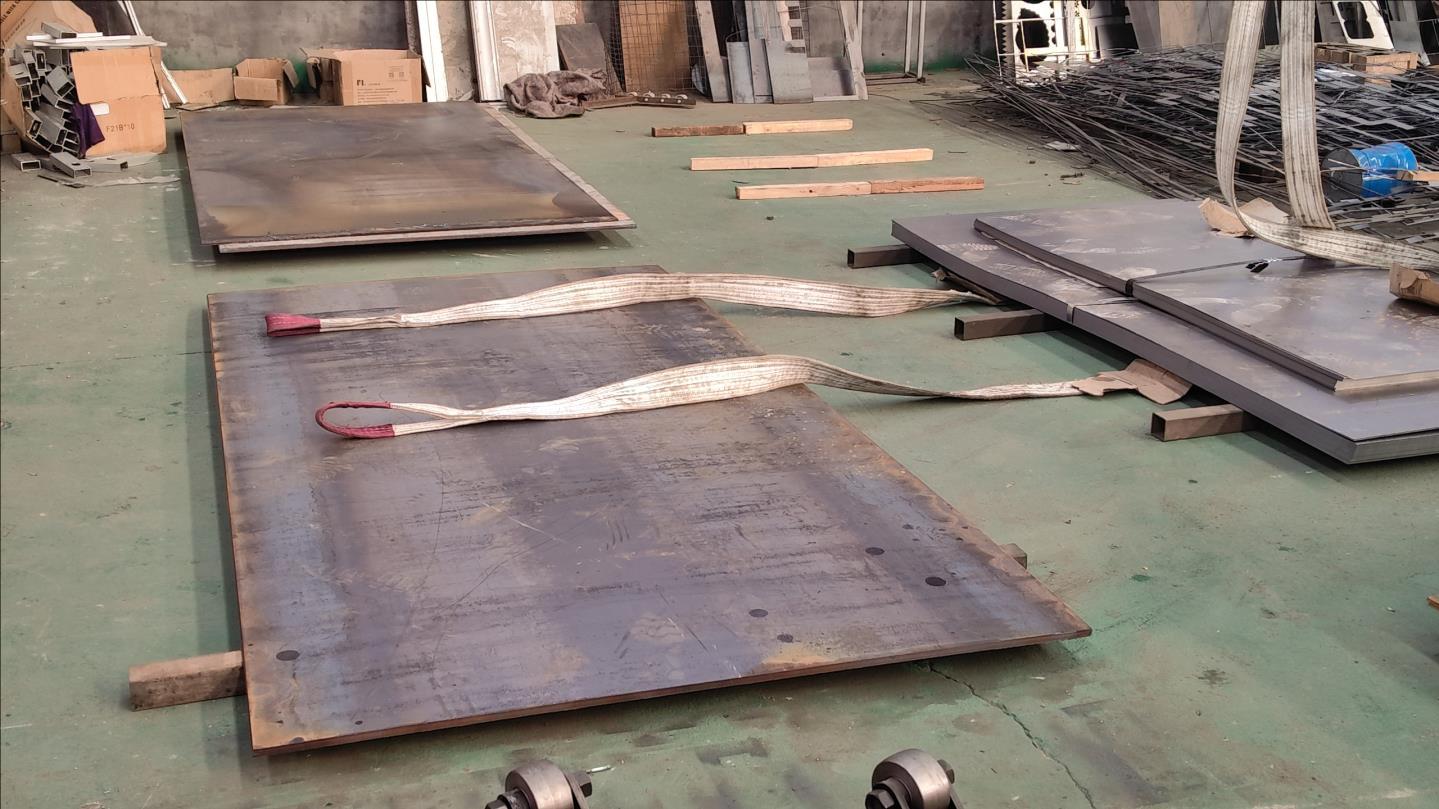
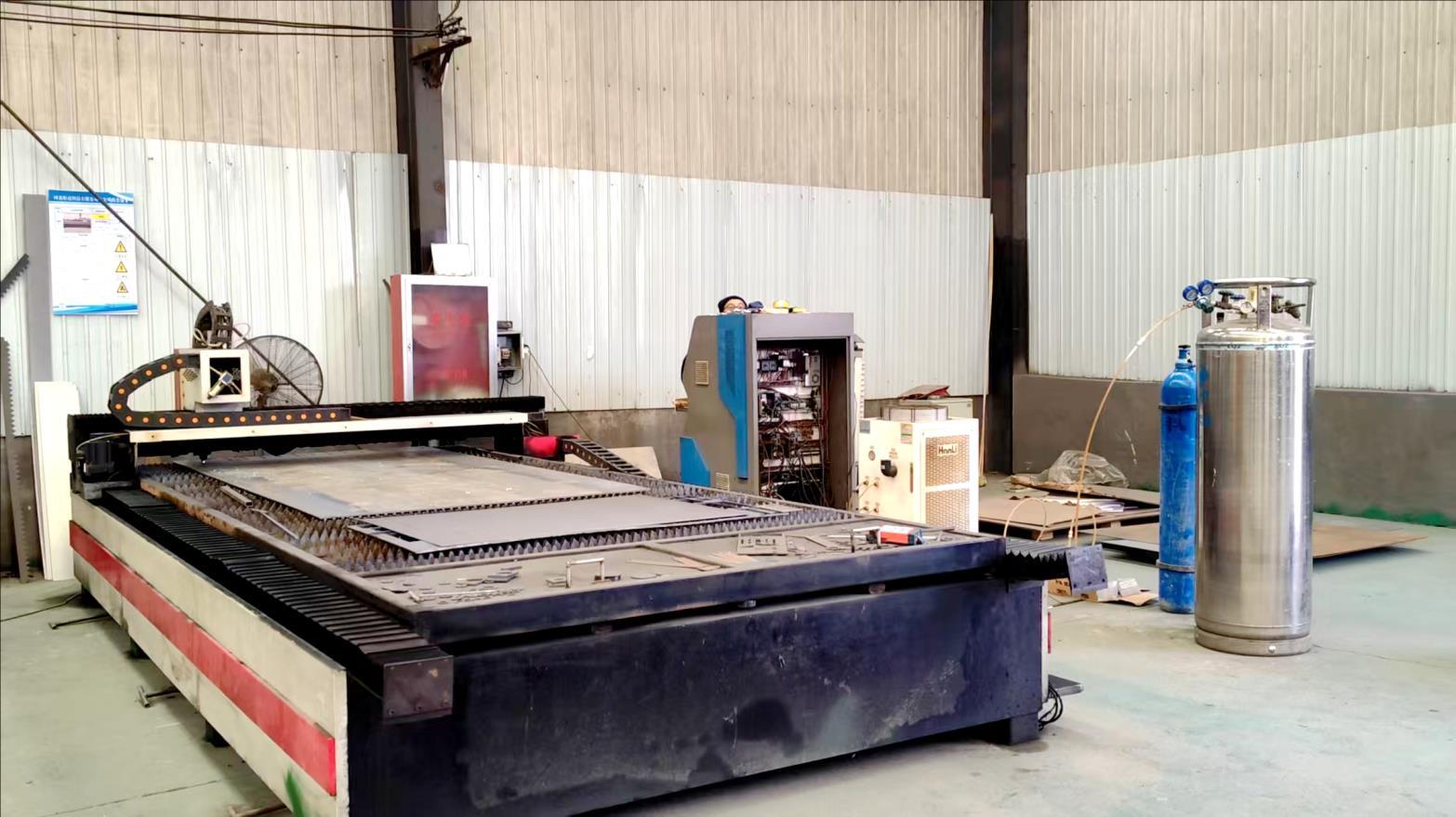
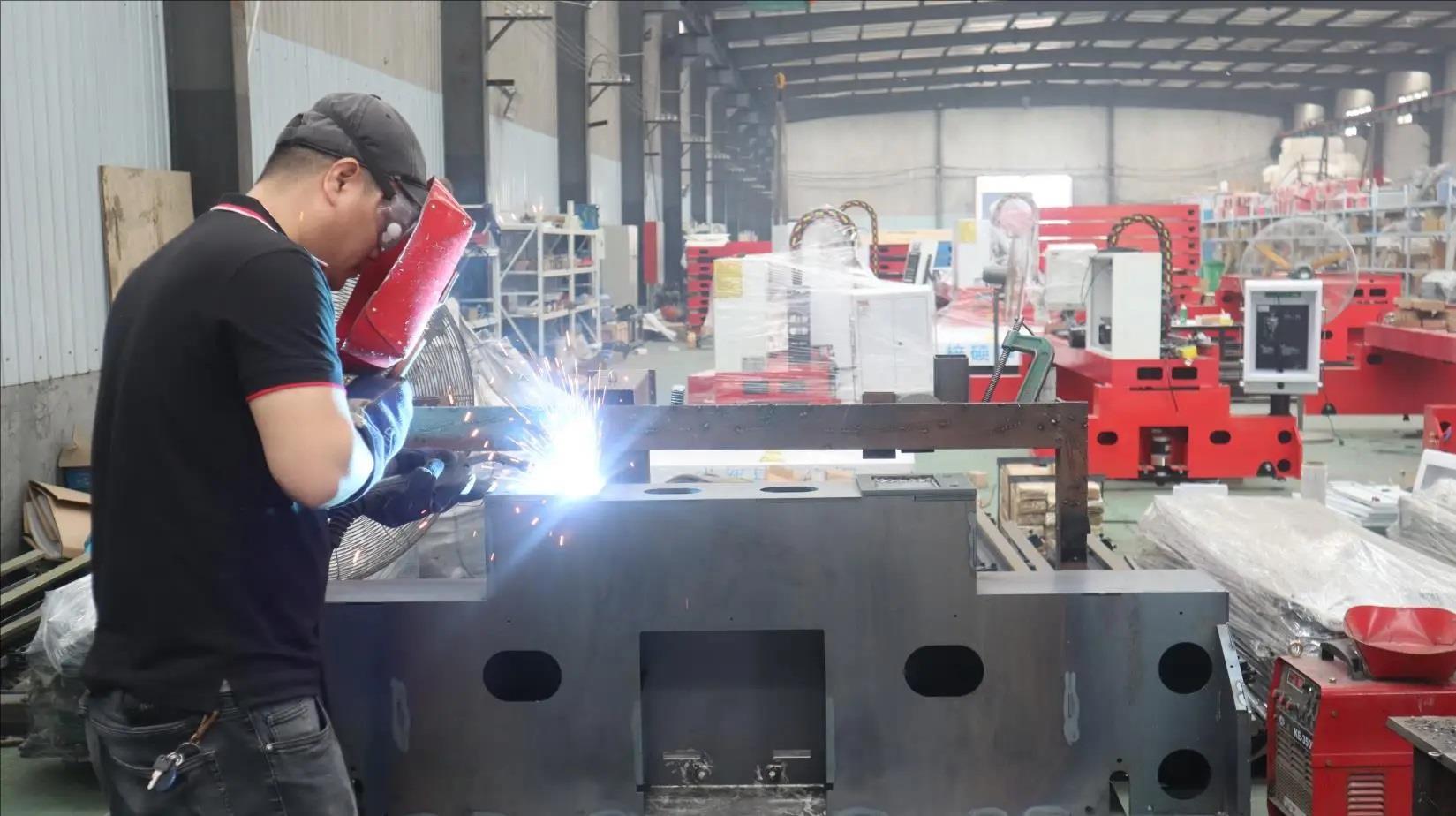
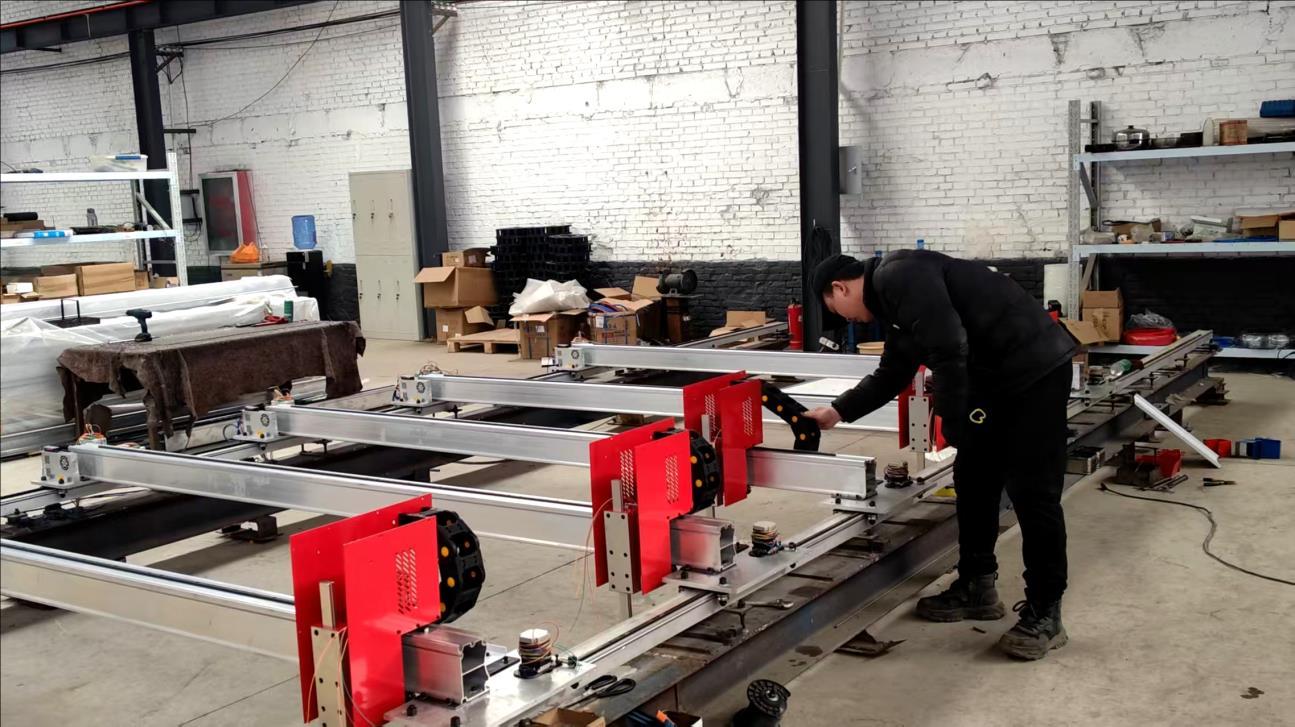
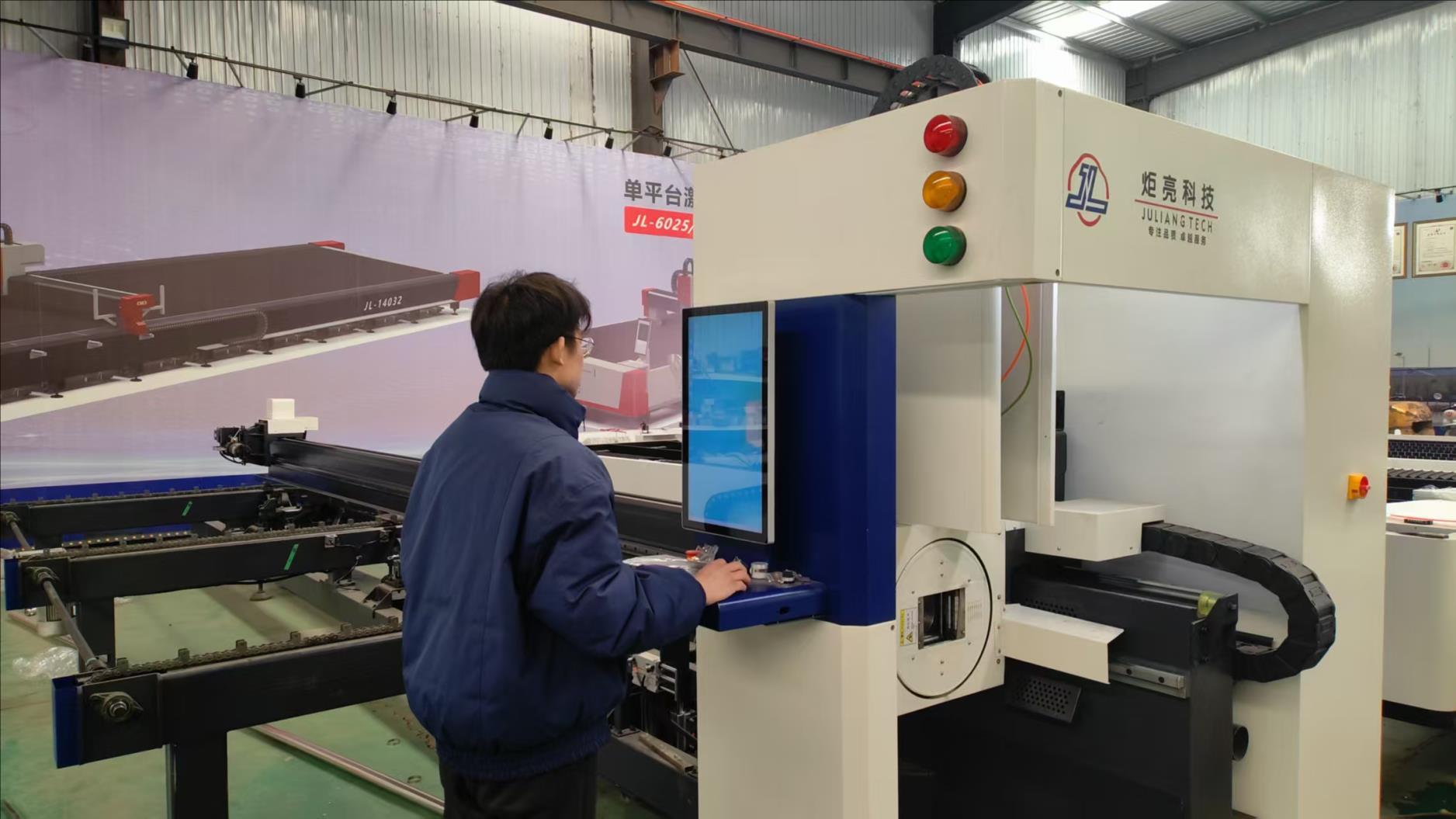
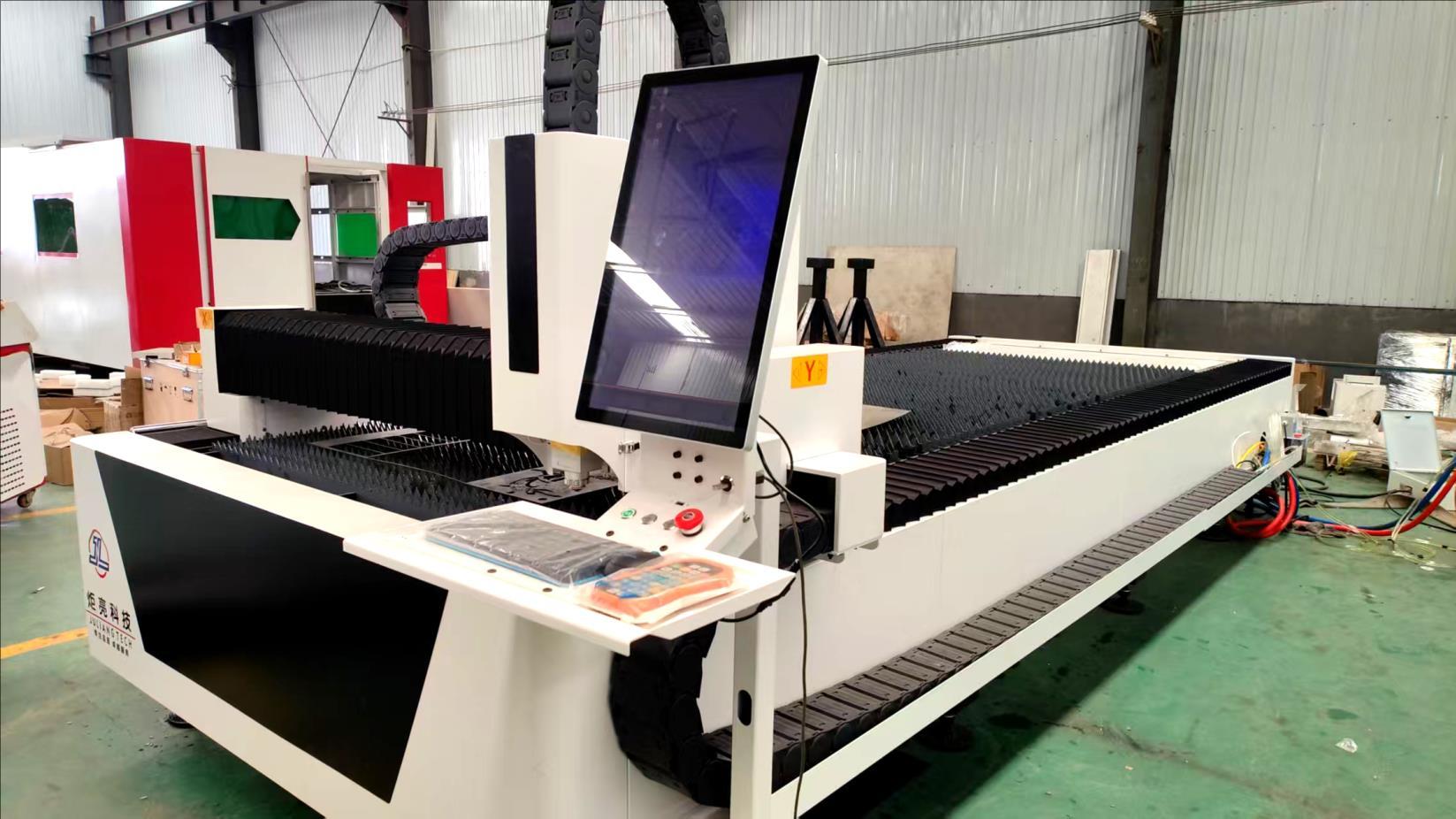
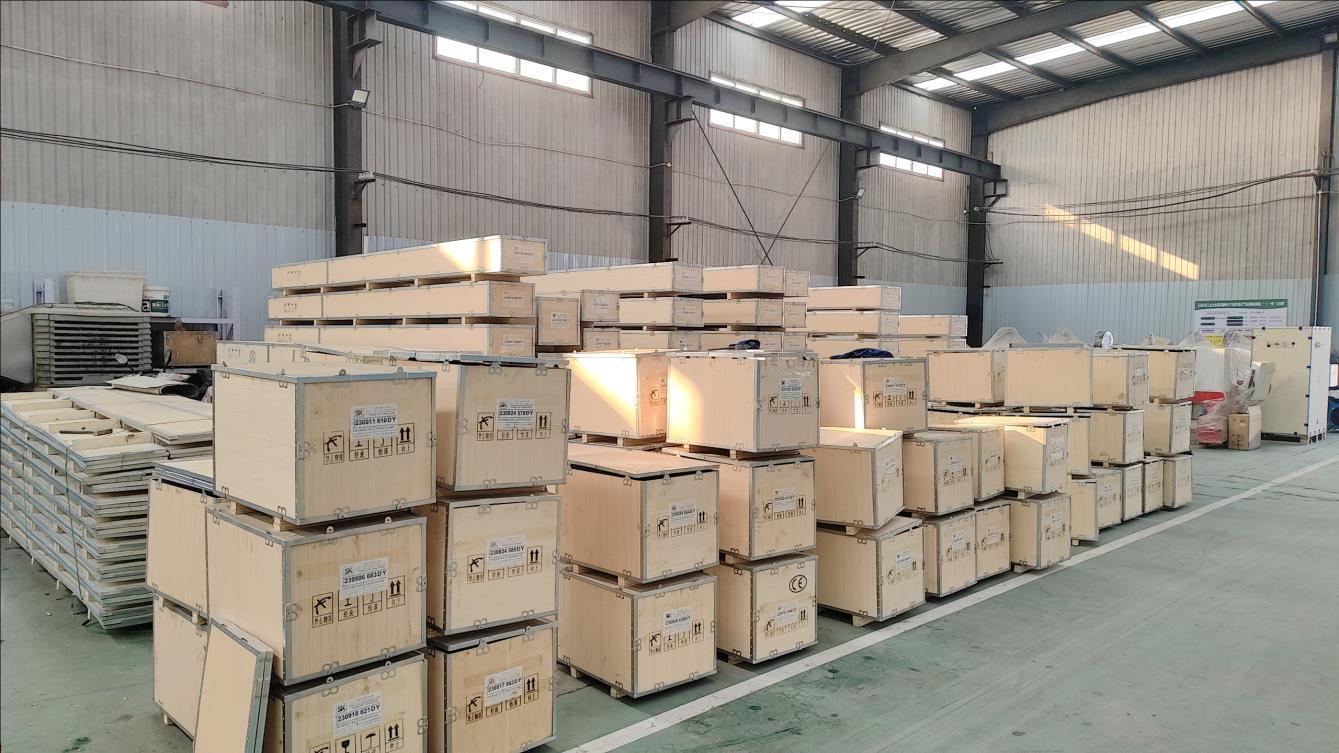
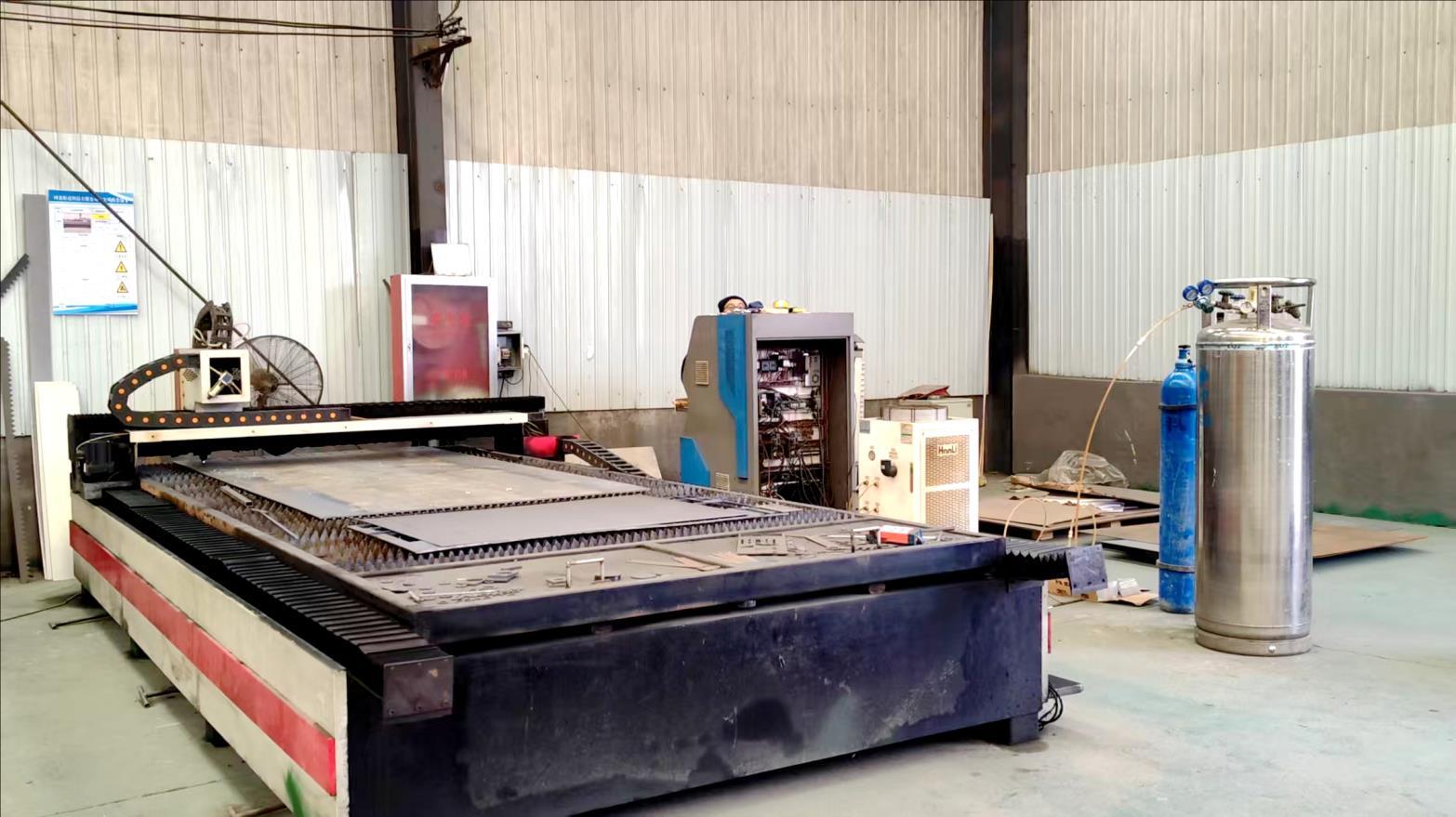
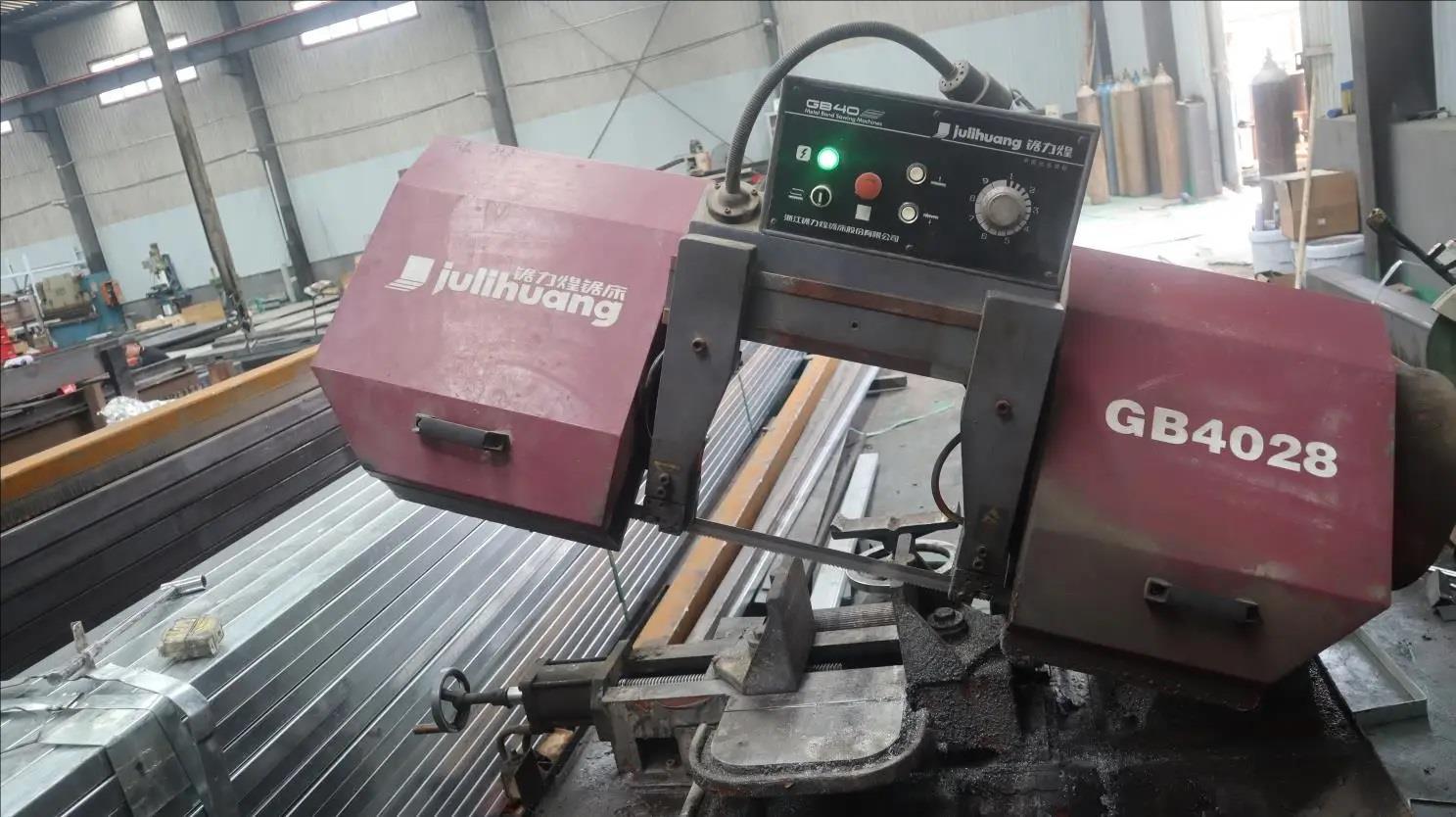
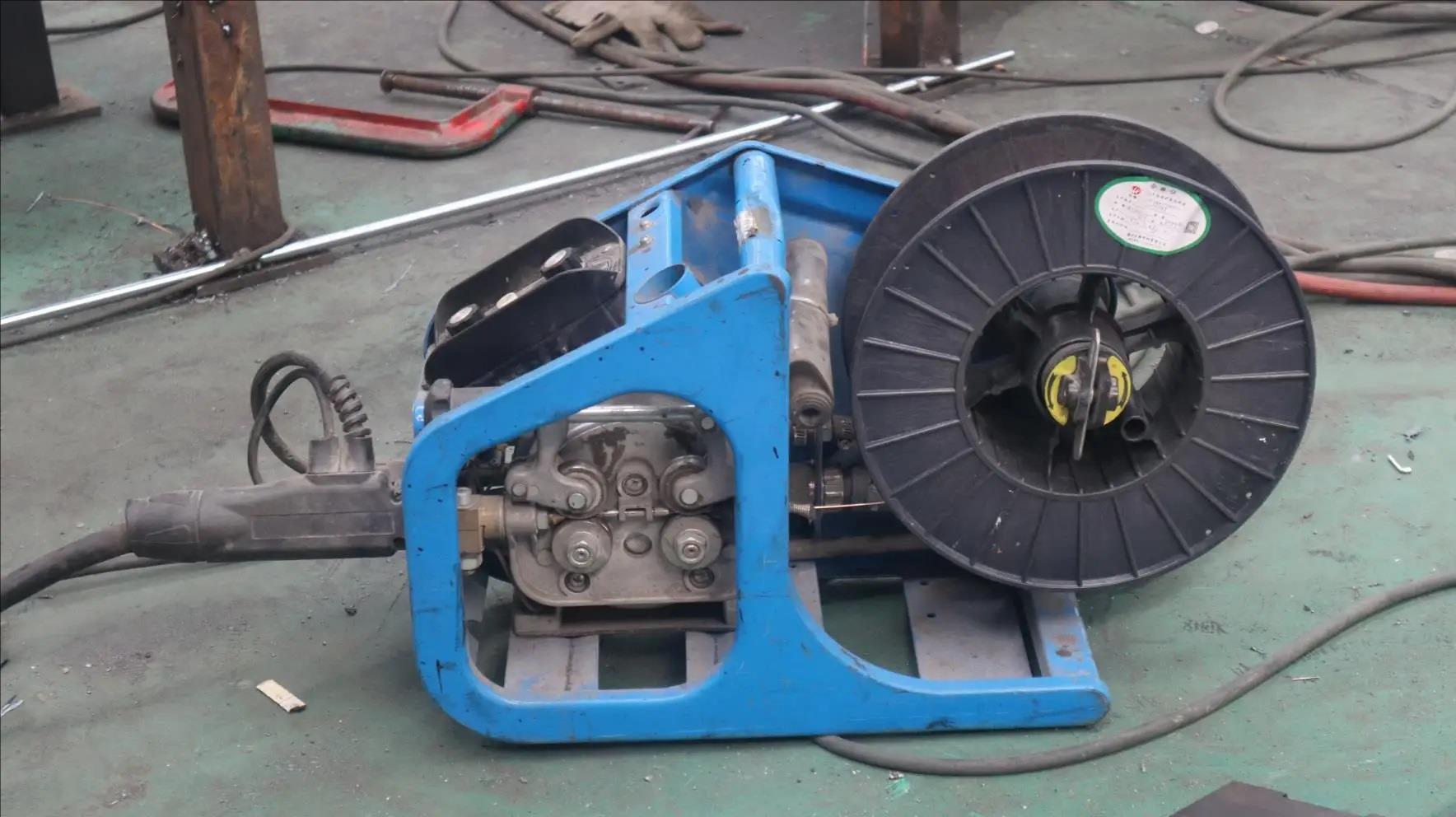
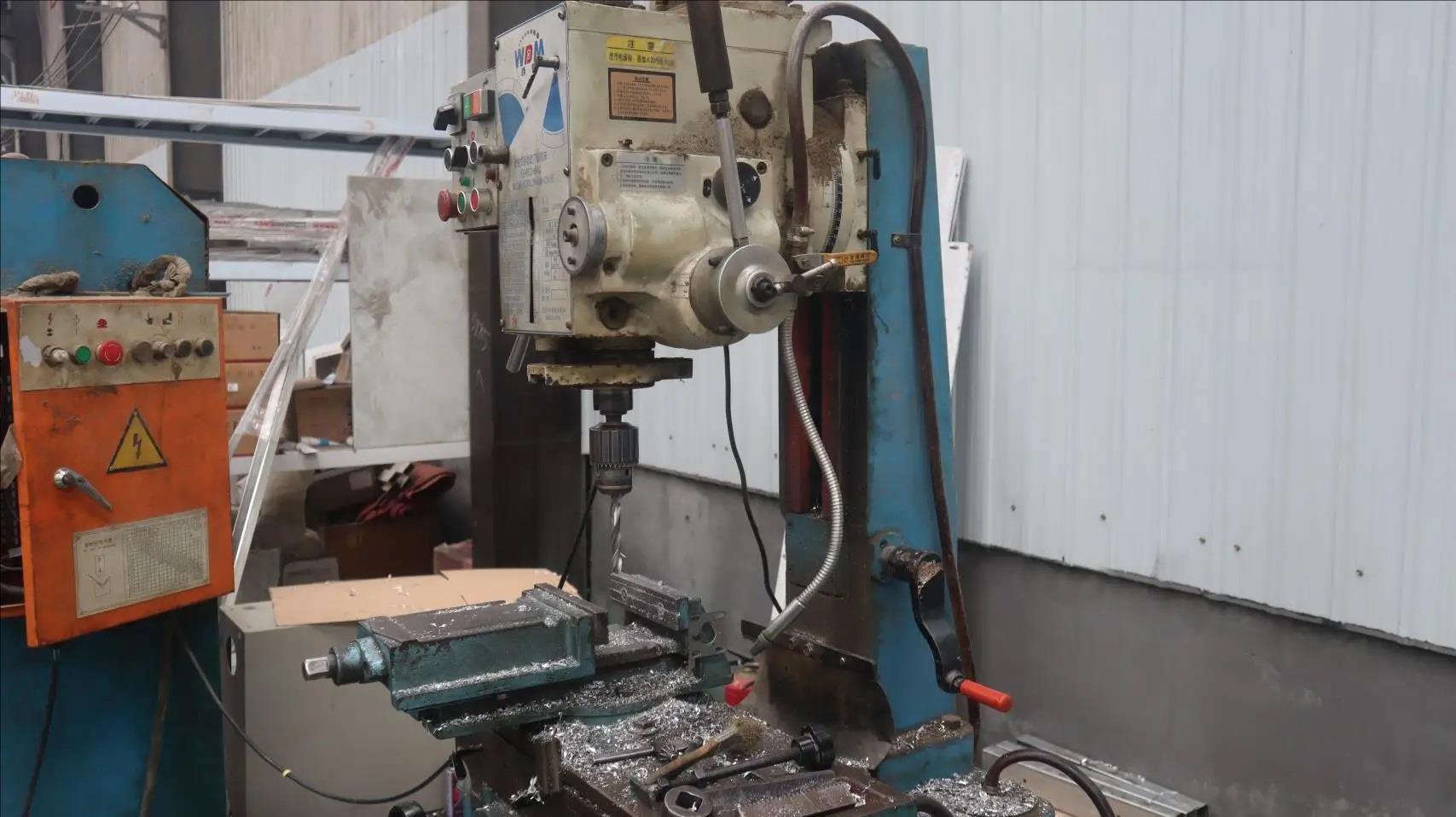
A breakdown of our manufacturing standards, international regulatory compliances, and planned technical developments for the coming years.
Precision manufacturing depends on standardized dimensions and reliable tolerances. Zhejiang DentFix designs and manufactures all indexable tools to match international standards (ISO/ANSI designations). This makes our products drop-in replacements for existing CNC operations. Below is a comparison of standard designations for turning and milling inserts:
| ISO Code | ANSI Equiv. | Insert Geometry | Common Application |
|---|---|---|---|
| CNMG 120408 | CNMG 432 | 80° Rhombic | Heavy-duty turning & roughing of steels |
| WNMG 080408 | WNMG 332 | Trigon (80°) | Medium-roughing turning with multiple edges |
| VNMG 160404 | VNMG 331 | 35° Diamond | Fine profiling and finish turning operations |
| 16ER 1.25 ISO | 16ER 1.25 ISO | Laydown Tri. | Internal/External precision threading |
Exporting to countries with strict quality guidelines requires careful compliance planning. DentFix maintains an active quality management program, ensuring tools meet the standards expected by customers in Europe, Japan, and North America. Every batch of carbide inserts comes with detailed material sheets showing chemical composition and cobalt binder percentages.
We work with regional distributors to provide local technical support. When partners set up high-volume CNC lines, our field service teams help optimize cutting parameters (such as feed rates, cutting speeds, and coolant methods). This support helps minimize machine downtime and lowers costs on the shop floor.
DentFix is focusing its R&D budget on three main areas to meet the future needs of the metalworking industry:
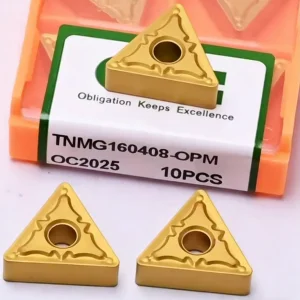
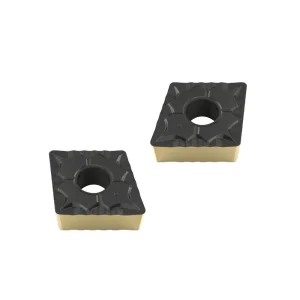
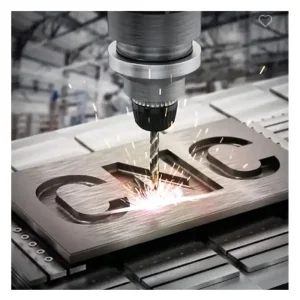
Explore our selection of indexable carbide inserts, tool holders, and band saw systems designed to run continuously in demanding factory environments.
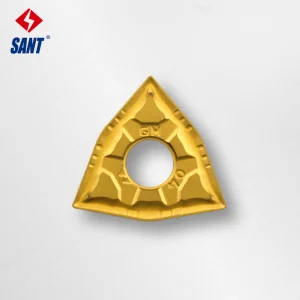
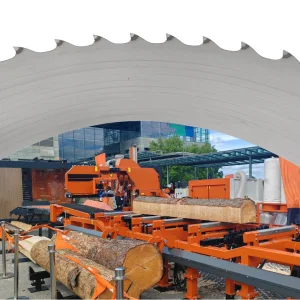
Expert answers to common engineering and procurement questions about indexable carbide tools.
 DentFix Tool