The global industrial cutting tools sector is undergoing a massive transformation driven by the transition toward high-speed machining (HSM), automated manufacturing (Industry 4.0), and the rising adoption of hard-to-machine advanced materials. In modern industrial ecosystems, cutting tools are the "teeth" of manufacturing. The operational efficiency, component precision, and surface finish quality of parts in the automotive, aerospace, heavy machinery, and electronics industries directly depend on the performance of cutting tools.
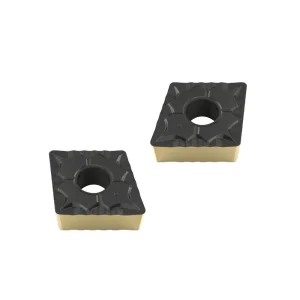
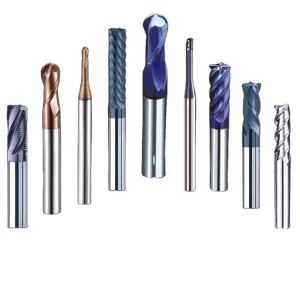
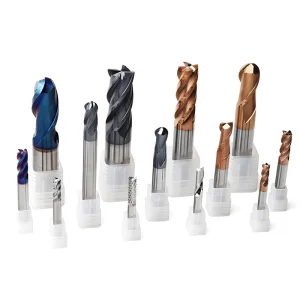
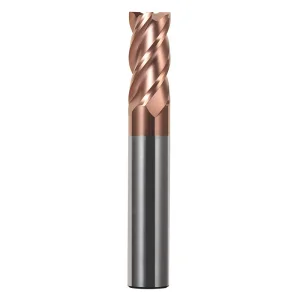
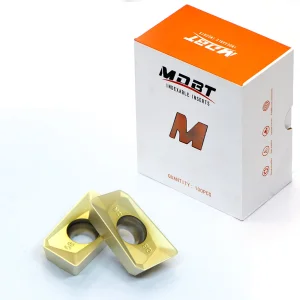
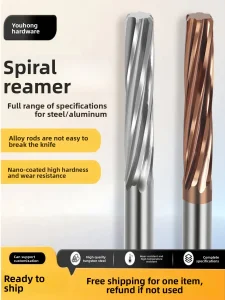
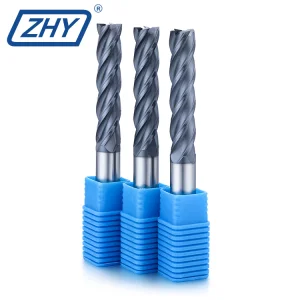
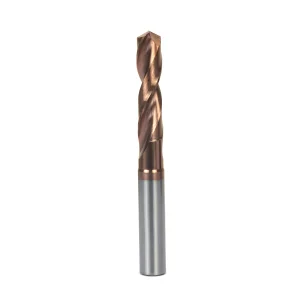
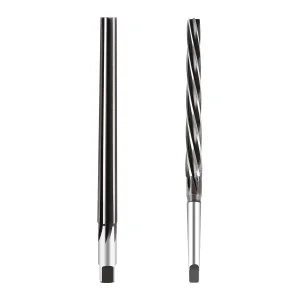
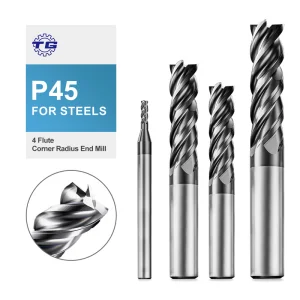
Historically, the market was dominated by High-Speed Steel (HSS). However, the demand for higher manufacturing productivity has shifted the focus towards tungsten carbide, cermets, ceramics, and super-hard materials like Polycrystalline Diamond (PCD) and Cubic Boron Nitride (CBN). Today, solid carbide end mills, indexable turning inserts, and advanced precision reamers are crucial to minimizing tool change times, extending tool life, and maintaining structural tolerances within micrometers.
Requires tooling capable of dry or minimum-quantity-lubrication (MQL) machining on tough superalloys (Titanium, Inconel) without micro-structural damage.
Emphasizes maximum feed rates, cycle time optimization, and high consistency across thousands of cycles for aluminum and cast iron blocks.
Focuses on high-speed finishing tools operating on hardened steels (>HRC55) with extremely fine surface finishes to eliminate manual polishing.
China's industrial cutting tool manufacturing has undergone a significant paradigm shift. Moving far beyond the historic stereotype of low-cost, low-tolerance commodities, Chinese factories have scaled the value chain. By investing heavily in international CNC grinding centers (such as ANCA, Walter, and Rollomatic) and high-end coating systems (like CemeCon and Balzers), leading Chinese manufacturers now deliver tooling systems that match the quality of German, Swiss, and Japanese benchmarks at a highly optimized total cost of ownership (TCO).
This rapid quality improvement is backed by a robust local supply chain. China controls a large share of the world's primary tungsten reserves and refining capacity. This vertical integration allows manufacturers to select the finest sub-micron and nano-grain carbide substrates directly from the source, maintaining strict quality control and insulation from raw material price fluctuations.
Zhejiang DentFix Tool Co., Ltd. is a professional manufacturer specializing in the research, development, production, and global distribution of precision CNC cutting tools and carbide solutions. Since its establishment, the company has been committed to providing high-performance tooling products for the metalworking industry, serving customers across automotive, aerospace, mold & die, general engineering, energy, and precision manufacturing sectors.
Driven by continuous innovation and customer-focused development, DentFix has grown into a modern manufacturing enterprise that integrates R&D, intelligent production, quality control, sales, and technical support. The company has built a strong reputation for delivering reliable products, consistent quality, and professional services to customers in both domestic and international markets.
DentFix has established a comprehensive manufacturing system supported by experienced engineers, skilled production personnel, and a professional sales and technical service team. Our engineering department focuses on the development of innovative cutting tool solutions that meet the evolving requirements of modern CNC machining.
Our manufacturing facility is equipped with advanced CNC grinding machines, high-precision inspection equipment, automated production systems, and modern quality testing laboratories. Every product undergoes rigorous inspection throughout the manufacturing process to ensure exceptional dimensional accuracy, durability, and stable machining performance.
Innovation remains at the core of our business. DentFix continuously invests in new materials, coating technologies, and precision manufacturing processes to develop cutting tools with higher wear resistance, improved machining efficiency, and longer service life.
Guided by the principles of Quality First, Innovation, Reliability, and Customer Satisfaction, Zhejiang DentFix Tool Co., Ltd. is committed to building long-term partnerships with customers worldwide. We look forward to providing professional tooling solutions that help manufacturers improve productivity, reduce production costs, and achieve sustainable growth.
At DentFix, our manufacturing process operates within an ISO 9001-certified framework, ensuring consistency from raw material testing to the final logistics phase. We use state-of-the-art machinery to guarantee quality at every stage.
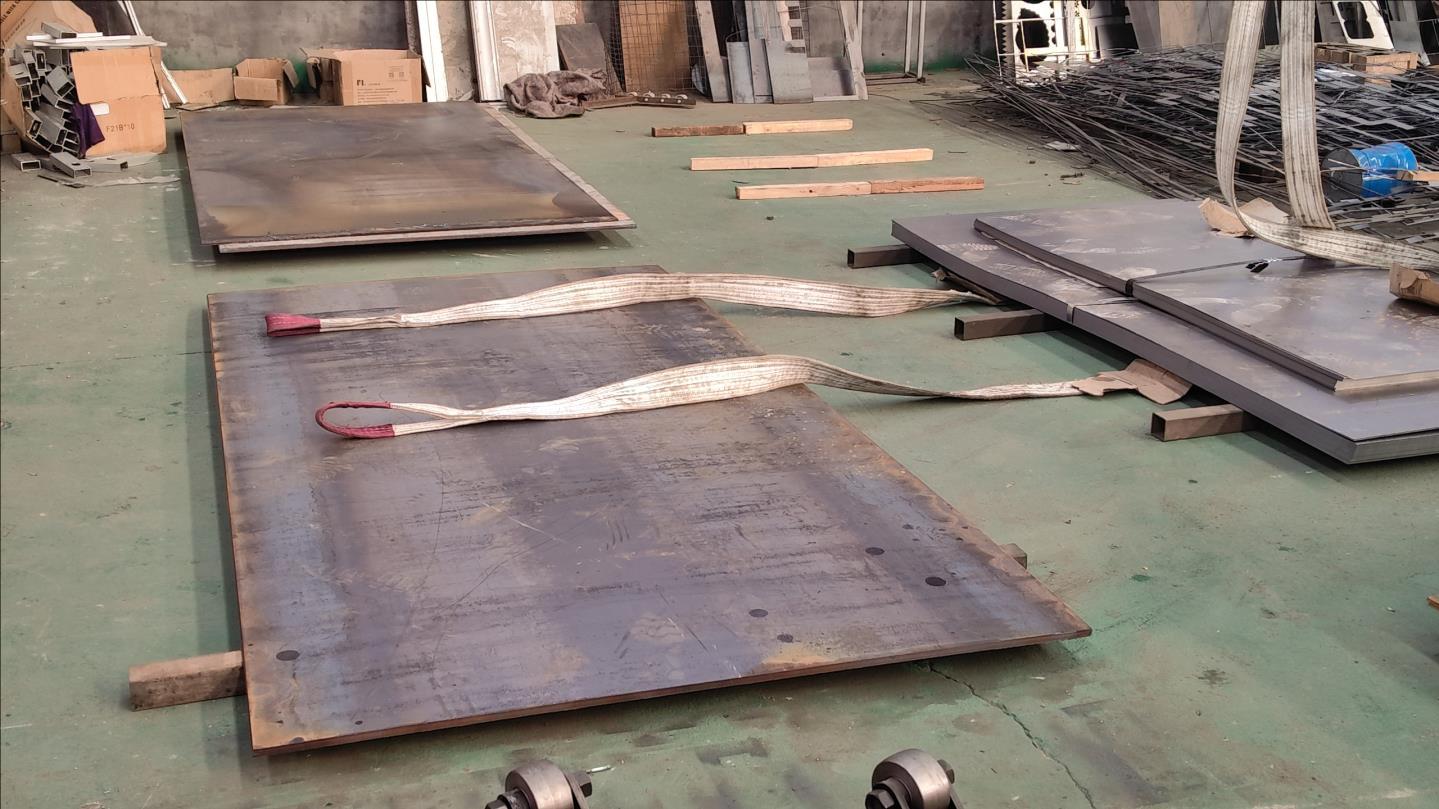
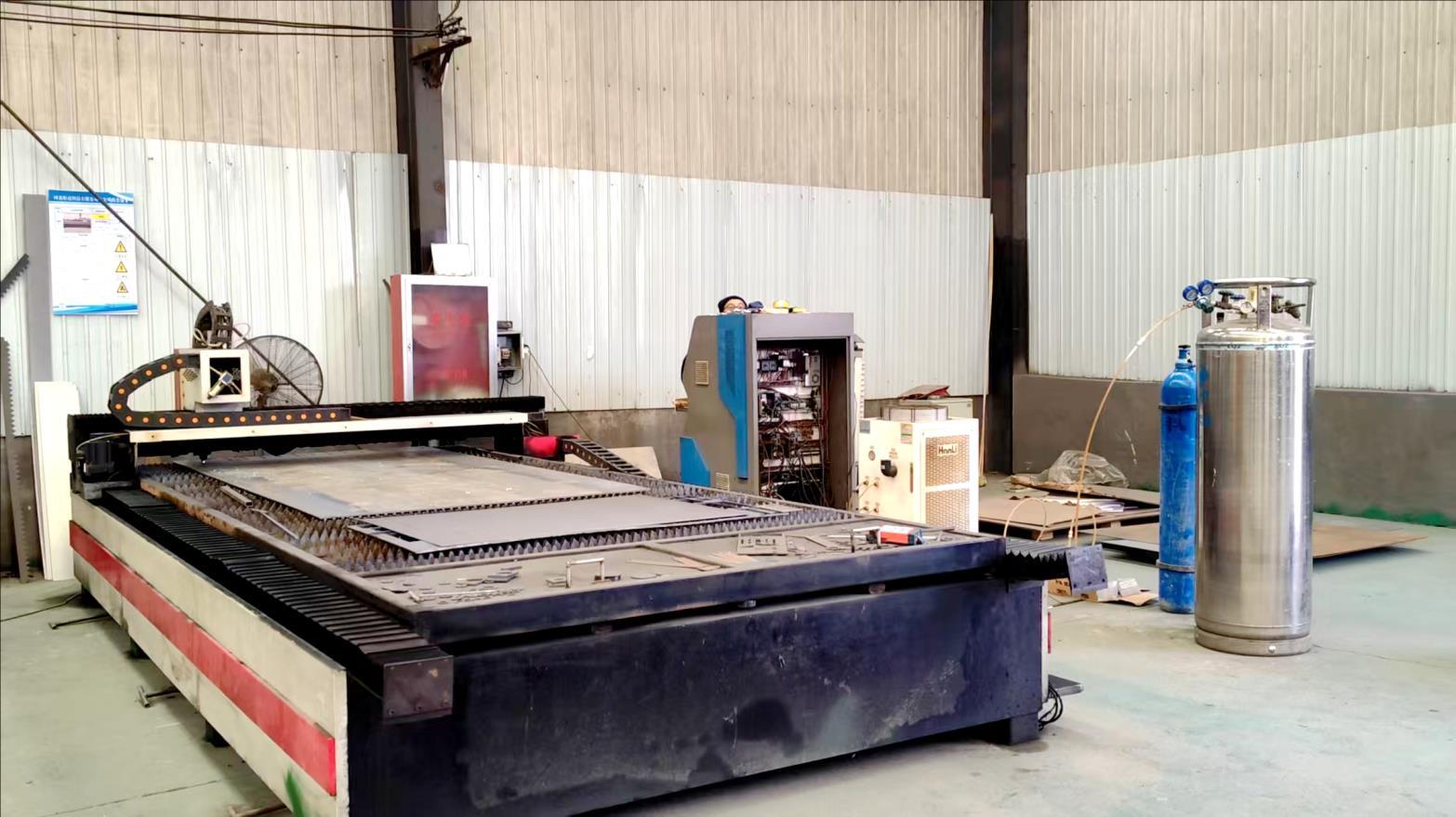
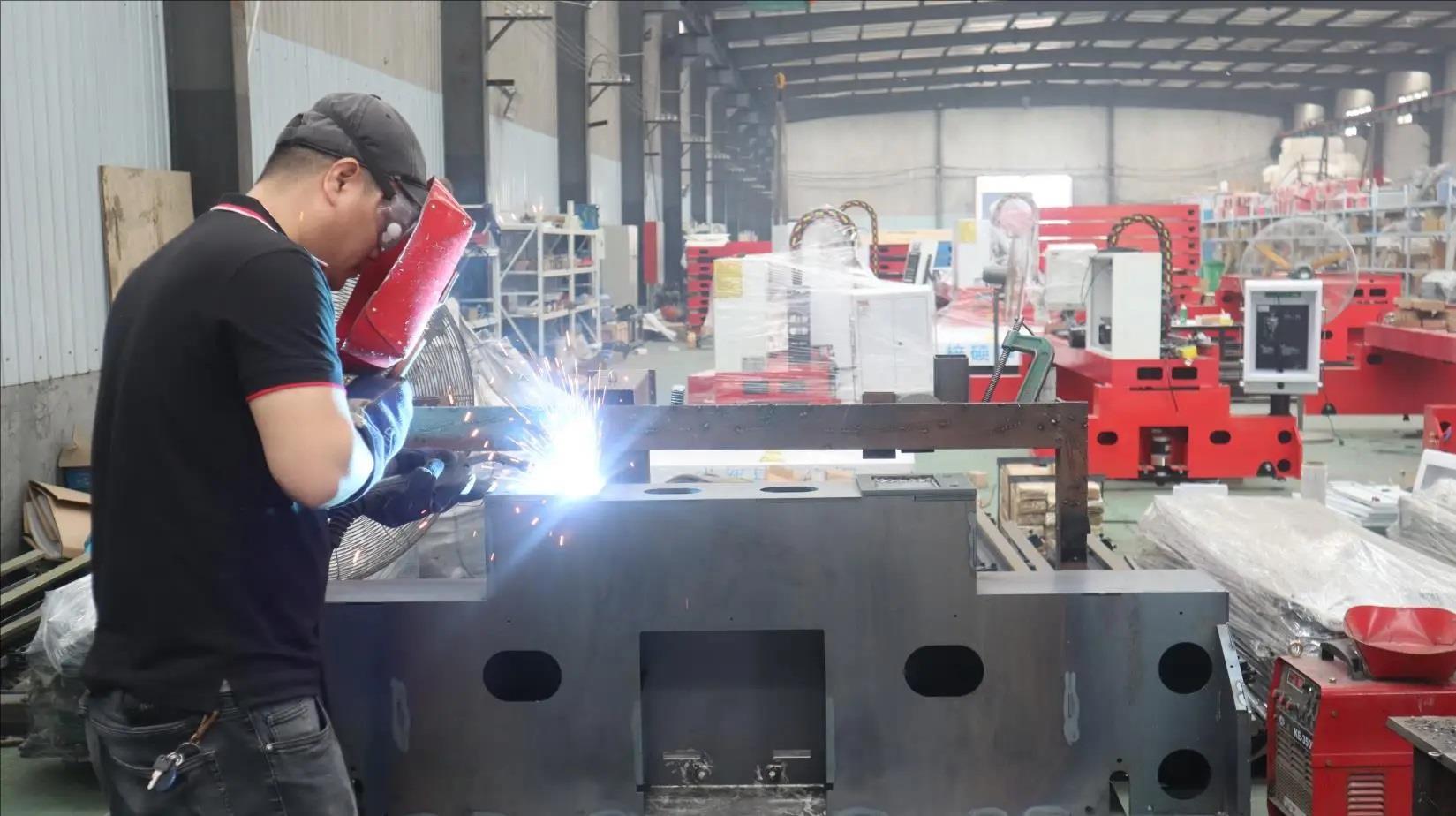
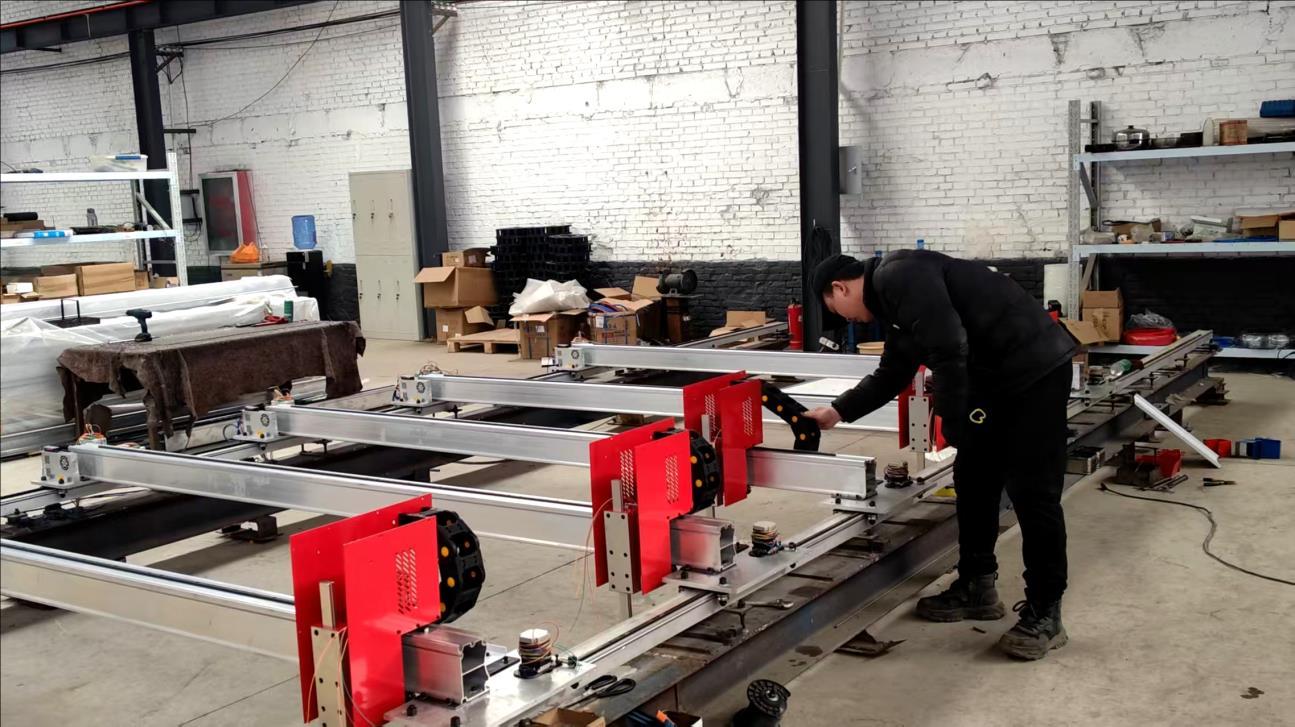
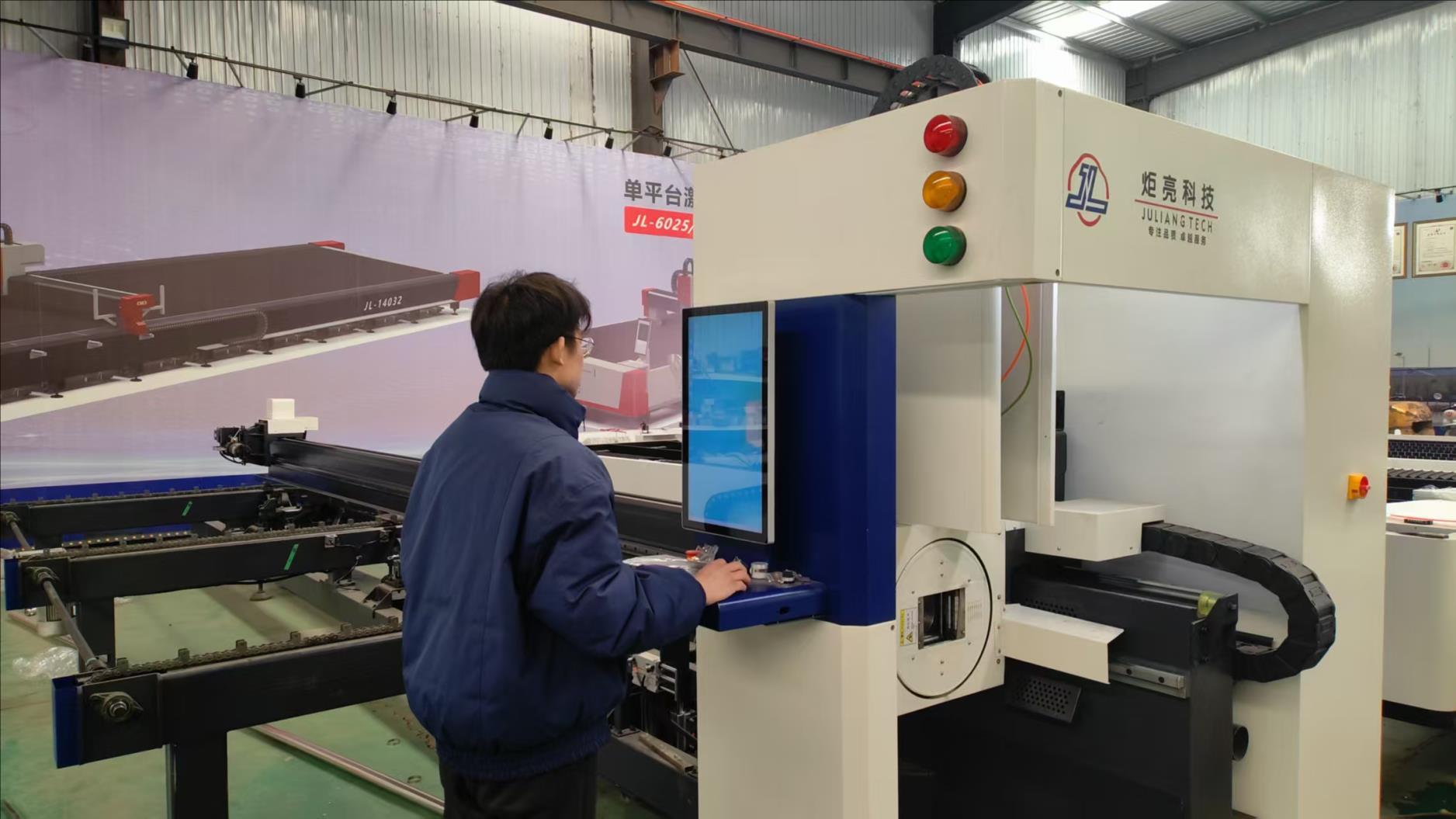
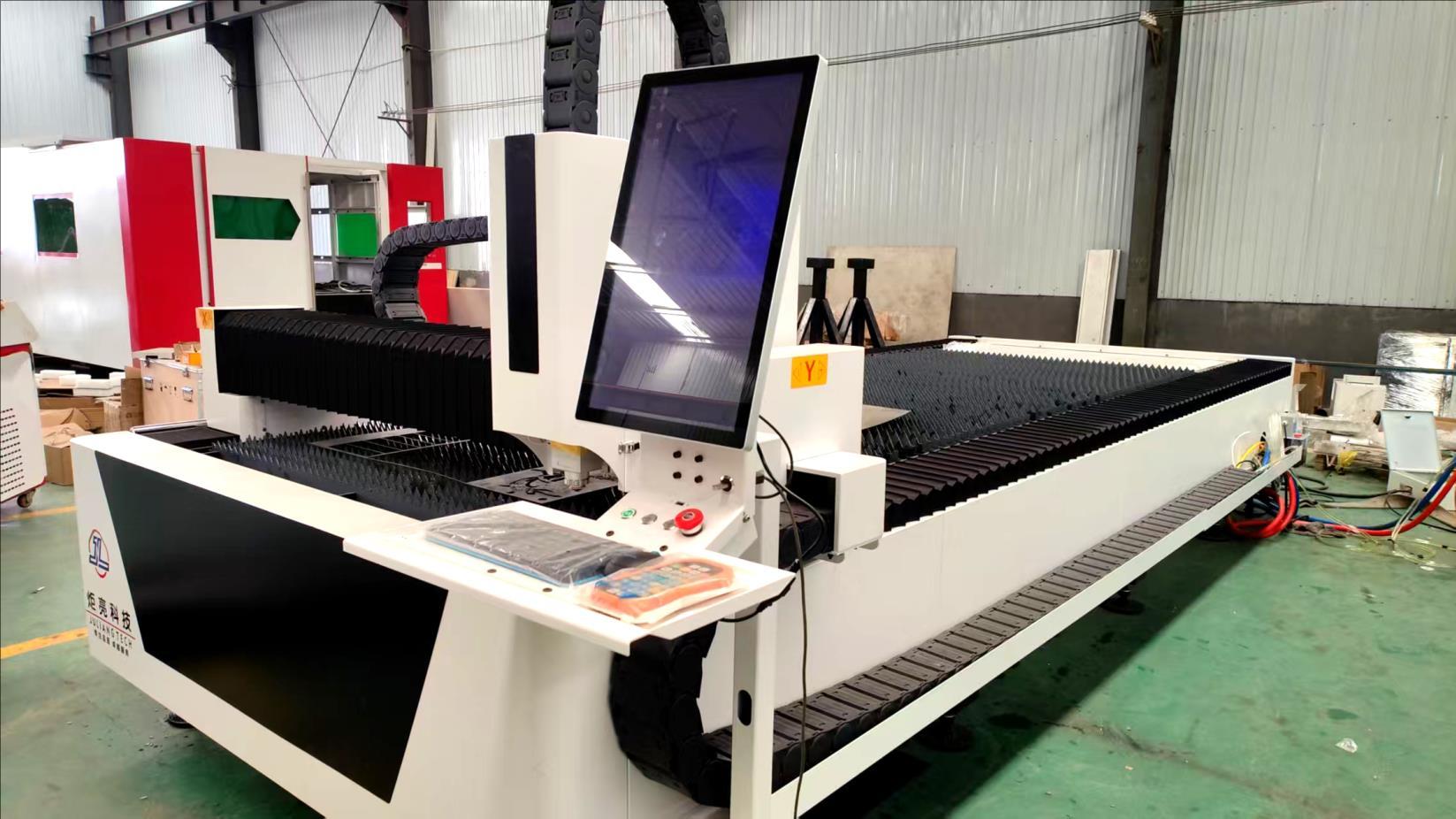
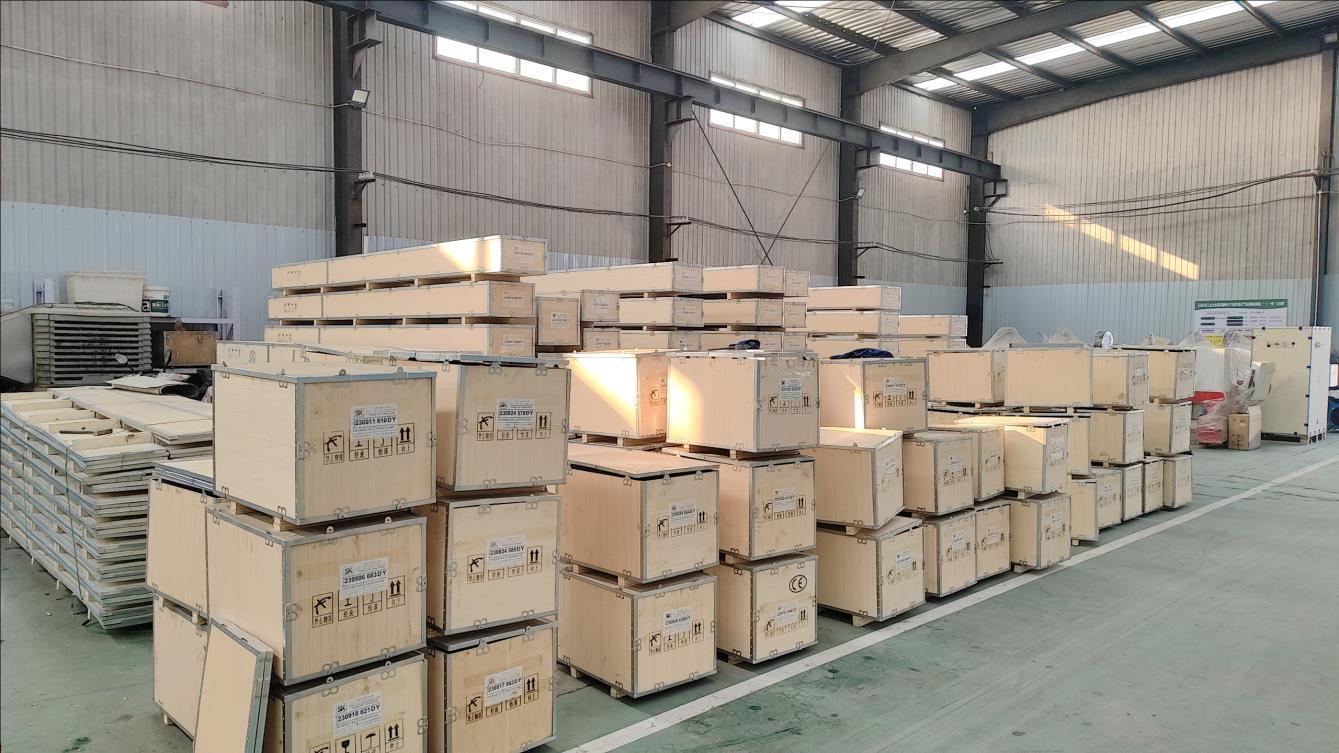
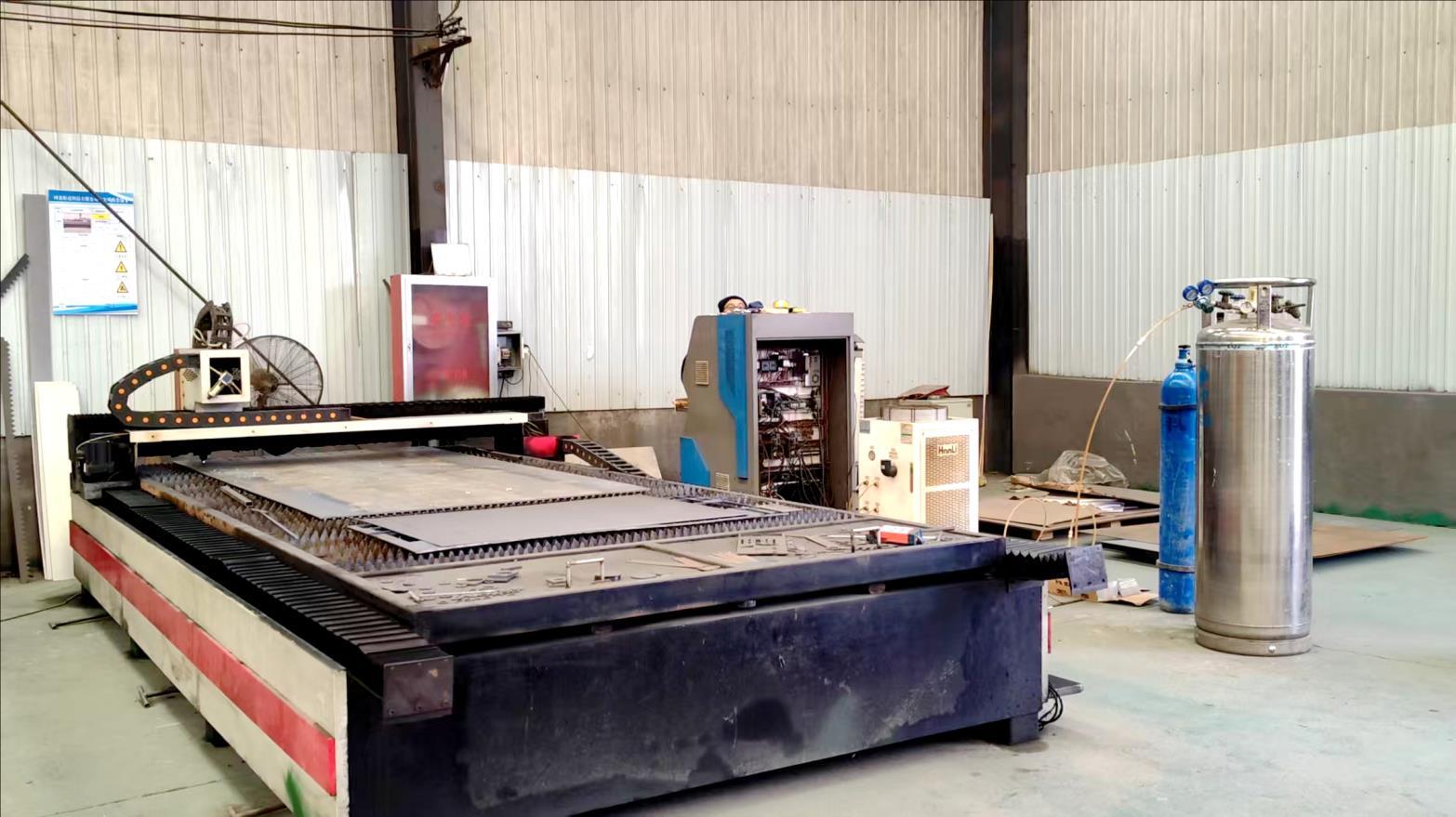
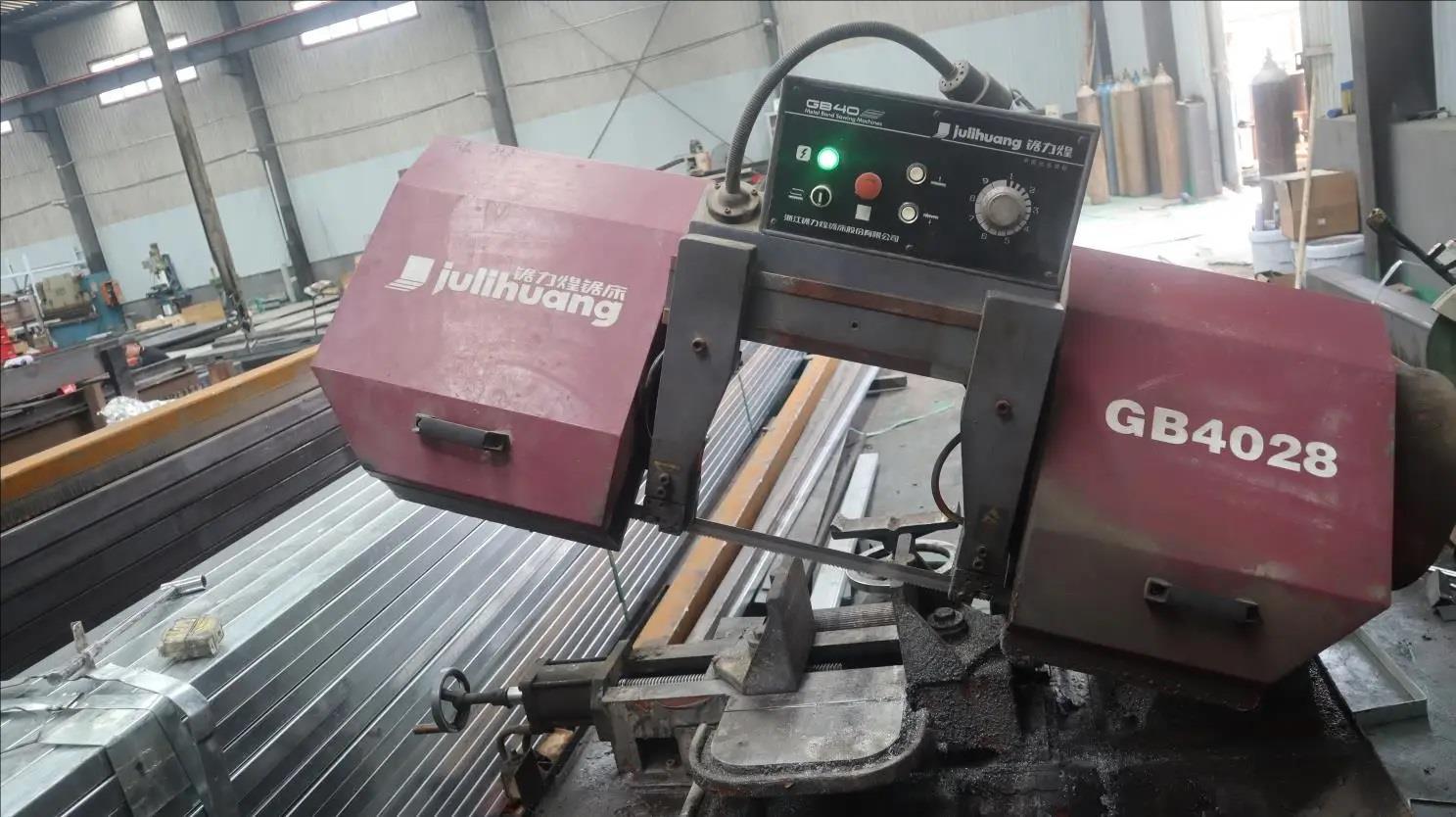
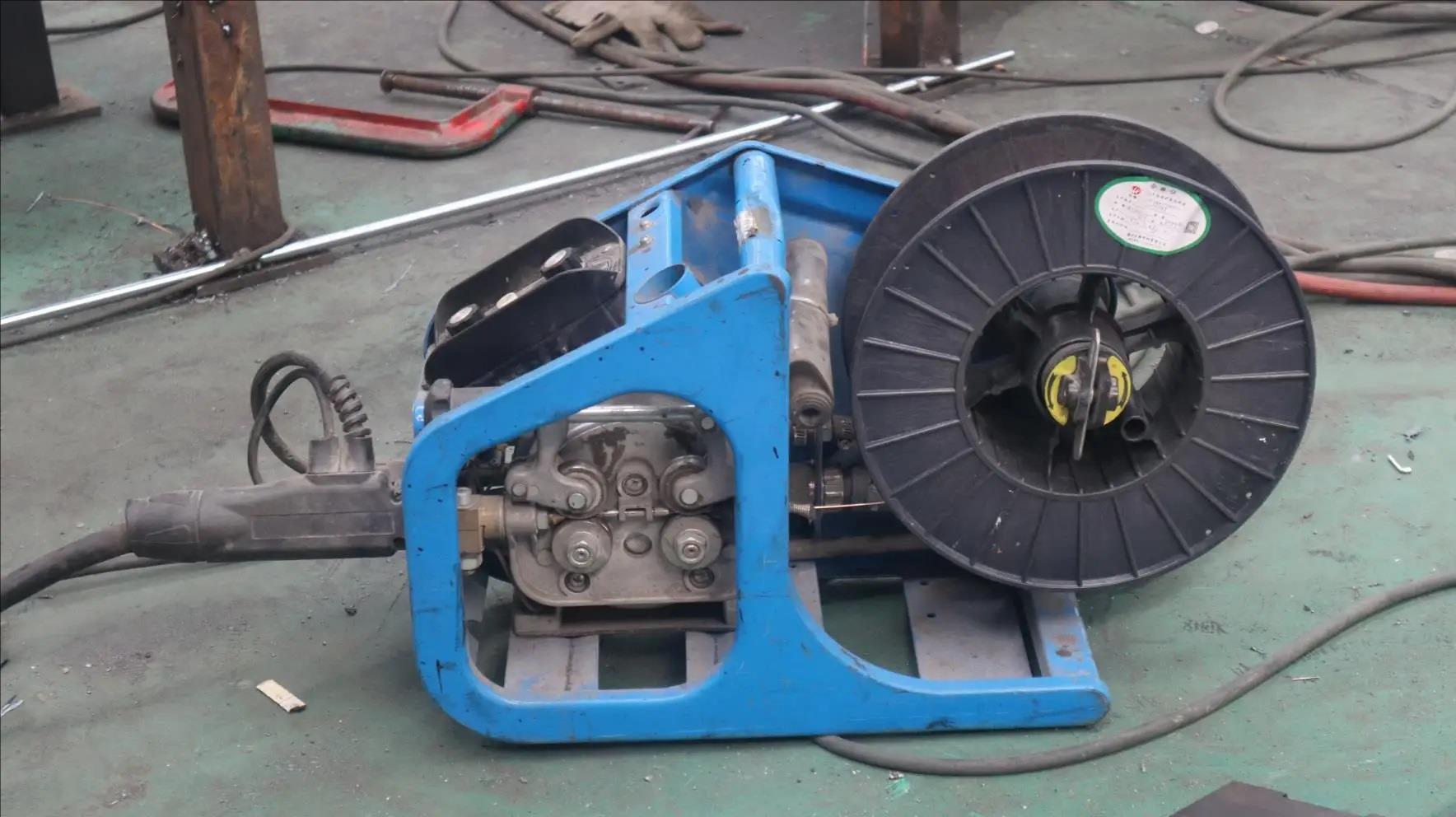
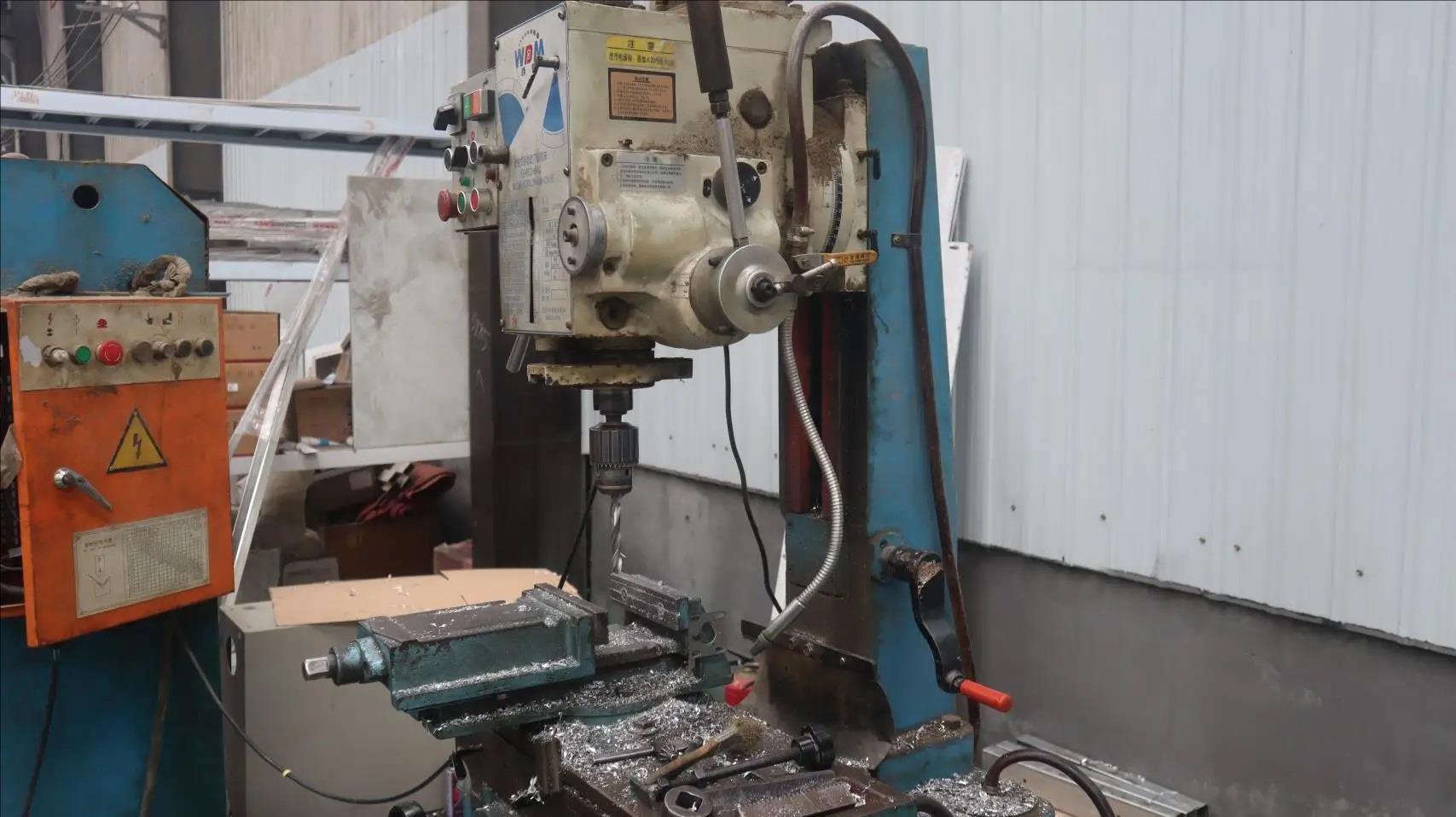
To achieve optimal tool life and cycle times, tooling geometry must be tailored to specific applications. DentFix designs custom tooling variations to match target materials and operational parameters:
Applying ultra-thin, highly hard coatings such as AlCrSiN or B-nano provides thermal protection at the cutting edge. This allows dry milling at high speeds while preventing thermal cracking during intermittent cuts.
Using single, double, or triple-flute configurations with highly polished flutes prevents chip build-up (BUE). This design allows rapid chip evacuation at spindle speeds exceeding 15,000 RPM.
Variable helix angles and unequal index pitches reduce harmonics and vibration. This extends tool life and improves surface finishes on workpieces prone to work-hardening.
The transition to smart factories and sustainable manufacturing is shaping the future of cutting tool development. Key technology trends include:
For B2B procurement managers and manufacturing engineers, choosing the right cutting tool supplier is a strategic decision. Evaluating suppliers involves looking at key performance metrics:
Automated production lines require consistent tool performance. If tool life varies by more than 10% between batches, it can disrupt scheduled tool changes and cause unexpected downtime. Modern factories rely on close-tolerance grinding and automated inspection to maintain tool consistency.
Suppliers must provide certified chemical compositions of the tungsten carbide substrates, including cobalt percentage and grain size distributions. Transparent sourcing helps ensure that tools can handle high mechanical stresses without premature failure.
Industrial buyers need more than just a product catalog. They require technical support to help optimize cutting parameters (such as feed per tooth, radial/axial depth of cut, and surface speed) for challenging workpieces and setups.
 DentFix Tool