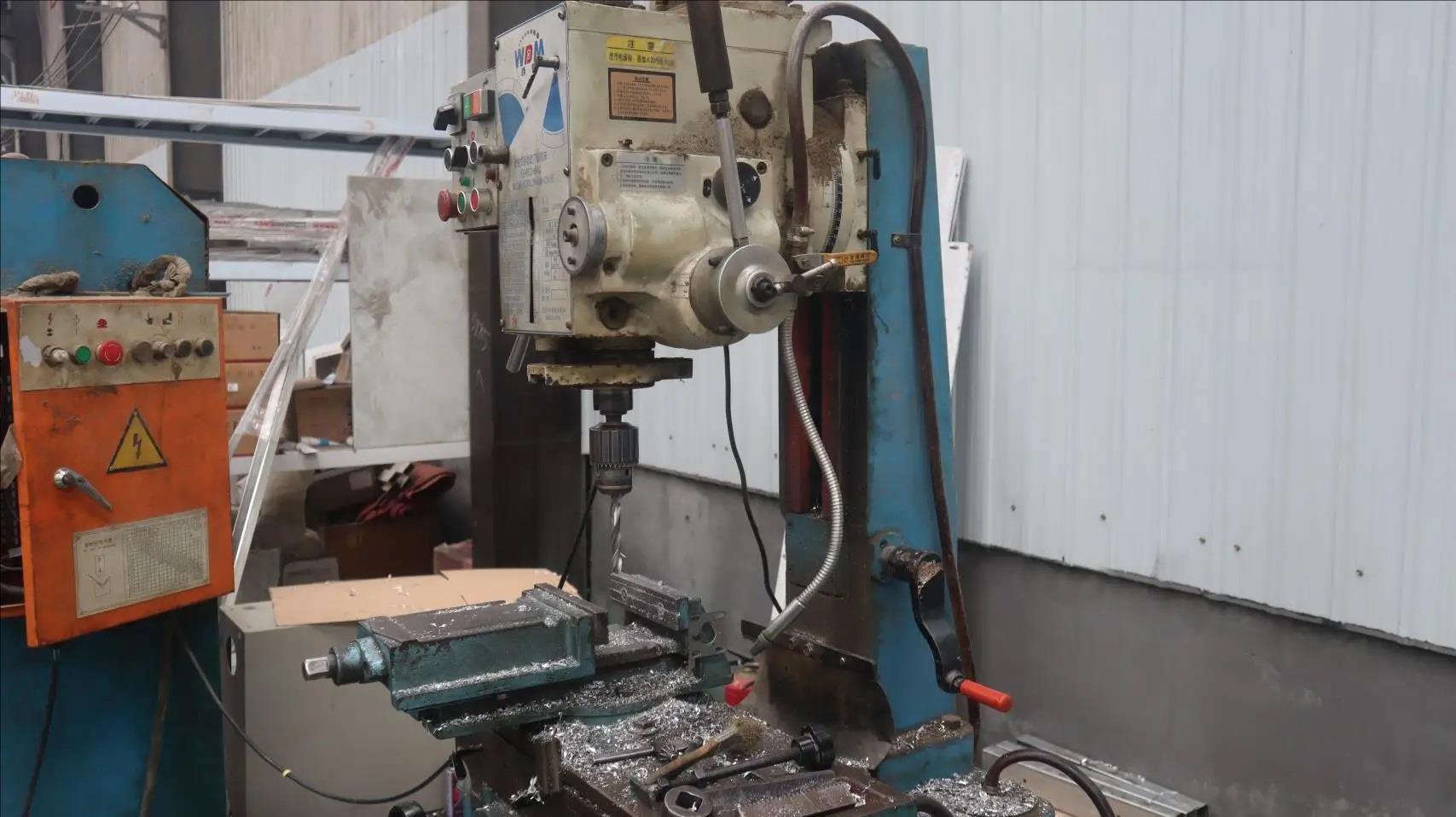
Engineered to maximize surface finish quality and extend tool life, our core range meets the stringent demands of aerospace, automotive, and high-speed milling centers.

Advanced high-precision ER series collet chucks optimized for demanding milling profiles. Designed to fit standard spindle interfaces with minimal deflection.
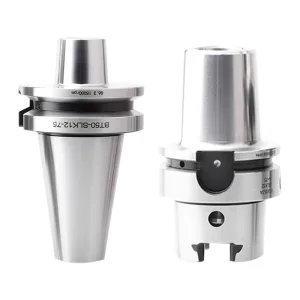
Optimized for high-speed rotational broaching on automated CNC lathes and multi-axis machining centers. Minimizes runout and load on the spindle.

Rigid design adhering to DIN specifications. Equipped with compensation parameters to secure taps during heavy thread-cutting cycles in tough alloys.
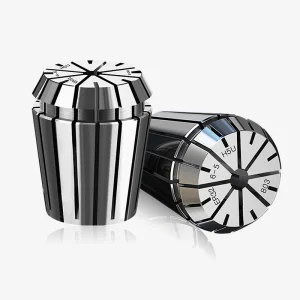
Ultra-precise micro-milling collet holders, ideal for high-speed small-diameter engraving, medical part fabrication, and electronics assembly operations.
Greater London and its surrounding technology sectors—from the research facilities in Berkshire and Surrey to the advanced manufacturing clusters along the M4 corridor—require precision tooling that can meet strict tolerances. As industrial enterprises migrate toward high-value manufacturing (HVM), including aerospace sub-assemblies, surgical instruments, and specialized defense prototypes, the tolerance thresholds for machining have tightened significantly.
Machining operations in the UK face strict energy consumption standards and high material costs (such as titanium, carbon-fiber reinforced plastics, and aerospace-grade aluminum alloys). Any tooling setup variation can lead to scrap components and accelerated wear on the machine's spindle. Sub-micron precision tool holders and dynamic collet systems are essential to maintain process reliability and avoid unscheduled machine downtime.
DentFix supports the engineering community in London by delivering high-grade tool holders that reduce total indicated runout (TIR) to less than 3 microns, ensuring optimal load distribution across the tool cutting edges during high-feed milling operations.
*Performance data gathered from simulated high-velocity milling processes on Titanium Ti-6Al-4V under continuous cooling.
Understanding the micro-mechanics of tool-spindle interfaces is crucial for achieving stable, repeatable, and high-efficiency machining operations.
Our tool holders feature an AT3 class taper contact ratio (exceeding 85% surface engagement) verified on computerized air-gauging stations. This minimizes micro-movements inside the spindle taper during heavy radial cuts, protecting the machine tool's internal spindle bearings from fatigue.
Every batch of raw 20CrMnTi tool holder steel undergoes secondary heat treatment and sub-zero cryogenic conditioning. This process transforms residual austenite into stable martensite, preventing dimensional variations and distortion over years of thermal cycling.
High-speed machining (HSM) requires balanced assemblies. Our tool holders are dynamically balanced to G2.5 specification at up to 25,000 RPM using balancing systems. This minimizes centrifugal forces, prevents spindle vibration, and ensures smooth surface finishes.
In rotary cutting processes, eccentricity (runout) distributes unequal chip loads onto individual cutter flutes. A tool holder with 10 microns of runout can reduce solid carbide end mill life by up to 50%. The unequal load distribution leads to micro-chipping along the cutting edges, causing premature tool failure. By keeping runout under 3 microns at a length of 3 times the diameter (3xD), DentFix tool holders help distribute radial cutting loads evenly across all flutes, leading to longer tool life and more predictable tool-wear cycles.
Additionally, the integration of balanced collet clamping nuts reduces aerodynamic noise and vibration at high spindle velocities, helping machine shops meet health and safety standards while enhancing surface finish quality.
Combining automated production lines with strict quality assurance systems, Zhejiang DentFix Tool Co., Ltd. supplies high-precision tooling systems worldwide.
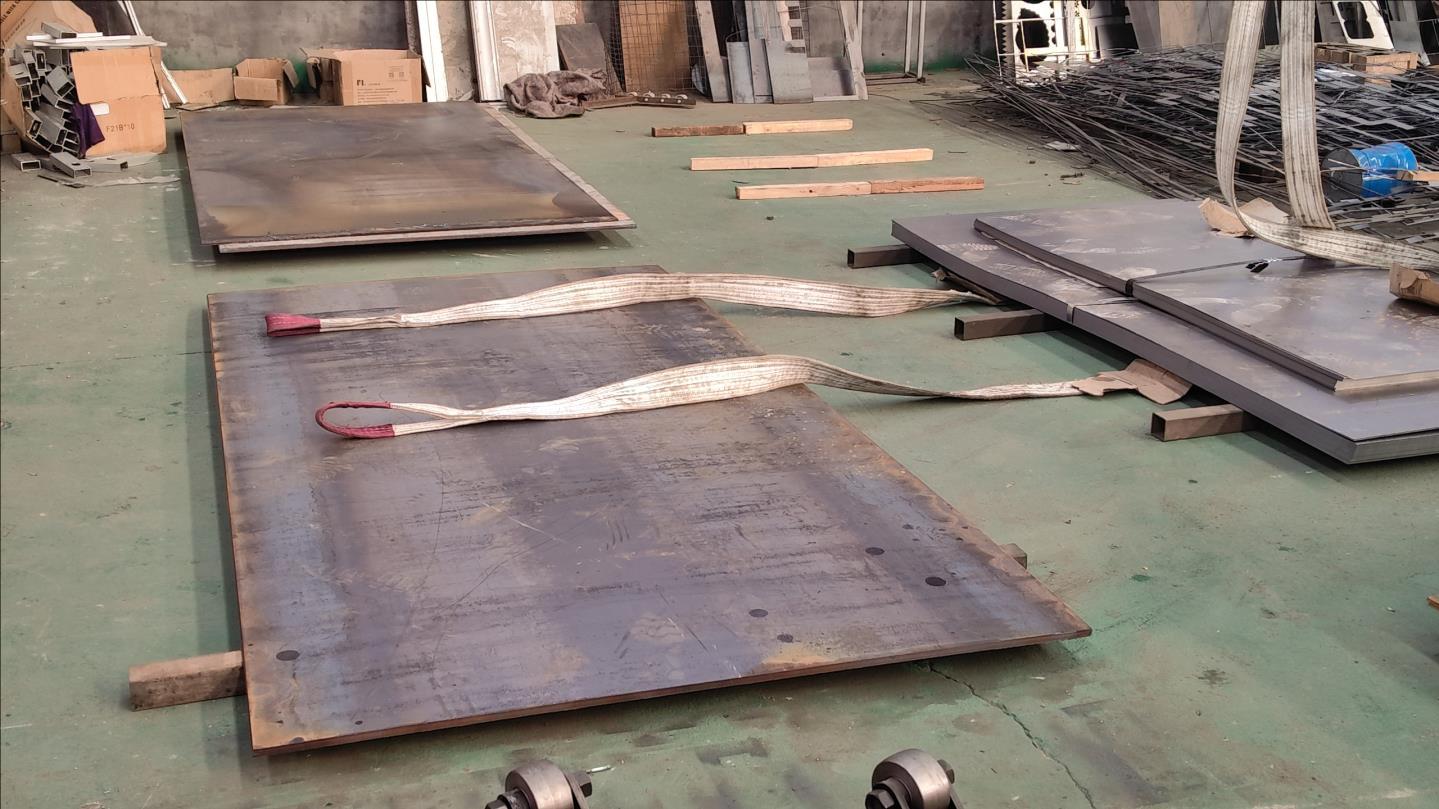
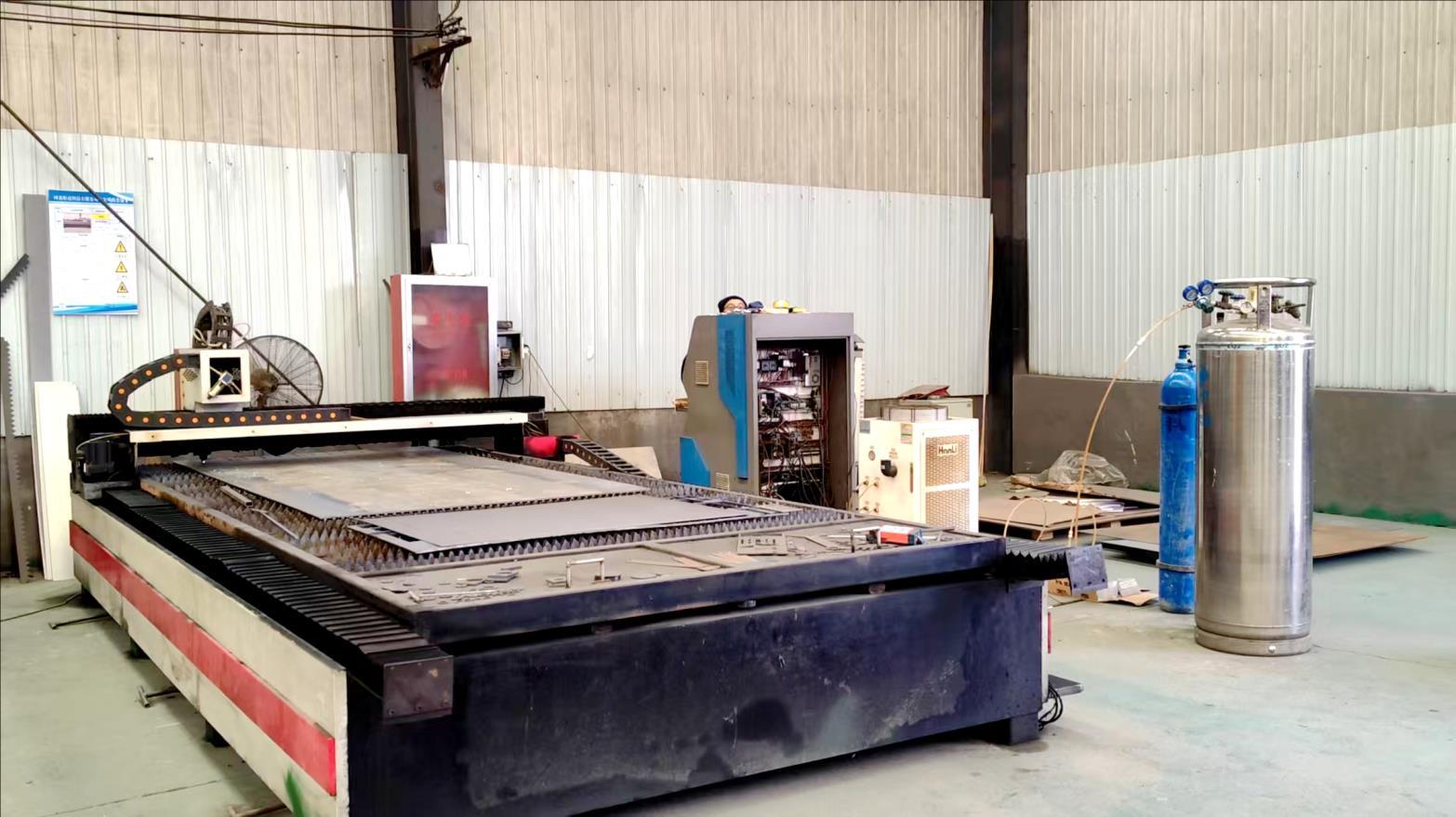
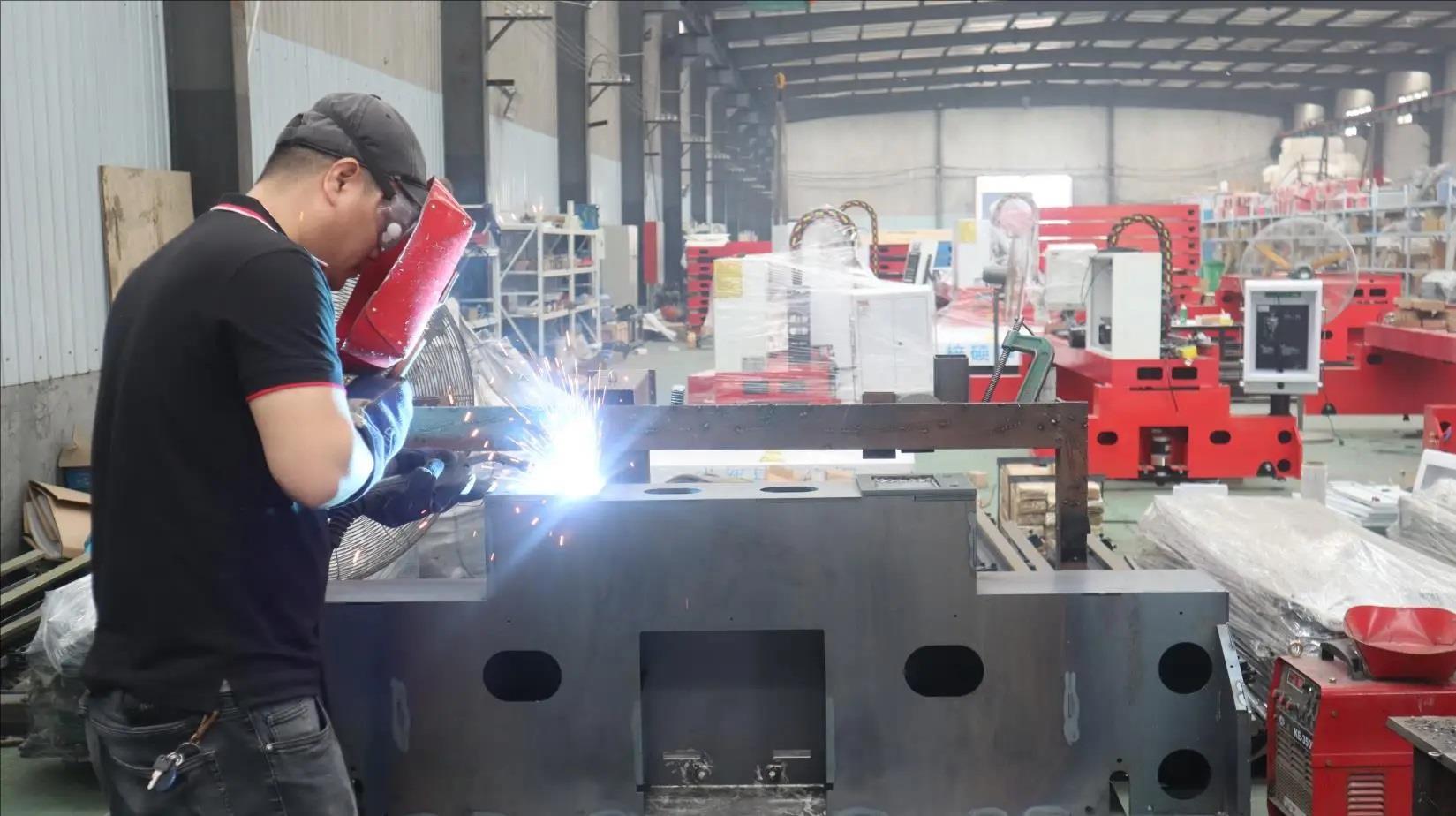
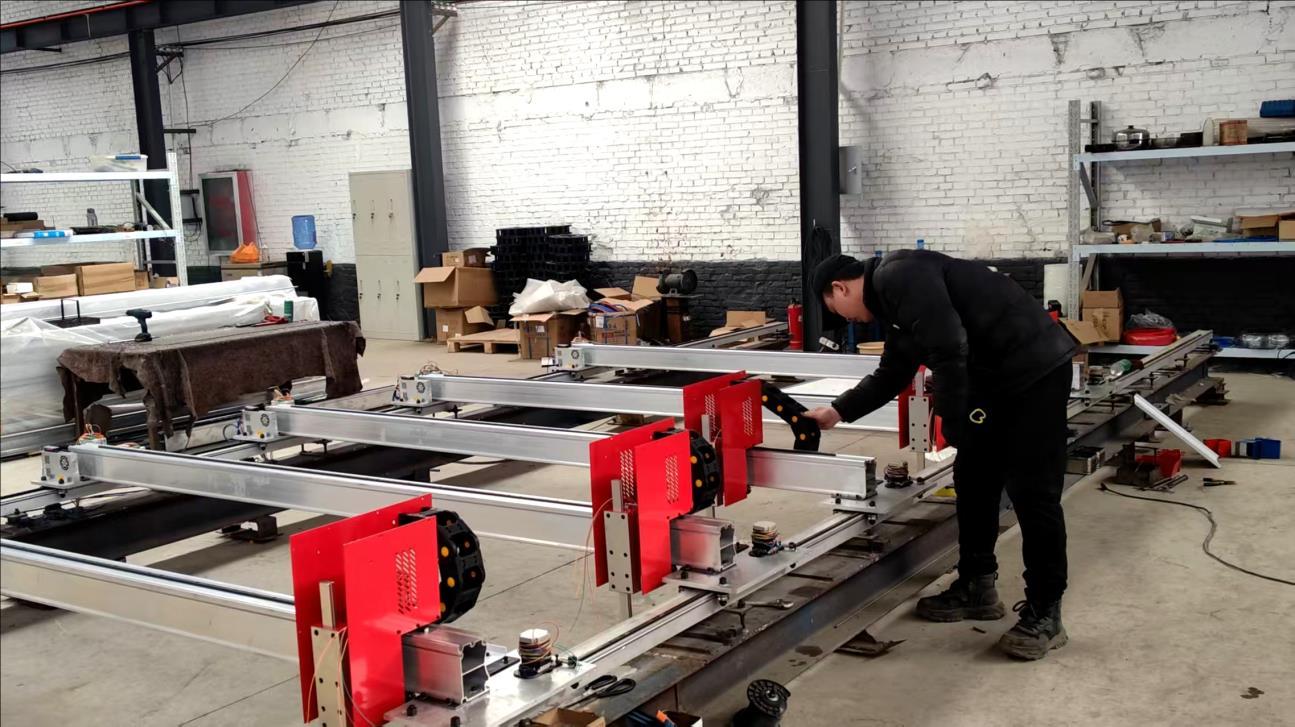
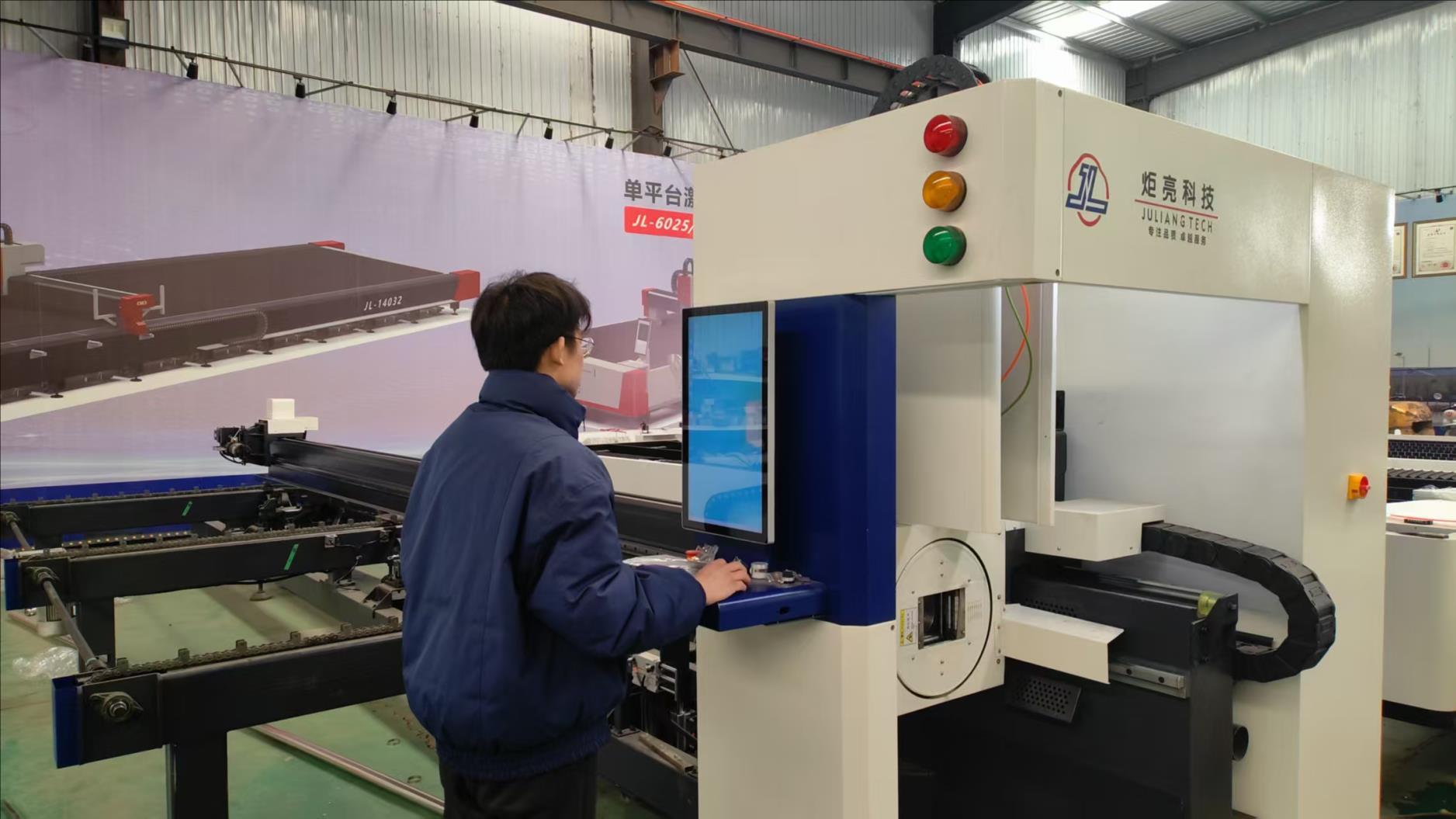
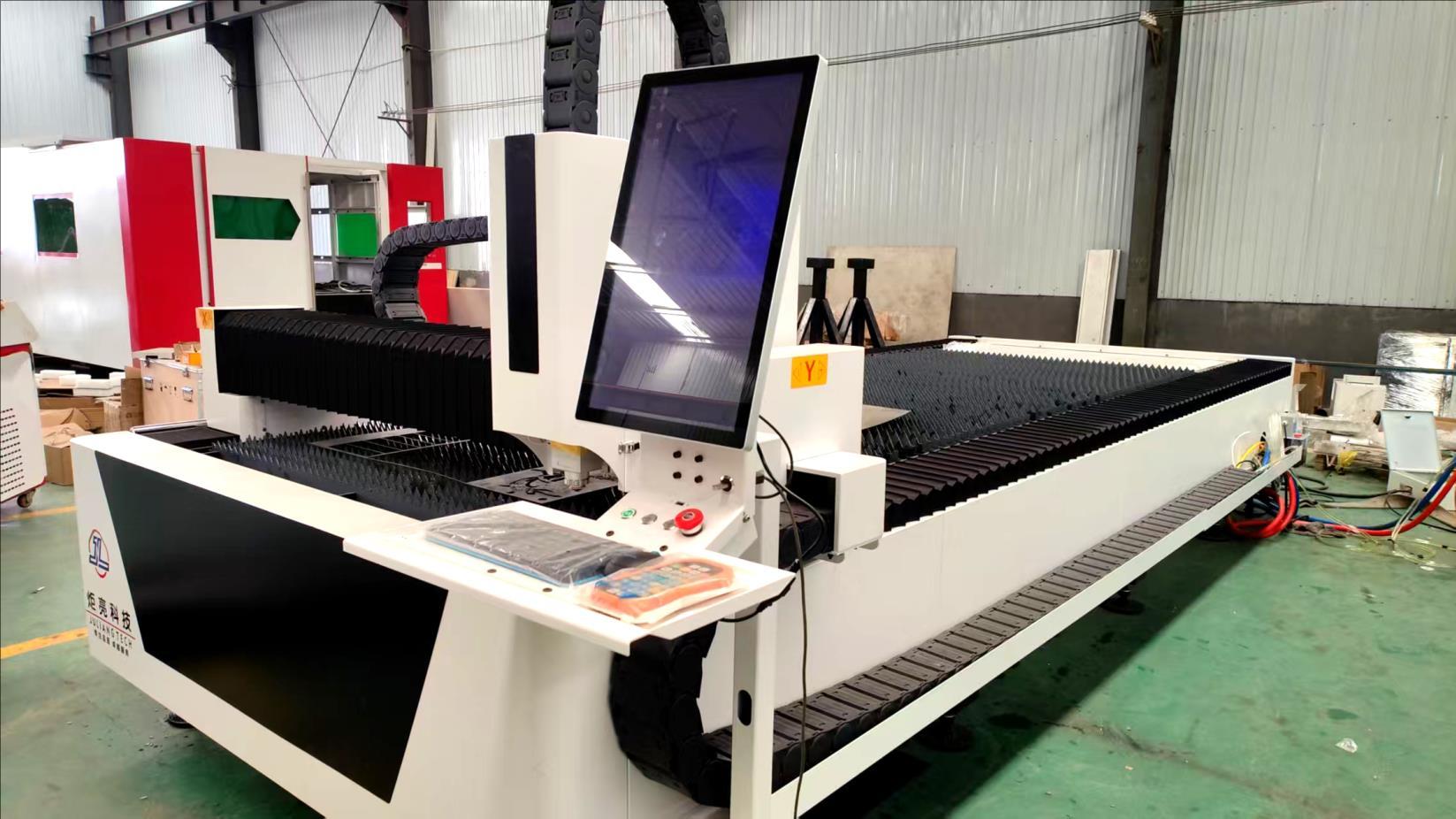
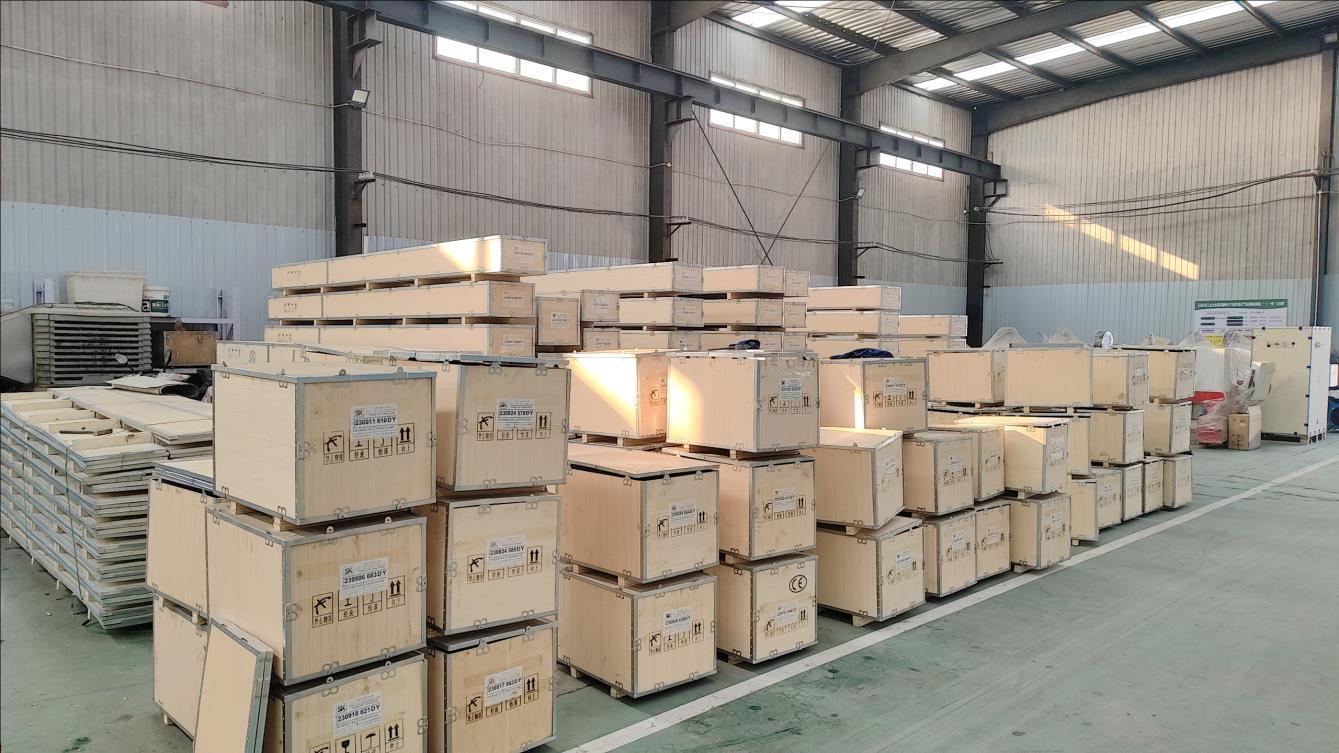
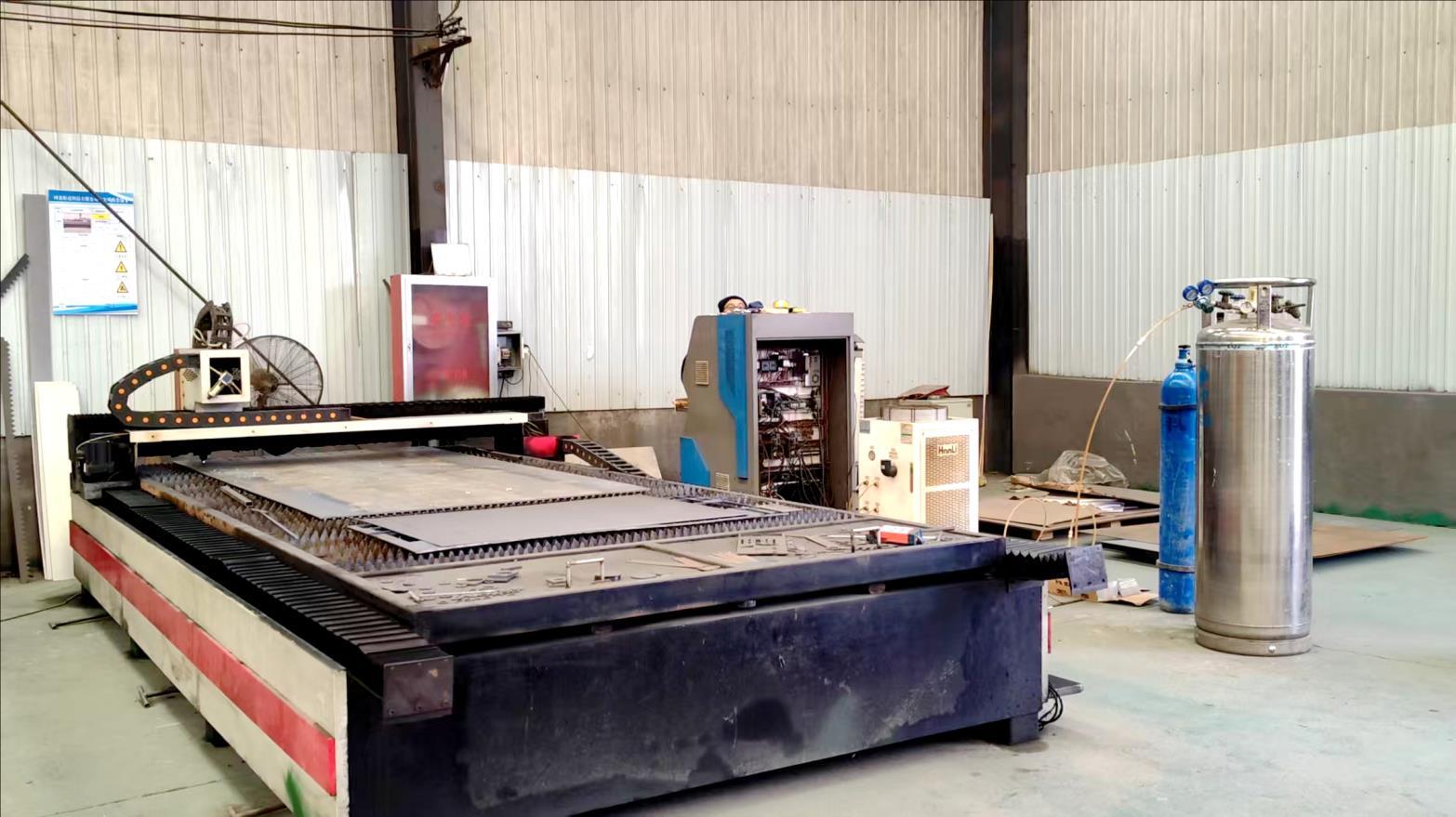
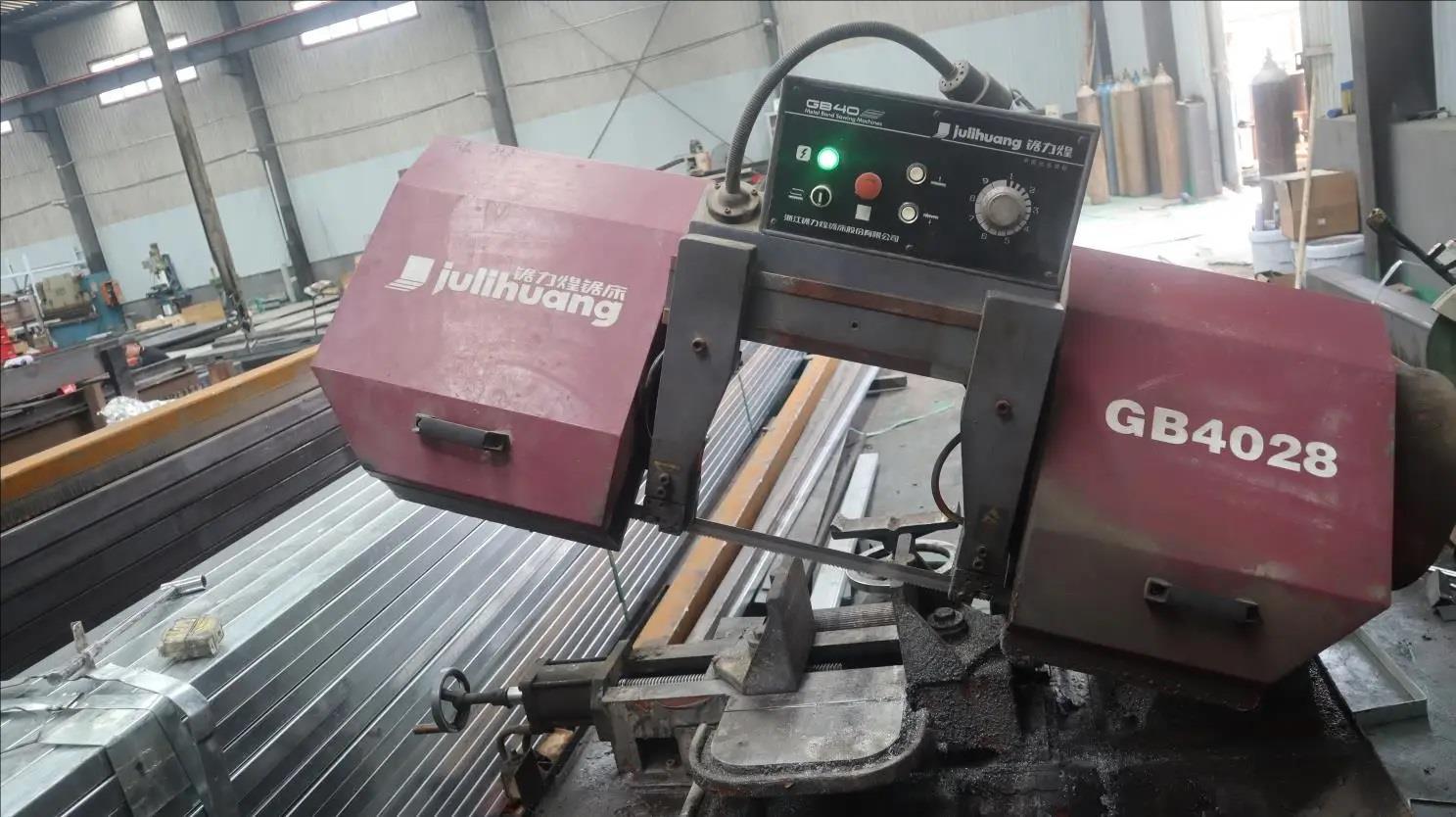
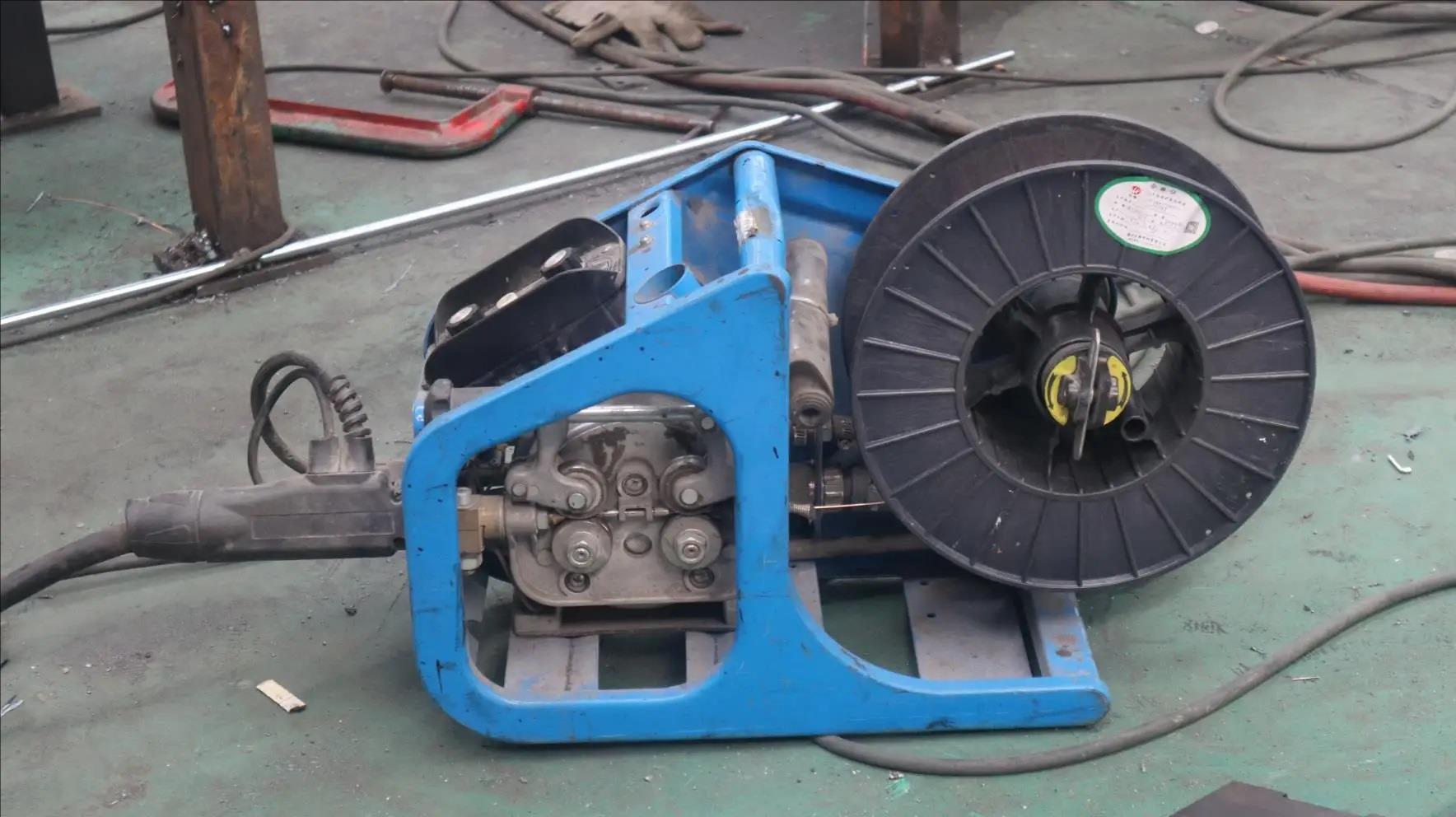
By integrating raw material selection, heat treatment, precision grinding, and dynamic balancing under one roof, Zhejiang DentFix Tool Co., Ltd. maintains control over the entire manufacturing process. Our facility employs multi-axis CNC grinding machines and advanced inspection systems to verify that every tool holder meets international quality standards before export.
We provide supply chain solutions for our distributors and end-users in London. Standard components (including ER collets, ISO tapers, BT spindles, and R8 collet sets) are kept in stock for rapid shipping. For custom tooling requirements, our engineering team works directly from your CAD designs, providing prototype units within two weeks and scaling up to volume production to fit your schedule.
Engineered for stability, precision, and reliable torque transmission on modern multi-axis CNC turning and milling centers.

Built to JIS industrial tap profiles. Ideal for blind-hole tapping applications where axial tension and compression limit tap breakage.
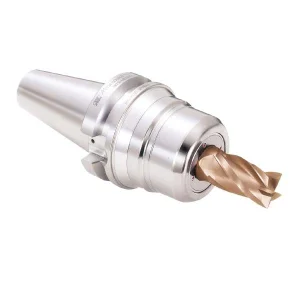
Precision-manufactured interface modeled after high-speed Japanese tooling systems. Designed to maximize radial stiffness and performance.
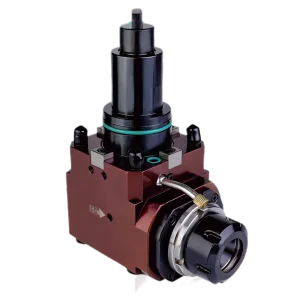
High-speed live tooling assemblies for BMT-turret lathe centers. Designed for high radial load capacity during off-center milling and cross-drilling operations.
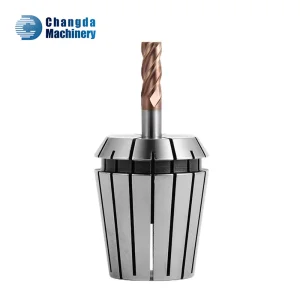
A complete collet set with matched tool holder, precision balanced chuck, and system spanner. Engineered to reduce setup times on the shop floor.
Engineered for heavy-duty 90-degree radial operations at speeds up to 4000 RPM. Designed with internal seals to protect components from coolant and chips.
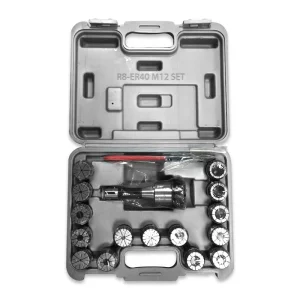
Classic R8 bridgeport-compatible interface. Designed with high-capacity ER40 spring collets, suitable for retrofitted CNC systems and manual milling stations.
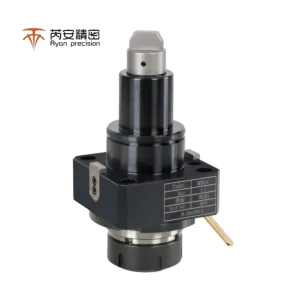
Axial alignment powered tool holder. Balanced internals allow for efficient drilling and boring along the main spindle axis.
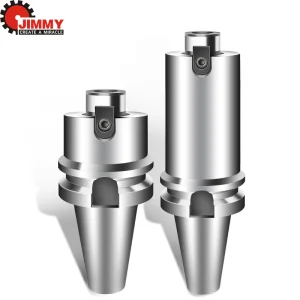
A face mill arbor design. Delivers stable torque transfer to indexable shell mills for heavy face-milling applications.
Providing specialized interfaces and modular tooling solutions to ensure compatibility across diverse machinery setups.
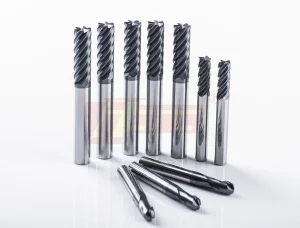
Specialized solid carbide end milling adapter blocks designed for external indexing inserts. Built to withstand high forces on heavy turning setups.
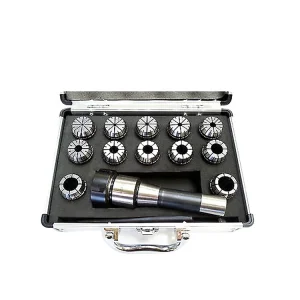
High-capacity collet setup designed for multi-machine workshops. Includes ground collet inserts for standard fractional and metric shank tools.
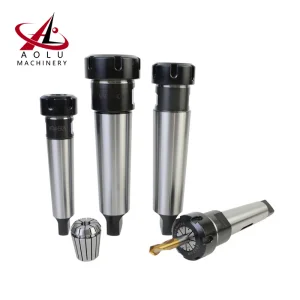
Morse taper adapters for conventional drill presses, manual lathes, and specialized sub-spindles. Offers self-holding taper stability.
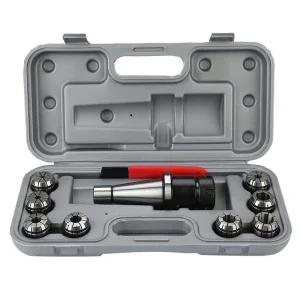
NT40 (ISO40) tool holder set with 8 pieces of ER32 collets. Designed for standard European style vertical milling machine spindles.
Zhejiang DentFix Tool Co., Ltd. is a manufacturer specializing in the research, development, production, and global distribution of precision CNC cutting tools and carbide solutions. Since its establishment, the company has been committed to providing high-performance tooling products for the metalworking industry, serving customers across the automotive, aerospace, mold & die, general engineering, energy, and precision manufacturing sectors.
Driven by continuous innovation and customer-focused development, DentFix has grown into a modern manufacturing enterprise that integrates R&D, intelligent production, quality control, sales, and technical support. The company has built a reputation for delivering reliable products, consistent quality, and professional services to customers in both domestic and international markets.
With advanced manufacturing technologies, experienced engineering teams, and quality management systems, DentFix continuously improves its product performance and production efficiency. The company is dedicated to helping customers achieve higher machining accuracy, longer tool life, greater productivity, and lower manufacturing costs.
DentFix has established a manufacturing system supported by experienced engineers, skilled production personnel, and a sales and technical service team. Our engineering department focuses on the development of cutting tool solutions that meet the evolving requirements of modern CNC machining.
Our manufacturing facility is equipped with CNC grinding machines, high-precision inspection equipment, automated production systems, and modern quality testing laboratories. Every product undergoes inspection throughout the manufacturing process to ensure dimensional accuracy, durability, and stable machining performance.
Innovation remains at the core of our business. DentFix continuously invests in new materials, coating technologies, and precision manufacturing processes to develop cutting tools with higher wear resistance, improved machining efficiency, and longer service life.
Use the table below to select the appropriate interface type and specifications for your machining center's spindle requirements.
| Interface Type | Taper Standard | Standard Clamping Range | Max Balanced Speed (RPM) | TIR Tolerance at 3xD | Recommended Applications |
|---|---|---|---|---|---|
| HSK-A63 | ISO 12164-1 | 1.0 - 20.0 mm (ER16 to ER32) | 25,000 - 30,000 | < 0.003 mm | High-Speed Milling, Aerospace Alloys, High Precision Dies |
| BT30 / BT40 | MAS 403 / JIS B6339 | 0.5 - 26.0 mm (ER11 to ER40) | 15,000 - 20,000 | < 0.003 mm | General CNC Milling, Mold Cavity Roughing, Drilling |
| DIN 69871 (SK40) | ISO 7388-1 | 1.0 - 32.0 mm (ER16 to ER40) | 15,000 - 18,000 | < 0.004 mm | General Purpose Machining, Heavy Boring, Facemilling |
| BMT40 / 45 / 55 | DIN 1809 (Turret) | ER16 to ER32 Collets | 4,000 - 8,000 (Live Driven) | < 0.005 mm | CNC Lathes, Dynamic Cross Milling, Radial Drilling |
| R8 Shank | Bridgeport Standard | ER32 / ER40 Sets | 3,500 - 5,000 | < 0.008 mm | Manual Mills, Prototyping Shops, Auxiliary Tooling |
Providing technical information and clear answers to common questions about tool holder maintenance, alignment, and selection.
Total Indicated Runout (TIR) measures the eccentricity of the cutting tool's rotational axis relative to the machine spindle's centerline. When runout is present, the chip load becomes unevenly distributed across the tool's flutes. For example, in a 4-flute end mill, runout can cause one flute to take a much heavier chip load while another flute barely cuts. This uneven loading leads to accelerated flank wear, micro-chipping, and premature tool failure. Research indicates that every 10 microns of runout can reduce tool life by up to 50%. Using high-precision tool holders with a TIR of less than 3 microns helps ensure even load distribution, helping to extend tool life, improve surface finishes, and maintain consistent dimensions.
At high spindle speeds, any mass imbalance in the tool holder creates centrifugal forces that increase with the square of the rotational speed. This imbalance causes vibrations (spindle chatter) that can damage the surface finish, chip the cutting edge, and wear out the spindle bearings. Dynamic balancing according to ISO 1940 standards (such as G2.5 at 25,000 RPM) helps ensure that the tool holder's center of mass aligns closely with its geometric axis of rotation. Balanced holders help minimize harmonic vibrations, protect the spindle bearings, and allow for faster cutting speeds during high-speed machining (HSM) cycles.
BT tapers (designed to MAS 403 standards) feature a solid taper with a 7:24 ratio, relying on pull-stud tension to seat the holder in the spindle. While reliable for heavy radial cutting at low to moderate speeds, BT holders can lose axial contact at higher speeds as centrifugal forces expand the spindle nose. HSK interfaces (designed to ISO 12164) utilize a hollow, 1:10 short-taper shank that expands under drawbar pressure. This design provides dual-contact clamping on both the taper and the spindle face. The hollow shank also expands slightly under centrifugal force, maintaining tight contact at high speeds. Therefore, HSK interfaces are generally preferred for high-speed milling, while BT tapers are often used for general-purpose machining.
During rigid tapping cycles, the machine's spindle rotation must sync with the Z-axis feed rate. However, differences between spindle deceleration and Z-axis reversal can lead to dynamic pitch errors. In tough alloys, these minor pitch variations can put high axial stress on the tap, leading to thread stripping or tap breakage. Tapping chucks with micro-compensation (tension/compression) utilize internal spring mechanisms to absorb these small axial variations. This buffer helps protect the thread flanks, extends the life of the tap, and improves thread quality in demanding materials.
DentFix tool holders are manufactured using high-quality 20CrMnTi chromium-manganese-titanium alloy steel, known for its high core toughness and wear resistance. The material is carburized to a surface hardness of HRC 56–60, while the core remains ductile to absorb vibration. After hardening, the holders undergo a cryogenic stress-relief process, cooling the material below sub-zero temperatures. This treatment helps convert residual austenite to martensite, ensuring dimensional stability under thermal loads. Critical taper and internal bore surfaces are then ground on precision machines to achieve the final tolerances.
Contamination from coolant residue, oil, or fine chips inside the spindle or collet pocket can increase runout. To maintain accuracy: 1) Wipe the spindle taper and the tool holder taper with lint-free wipes and taper cleaners before installation. 2) Clean the collet and the locknut threads with solvent to remove build-up. 3) Inspect the tapers and collet surfaces for fretting corrosion or small burrs, and replace any components that show wear. 4) Use a torque wrench when tightening collet nuts to prevent over-tightening, which can cause taper distortion and runout.
JIS (Japanese Industrial Standards) and DIN (Deutsches Institut für Normung) tap standards specify different shank diameters and square drive dimensions for the same thread size. For example, an M10 tap under DIN standards has a larger shank diameter than a JIS M10 tap. Therefore, a standard DIN tap will not fit correctly into a JIS tapping collet. To ensure secure clamping and proper alignment, match the collet design (DIN or JIS) to the specific tap shank standard you are using.
For standard stocked tooling (such as common ER collets, BT40 chucks, and BMT lathe adapters), orders are processed and shipped from our Zhejiang facility via express air courier within 3-5 business days, typically arriving in London within 10-15 business days. For custom OEM designs, the process begins with CAD drawings and design verification, which takes about 3-5 days. Production, heat treatment, and precision grinding follow, taking 15-20 days. Once quality control checks are complete, custom batches are shipped via air freight, with door-to-door delivery in London within 30 days. We handle customs documentation, commercial invoices, and UKCA compliance certification to simplify the import process.
 DentFix Tool