Optimized tool geometries engineered specifically for critical applications in European heavy engineering and automotive industrial hubs.
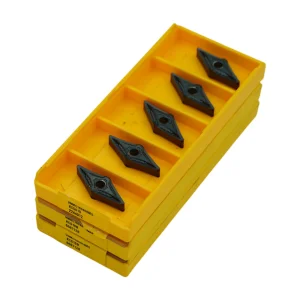
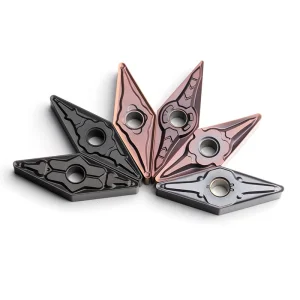
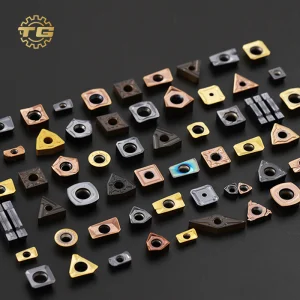
Hungary has positioned itself as one of Central and Eastern Europe’s leading hubs for automotive assembly, machinery fabrication, and heavy metalworking. With manufacturing hotbeds in Győr, Kecskemét, Debrecen, and Budapest, the demand for precision machining continues to scale. Major global OEMs, such as Audi, Mercedes-Benz, and soon BMW, operate massive assembly and engine manufacturing facilities inside Hungarian borders. For local sub-suppliers, component quality is non-negotiable.
To sustain contracts with European Tier-1 automotive and aerospace firms, Hungarian CNC machining shops must constantly optimize process parameters. The turning of materials like 42CrMo4 steel alloys, martensitic stainless steels, and cast iron requires turning inserts with absolute structural integrity. Standard tooling struggles with the excessive heat generation and abrasive tool wear patterns characteristic of modern dry machining configurations.
This is where engineered premium tungsten carbide inserts play a key role. The application of precise, nanostructured physical vapor deposition (PVD) and chemical vapor deposition (CVD) coatings provides the thermodynamic resilience needed to prevent edge deformation, flank wear, and premature chipping, ensuring minimal down-time and predictable batch runs.
Manufacturers in Hungary face complex requirements daily. Standard components must meet strict EN and DIN specifications, requiring machining tolerances down to the sub-micron level. The primary metalworking hurdles in the region include:
Optimizing speeds, feeds, and depth of cut according to workpiece material and coating chemistry. Engineered recommendations for European machining standard ISO classes.
| ISO Material Group | Recommended Coating | Cutting Speed ($v_c$) - m/min | Feed Rate ($f$) - mm/rev | Depth of Cut ($a_p$) - mm | Typical Applications |
|---|---|---|---|---|---|
| P (Carbon & Alloy Steel) | TiAlN / Al₂O₃ CVD Multi-layer | 180 - 320 | 0.15 - 0.45 | 0.5 - 4.0 | Automotive shafts, gears (42CrMo4, 16MnCr5) |
| M (Stainless Steel) | AlTiCrN Nano-PVD Coated | 120 - 240 | 0.12 - 0.35 | 0.3 - 3.0 | Pump shafts, chemical valves (SS304, SS316) |
| K (Cast Iron) | Thick Al₂O₃-TiN CVD Coated | 150 - 280 | 0.18 - 0.50 | 0.8 - 5.0 | Engine blocks, brake discs (GG25, GGG40) |
| S (HRSA & Titanium Alloys) | TiAlSiN Nano-PVD | 40 - 90 | 0.08 - 0.25 | 0.2 - 2.0 | Aerospace structural connectors, turbine components |
Our legacy of tooling craftsmanship combined with state-of-the-art smart fabrication technologies.
Zhejiang DentFix Tool Co., Ltd. is a professional manufacturer specializing in the research, development, production, and global distribution of precision CNC cutting tools and carbide solutions. Since its establishment, the company has been committed to providing high-performance tooling products for the metalworking industry, serving customers across automotive, aerospace, mold & die, general engineering, energy, and precision manufacturing sectors.
Driven by continuous innovation and customer-focused development, DentFix has grown into a modern manufacturing enterprise that integrates R&D, intelligent production, quality control, sales, and technical support. The company has built a strong reputation for delivering reliable products, consistent quality, and professional services to customers in both domestic and international markets.
With advanced manufacturing technologies, experienced engineering teams, and strict quality management systems, DentFix continuously improves its product performance and production efficiency. The company is dedicated to helping customers achieve higher machining accuracy, longer tool life, greater productivity, and lower manufacturing costs.
Today, Zhejiang DentFix Tool Co., Ltd. continues to strengthen its investment in technological innovation, intelligent manufacturing, and international cooperation, striving to become a trusted global supplier of precision cutting tool solutions.
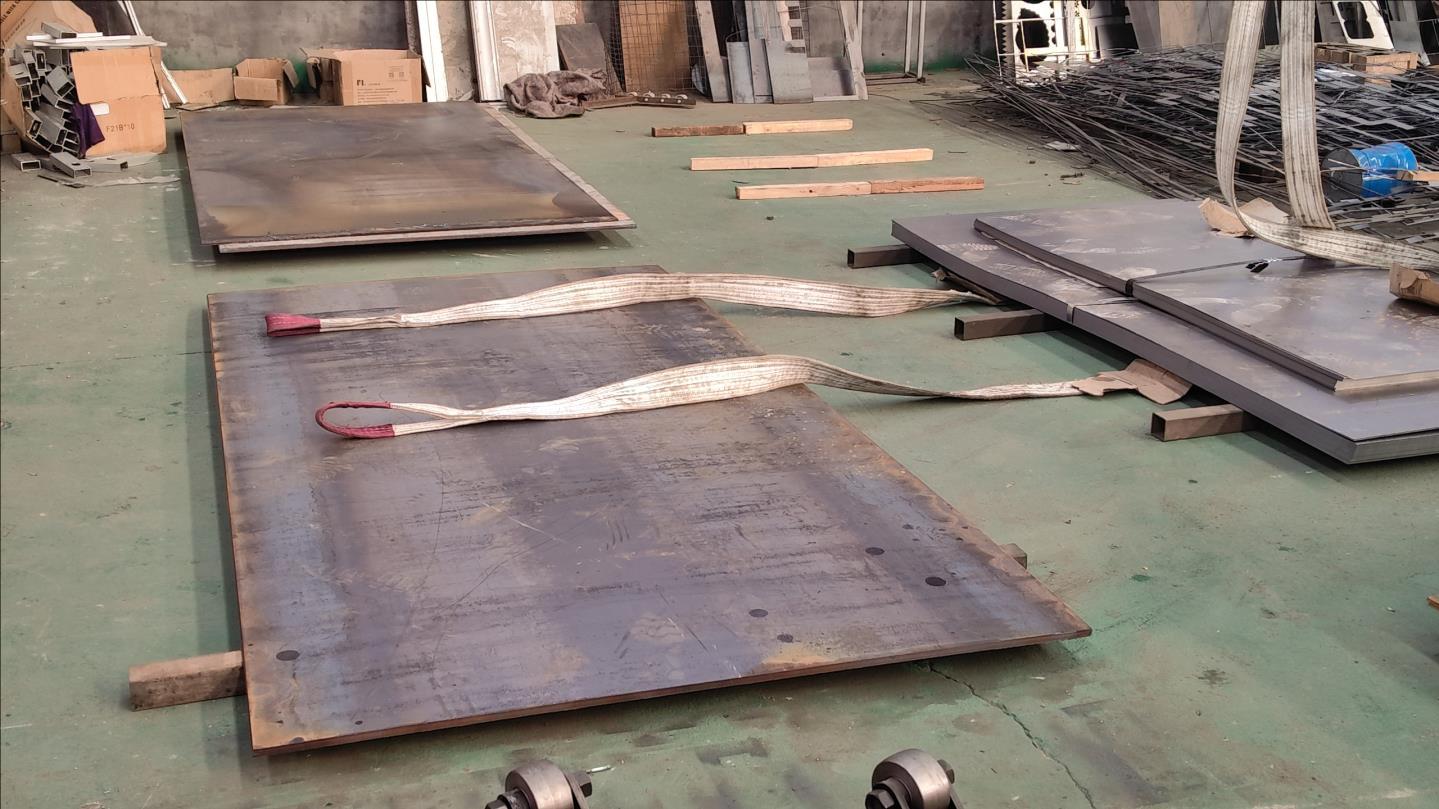
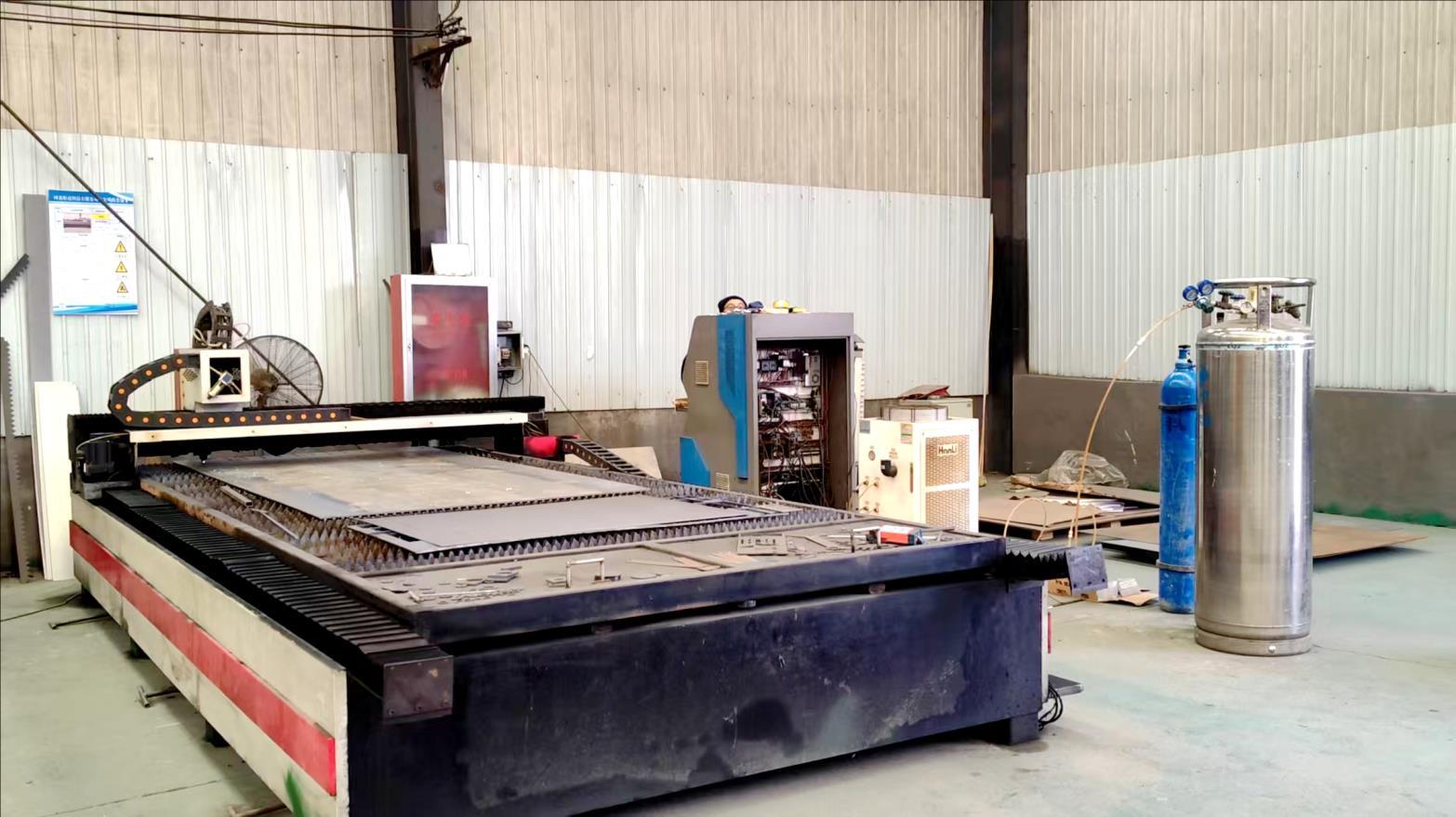
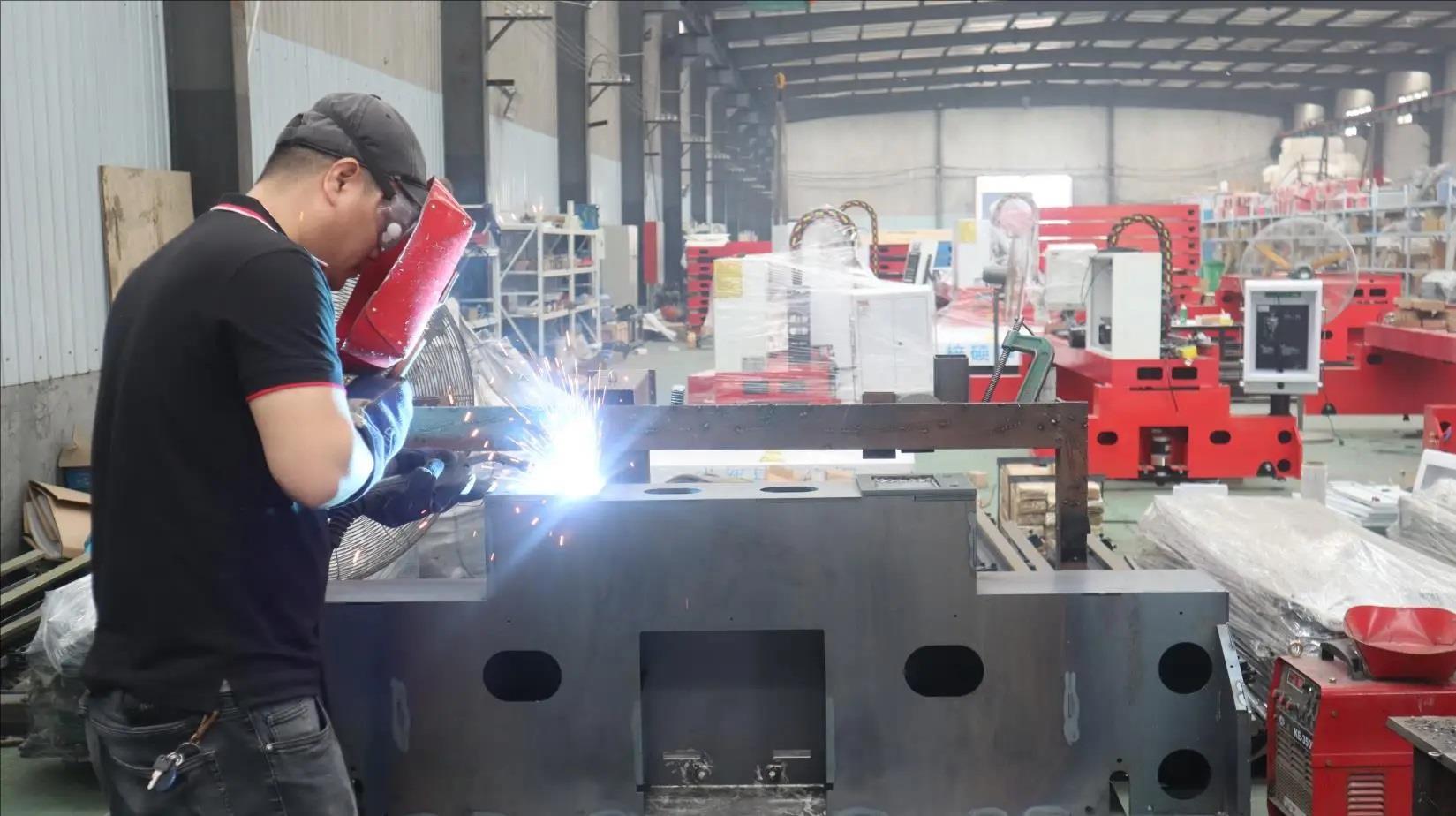
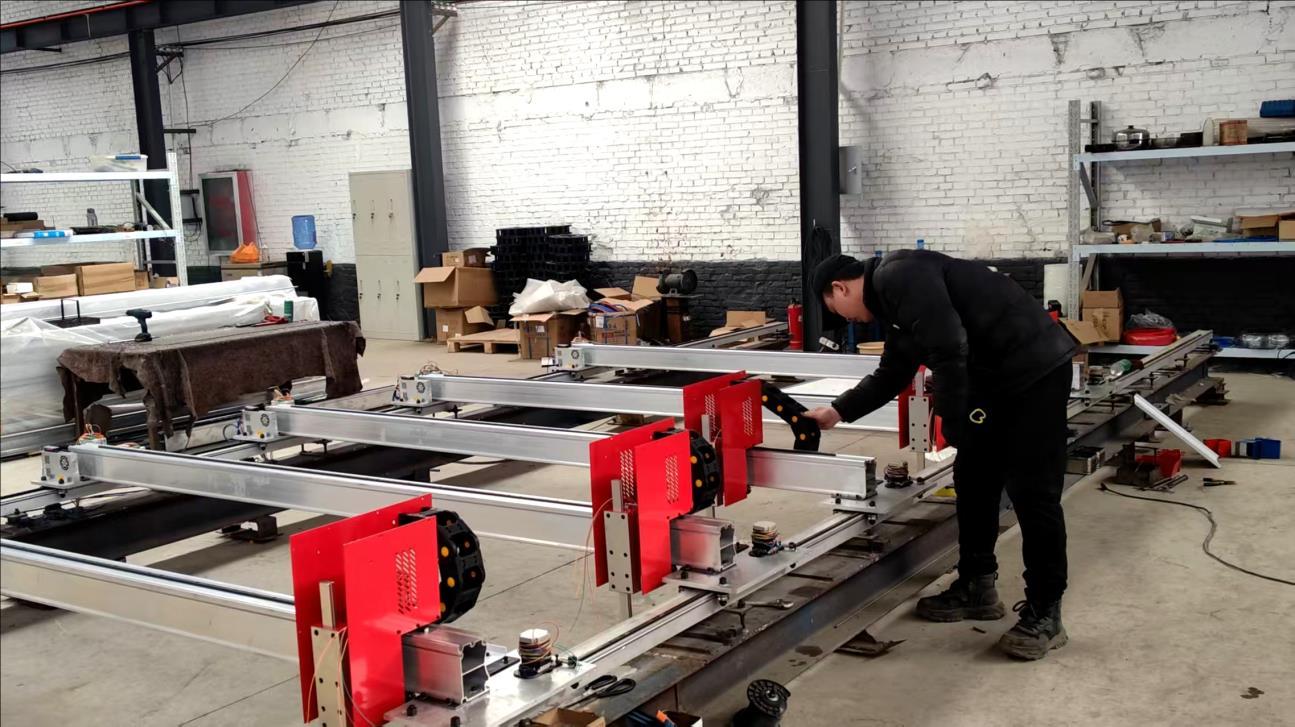
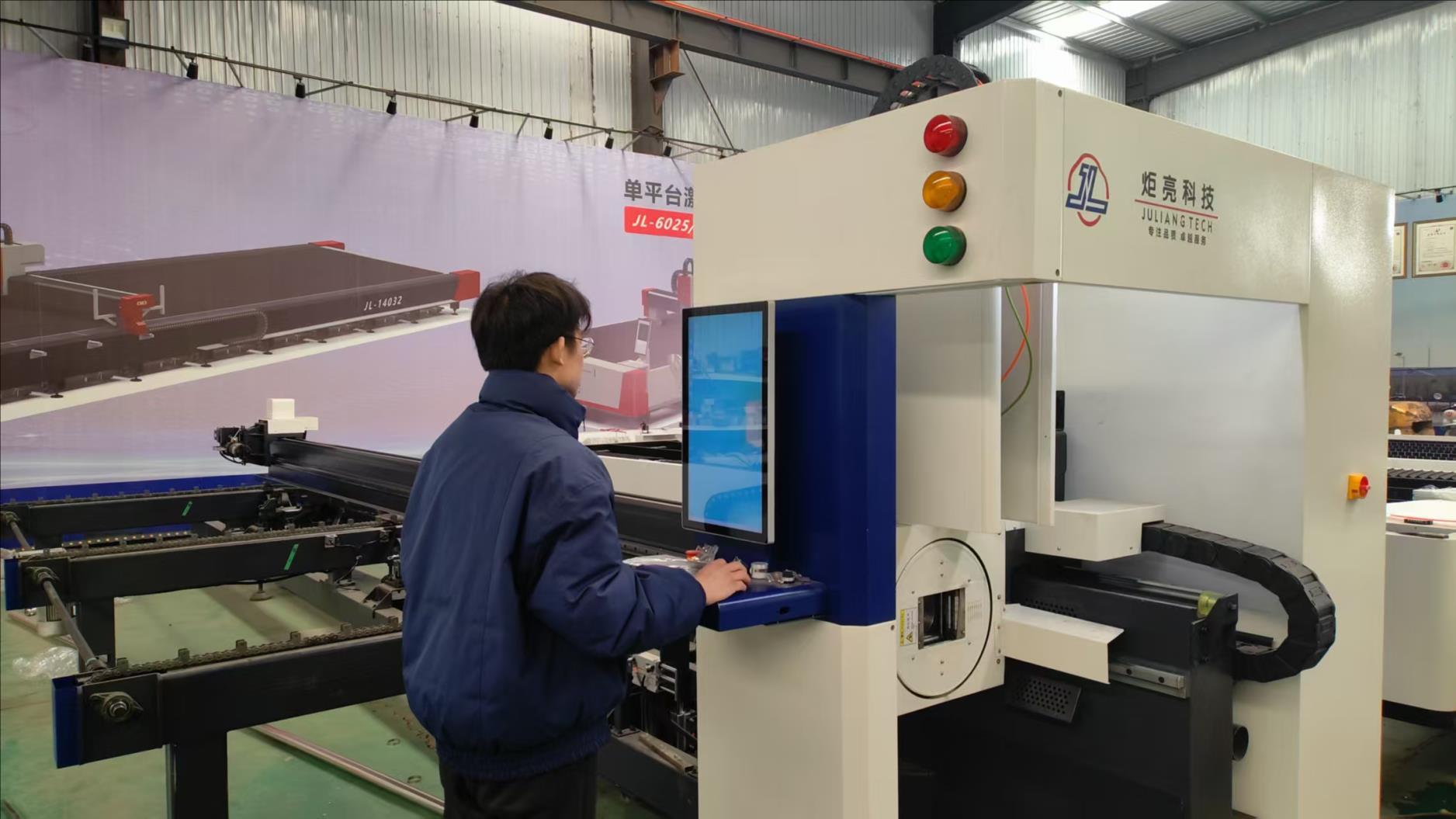
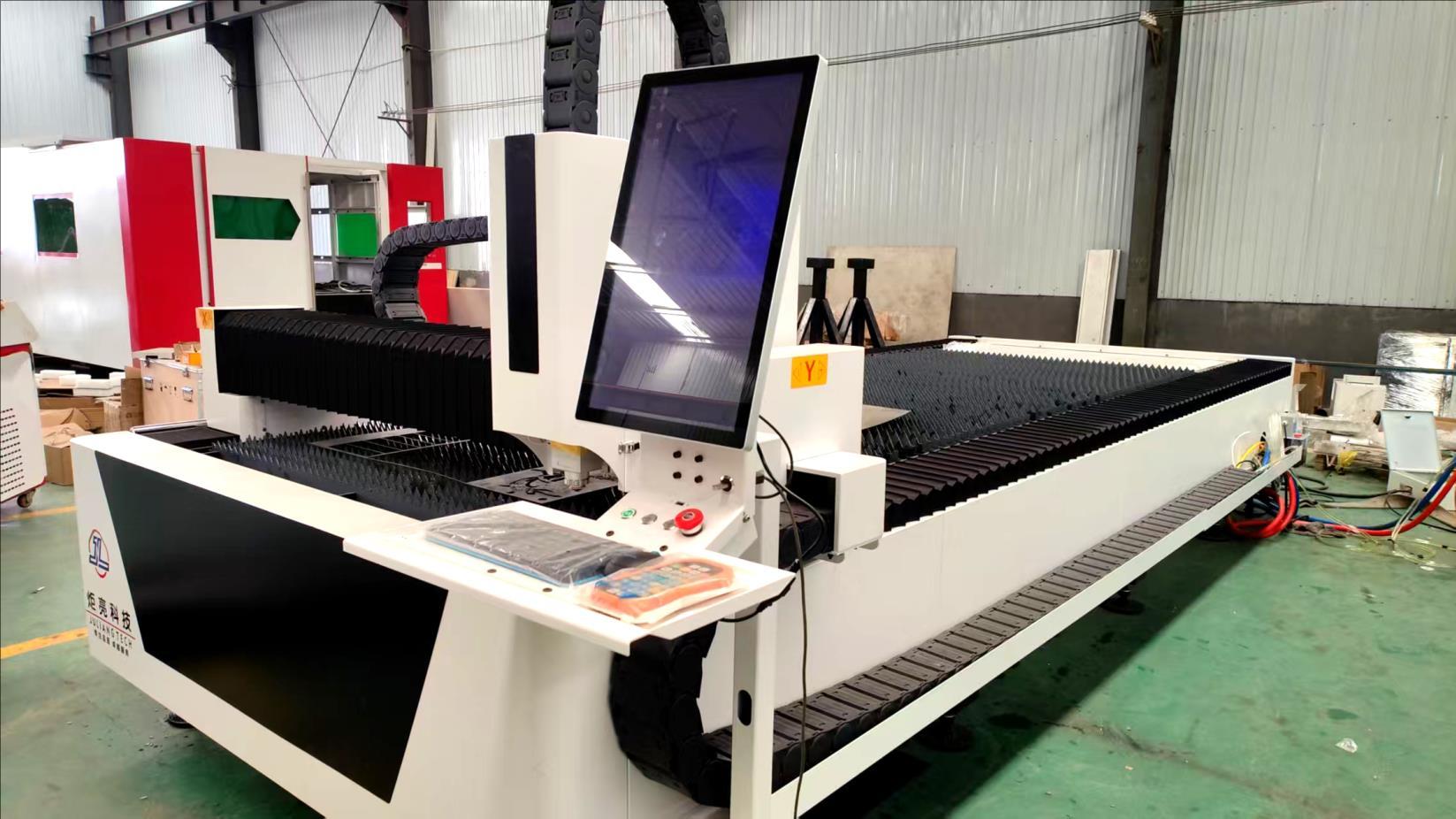
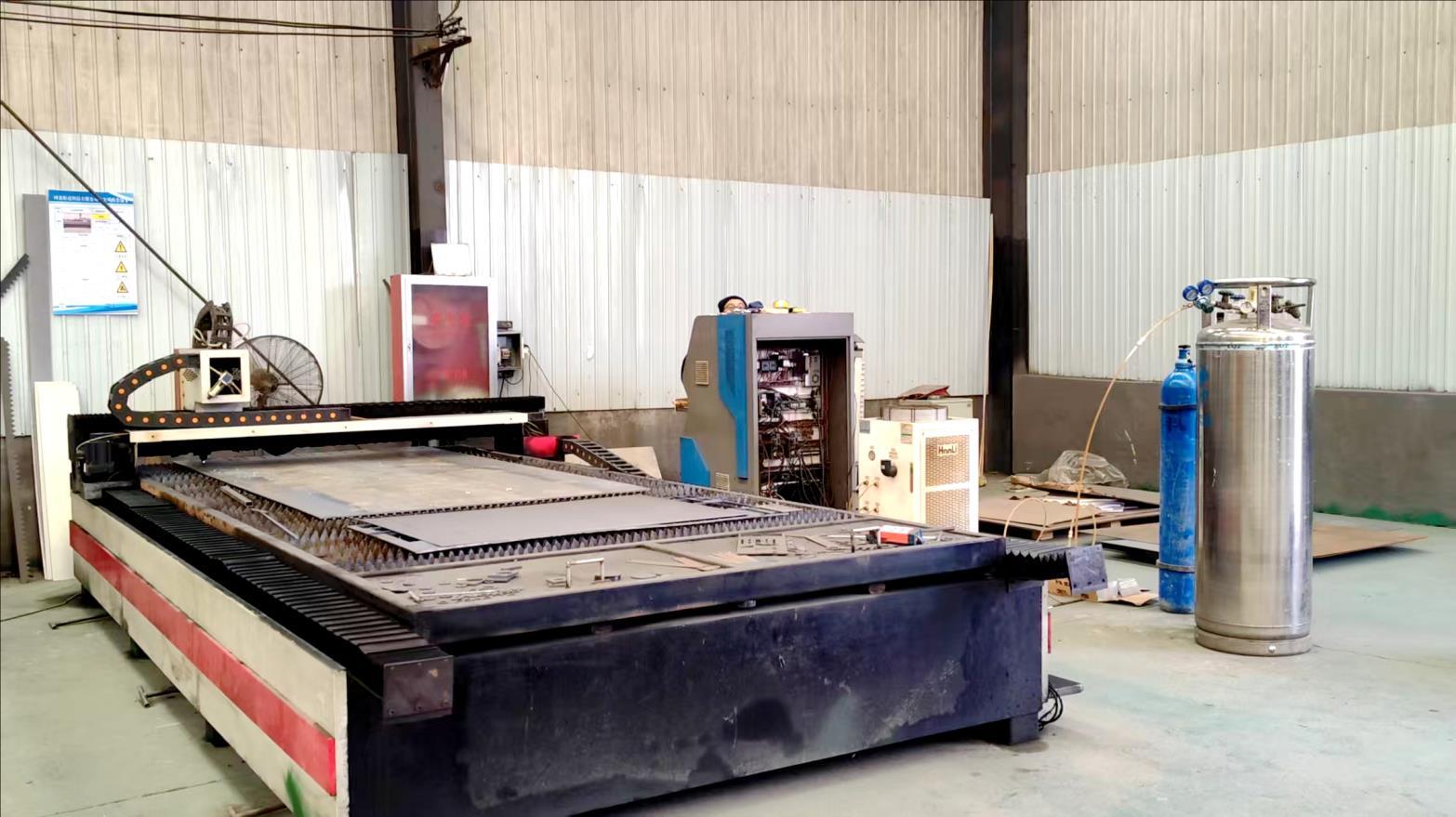
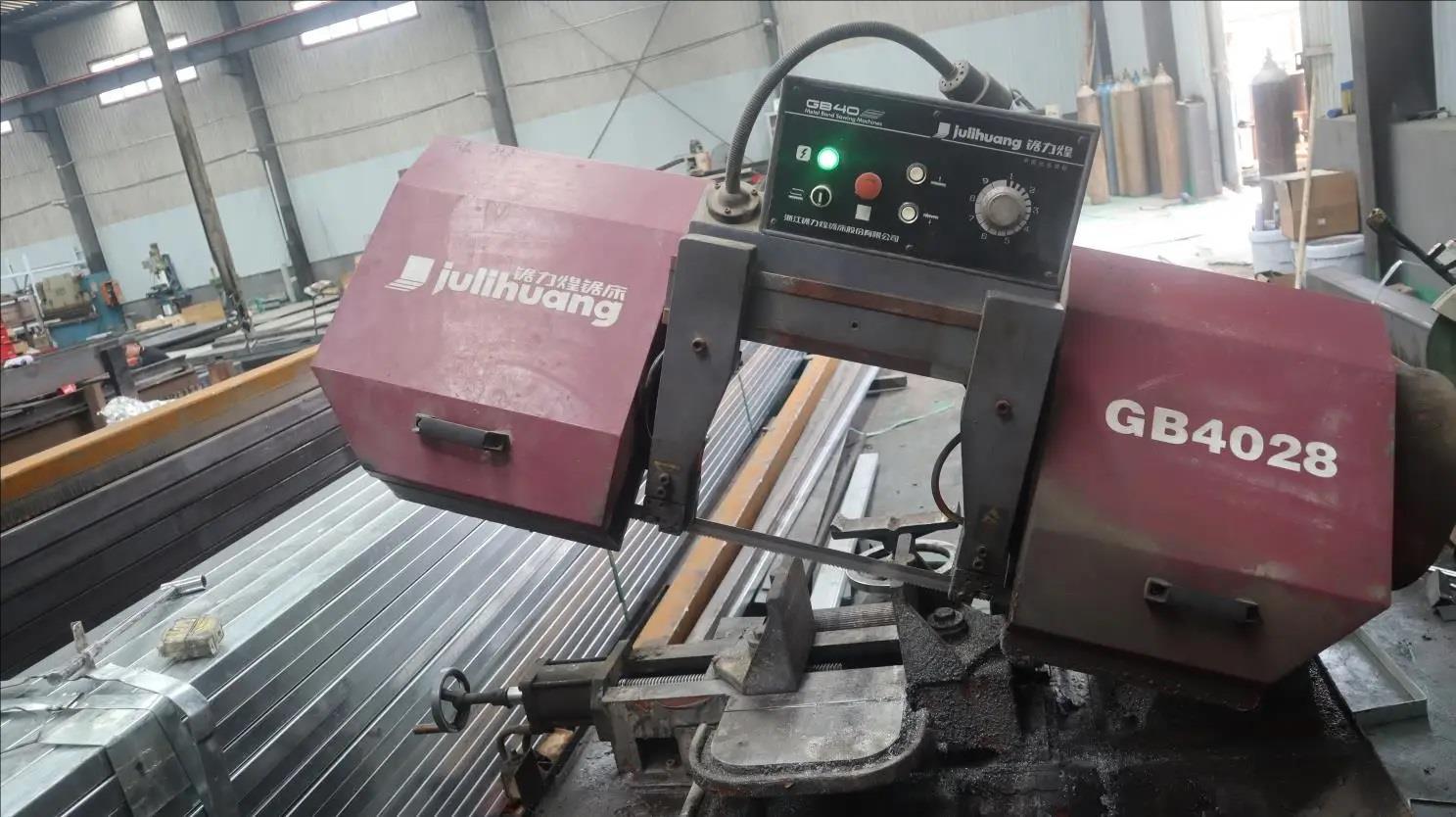
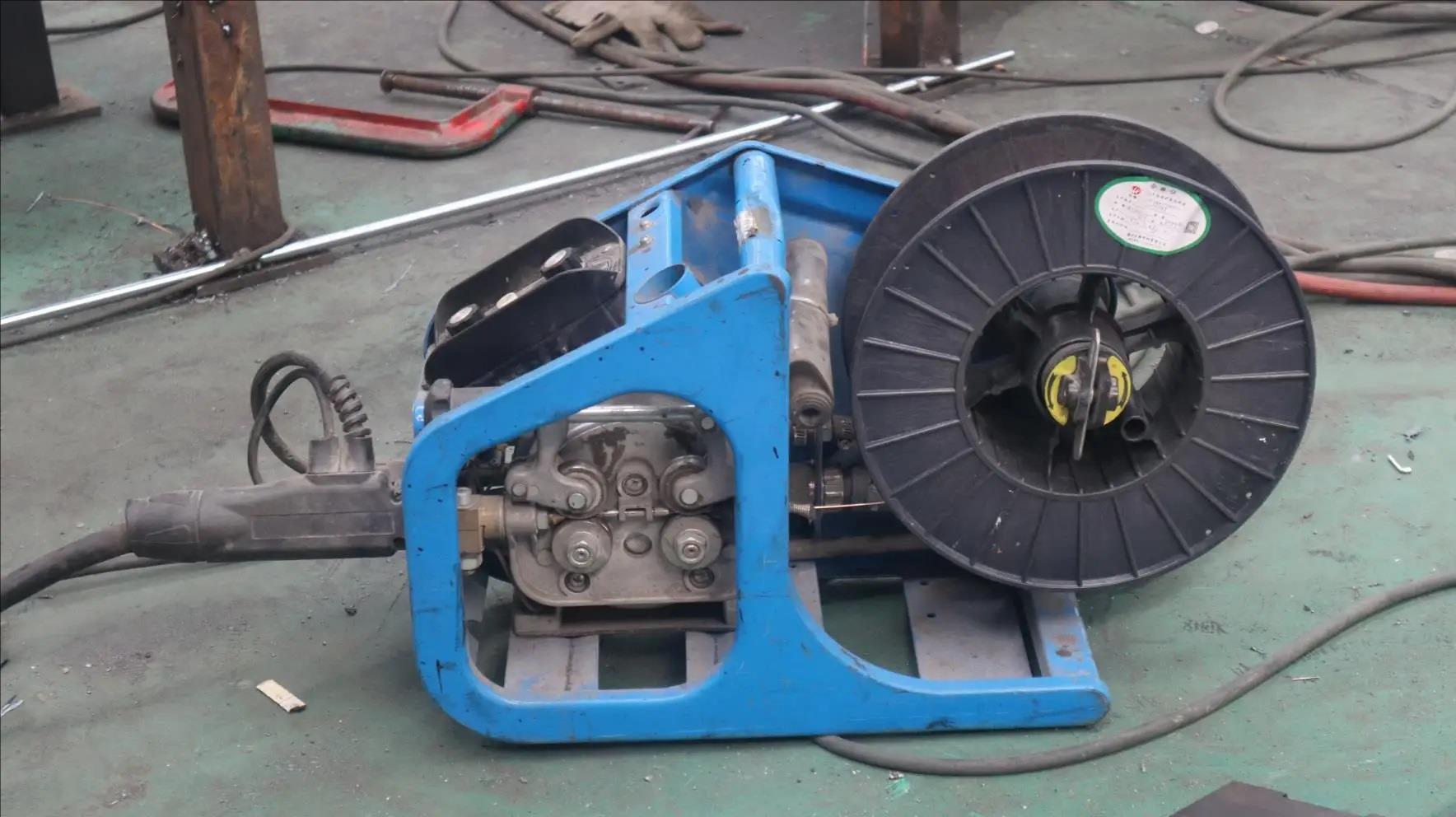
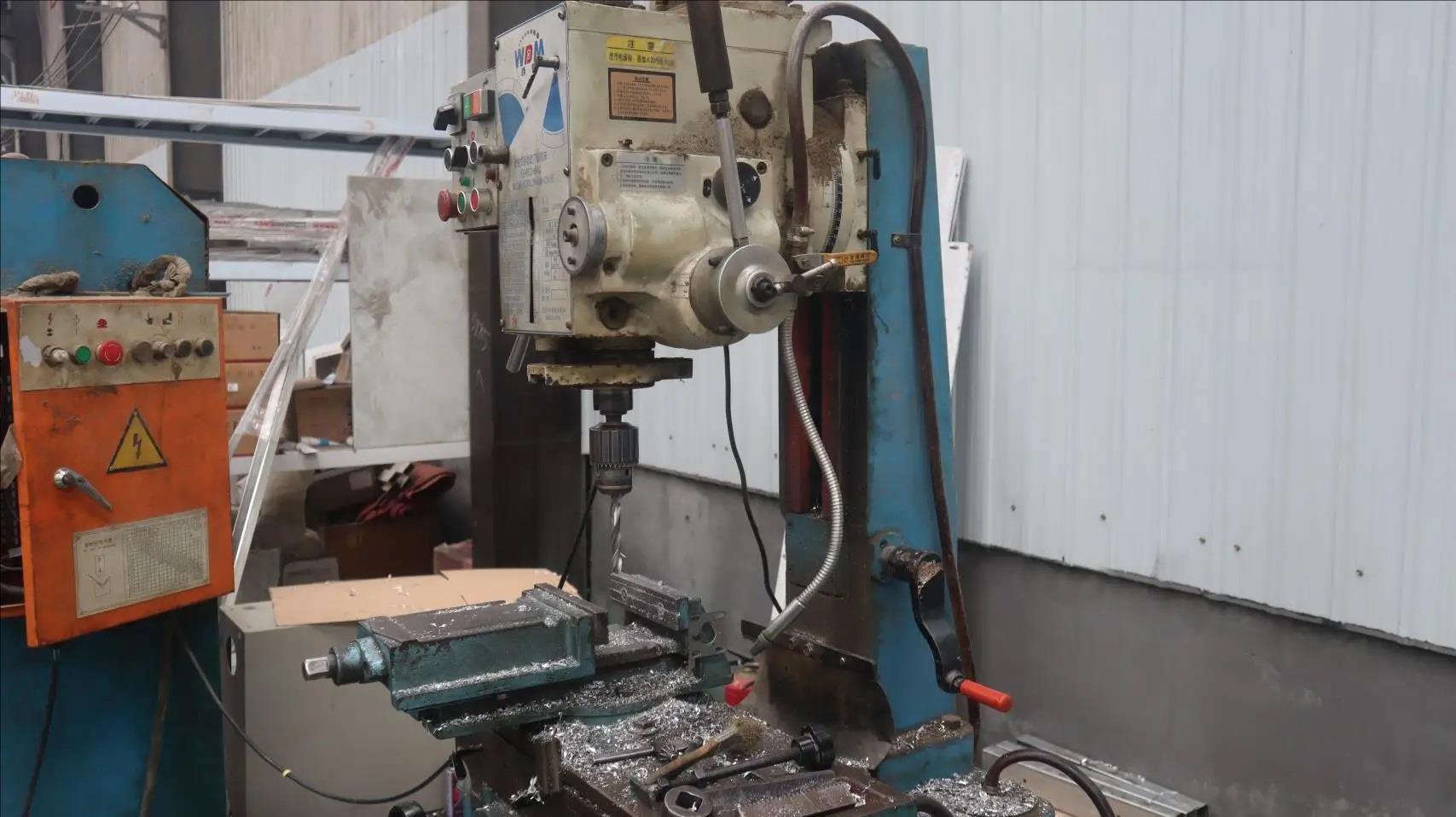
DentFix has established a comprehensive manufacturing system supported by experienced engineers, skilled production personnel, and a professional sales and technical service team. Our manufacturing facility is equipped with advanced CNC grinding machines, high-precision inspection equipment, automated production systems, and modern quality testing laboratories. Every product undergoes rigorous inspection throughout the manufacturing process to ensure exceptional dimensional accuracy, durability, and stable machining performance.
Modern industrial dynamics have triggered a move towards harder, lighter materials alongside stricter environmental mandates. As global carbon-neutrality initiatives target vehicle fuel economies, lightweight alloys and high-entropy structural steels are becoming standard. This requires cutting tools that can handle high heat and abrasive conditions while maintaining surface integrity.
For indexable carbide turning inserts, this transition shifts the focus toward coating innovations. Advanced tool engineering relies heavily on multi-layer composite PVD architectures, which combine alternate layers of TiAlN and AlCrN to stop micro-cracks from propagating. These nano-laminate layers absorb stress during high-impact interrupted cuts, keeping the cutting edge clean and sharp.
At DentFix, our research focuses on smart machining solutions. By integrating tool wear tracking models and advanced coating techniques, we aim to meet the demands of Industry 4.0. Our long-term technical goals focus on:
Our operation is designed to meet strict European quality standards. By aligning our production parameters with German and European mechanical guidelines (DIN standards and CE regulations), we ensure that every single insert shipped to Hungary fits perfectly in standard tool holders (ISO standard toolposts and boring bars).
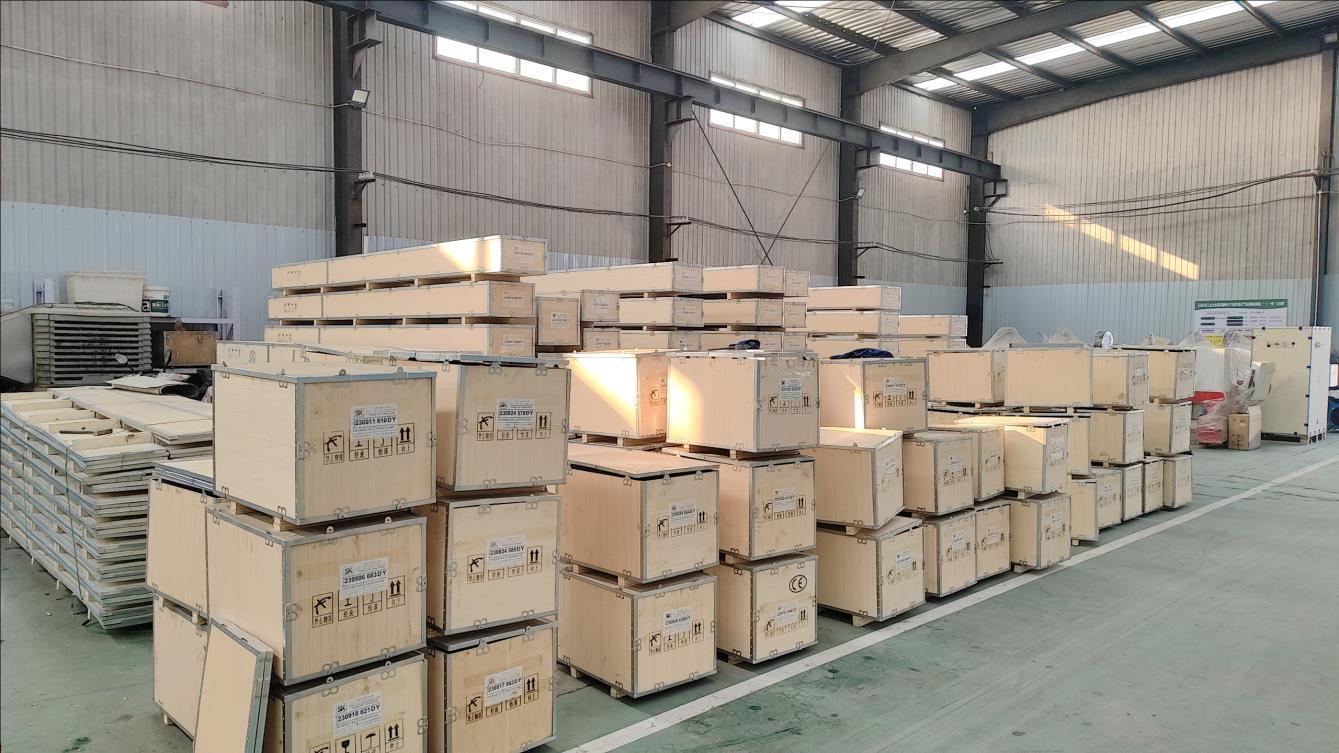
We work with established logistics networks across Central Europe to guarantee prompt, secure shipping. Orders are dispatched with detailed material tracking reports, and we provide technical support to help optimize CNC parameter programming, minimize waste, and improve cycle times.
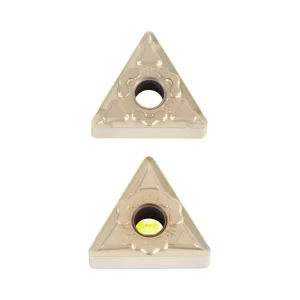
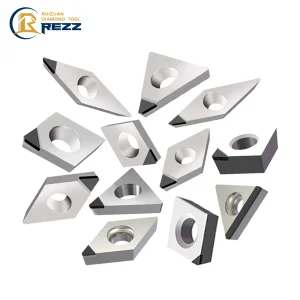
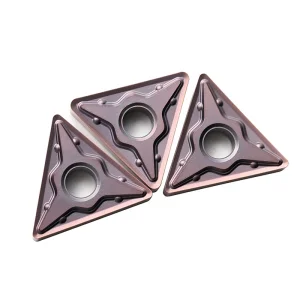
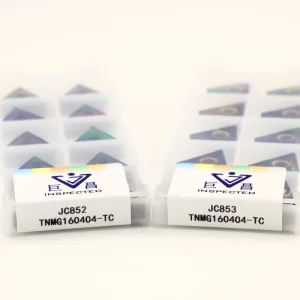
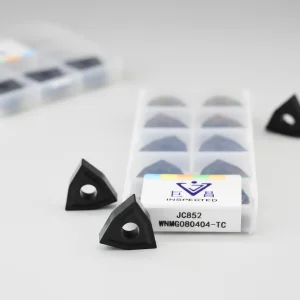
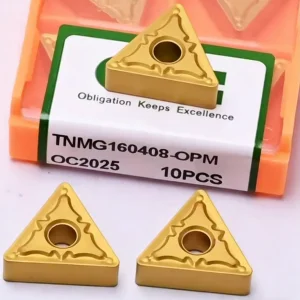
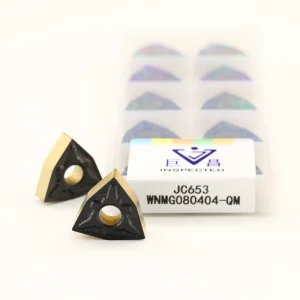
Explore our full line of indexable tools designed for heavy roughing, finishing, thread turning, and milling operations.
Expert advice on common machining issues and insert selection guidelines.
Connect with our engineering support team to request a customized quote, arrange testing samples, or discuss custom tool development for your machining applications in Hungary.
Send Inquiry Now DentFix Tool