DentFix Tool

1 / 5
| Diameter (mm) | Kerf (mm) | Thickness (mm) | Bore (mm) | Teeth |
|---|---|---|---|---|
| Ø125 | 1.6 | 1.0 | 20 | 24T |
| Ø145 | 1.6 | 1.0 | 20 | 24T |
| Ø150 | 1.6 | 1.0 | 20 | 24T |
| Ø160 | 1.6 | 1.0 | 20 | 30T |
| Ø160 | 1.4 | 1.0 | 20 | 25T |
| Ø165 | 1.4 | 1.0 | 20 | 25T |
| Ø165 | 1.45 | 1.0 | 20 | 56T |
| Ø185 | 1.45 | 1.0 | 20 | 24T |
| Ø185 | 1.5 | 1.0 | 20 | 40T |
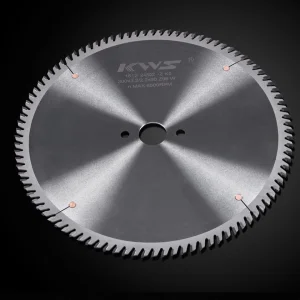
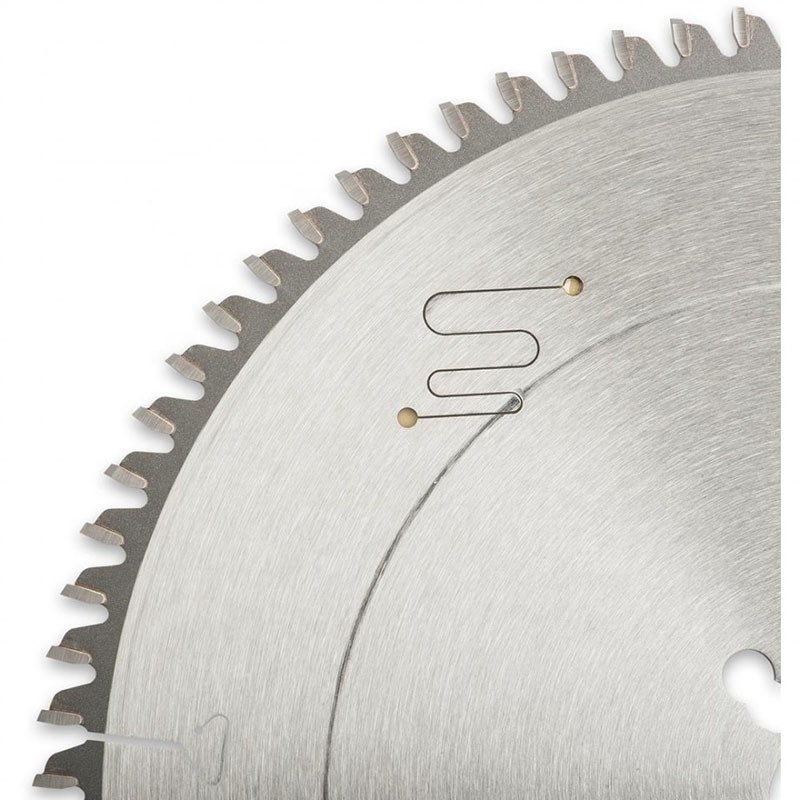
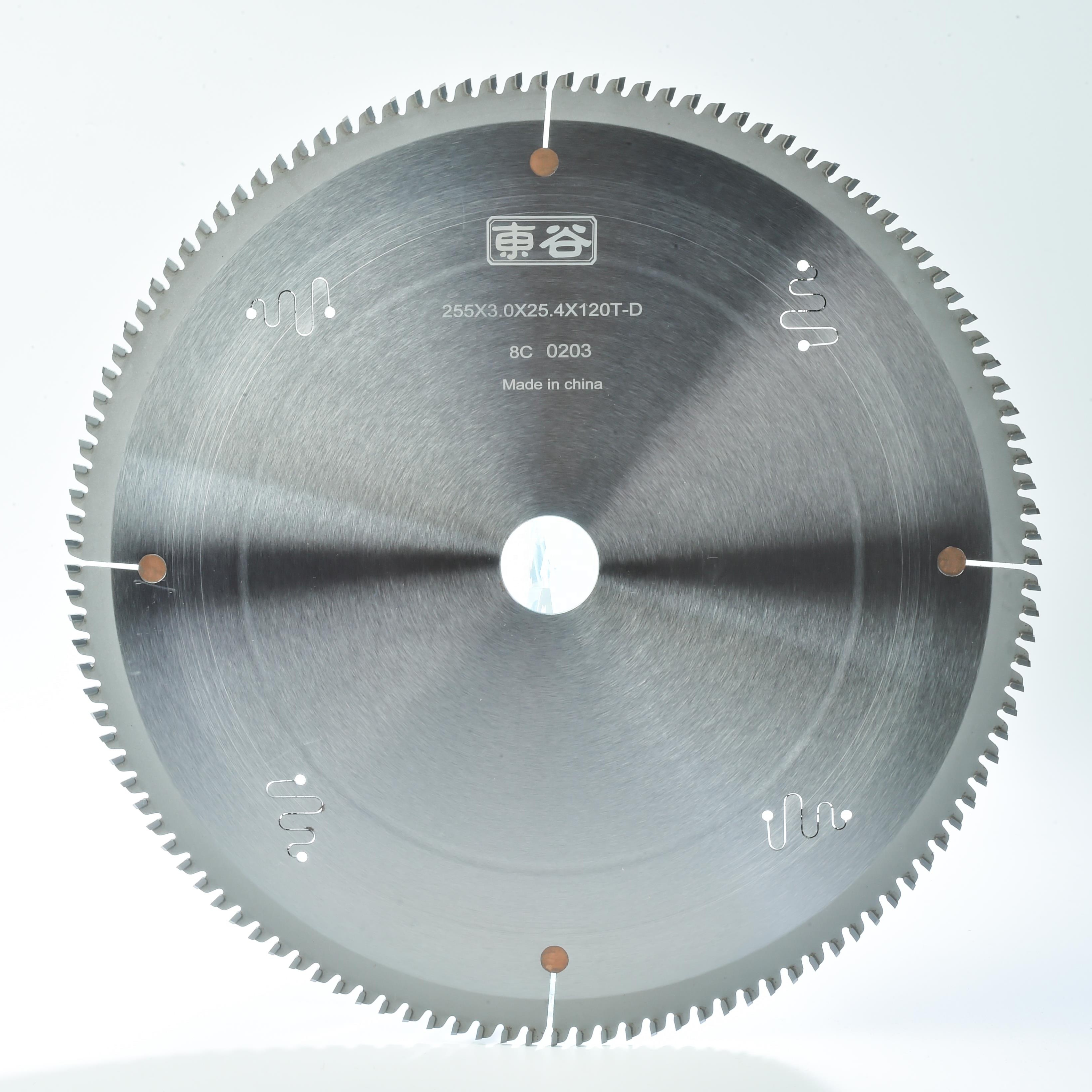
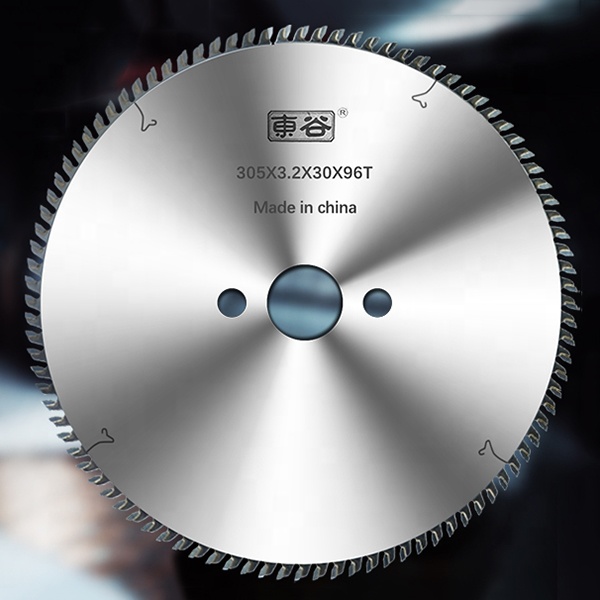
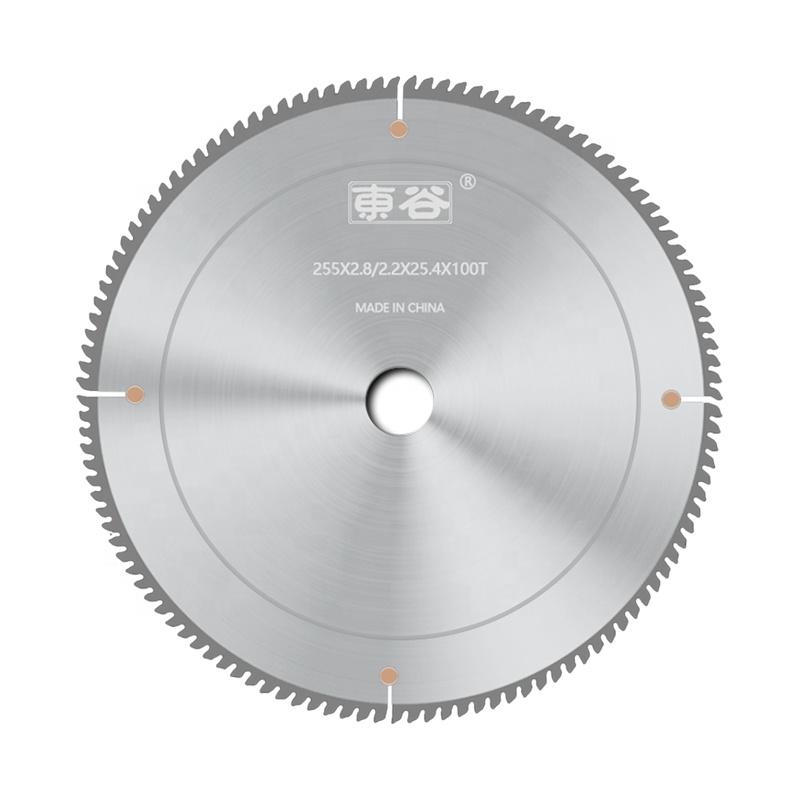
TCT stands for Tungsten Carbide-Tipped. These blades feature carbide teeth attached to a steel body, providing exceptional hardness, durability, and a longer operational lifespan when cutting wood and wood-based materials compared to standard steel blades.
Fewer teeth (like 24T) are ideal for fast, rough cutting and ripping along the wood grain. A higher tooth count (like 56T) provides a much cleaner, smoother finish, making it perfect for crosscutting and working with delicate laminates or plywood.
The kerf represents the width of the cut made by the blade, while the plate thickness refers to the blade body. A thinner kerf (like 1.4mm to 1.6mm) reduces wood waste, generates less heat, and requires less power from the saw motor, enabling faster cuts.
Yes, as long as the blade's outer diameter and the 20mm bore size match the spindle specification of your circular saw. Always verify your power tool's manual before mounting.
Yes, customized parameters such as diameter, kerf, bore size, and tooth counts can be accommodated to meet specific professional applications and machinery requirements.