Engineered to deliver exceptional thermal stability, dimensional accuracy, and extended tool life under extreme operational stress.
A precision-focused manufacturing powerhouse combining aerospace-grade materials, AI-guided engineering, and ISO-compliant QC standards.
Zhejiang DentFix Tool Co., Ltd. stands as a premier global manufacturer and specialized exporter of advanced precision CNC cutting solutions and premium tungsten carbide micro-engineered wear parts. Our corporate mission revolves around pushing the boundaries of mechanical material design to manufacture heat-resistant tools capable of executing ultra-precision cutting actions under massive thermal load profiles.
Leveraging deep industrial partnerships in the mold-making, automotive powertrain assembly, aerospace casing milling, and dynamic heavy manufacturing sectors, we combine raw materials of sub-micron grain size with advanced chemical vapor deposition (CVD) and physical vapor deposition (PVD) barrier processes. This scientific approach helps engineering teams keep production downtime to a minimum, manage friction-induced structural deformation, and increase cutting speeds ($V_c$) to optimize overall manufacturing capacity.
In high-speed, heavy-load manufacturing processes, tool wear is directly tied to the thermal management of the cutting zone.
Global supply chain managers, design engineers, and shop floors encounter persistent, costly pain points when choosing and integrating high-temperature toolsets. Standard tooling materials degrade rapidly when exposed to high-feed rates on tough alloys like Inconel, Titanium (Ti-6Al-4V), and martensitic stainless steel. These alloys feature low thermal conductivity, meaning the friction heat (which can surpass 1,000°C in the cutting zone) stays concentrated right at the tool edge instead of dispersing with the metal chips.
This localized heat buildup leads to several common tool failure modes:
Extreme thermal loading softens the cobalt binder phase in tungsten carbide inserts, causing the cutting edge to collapse under heavy chip loads.
Repeated cycles of rapid heating and cooling (especially when using liquid coolant on and off during milling) trigger thermal stress cracks along the tool flank, leading to sudden, catastrophic edge chipping.
At high temperatures, elements can actually diffuse between the workpiece material and the tool surface, breaking down coatings and causing rapid crater wear behind the cutting edge.
The DentFix Structural Solution: To solve these specific industrial challenges, our engineered carbide tools leverage advanced metallurgy formulations and proprietary substrate-coating combinations. We use enriched submicron carbide grades that maintain high hardness at elevated temperatures, paired with multi-layer PVD nano-composite coatings like TiAlN and AlTiN. These coatings form a protective, heat-resistant aluminum oxide layer right at the cutting boundary, allowing for efficient dry machining and reliable performance under high thermal stresses.
Delivering high-performance machining setups customized for specific high-stress industrial applications.
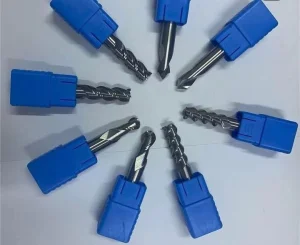
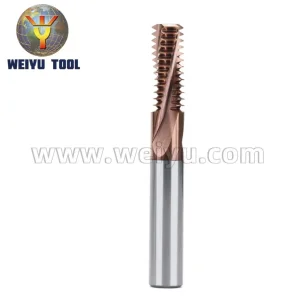
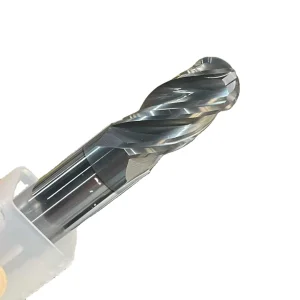
Designed for turning and milling turbine blades, compressor casings, and structural components made from Inconel, Monel, and titanium alloys. DentFix thread milling cutters and solid carbide ball nose tools ensure minimal heat generation to preserve the component's surface metallurgy.
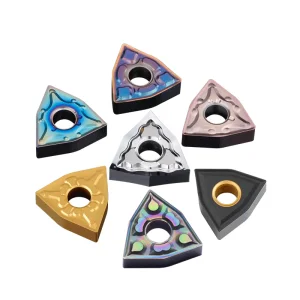
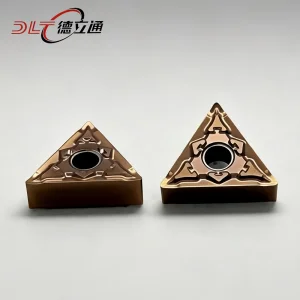
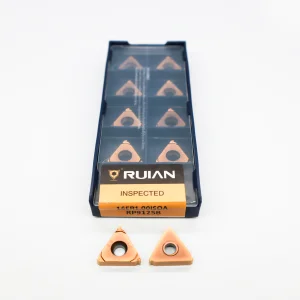
Optimized for processing cast irons, high-alloy automotive cylinders, and forged crankshafts. Our customizable indexable turning inserts (like the TNMG and WNMG series) are engineered to withstand continuous thermal loads, maintaining high-precision dimensional tolerances across long production runs.
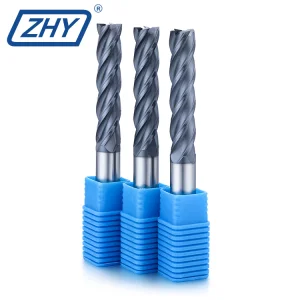
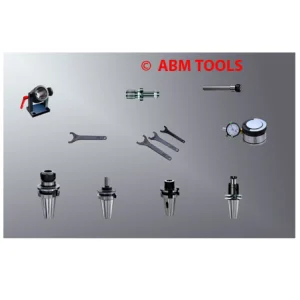
For high-hardness tool steels (HRC 55 to HRC 60+), DentFix utilizes advanced end mills and high-rigidity CNC toolholders. These tools deliver excellent profile accuracy and pristine surface finishes while running under high thermal and mechanical mechanical stresses.
By using DentFix heat-resistant cutting tools, manufacturers typically see a 25% to 40% reduction in cycle times and up to a 1.5x increase in tool life compared to standard carbide tools. This directly lowers the total cost per part in production operations.
Our production facilities utilize modern technology and tight quality controls to deliver consistent dimensional and metallurgical accuracy across every batch.
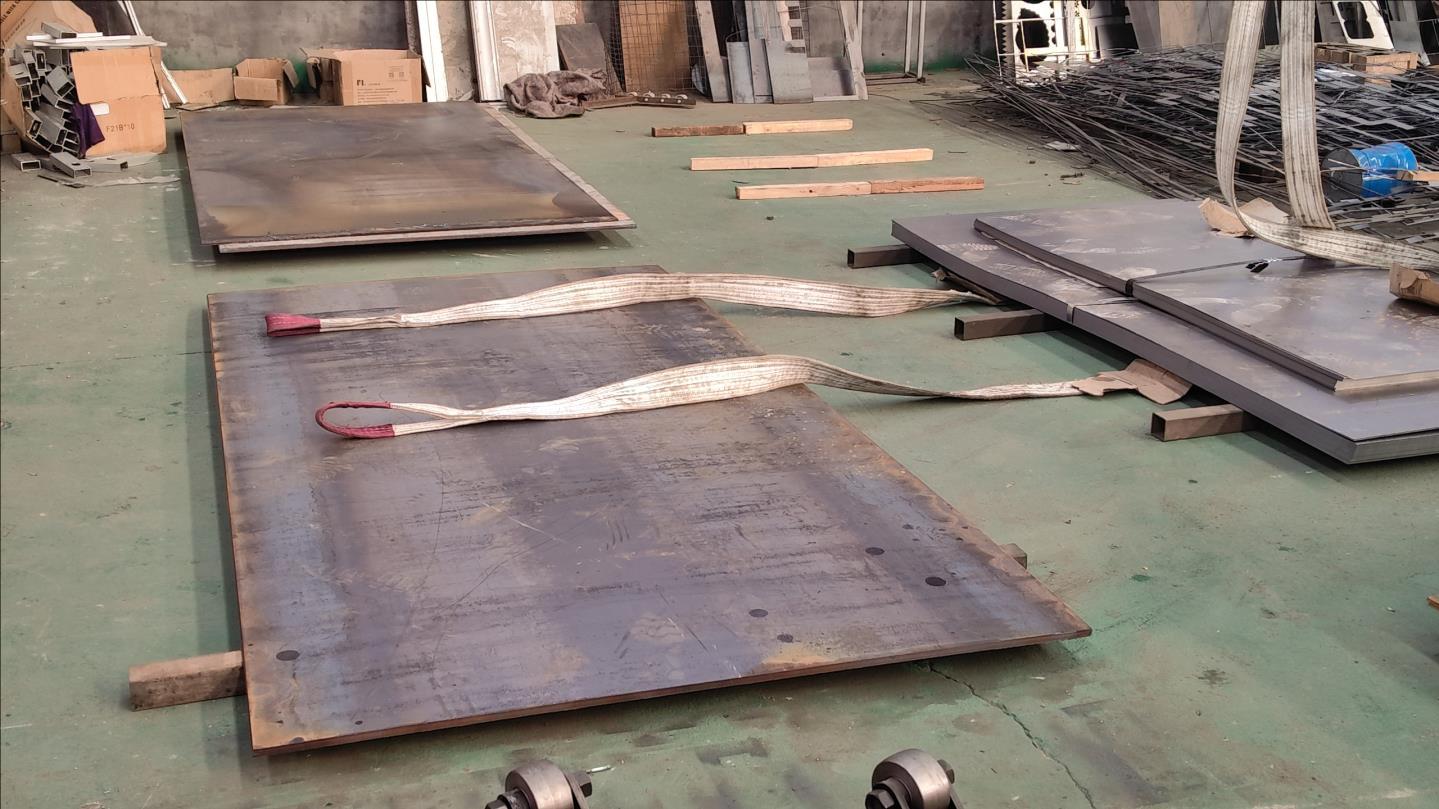
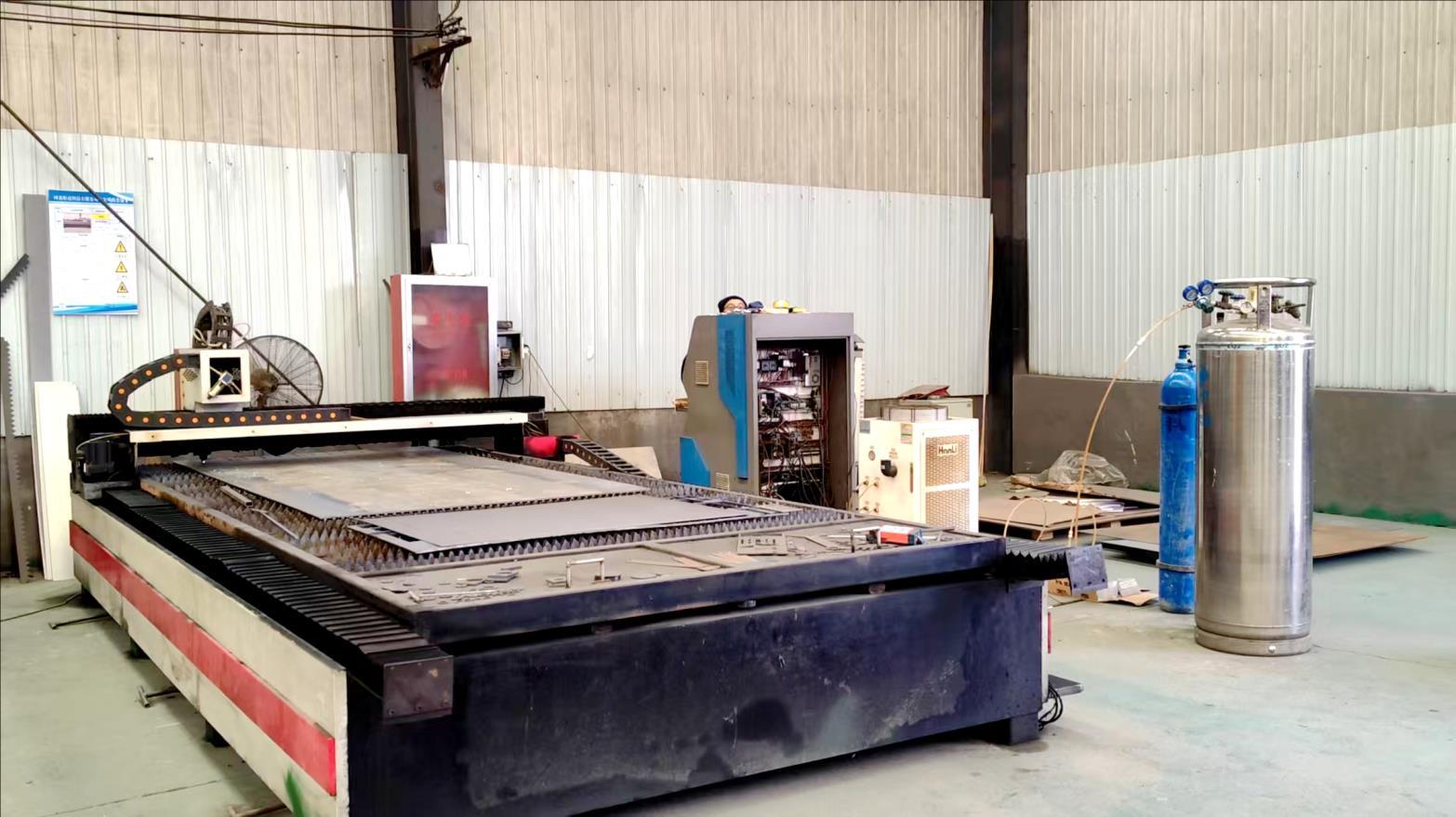
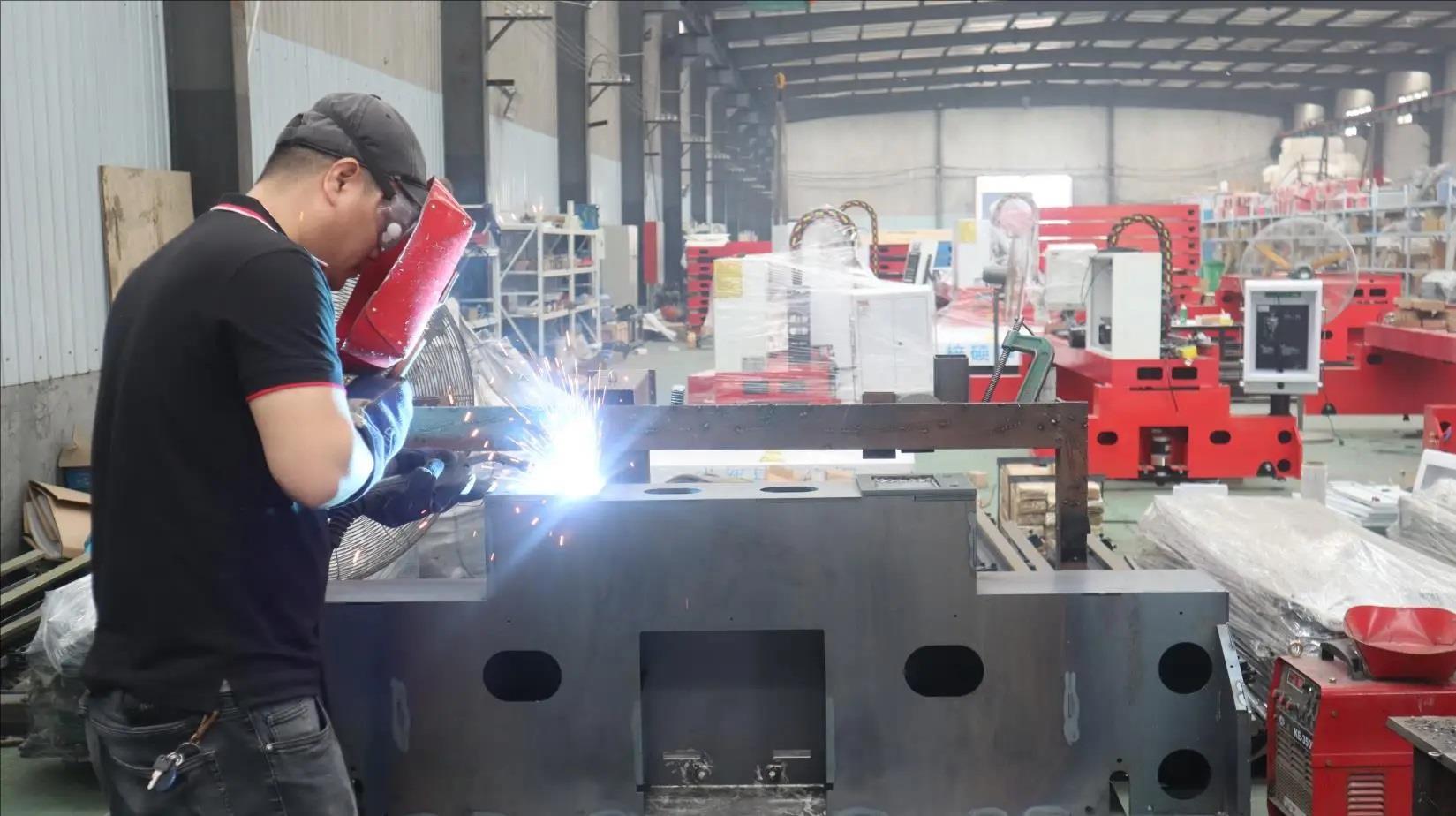
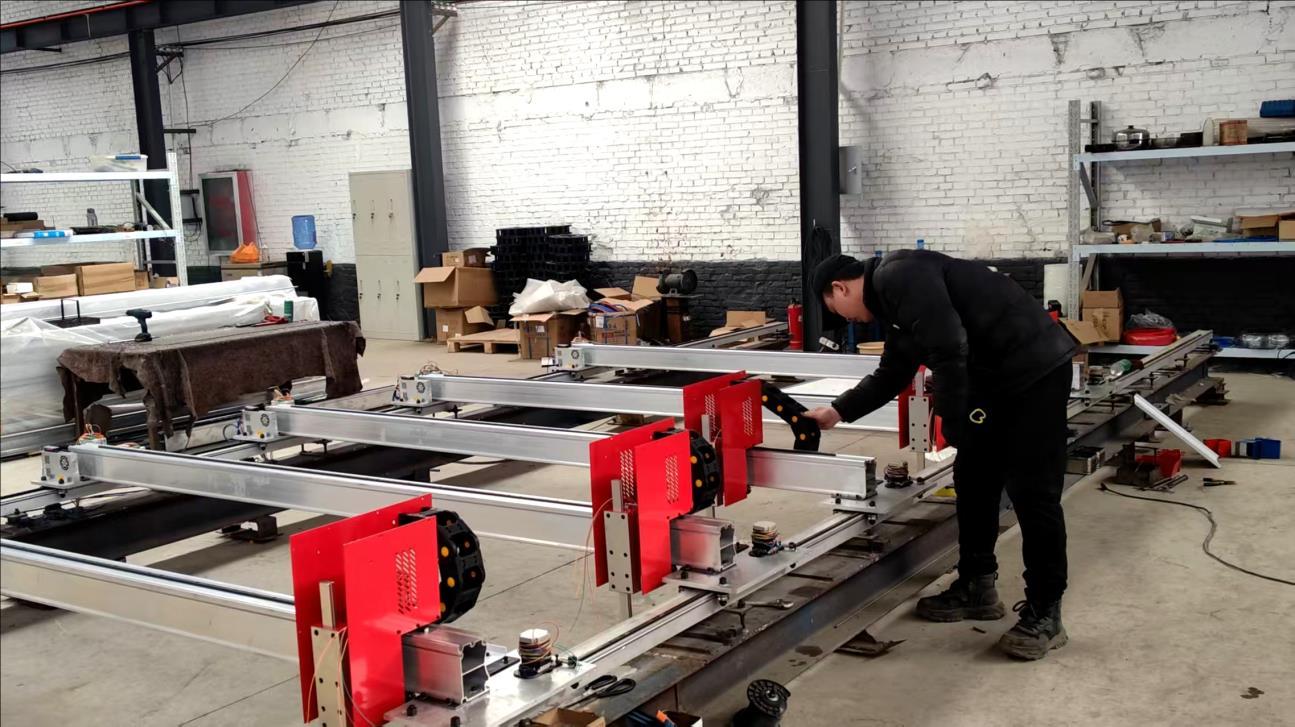
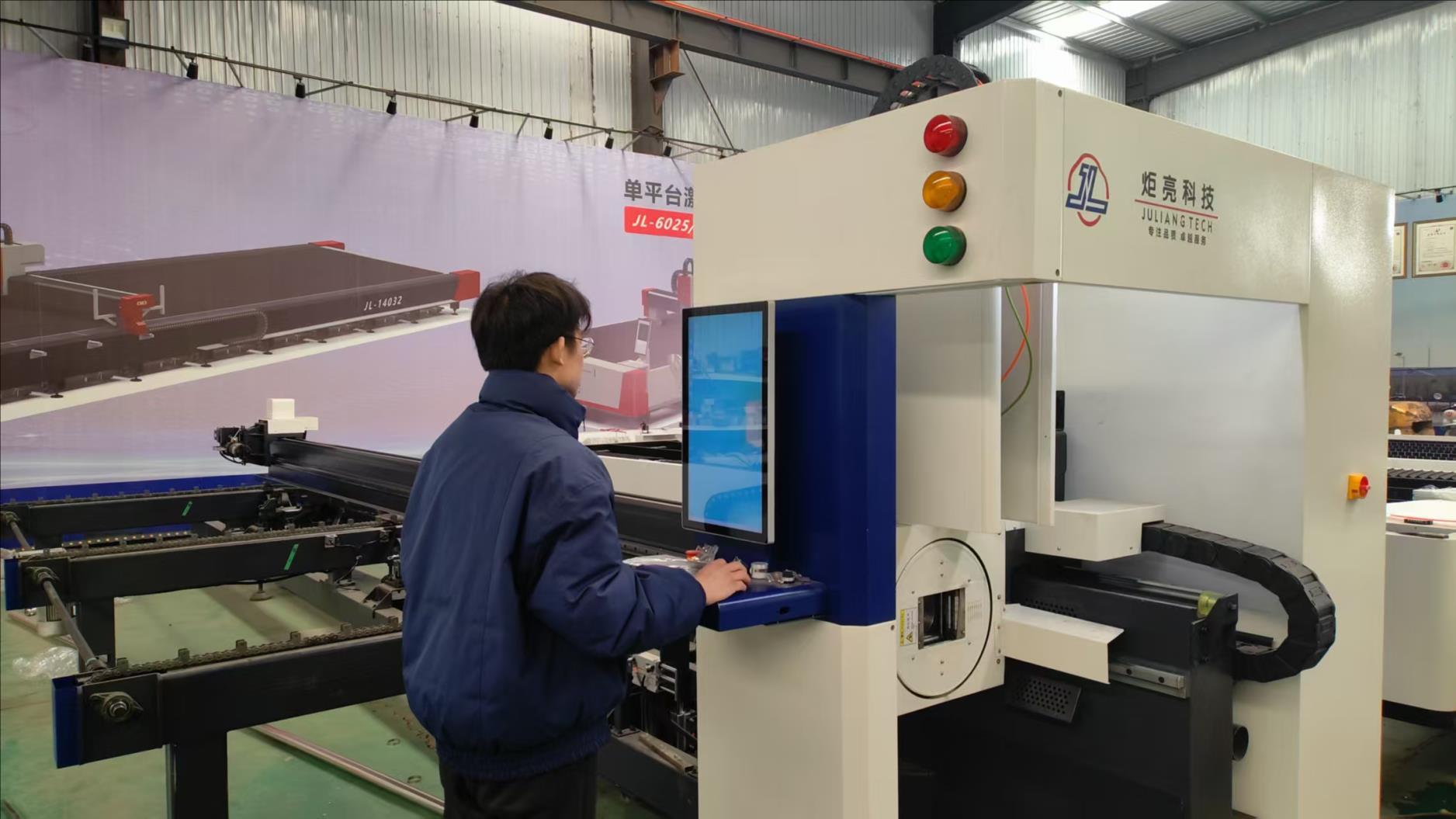
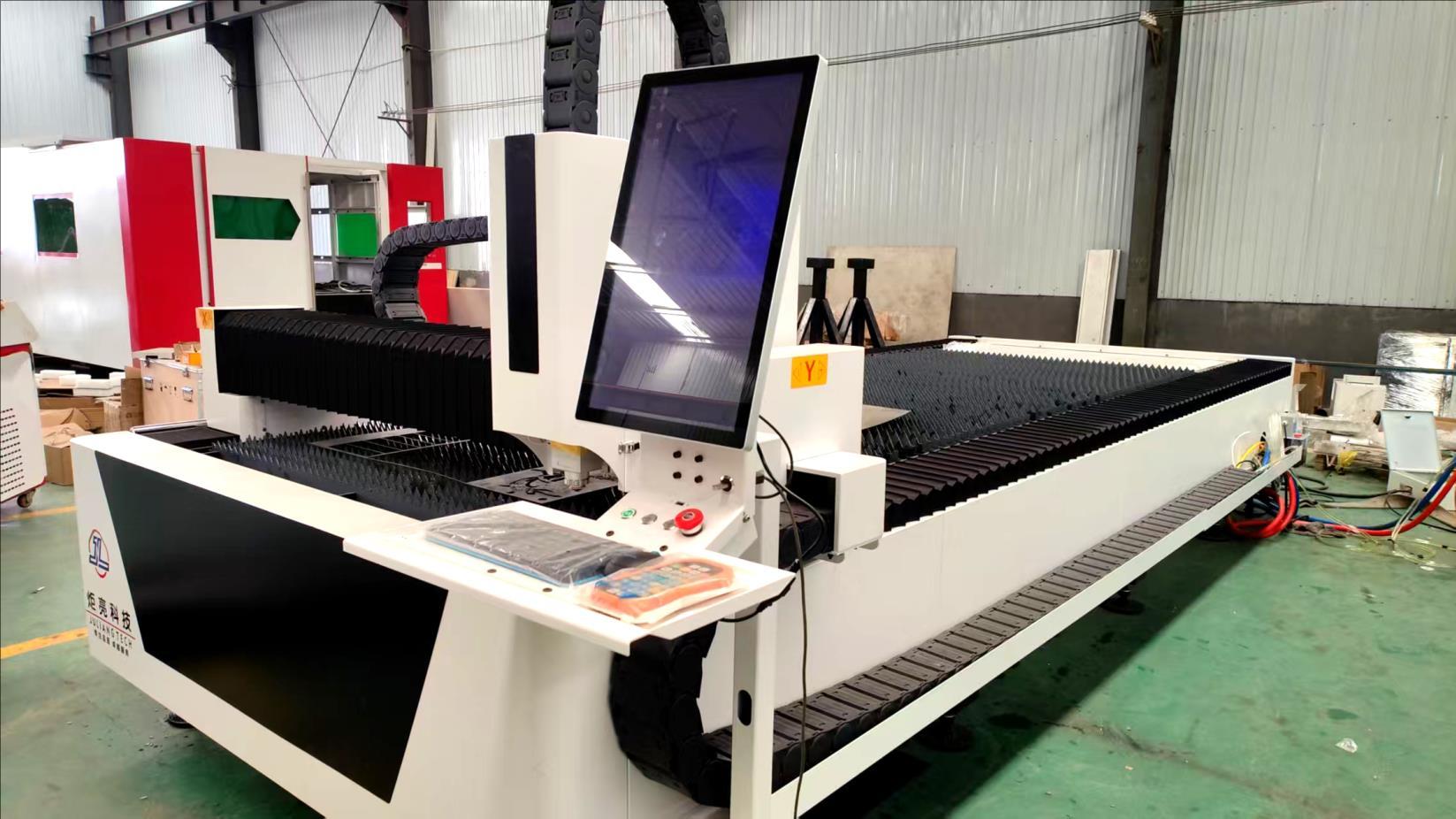
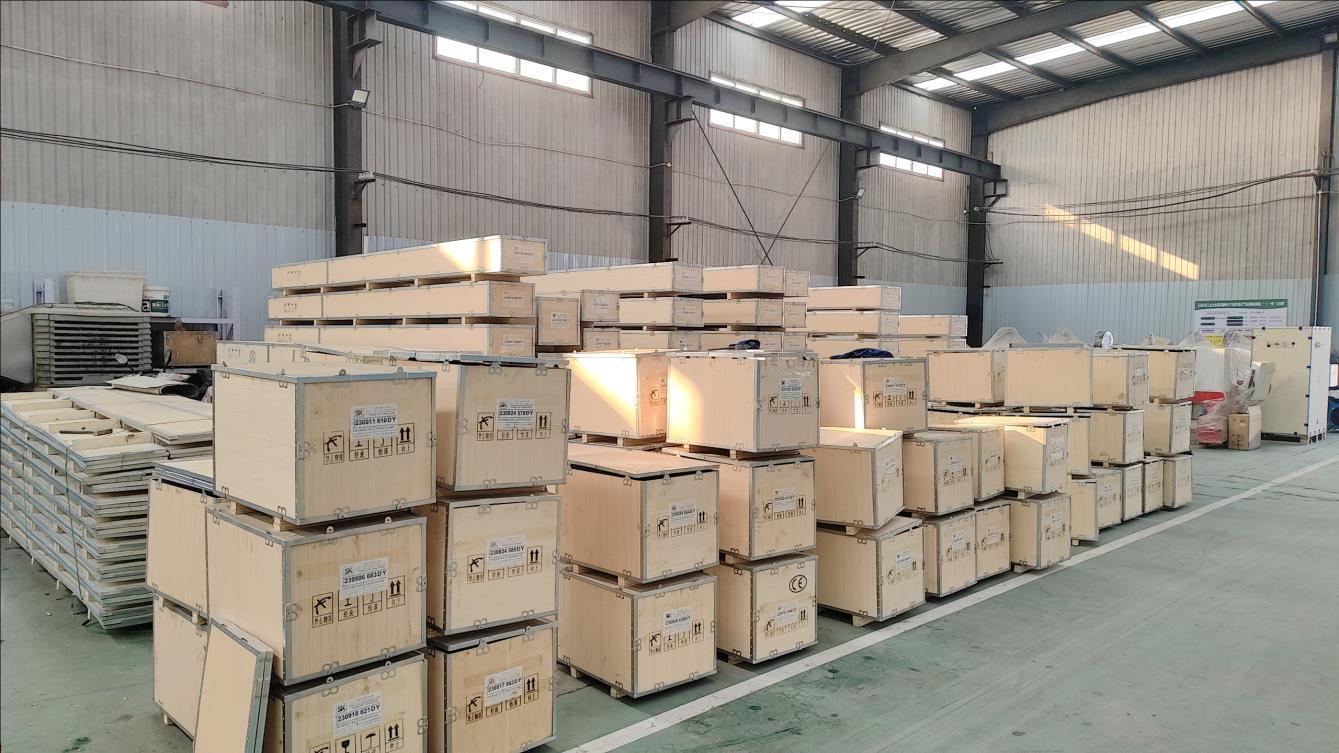
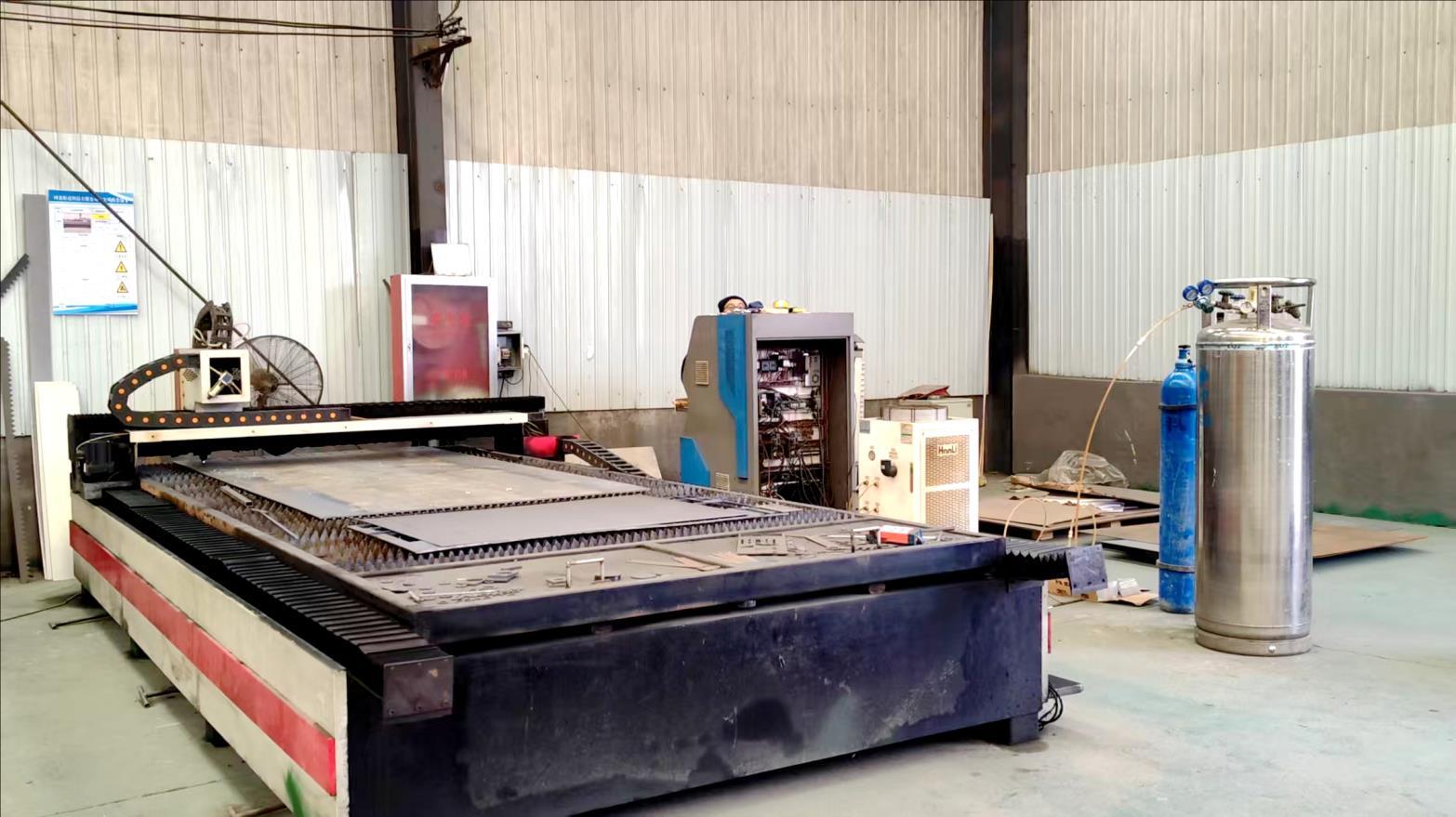
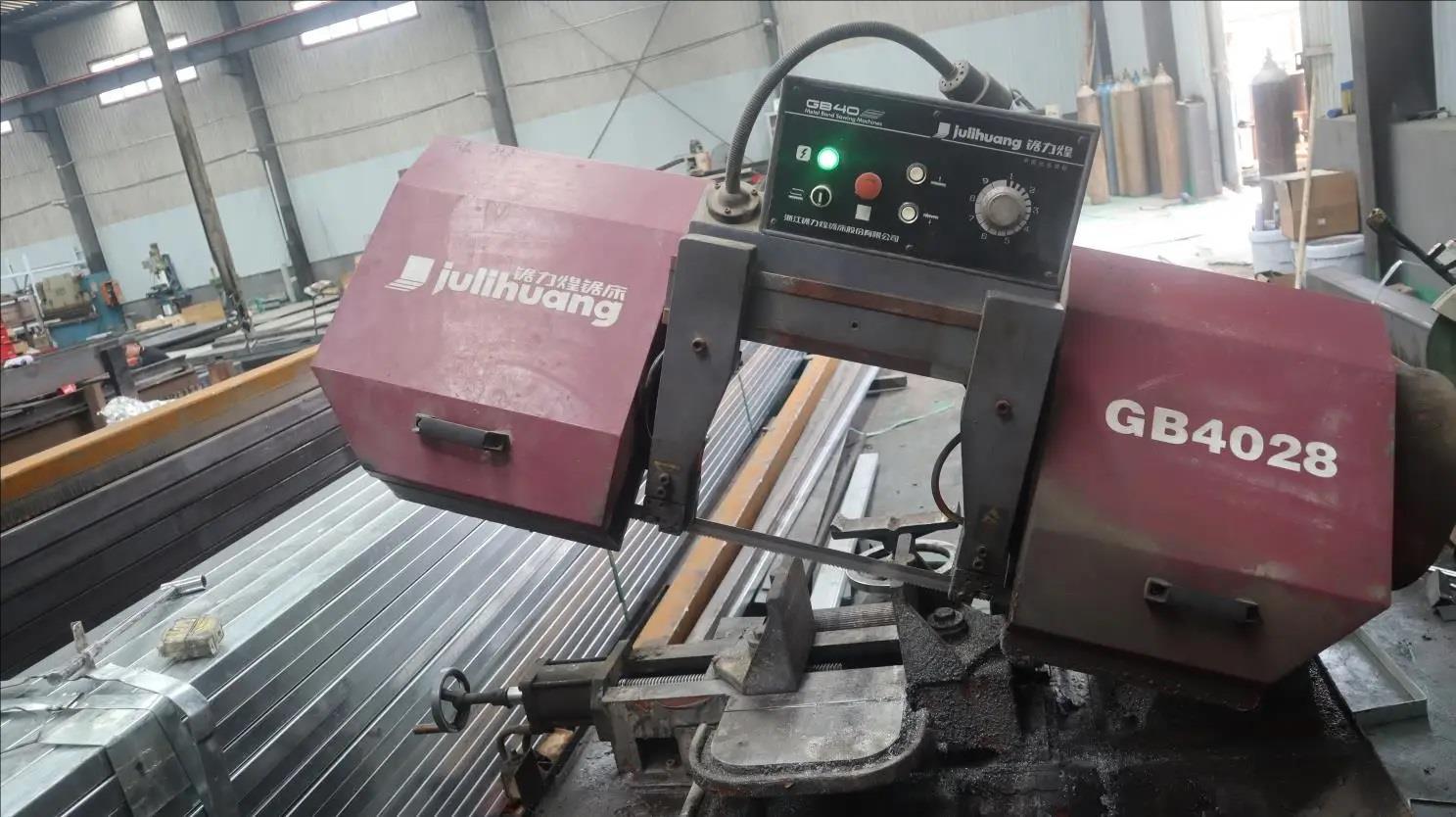
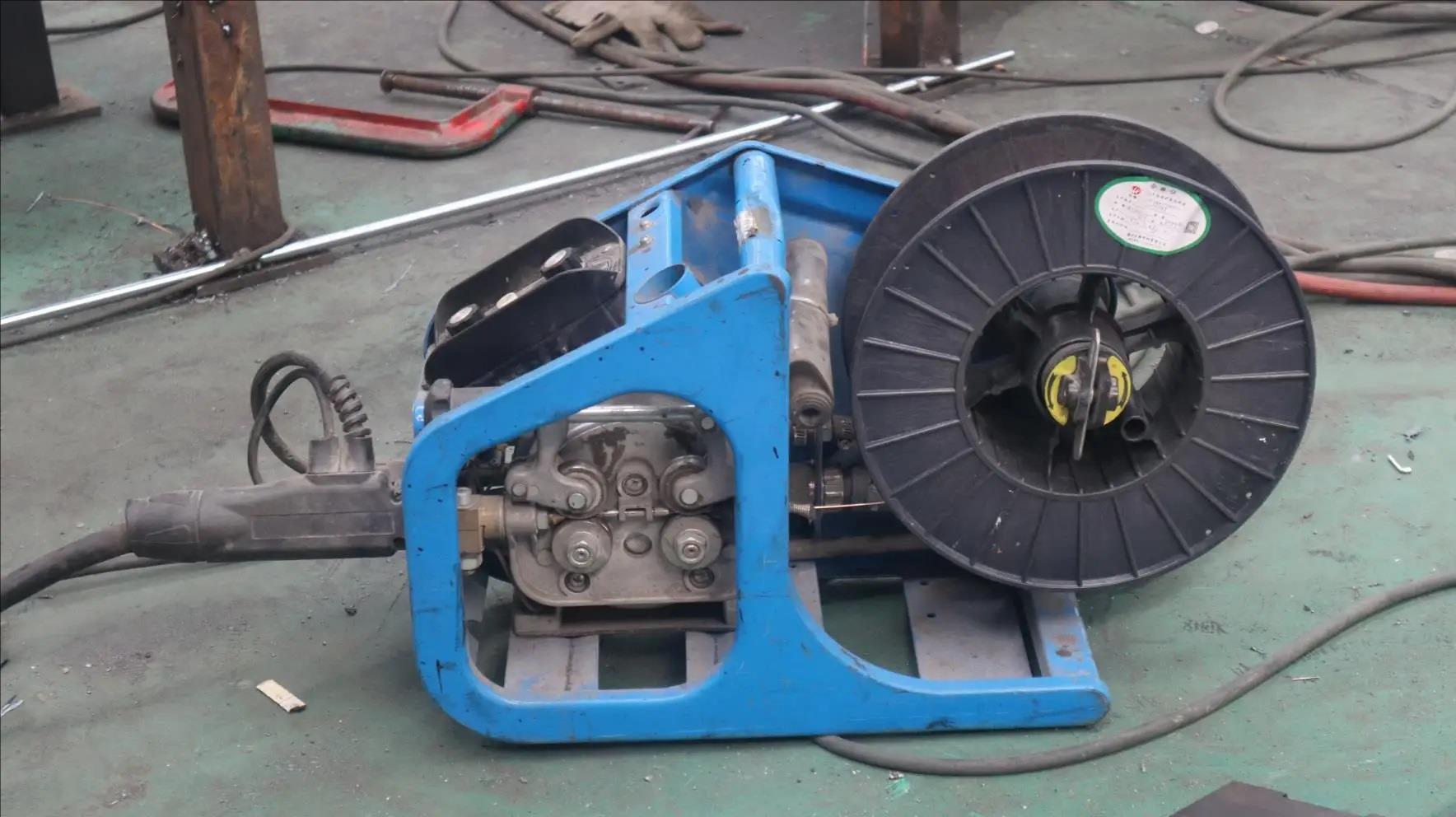
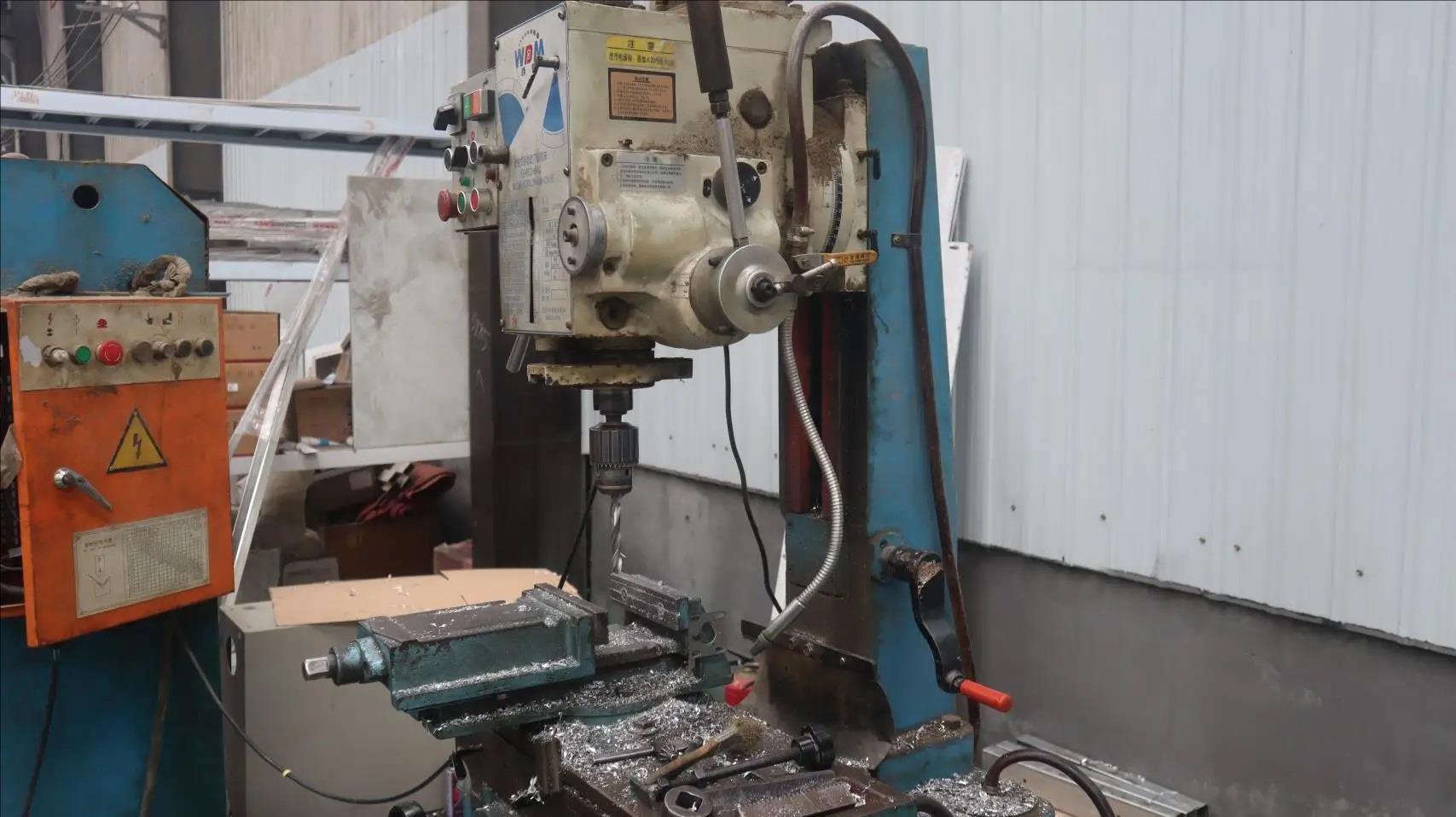
Our commitment to R&D ensures we continually improve our substrates, coatings, and tool geometries to meet evolving industrial demands.
A reliable logistics infrastructure and strict compliance systems ensure consistent, timely deliveries to global assembly lines.
Operating as an international industrial supplier requires robust logistics, reliable product tracking, and strict adherence to global regulatory standards. DentFix maintains a comprehensive supply chain framework designed to ensure seamless delivery and compliance for our global partners:
Direct answers from our engineering team on tooling performance, material chemistry, and optimizing machining parameters.
We formulate our substrates with high-purity tungsten carbide and a carefully balanced cobalt binder. By adjusting the cobalt content in the core versus the cutting edge, we improve thermal shock resistance and help prevent plastic deformation at temperatures up to 800°C.
For nickel-based superalloys like Inconel 718, we suggest starting with a cutting speed of 40 to 60 m/min when using AlTiN-coated carbide inserts. This range helps manage cutting temperatures while ensuring stable tool life and preventing premature wear.
Yes. Our AlTiN and TiAlN coatings form a protective aluminum oxide layer at high temperatures, which helps isolate the carbide substrate from heat. This makes them suitable for dry machining in materials like hardened steels, reducing thermal shock compared to wet machining.
Our solid carbide thread milling cutters feature optimized helix angles and reinforced core diameters. This structure helps minimize deflection under radial forces, ensuring clean thread profiles and efficient chip evacuation in deep-hole applications.
Every shipment undergoes ISO-certified quality control checks, including dimensional inspection and coating adhesion tests. We provide material certificates and test reports upon request to ensure transparency and compliance for industrial projects.
Yes. We provide OEM/ODM customization services. Our engineering team can design custom tool geometries, adjust rake and relief angles, and select specific coatings to meet the machining requirements of your proprietary alloys.
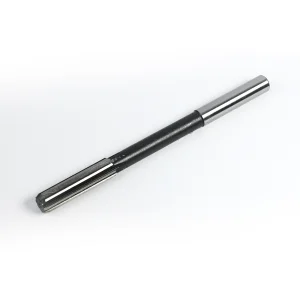
Explore the rest of our high-durability CNC toolholders, milling cutters, reamers, and carbide inserts.
 DentFix Tool