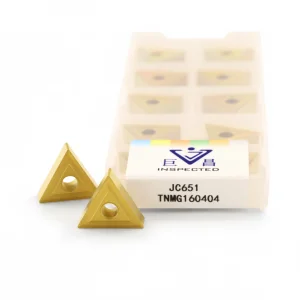
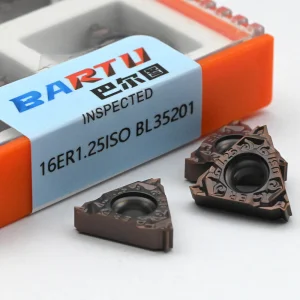
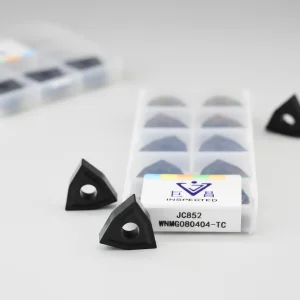
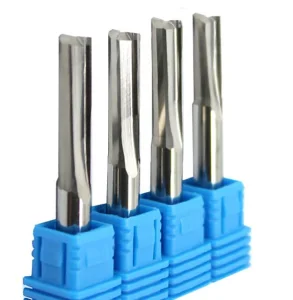
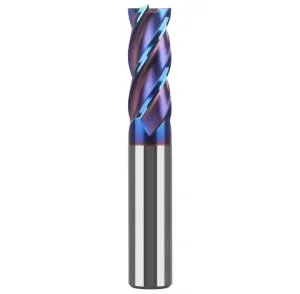
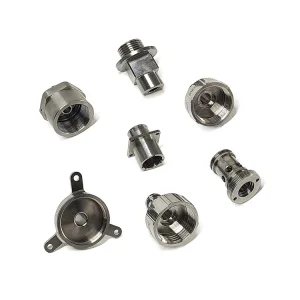
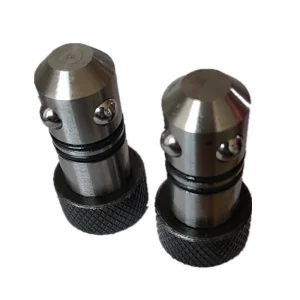
High-performance engineering components and cutting systems optimized for material removal rate (MRR).
Zhejiang DentFix Tool Co., Ltd. stands as a premier global enterprise specializing in the design, engineering, and manufacturing of custom solid carbide solutions and precision roughing tools. Armed with a deep understanding of metal removal physics and carbide material science, we cater to demanding applications across the aerospace, automotive, die and mold, power generation, and heavy engineering sectors.
Our commitment goes beyond traditional manufacturing. We apply advanced finite element analysis (FEA) to develop specialized chip breaker geometries and optimized helix configurations. By maximizing raw material durability and tool geometry, DentFix helps global machine shops dramatically improve material removal rates (MRR), decrease tool cycles, and reduce total cost of ownership (TCO).
Through robust R&D, intelligent automation, and strict adherence to internal quality benchmarks, we have established a reputation as a trusted OEM/ODM partner for multinational procurement teams seeking high-performance rotary cutting tools, indexable inserts, and toolholder systems.
Our engineering superiority is built upon four pillars that support high-volume CNC roughing operations:
An in-depth look at how material innovation and geometric improvements drive high-efficiency rough machining.
In modern CNC machining, the roughing phase is the most critical driver of productivity. Its primary objective is to remove the maximum volume of raw material as quickly as possible, leaving a uniform stock for the finishing cycle. Historically, roughing relied on simple geometries and high feed rates. However, modern manufacturing demands high-speed roughing (HSR) and high-feed milling (HFM) strategies that require specialized tooling designs.
"Modern roughing tools must manage the thermodynamic transition of heat away from the tool substrate and into the chip, preventing premature plastic deformation and ensuring predictable tool wear."
The evolution of roughing tools is marked by several technological leaps:
1. Substrate Engineering: Traditional tungsten carbide substrates often failed under the thermal shocks of interrupted roughing. Today, DentFix integrates micro-grain substrates with cobalt-enriched zones. This gradients-rich carbide structure prevents crack propagation from the cutting edge into the core, balancing surface hardness with internal impact toughness.
2. Progressive Helical and Pitch Geometries: Variable helix angles and unequal flute indexing (variable pitch) are critical design features of DentFix solid carbide roughing end mills. By breaking up the cutting frequency, these designs suppress harmonic vibration (chatter), enabling deeper axial depths of cut ($a_p$) and higher radial engagements ($a_e$) even in weak setups.
3. Advanced Nano-structured Coatings: Working with high-hardness or abrasive metals causes extreme thermal loading. Our specialized coatings (like Titanium Aluminum Silicon Nitride, TiAlSiN) form a protective aluminum-oxide layer at temperatures up to 1100°C. This layer acts as a barrier, preventing heat transfer to the carbide body and protecting against adhesive wear.
Global procurement specialists face the challenge of balancing immediate cost considerations with long-term tool performance. Relying solely on low-cost tools often leads to hidden expenses, such as frequent downtime, scrap parts, and inconsistent production runs.
At DentFix, we work closely with procurement teams to address these operational challenges:
For custom requests, DentFix provides a structured, collaborative engineering process:
1. Initial Application Review: Customers share their target material specs (HRC, tensile strength), machine capabilities (spindle power, max RPM), and current bottleneck issues.
2. Geometric CAD/CAM Modeling: Our engineers design custom rake angles, relief geometries, and edge preparation steps to resolve these specific challenges.
3. Small-Batch Prototyping: We run trial batches for real-world validation under production conditions.
4. Industrial-Scale Manufacturing: Upon approval, we transition the tools to automated production, maintaining strict tolerances and surface finishes.
Take a closer look at the step-by-step production flow and advanced equipment that support DentFix's high precision standards.
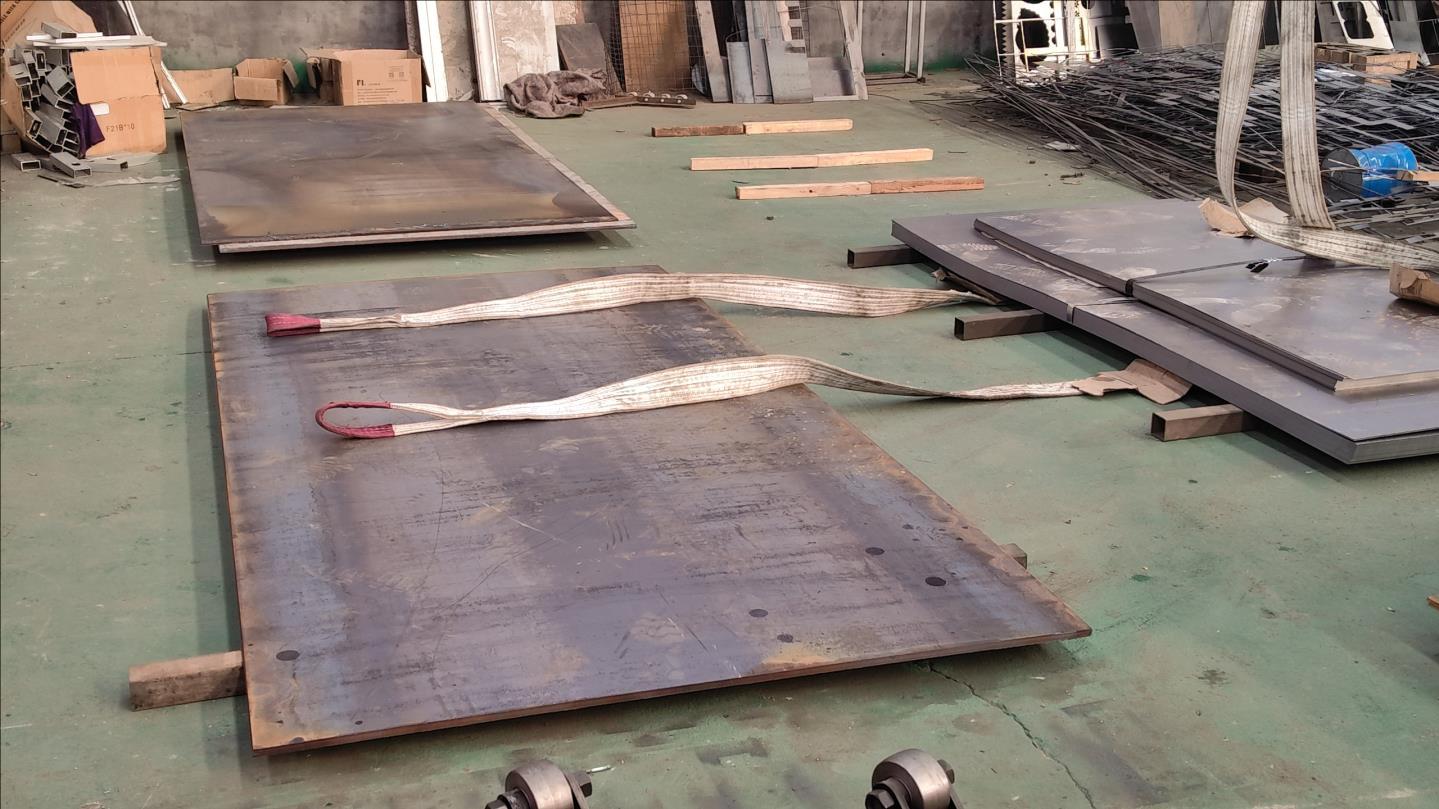
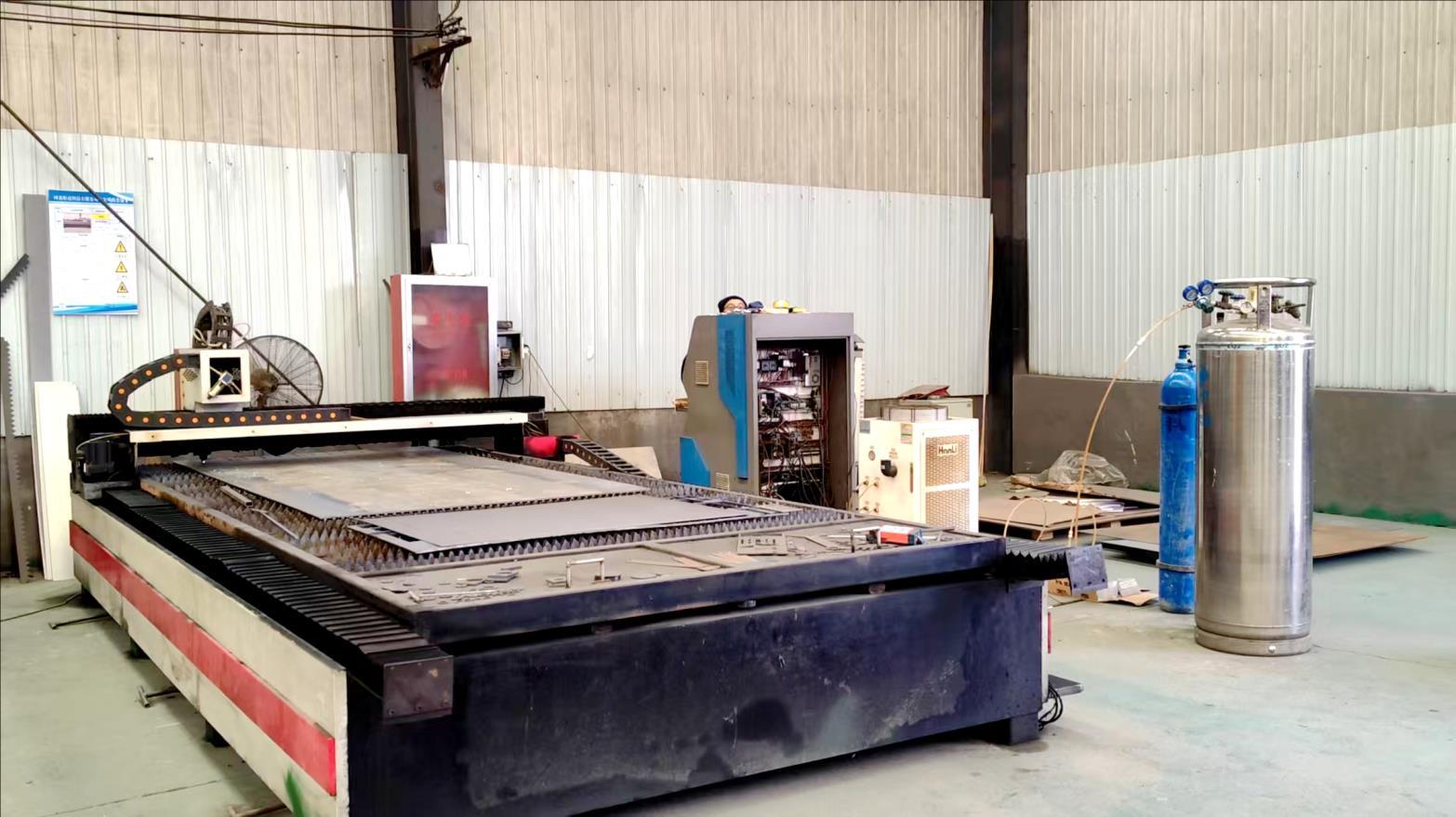
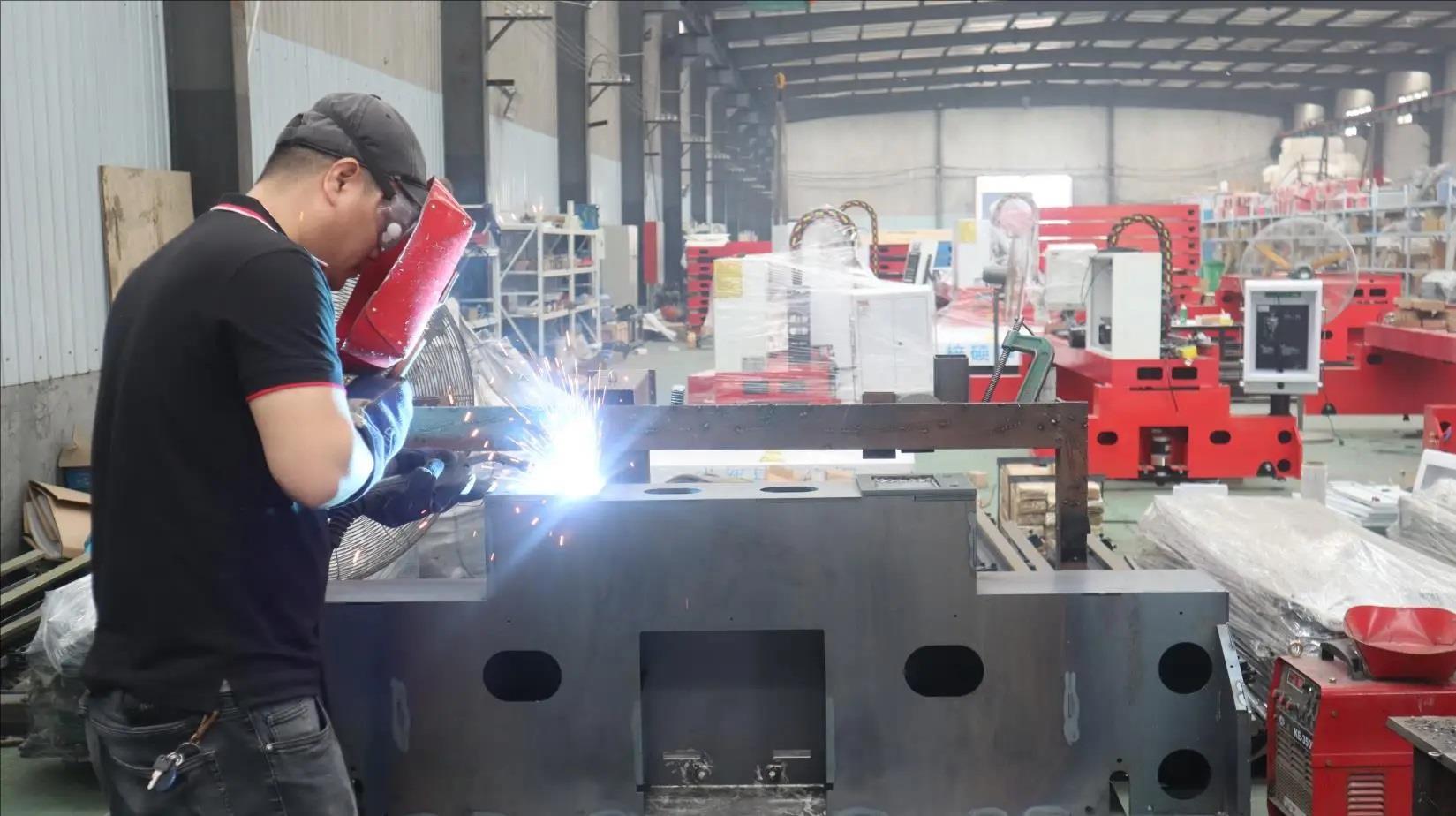
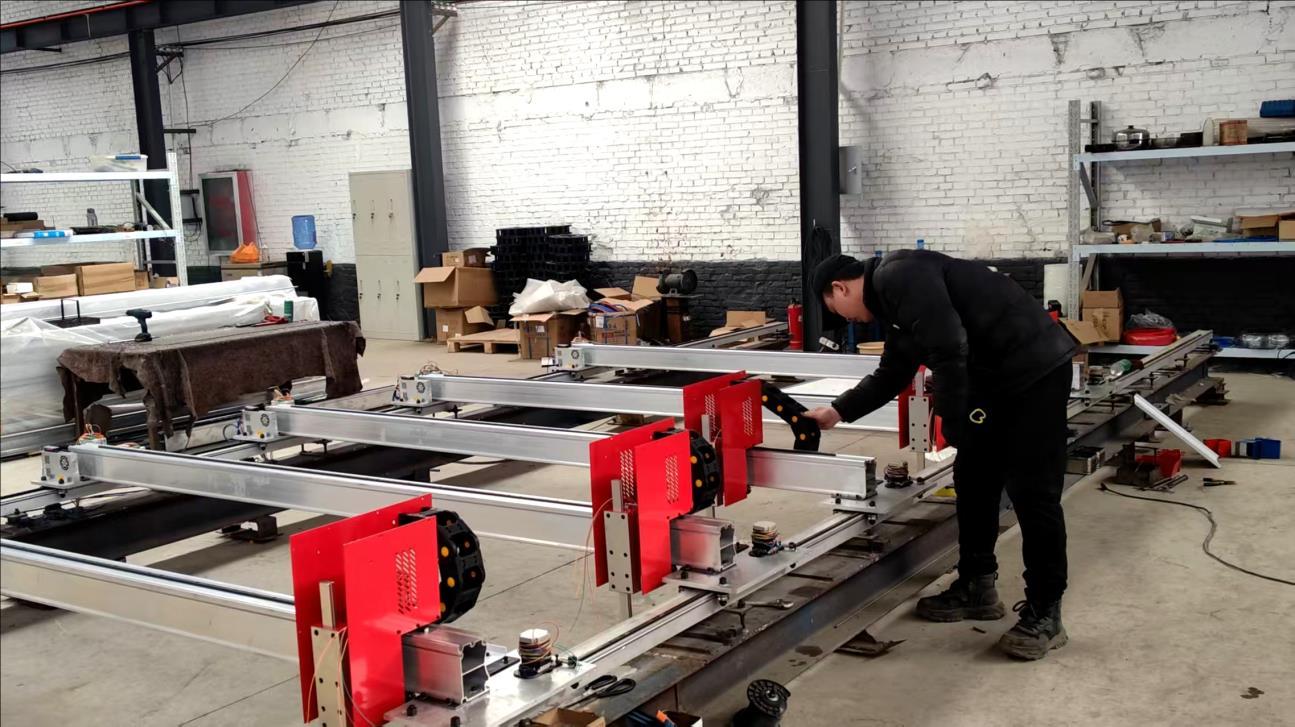
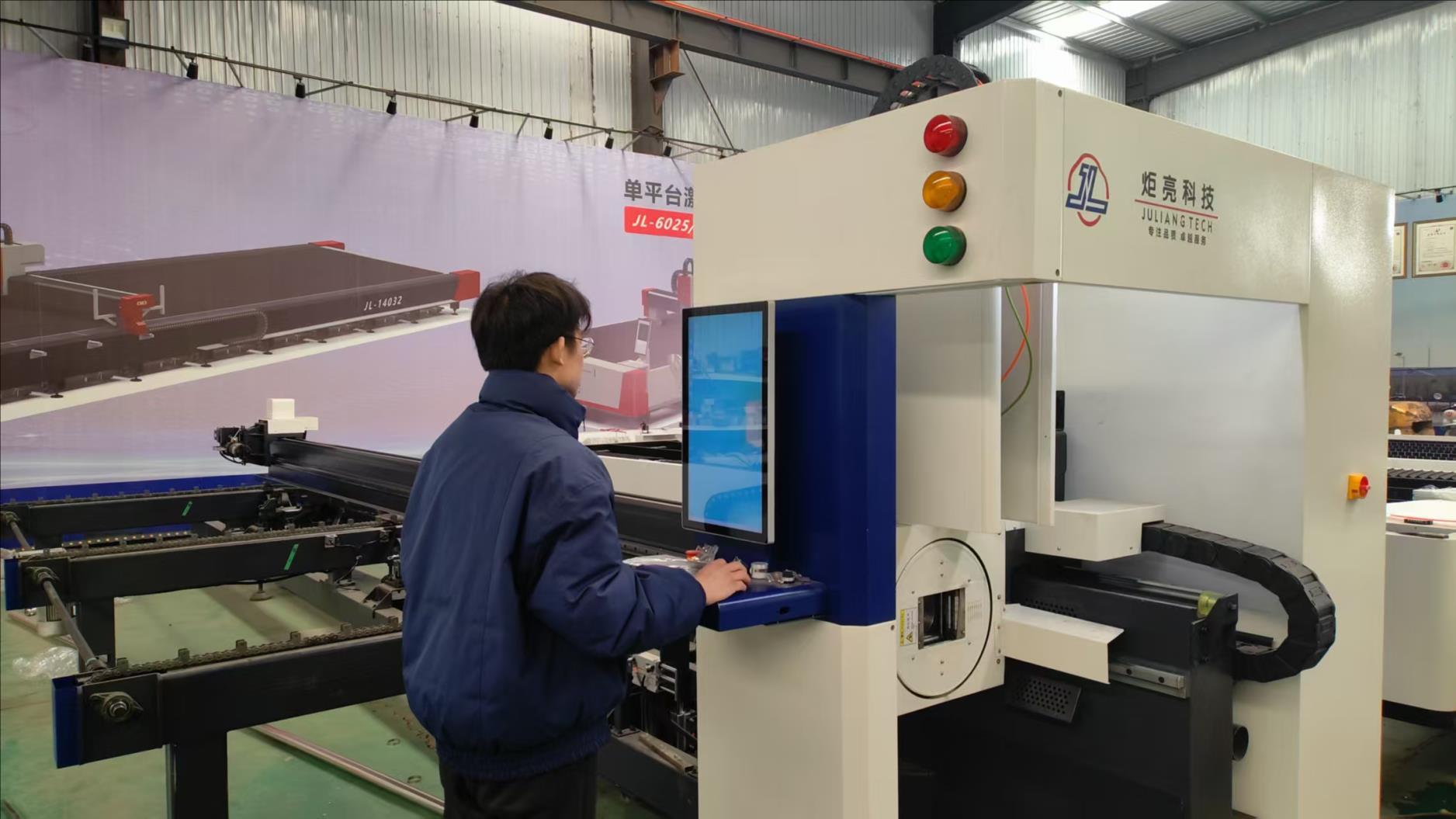
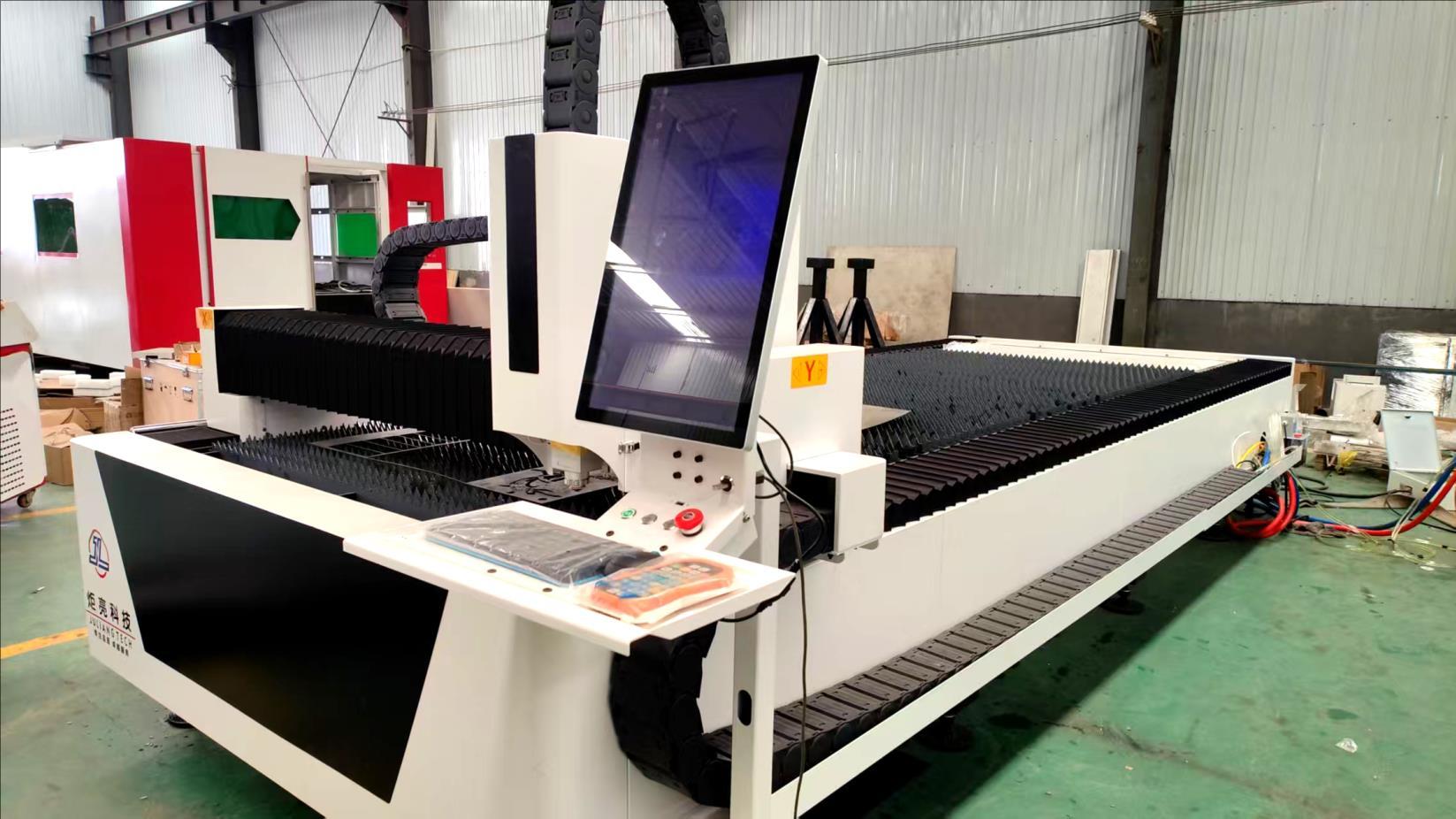
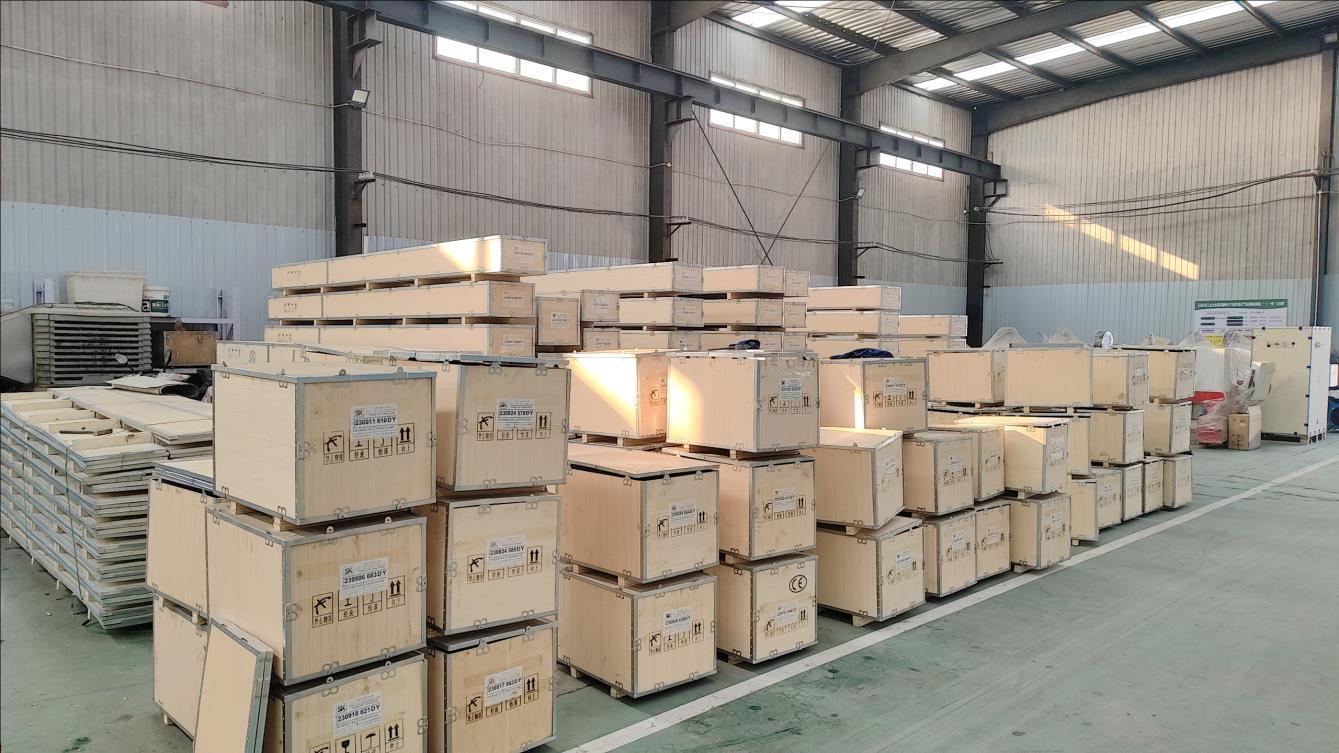
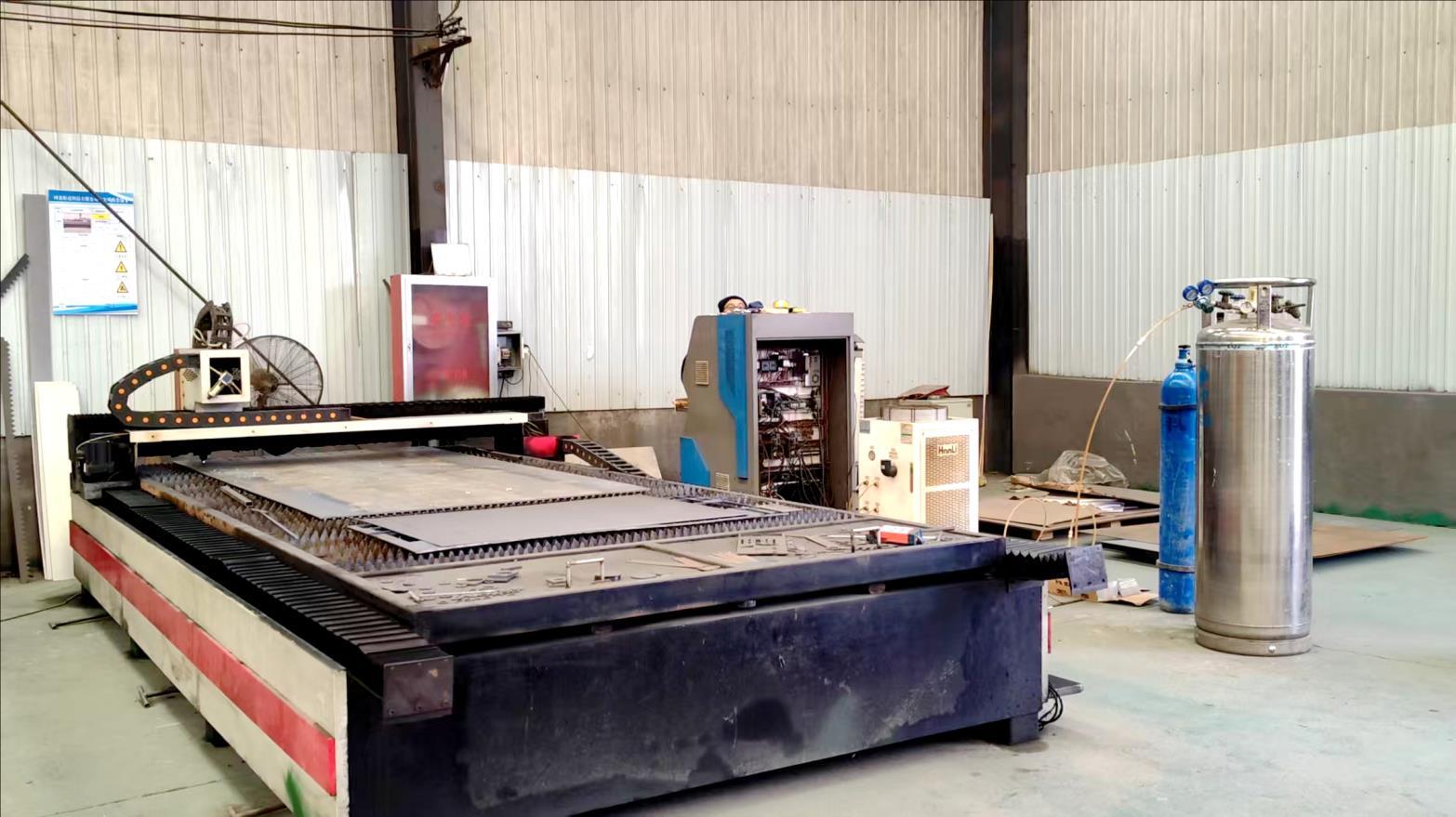
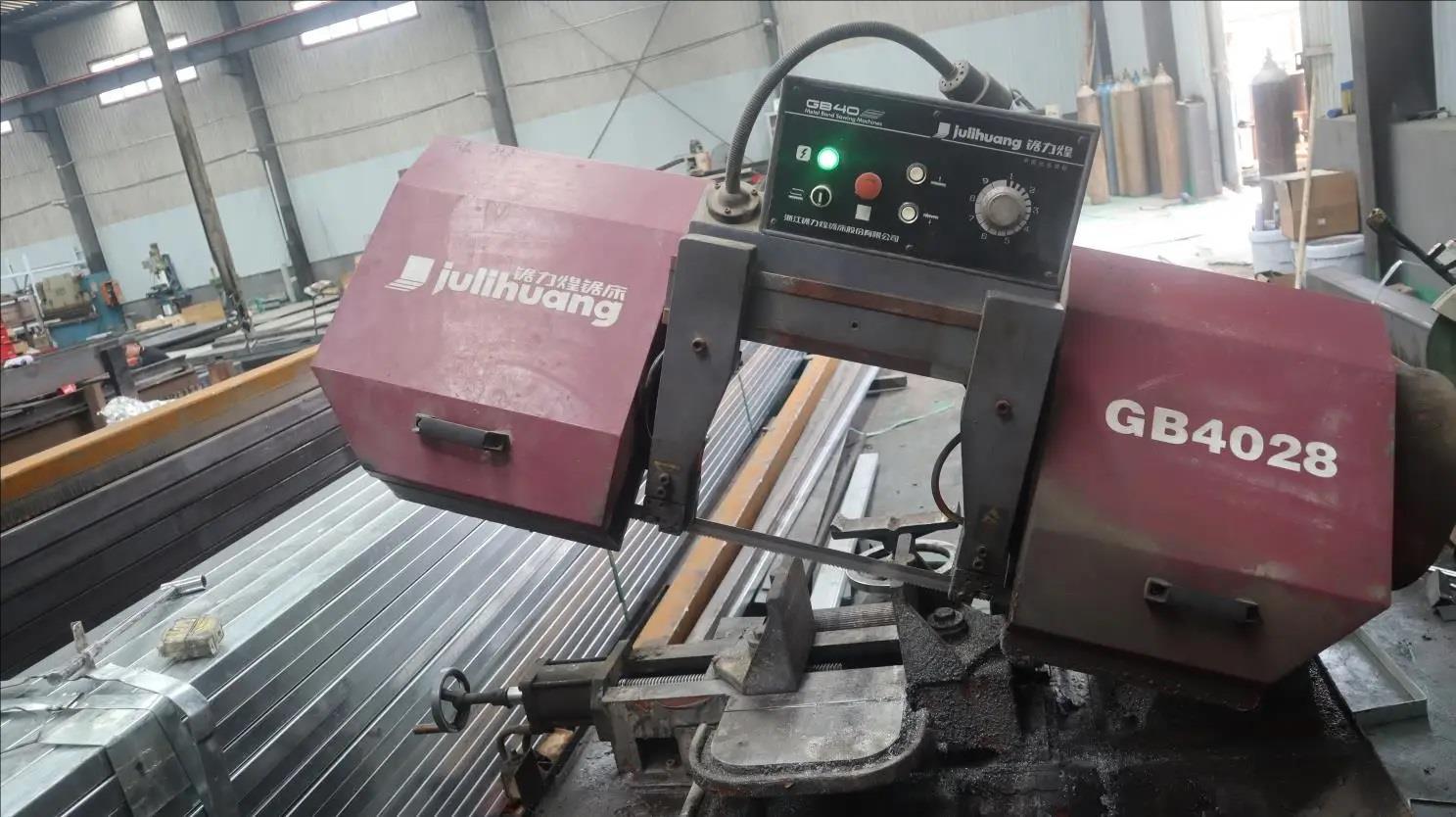
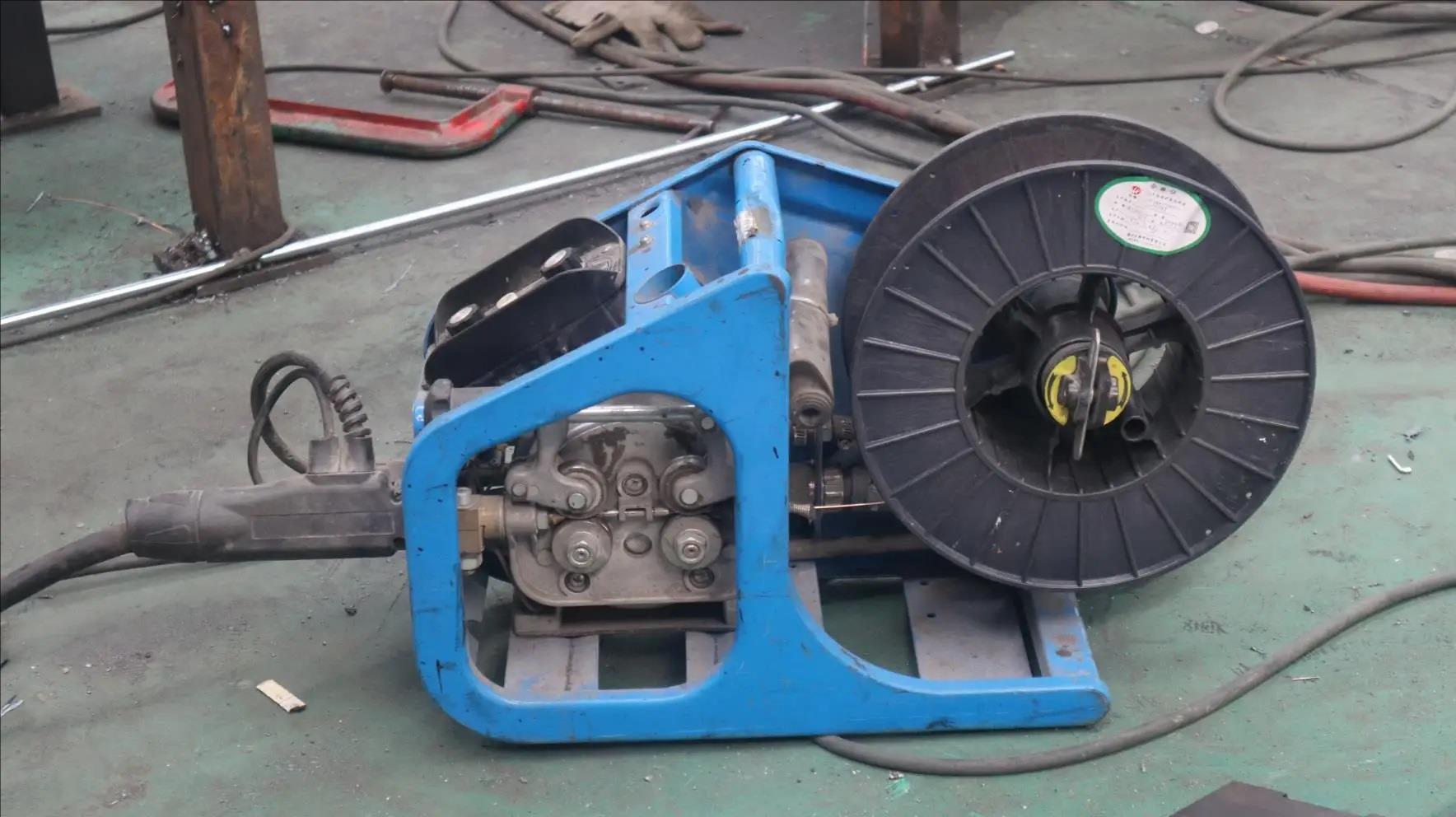
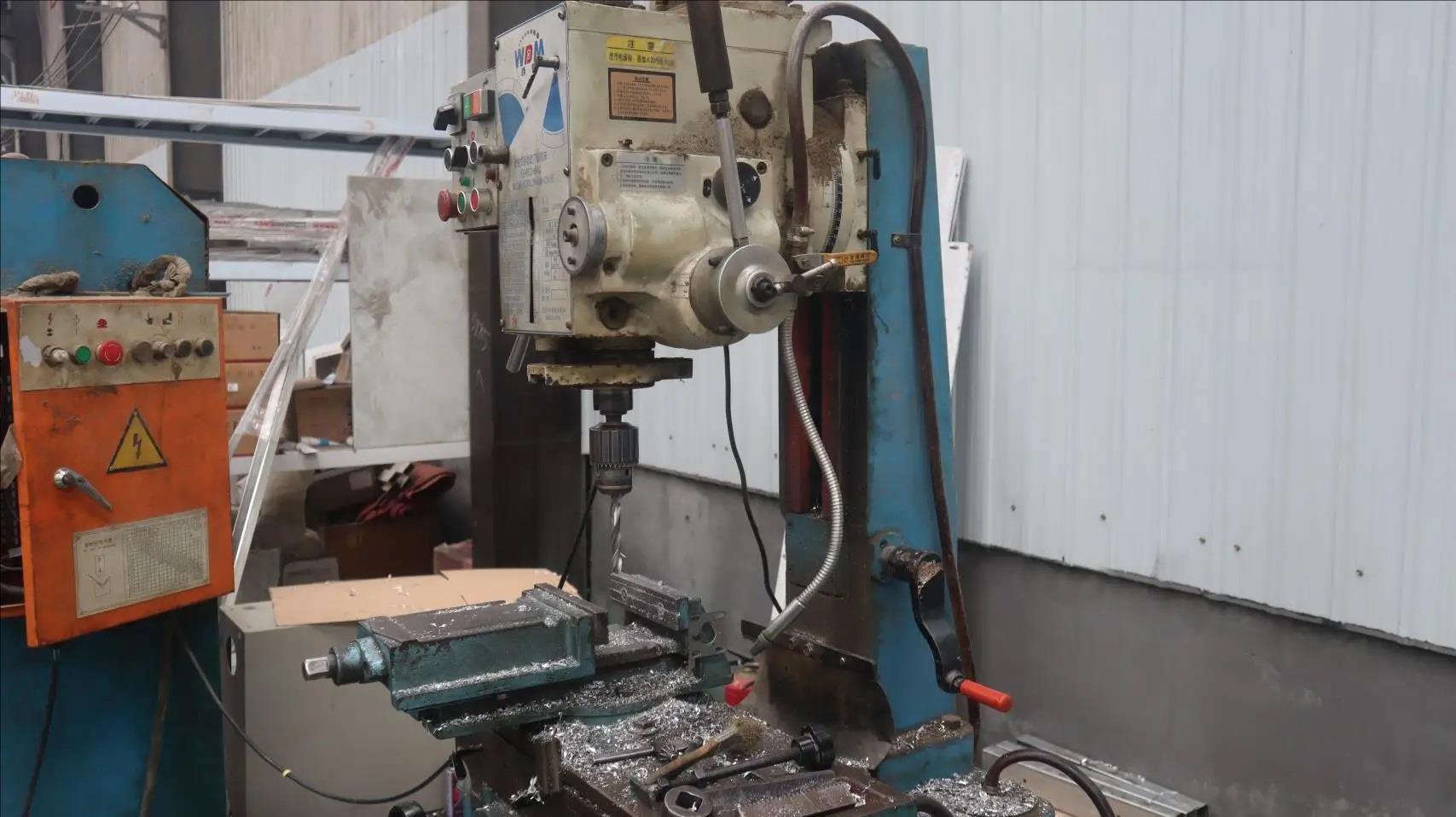
How DentFix roughing and milling systems solve high-load challenges across demanding manufacturing applications.
Machining Titanium Alloys (e.g., Ti-6Al-4V) and Nickel-based Superalloys (Inconel) creates high thermal stress and rapid work-hardening. DentFix offers positive rake angles, relief adjustments, and specialized coating configurations to help control heat buildup and support stable cutting performance.
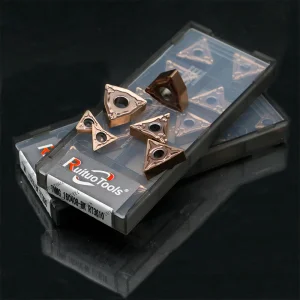
High-volume production of cast iron blocks, crankshafts, and aluminum alloy housings requires tools with highly predictable wear limits. Our indexable turning inserts and high-feed roughing end mills are optimized to reduce down-time, helping manufacturers keep their production lines running continuously.
Roughing pre-hardened tool steels (HRC 45–65) requires robust, chip-resistant cutting edges. DentFix implements micro-honed edges on our indexable inserts and solid-carbide ball nose cutters, preventing micro-chipping while keeping cutting forces low during long machining cycles.
How DentFix adapts to the changing demands of industrial automation, green manufacturing, and advanced metallurgy.
We are actively researching alternative binders to cobalt (such as nickel-chromium-based matrix designs) to improve tool performance at high temperatures, supporting high-speed dry machining applications.
To support automated manufacturing, DentFix is developing toolholders and indexable cutters equipped with internal sensors. These systems monitor real-world vibration, temperature, and wear patterns, providing real-time data to prevent unexpected tool breakage.
We are scaling up our carbide reclamation program, using advanced chemical processes to reuse recycled tungsten carbide without compromising structural integrity, helping our partners meet their sustainability goals.
Get answers to common technical questions about tool wear, speed optimization, and handling difficult materials.
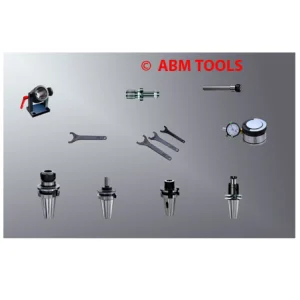
Explore our high-performance turning inserts, indexable milling tooling, and durable setup accessories.
 DentFix Tool