Explore our leading range of high-performance tooling systems, engineered for stability, speed, and uncompromising accuracy.
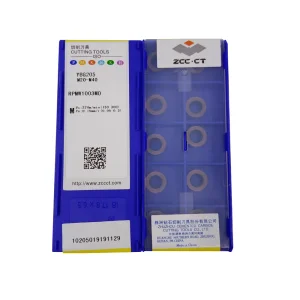
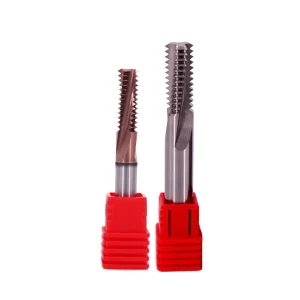
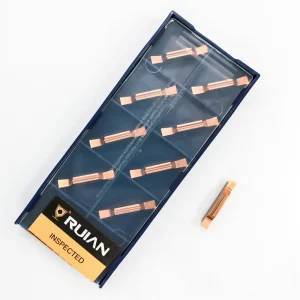
Zhejiang DentFix Tool Co., Ltd. stands as a premier manufacturer specialized in the design, engineering, advanced development, and global distribution of ultra-precision CNC cutting tools and advanced carbide solutions. Since our founding, we have established our core competencies at the intersection of metallurgy and structural physics. We serve high-demand sectors such as aerospace, automotive drivetrain manufacturing, heavy mold & die construction, energy systems, and high-precision medical machinery.
Driven by structural innovation and an unwavering commitment to engineering excellence, DentFix operates as an integrated modern manufacturing ecosystem. We combine fundamental material R&D, state-of-the-art automated production lines, rigid multi-phase testing, and comprehensive global customer application support. Our operations are centered on a singular, fundamental mission: to enable global manufacturers to achieve micro-level machining accuracy, extended wear resistance, and reduced operation-level manufacturing costs.
Operating under our corporate values of "Quality First, Precision Engineering, Process Innovation, and Absolute Reliability," we design our tools not just to meet basic specifications, but to exceed international performance standards. Every batch of carbide inserts and tooling systems is traced from primary chemical powder blending to final optical measurements.
At the heart of DentFix's market advantage is our specialized focus on structural engineering. By utilizing sub-micron and nano-grained tungsten carbide substrates, we control the micro-grain structures of our toolheads. This controls propagation of microscopic fractures under high-pressure cutting environments. Our facility leverages high-end CNC grinding machines, automated PVD (Physical Vapor Deposition) and CVD (Chemical Vapor Deposition) coating chambers, and advanced optical analysis setups.
This technology lets us deposit custom multi-layer coatings such as AlCrSiN and TiAlN with precise thickness control. This ensures high thermal oxidation resistance and low friction coefficients. The result is tools designed to endure the high temperature challenges of high-speed dry cutting and modern titanium/superalloy machining.
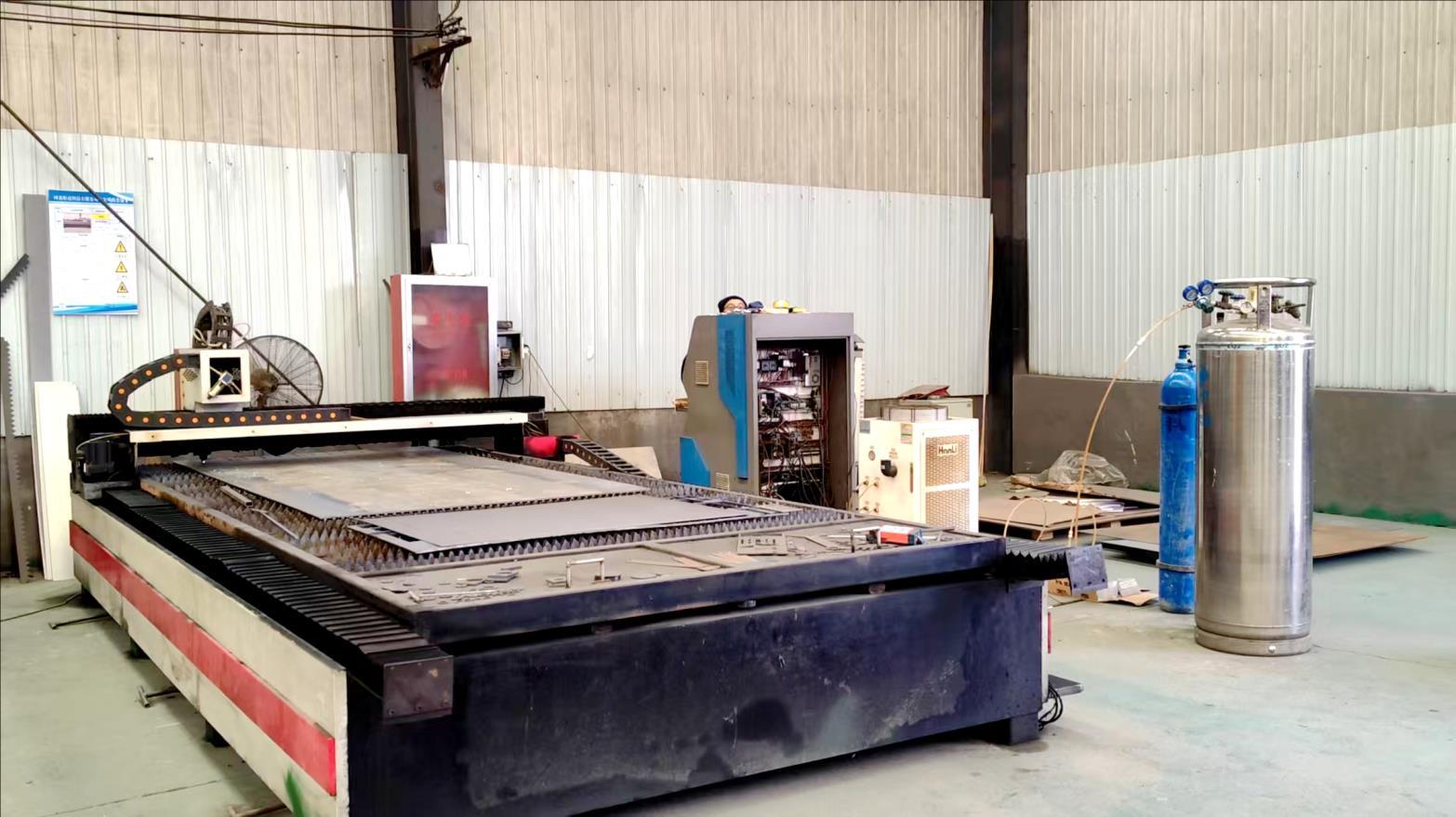
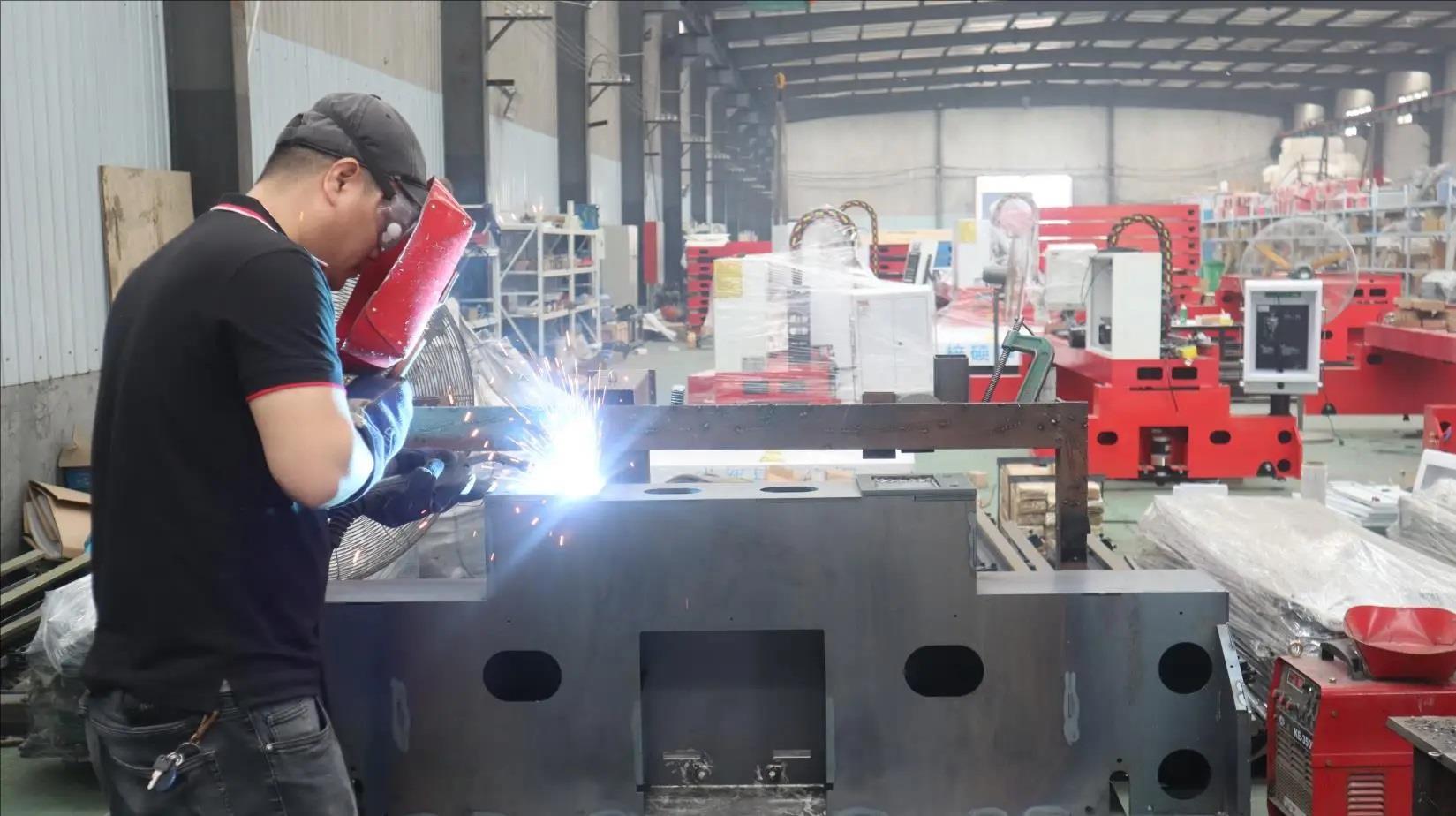
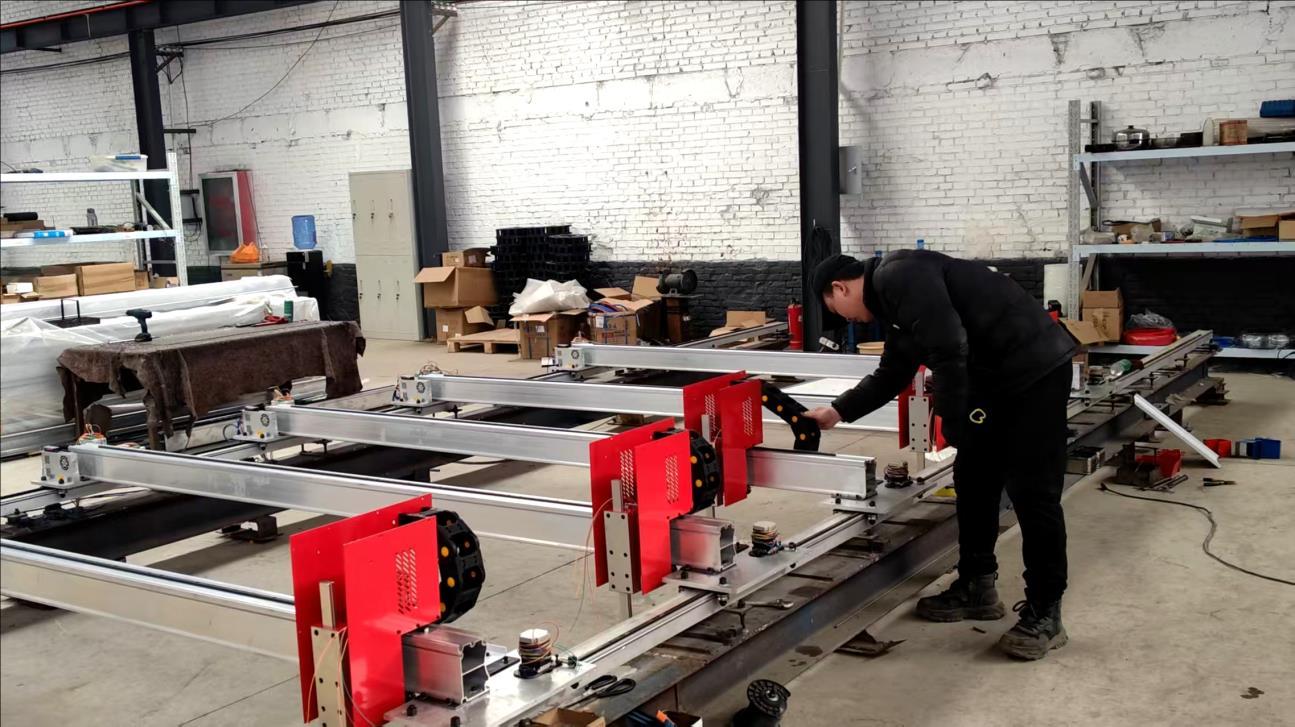
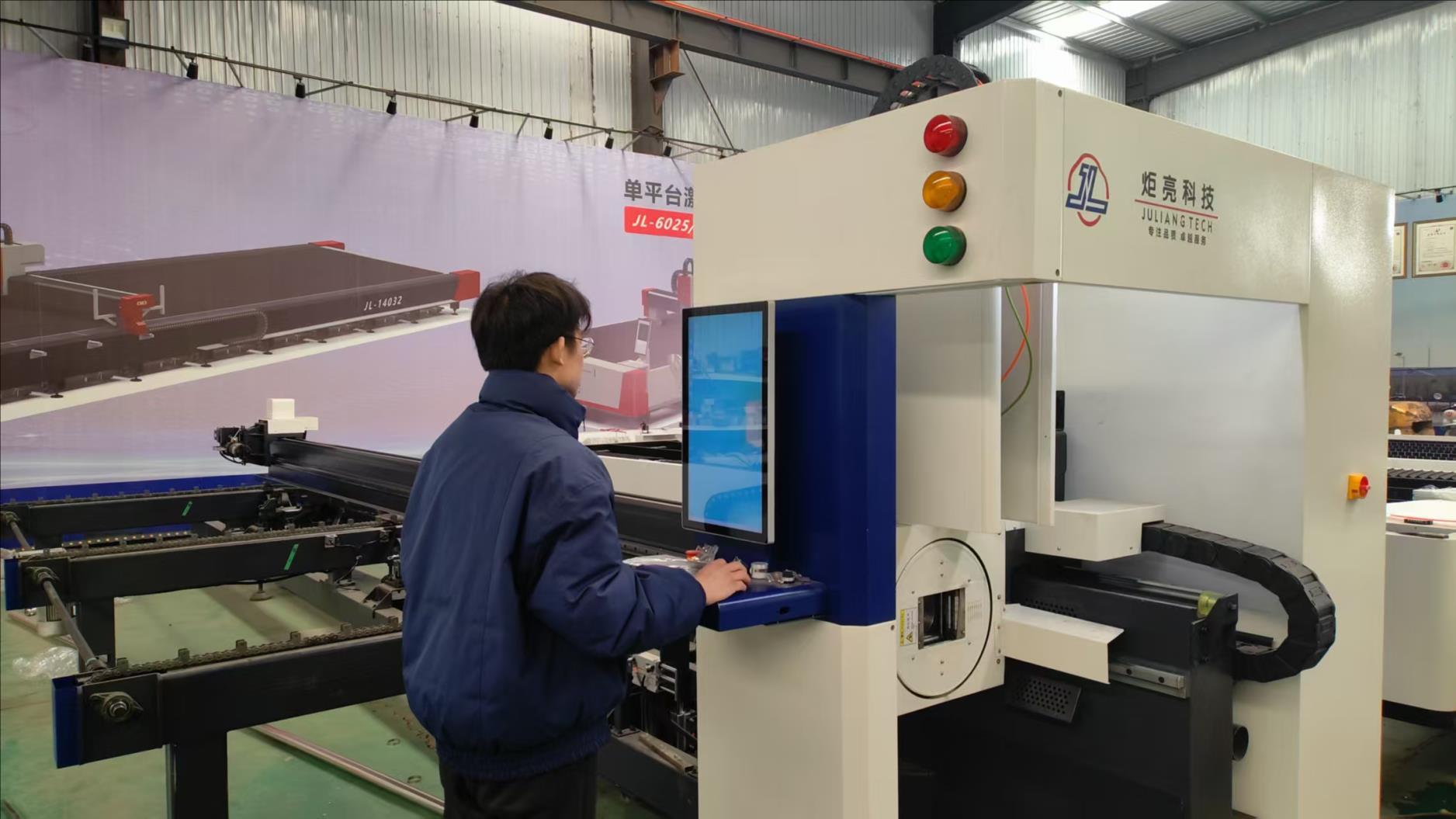
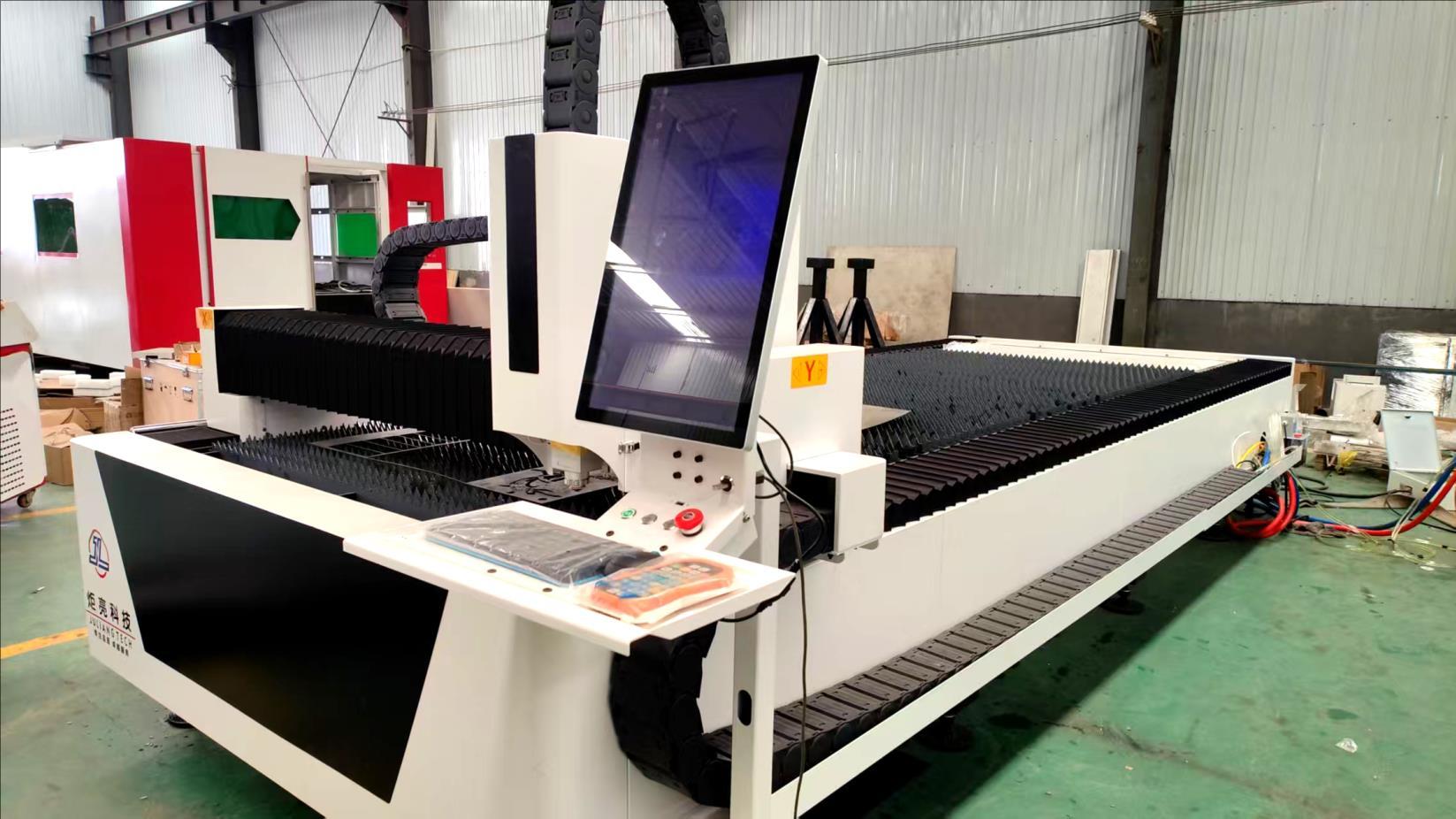
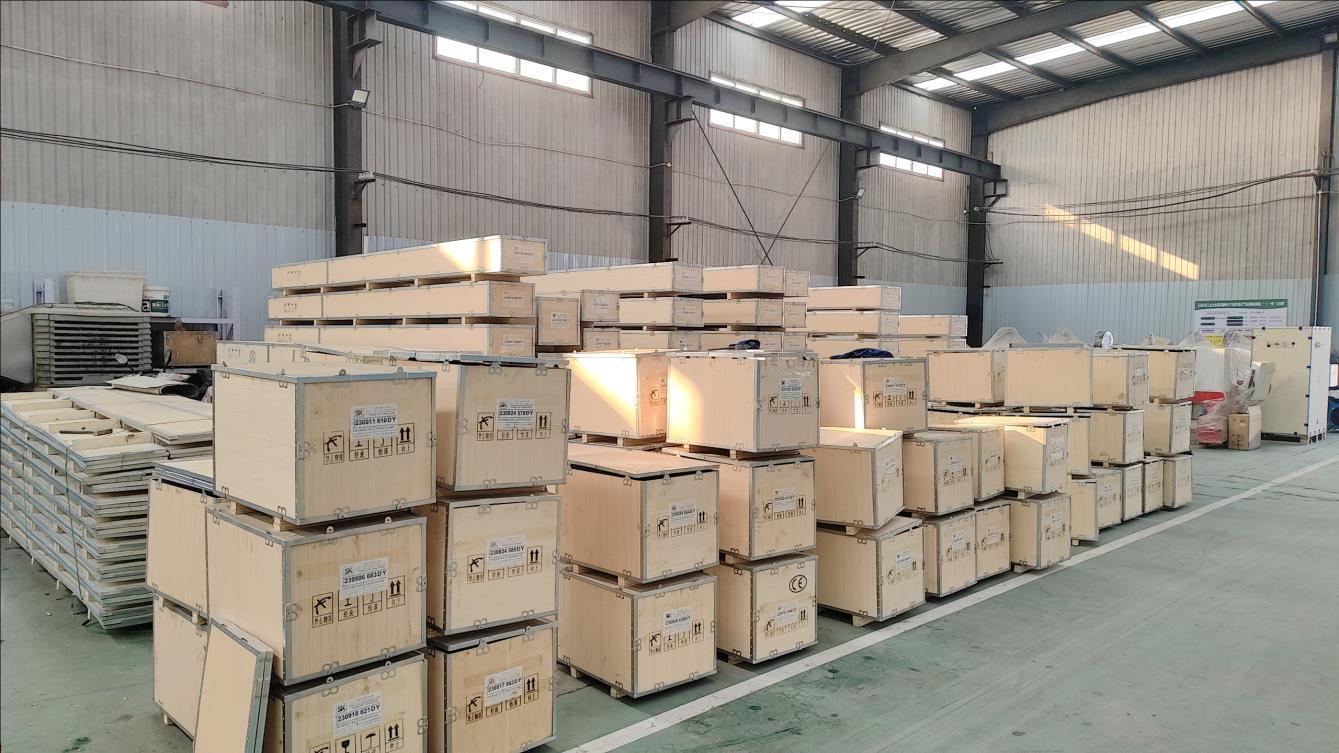
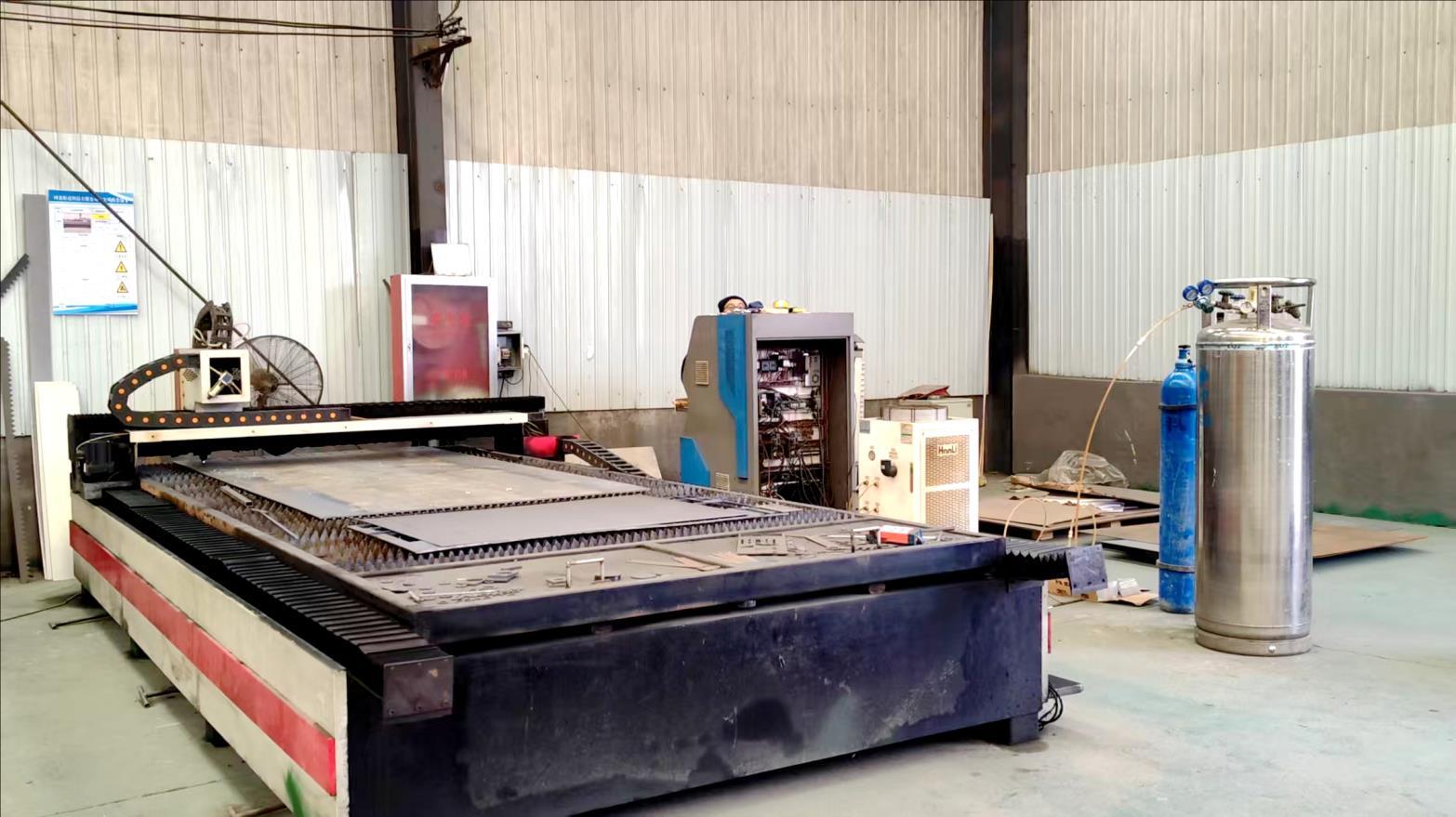
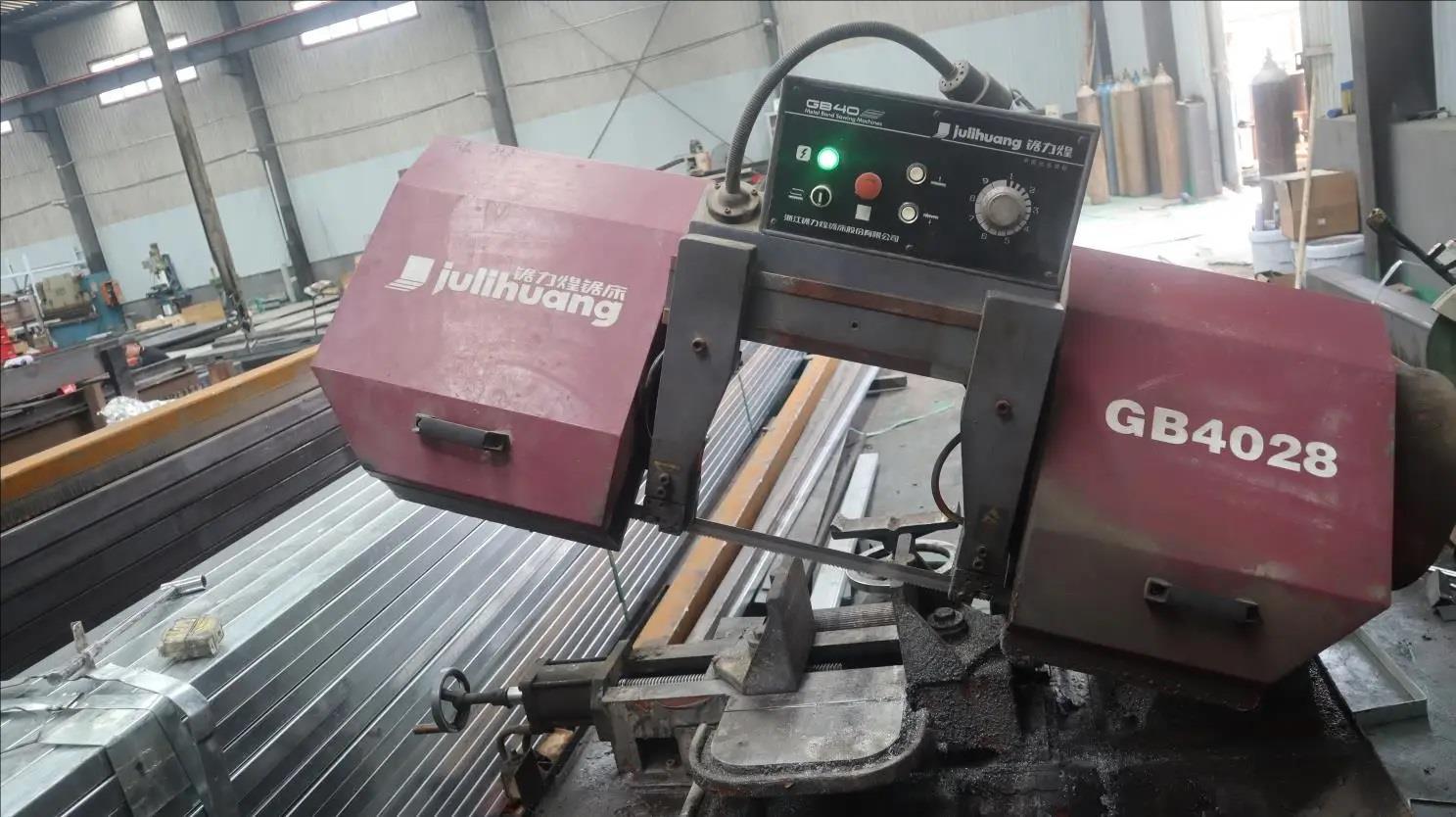
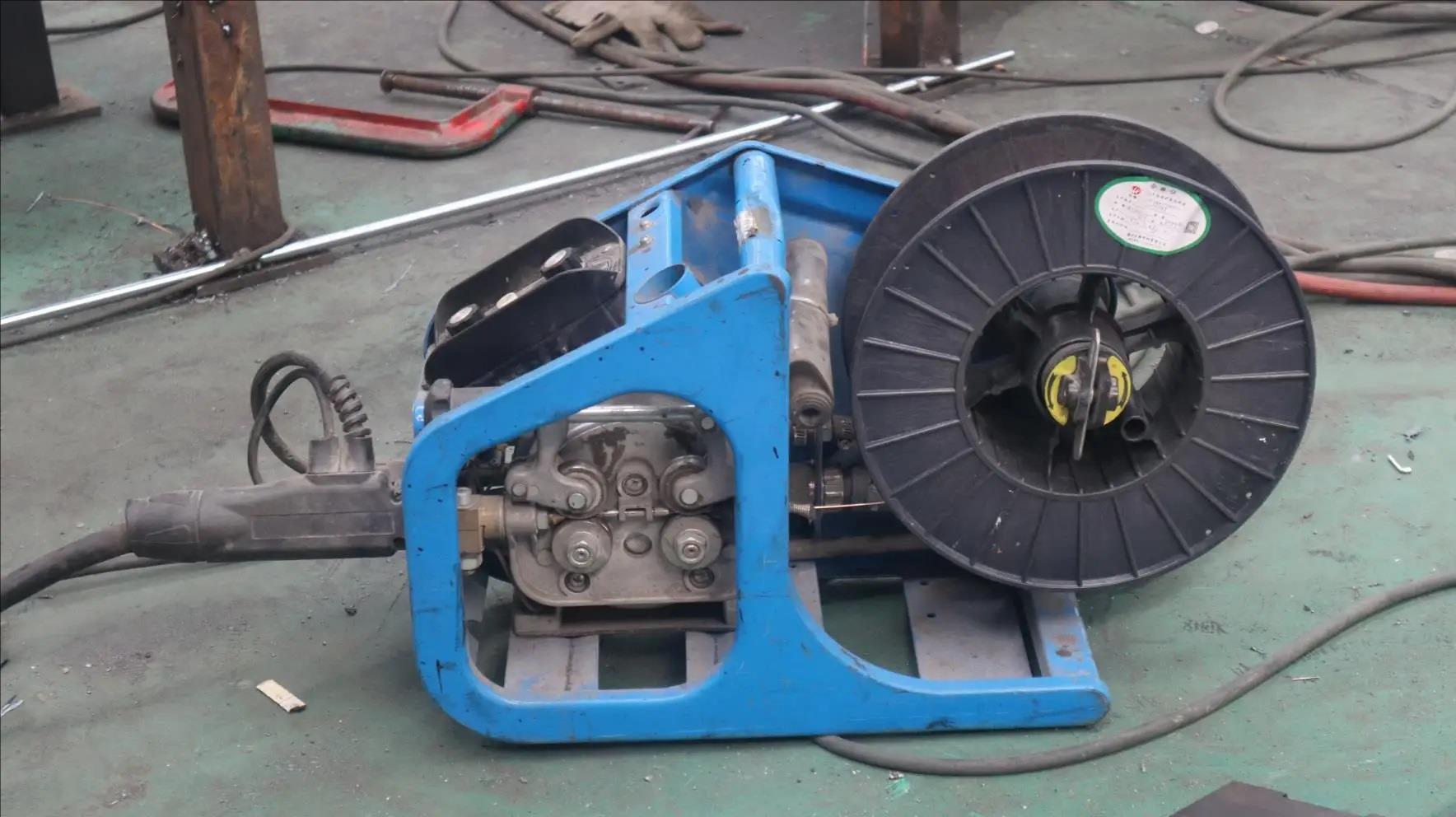
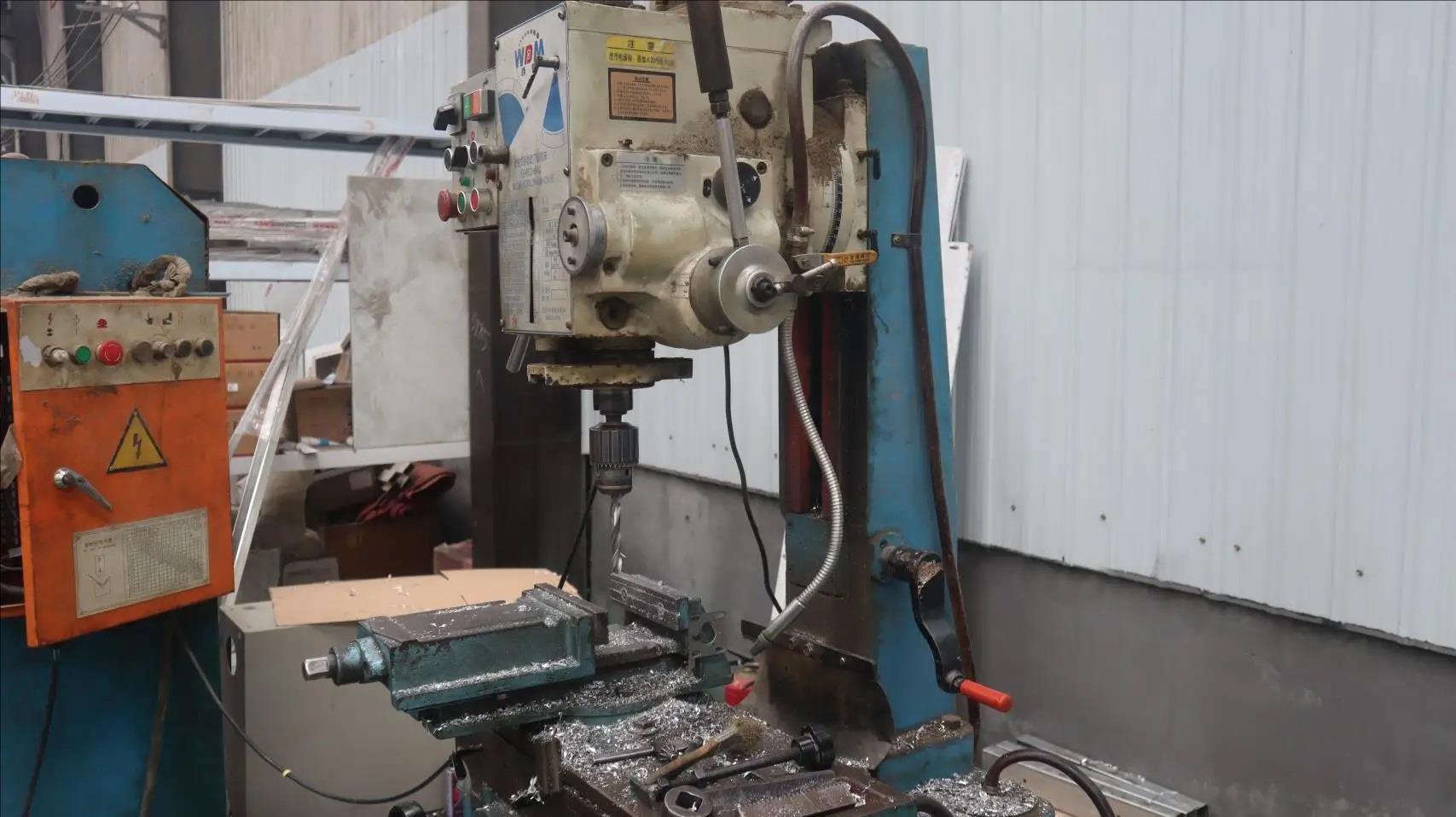
Take an inside look at Zhejiang DentFix's internal production sequence, demonstrating standard process controls from material sourcing to final dispatch.
A deep dive into advanced industrial challenges, global supply requirements, and technological developments.
The global metal cutting and CNC machining sector is undergoing a rapid transition toward High-Speed Machining (HSM) and High-Feed Milling (HFM). Standard tooling materials are no longer sufficient under high-temperature dry machining environments. There is an increasing demand for composite tool inserts featuring multi-component coatings designed to resist thermo-mechanical shock.
We are also seeing a rapid shift toward automated factories that operate with minimal human intervention. This shift makes tool life predictability critical. Manufacturers are moving away from reactive tool changes, prioritizing tooling that offers predictable, incremental wear patterns. Our manufacturing lines address this need by enforcing strict control over the micro-geometry of the cutting edges (honing and chamfering), ensuring consistent wear performance throughout the tool's lifespan.
Modern procurement managers look beyond the initial purchase price, focusing on the Total Cost of Ownership (TCO) and tool performance. A cheap cutting tool often results in frequent downtime, increased scrap rates, and compromised surface finishes. These hidden costs can quickly exceed any upfront savings.
DentFix works with global distributors to provide clear lifecycle analytics, showing total cost-per-part savings. By ensuring reliable supply chains and consistent quality between tool batches, we eliminate standard deviation anomalies in manufacturing. This enables our partners to optimize their tool cribs and reduce inventory carrying costs.
Different materials require tailored tooling geometry. For instance, milling nickel-based superalloys in aerospace applications requires different tool geometry than machining hardened steel dies. High thermal conductivity in coatings is necessary to prevent heat transfer to the workpiece, protecting the structural integrity of critical components.
DentFix offers complete machining solutions. We optimize tool selection for aerospace structural parts, automotive engine blocks, and micro-machined medical devices. By aligning substrate toughness with specialized tool geometries, we help clients increase metal removal rates (MRR) while maintaining tight tolerances.
Ensuring operational continuity through comprehensive regulatory compliance, certified quality control, and responsive technical support.
DentFix operates in strict compliance with ISO 9001:2015 quality management systems. Our processes are designed to deliver repeatable, documented accuracy at every stage of production. From internal spectrographic inspections of raw carbide stock to multi-axis coordinate measurement machines (CMM) analyzing final tool dimensions, we maintain rigorous quality standards.
We also prioritize environmental compliance and worker safety by keeping our facility aligned with standard safety regulations. We source conflict-free raw materials, working with certified refiners to ensure our supply chain is ethically responsible.
Managing international supply chains requires reliable, flexible logistics solutions. DentFix coordinates closely with leading global logistics providers to offer rapid air freight and cost-efficient sea routes, ensuring timely delivery to toolrooms around the world.
To help our partners navigate international trade challenges, we provide complete, compliant import documentation, customs clearance assistance, and optimized packaging designed to protect high-precision tools during transit.
A preview of our upcoming developments in advanced materials, digital manufacturing, and environmental sustainability.
We are currently developing next-generation multi-component coatings designed to resist temperatures up to 1250°C. These high-entropy coatings will provide a stronger thermal barrier, enabling higher cutting speeds and dry machining on hardened steels and superalloys.
We plan to integrate mini-RFID and tracking tags directly into the tool shanks of our milling and turning tools. This will allow smart CNC machining systems to monitor tool usage data, track wear patterns, and automatically alert operators when a tool change is needed, preventing unexpected downtime.
To support sustainable manufacturing, we are launching an international carbide tool reclamation program. This initiative will collect worn carbide inserts from our clients, recycling the tungsten and cobalt materials to reduce energy consumption and environmental impact compared to primary refining.
Direct, technical answers to common machining challenges, material selections, and tooling optimization queries.
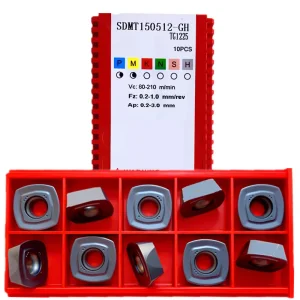
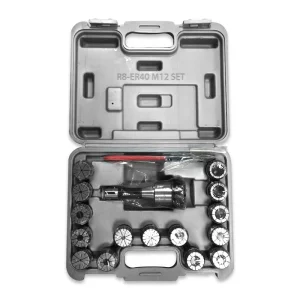
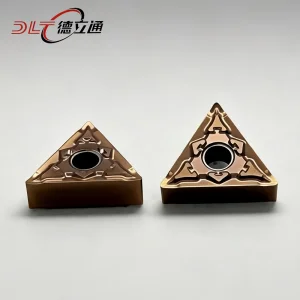
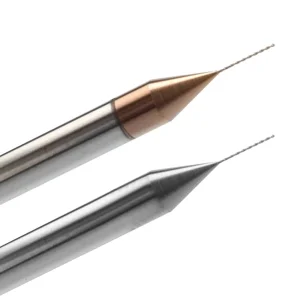
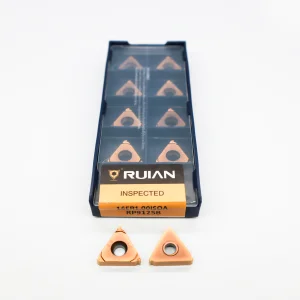
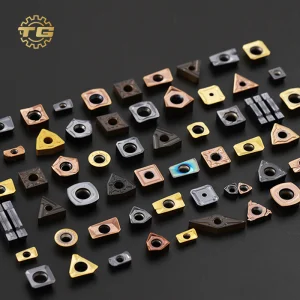
Maximize your workshop throughput with our range of indexable carbide inserts, micro-drills, and robust holding systems.
 DentFix Tool