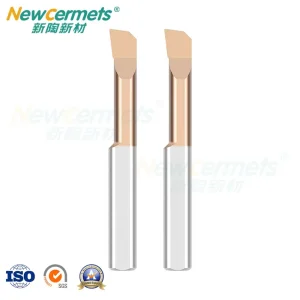
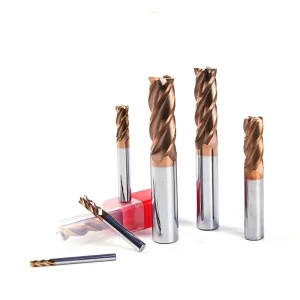
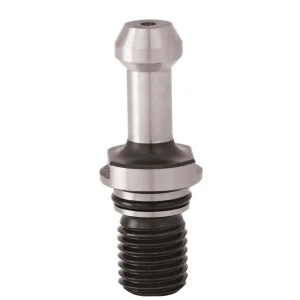
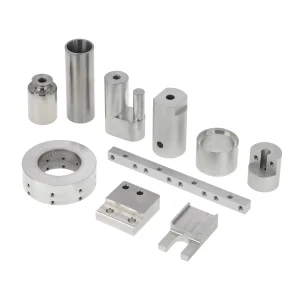
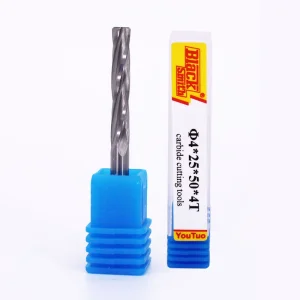
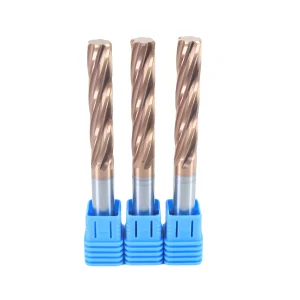
Explore our premium grade CNC collet chucks, high-durability band saw blades, micro boring tools, and tungsten carbide milling cutters designed for specialized industrial operations.
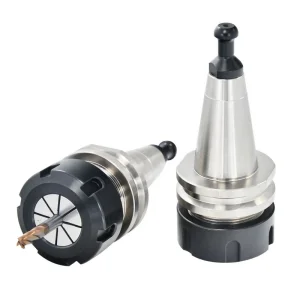
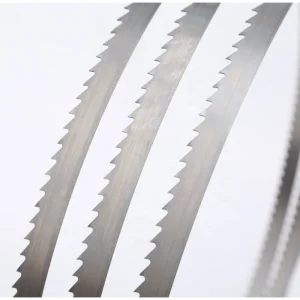
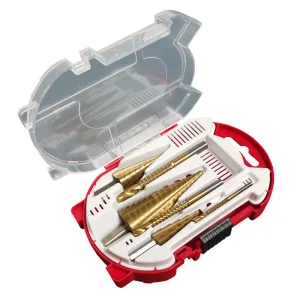
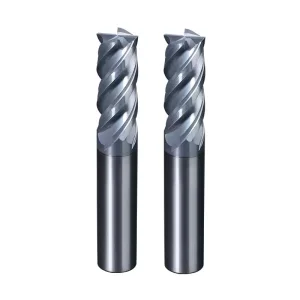
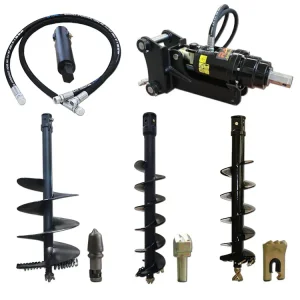
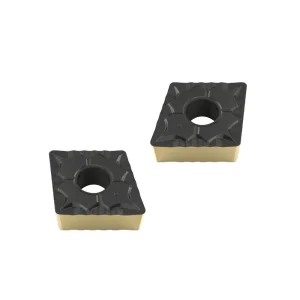
Milling cutters constitute the backbone of modern subtractive manufacturing. From high-speed milling in aerospace component production to micro-milling in semiconductor manufacturing, the quality of a tool directly dictates operational efficiency, dimensional stability, and final surface integrity. Valued at over USD 9.5 billion globally, the demand for carbide milling tools is shifting towards extreme heat-resistance, sub-micron wear-resistance, and optimized chip evacuation geometry.
With industries pushing for lightweight titanium alloys, high-temp nickel superalloys, and hardened tool steels, conventional tools no longer satisfy standard run cycles. The integration of Physical Vapor Deposition (PVD) and Chemical Vapor Deposition (CVD) multi-layer nano-coatings has revolutionized feed speeds and machining lifecycle predictability, establishing solid carbide cutters as the dominant asset in manufacturing sectors globally.
Analyzing the strategic advantages that place China's industrial milling cutter manufacturers at the forefront of the global supply chain.
China is home to the world's most integrated tungsten carbide supply chain. From direct raw material mining and chemical powder processing (ammonium paratungstate) to final sintering, grinding, and coating, the proximity of supply minimizes cost variances and transit delays.
Top-tier Chinese factories utilize automated manufacturing lines equipped with 5-axis CNC grinding machines from Walter, ANCA, and Rollomatic. Advanced tooling profiles are executed with micrometric repeatability, guaranteeing zero deviation in batch testing.
Unlike Western manufacturers with rigid catalog specifications and lengthy lead times, Chinese factories offer quick turnaround prototyping. Custom chip breakers, specialized flute angles, and specific coating configurations can be engineered and shipped in days.
Zhejiang DentFix Tool Co., Ltd. is a professional manufacturer specializing in the research, development, production, and global distribution of precision CNC cutting tools and carbide solutions. Since its establishment, the company has been committed to providing high-performance tooling products for the metalworking industry, serving customers across automotive, aerospace, mold & die, general engineering, energy, and precision manufacturing sectors.
Driven by continuous innovation and customer-focused development, DentFix has grown into a modern manufacturing enterprise that integrates R&D, intelligent production, quality control, sales, and technical support. The company has built a strong reputation for delivering reliable products, consistent quality, and professional services to customers in both domestic and international markets.
With advanced manufacturing technologies, experienced engineering teams, and strict quality management systems, DentFix continuously improves its product performance and production efficiency. The company is dedicated to helping customers achieve higher machining accuracy, longer tool life, greater productivity, and lower manufacturing costs.
Today, Zhejiang DentFix Tool Co., Ltd. continues to strengthen its investment in technological innovation, intelligent manufacturing, and international cooperation, striving to become a trusted global supplier of precision cutting tool solutions.
DentFix has established a comprehensive manufacturing system supported by experienced engineers, skilled production personnel, and a professional sales and technical service team. Our engineering department focuses on the development of innovative cutting tool solutions that meet the evolving requirements of modern CNC machining.
Our manufacturing facility is equipped with advanced CNC grinding machines, high-precision inspection equipment, automated production systems, and modern quality testing laboratories. Every product undergoes rigorous inspection throughout the manufacturing process to ensure exceptional dimensional accuracy, durability, and stable machining performance.
Innovation remains at the core of our business. DentFix continuously invests in new materials, coating technologies, and precision manufacturing processes to develop cutting tools with higher wear resistance, improved machining efficiency, and longer service life.
Guided by the principles of Quality First, Innovation, Reliability, and Customer Satisfaction, Zhejiang DentFix Tool Co., Ltd. is committed to building long-term partnerships with customers worldwide. We look forward to providing professional tooling solutions that help manufacturers improve productivity, reduce production costs, and achieve sustainable growth.
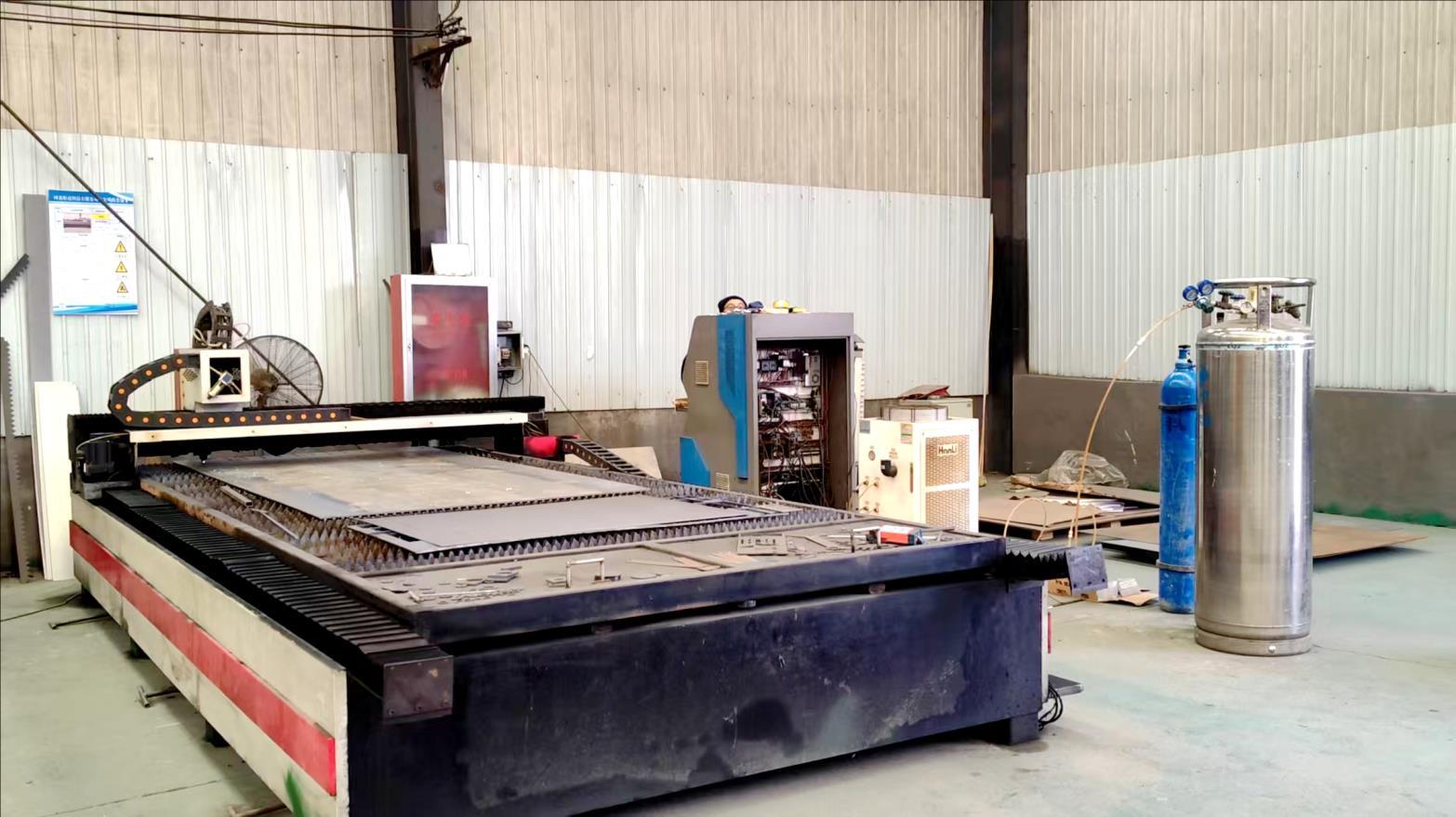
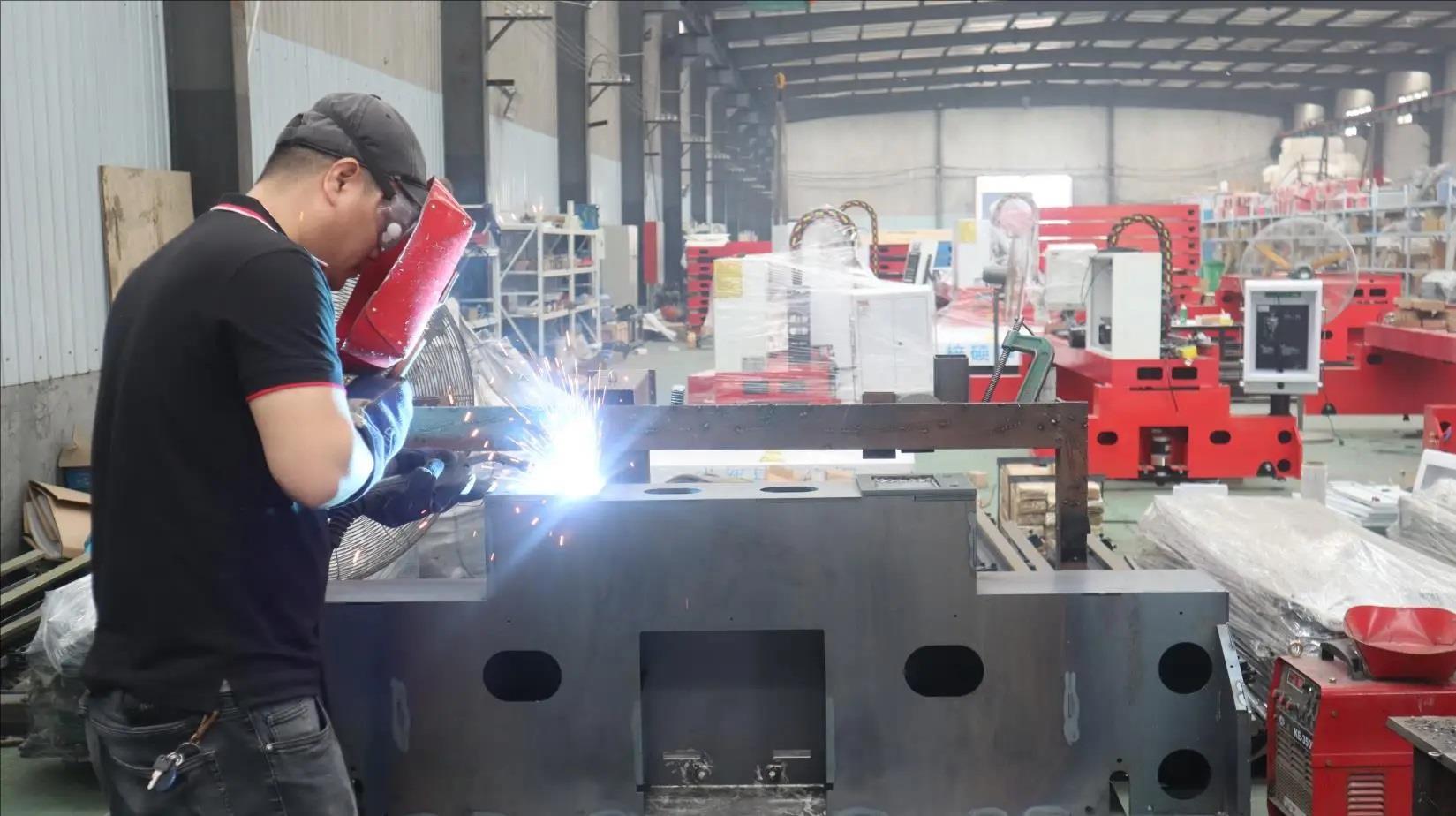
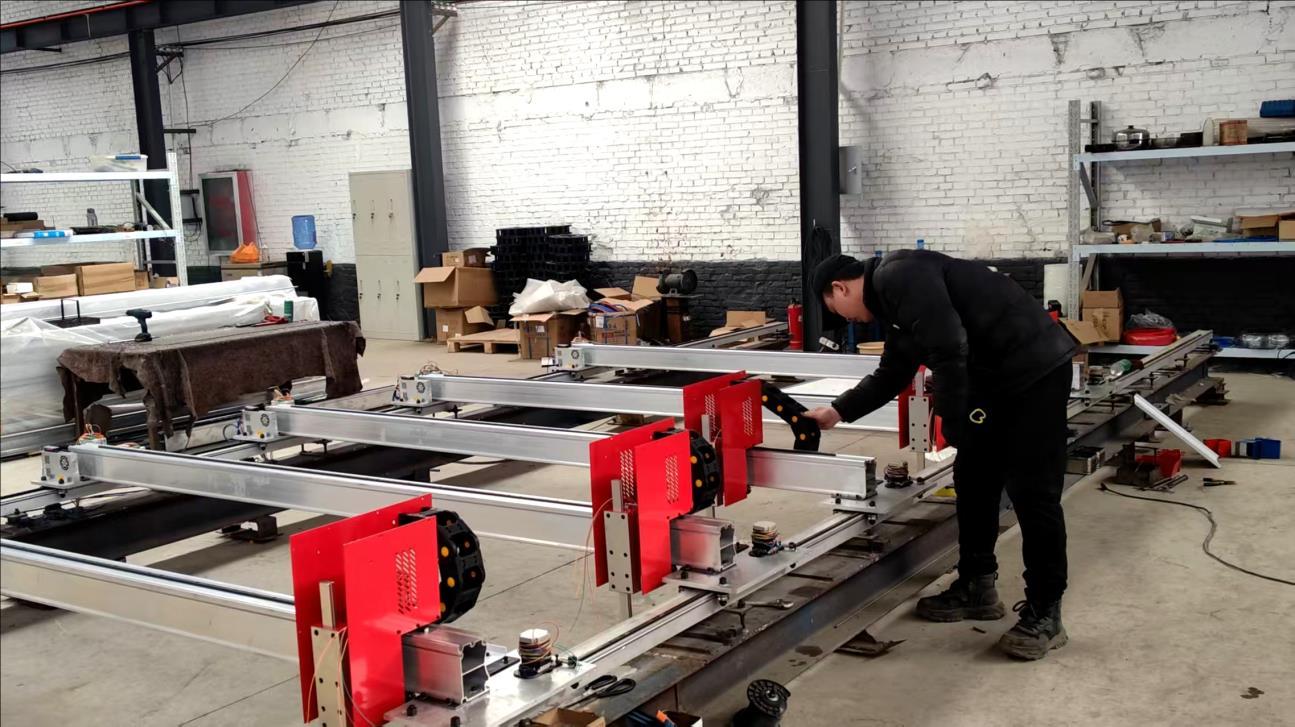
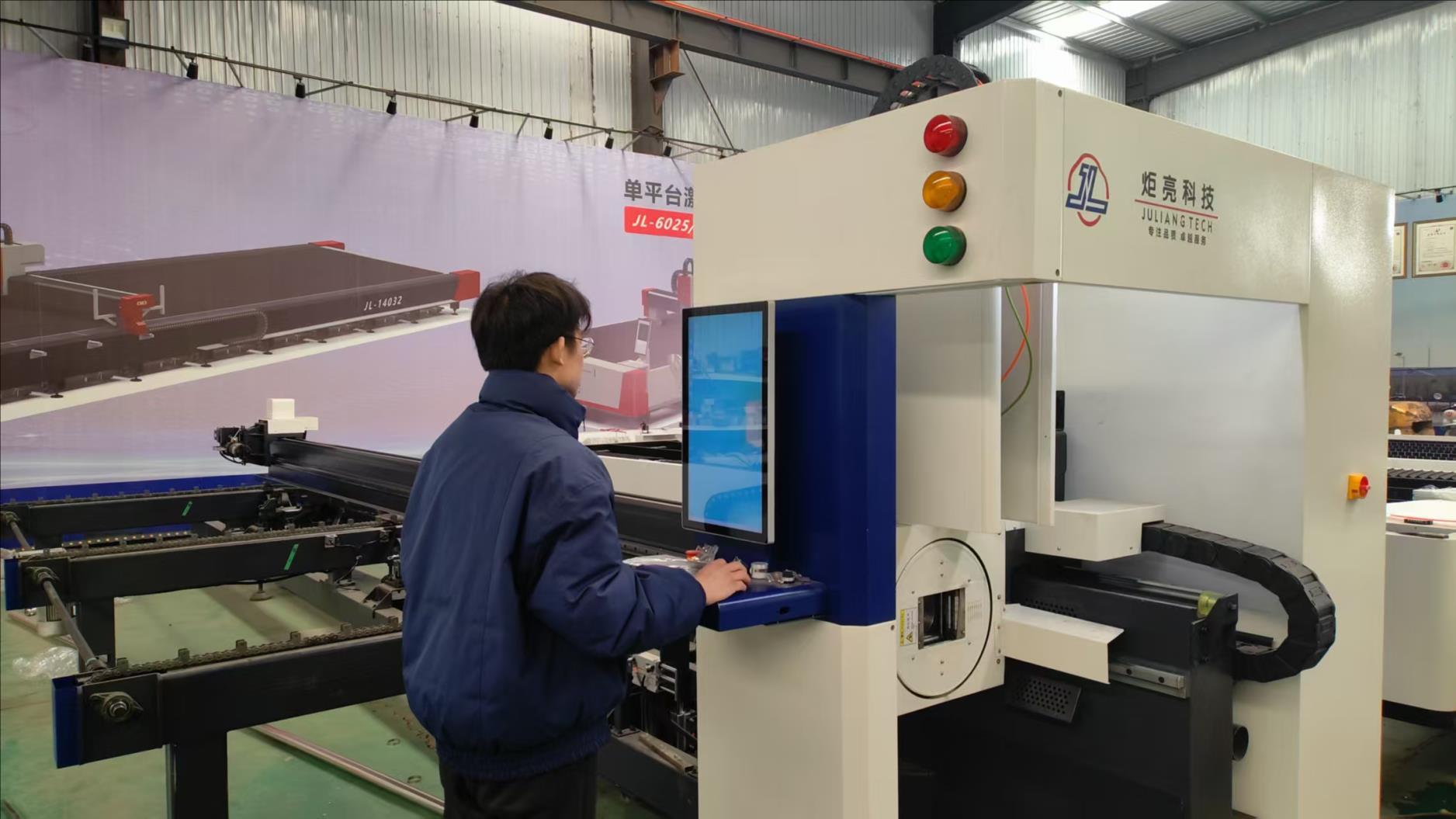
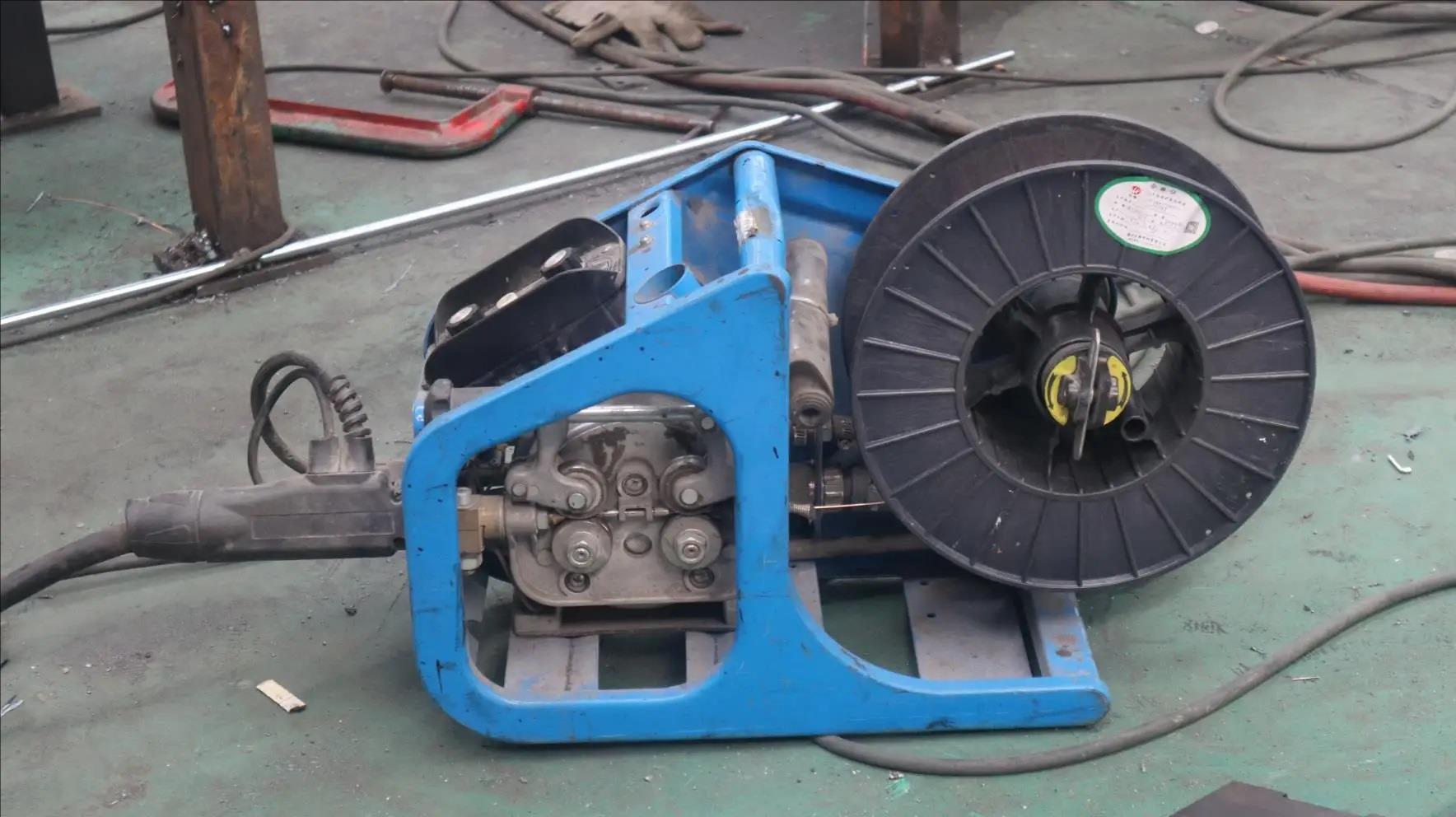
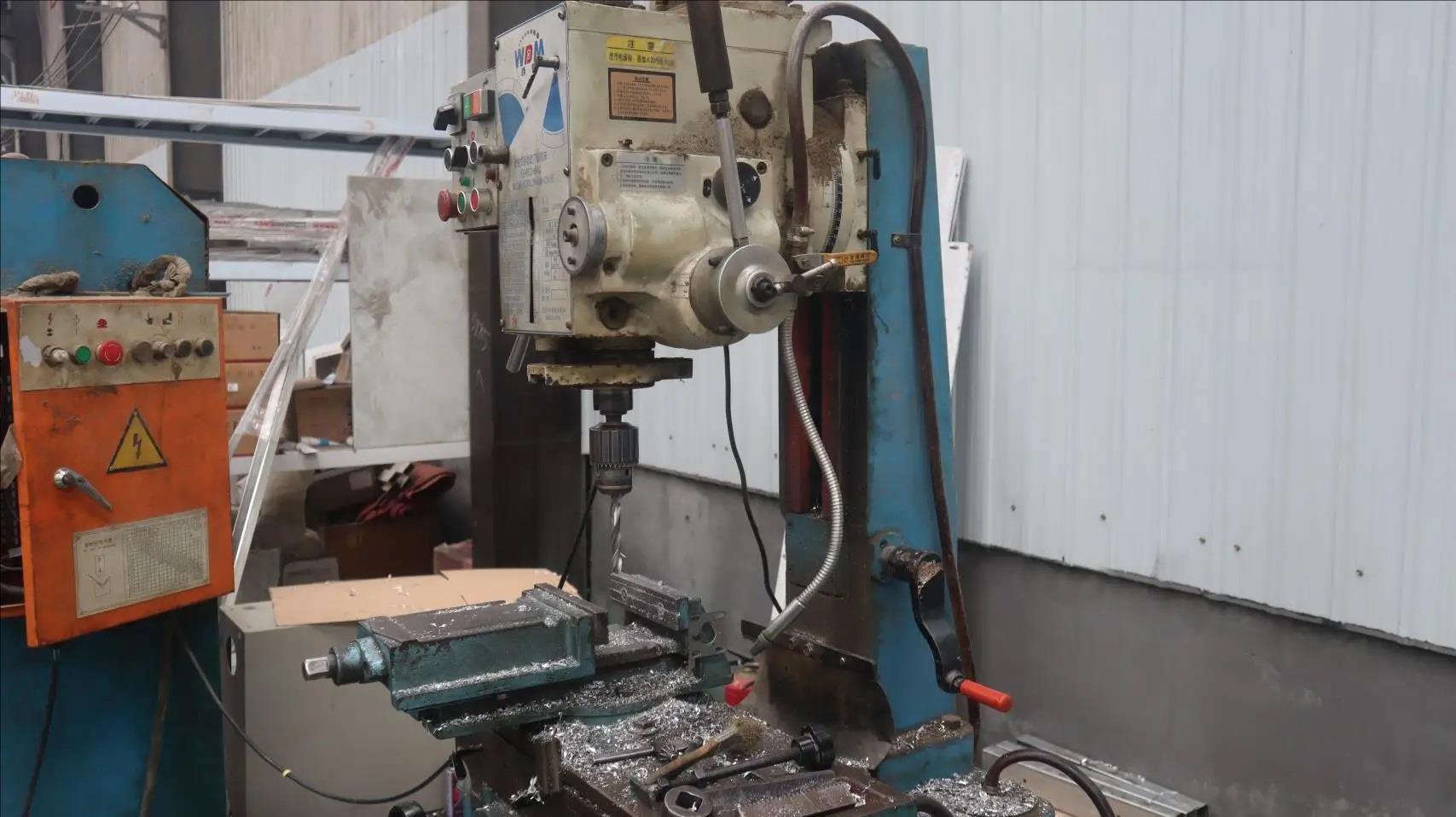
Step-by-step documentation of our advanced production line. We control every stage of fabrication, debugging, and inspection to maintain zero-defect output.
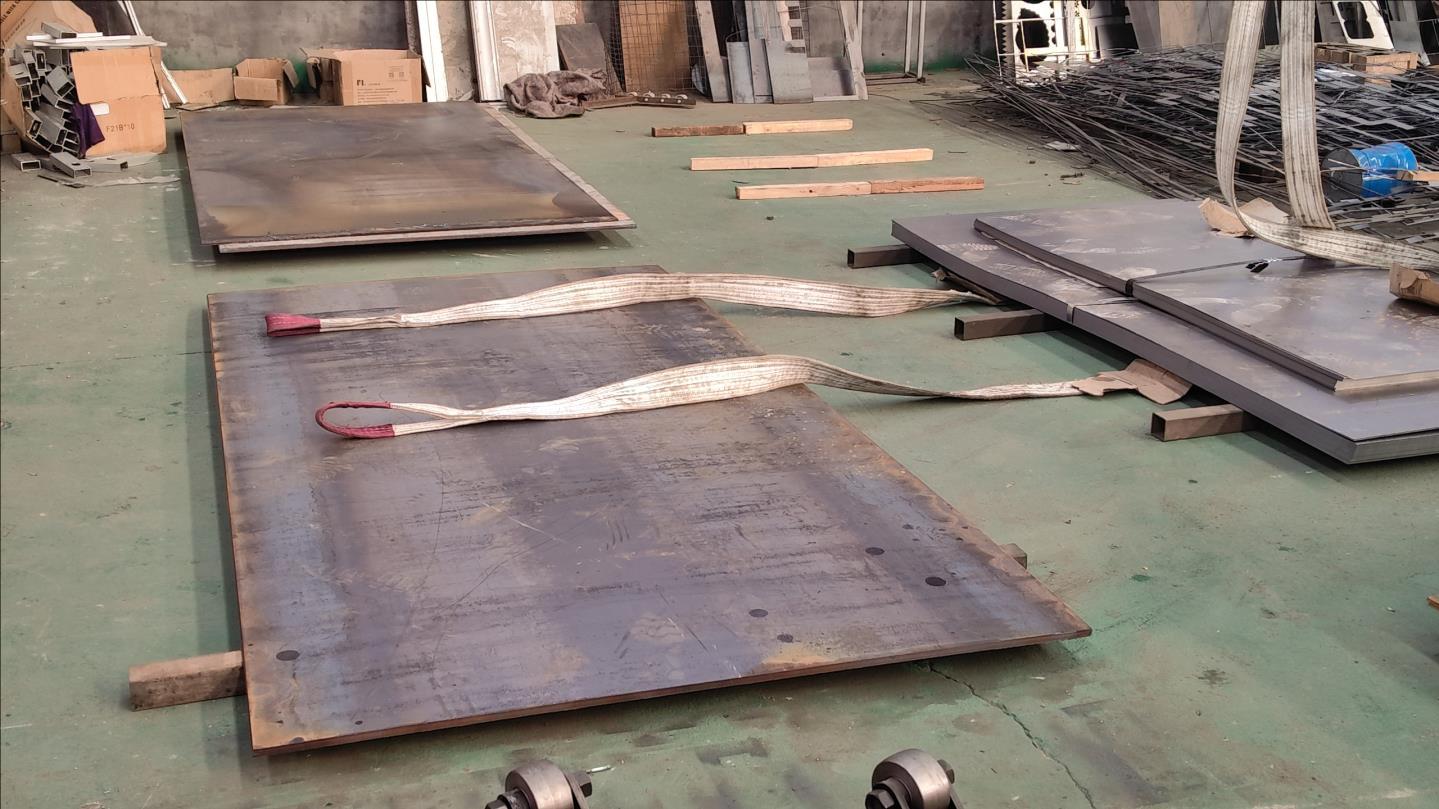
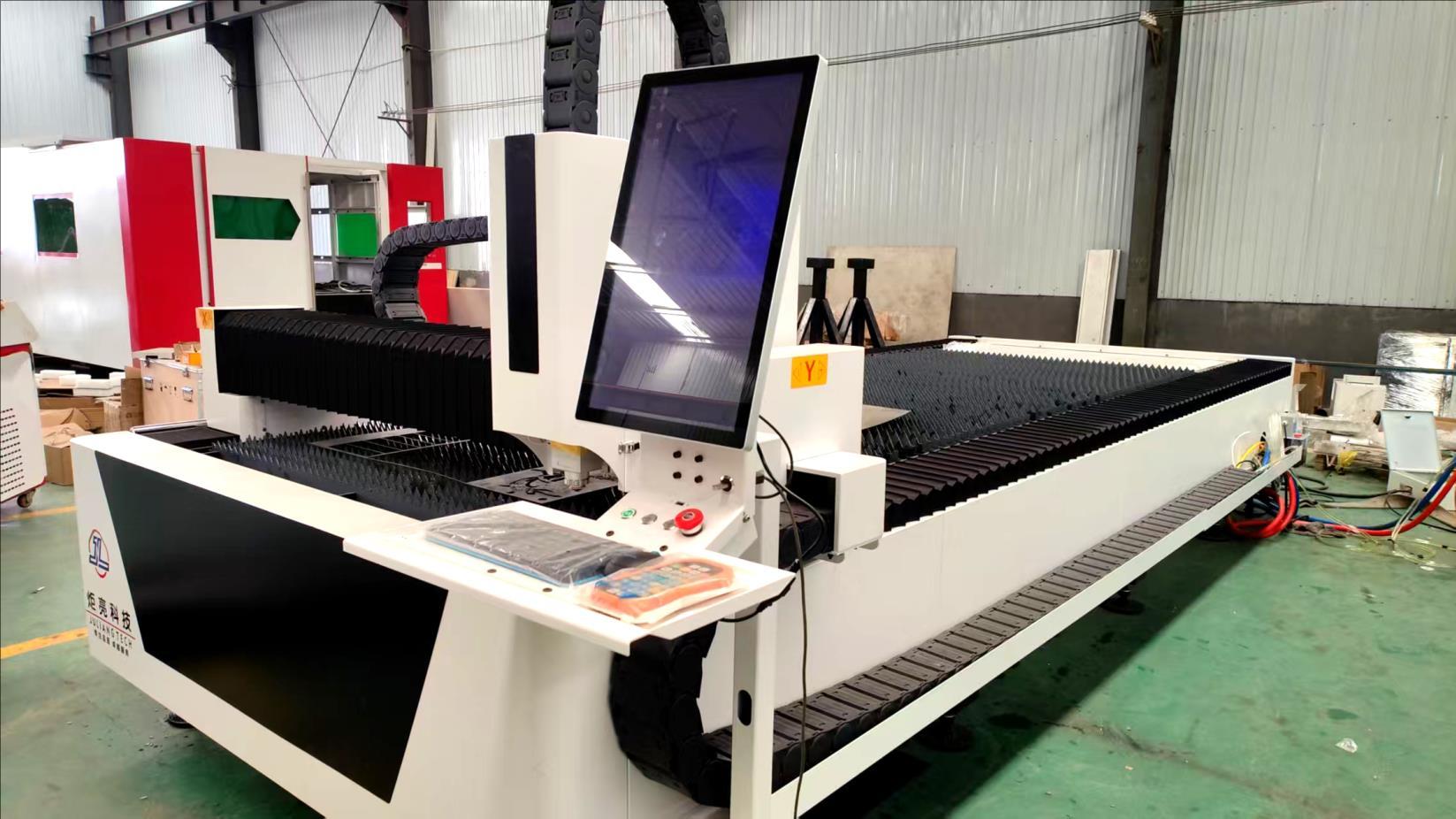
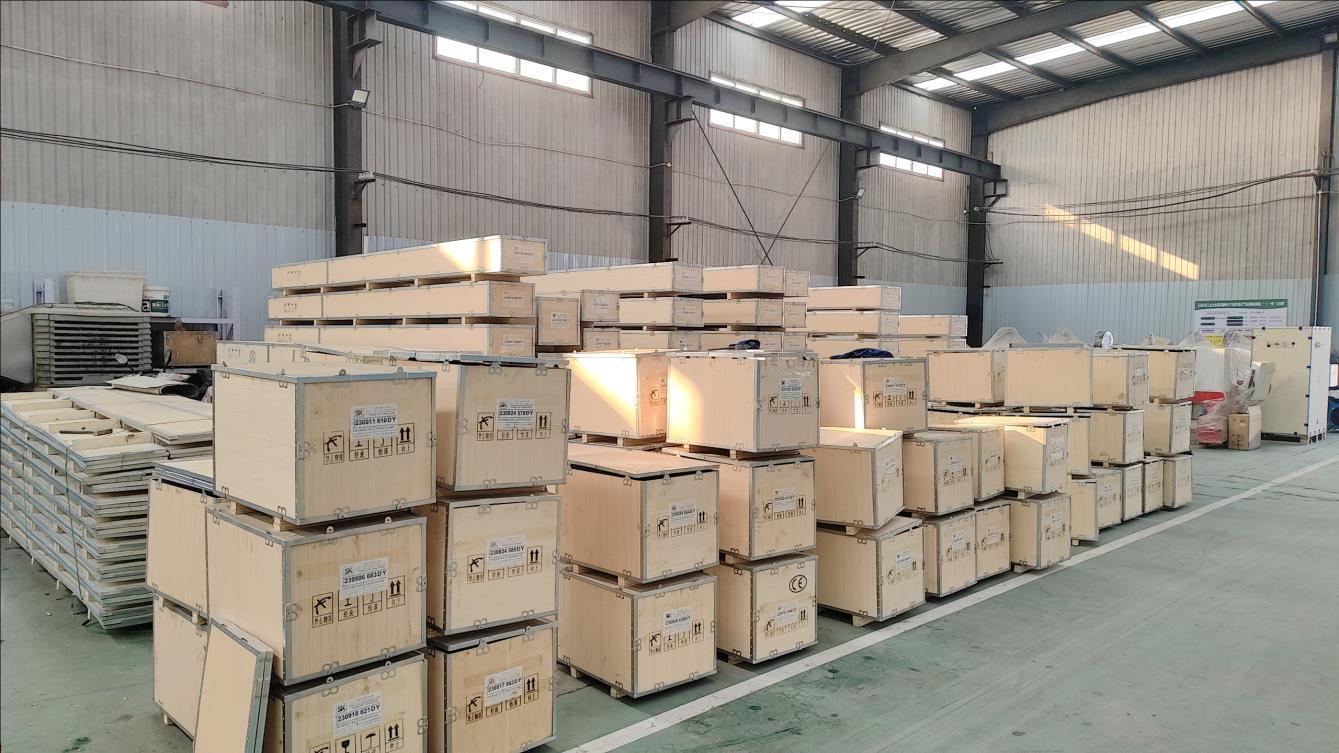
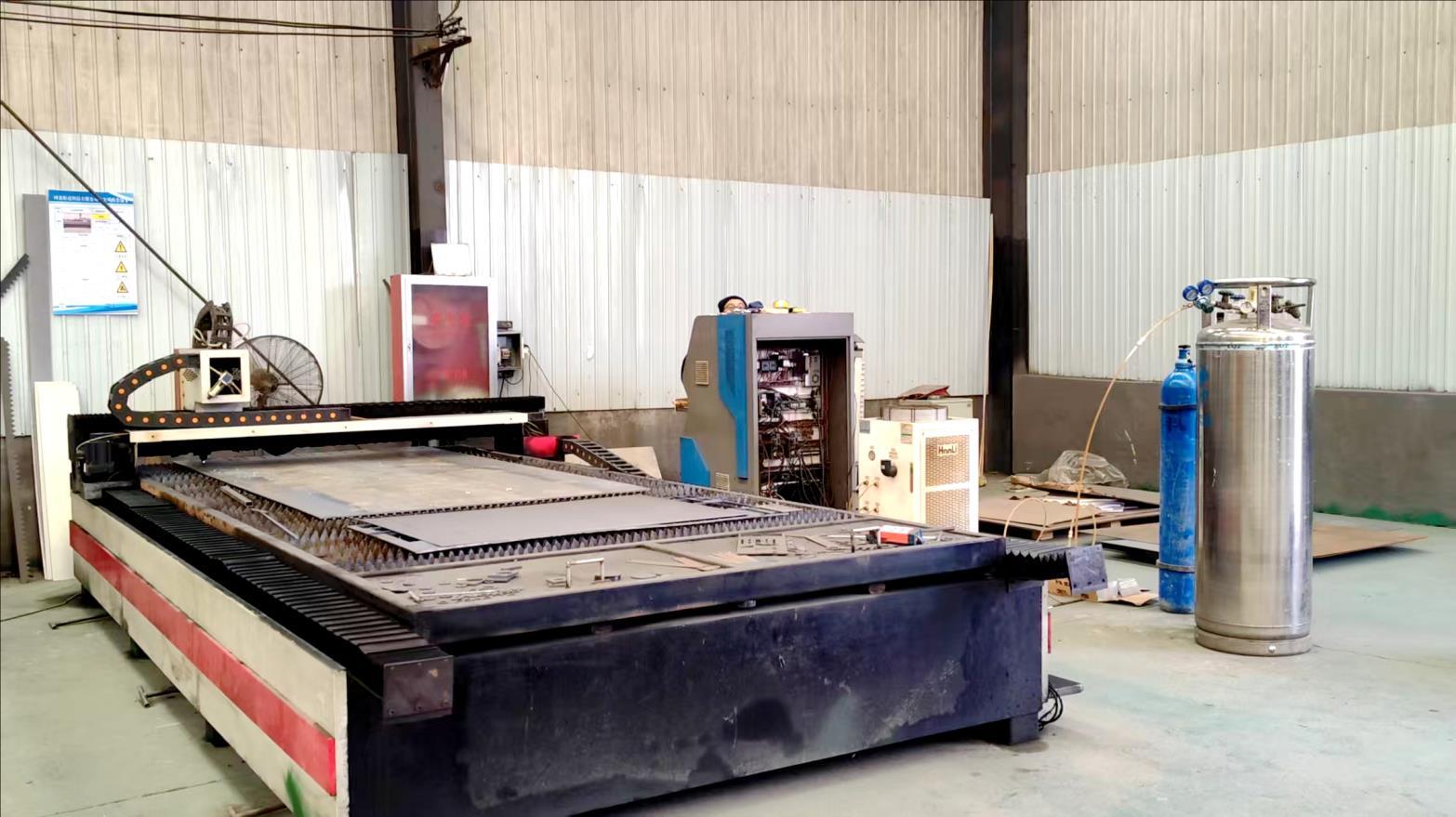
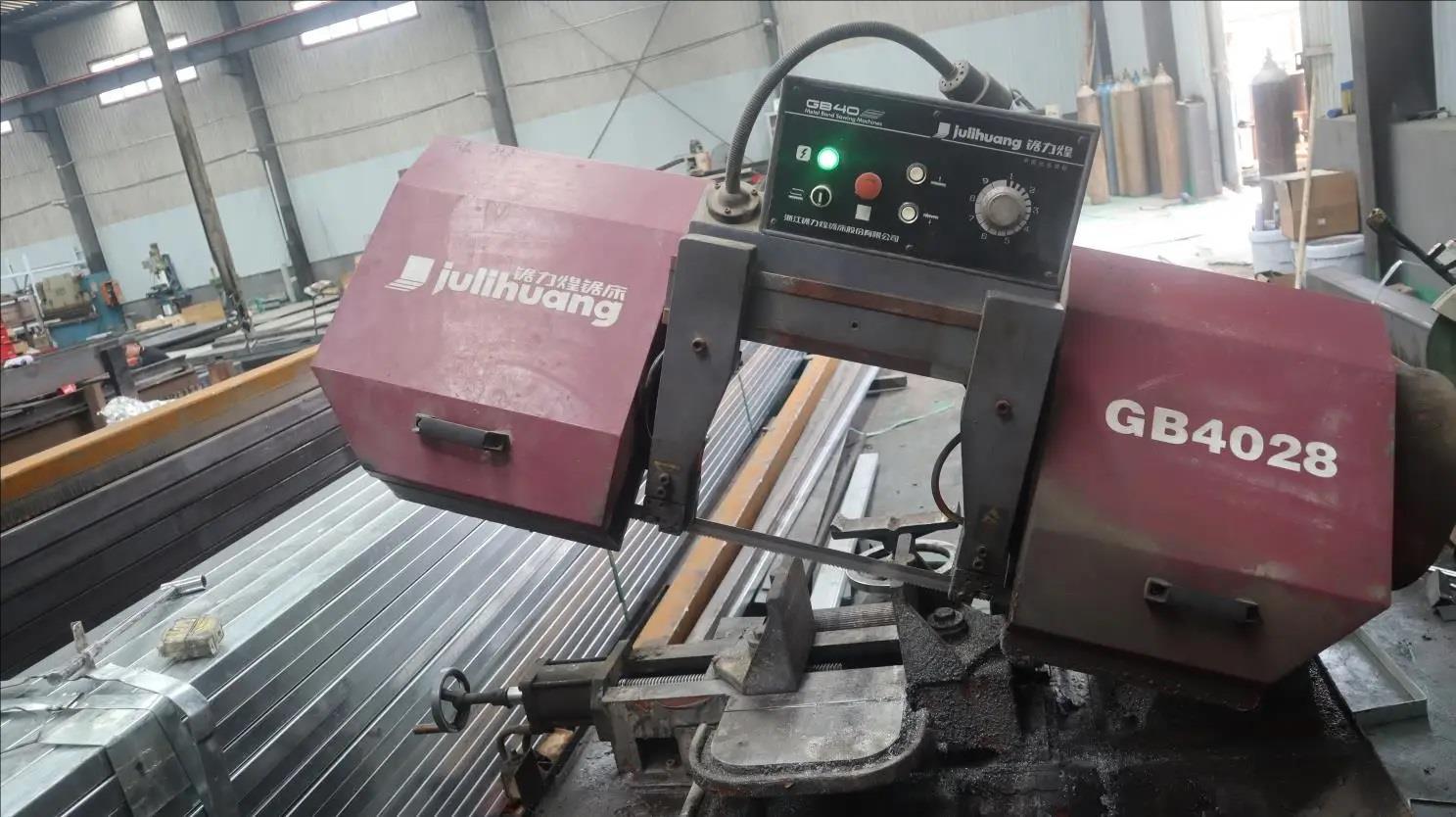
Choosing the correct milling cutter depends entirely on the workpiece mechanical properties. Different industries call for specialized geometries and cutting conditions:
Workpieces: Titanium alloys (Ti-6Al-4V) and Inconel.
Solution: Variable pitch 4-flute and 5-flute carbide end mills with unequal index spacing. Reduces harmonic vibration, preventing chatter marks and tool breakage in thin-wall deep slotting.
Workpieces: High-silicon cast aluminum and grey cast iron.
Solution: PCD-tipped inserts and high-density diamond-coated end mills. Promotes high-speed cutting parameters (exceeding 2500m/min) and provides mirror finishes across block faces.
Workpieces: H13, D2, NAK80 tool steels (up to HRC68).
Solution: Balinit-coated micro ball nose and toroid cutters. Engineered with structural core rigidity to resist deflection under high axial pressures during 3D profiling.
Purchasing managers and industrial distributors must evaluate precision tooling vendors based on rigorous quantitative metrics. Securing a reliable supply chain goes beyond unit price. Organizations must audit:
Zhejiang DentFix Tool Co., Ltd. addresses these operational vulnerabilities by utilizing German-made optical inspection instruments. Our automated coordinate measuring machines check every tool's profile against strict CAD profiles, providing dynamic verification for key defense and automotive tier-1 accounts.
The industrial tooling landscape is undergoing structural evolution. Smart factories require integration of cutting tool telemetry and environmental compatibility:
Traditional liquid flood coolants pose environmental and disposal hazards. The industry is moving toward Dry Machining and Minimum Quantity Lubrication (MQL). This demands tools coated with thermal barriers like DLC (Diamond-Like Carbon) and AlTiN, which function at dry temperatures up to 1000°C.
Smart CNC centers now interface with tool-measurement sensors. Laser barriers verify flute diameter and runout in real-time, feeding tool offset adjustments directly back to the controller. High-accuracy milling cutters are essential to maintain stable baseline dimensions.
Trochoidal toolpaths rely on high-speed low-radial engagement. This permits increased feeds and depths of cut. Tool geometry must support long flutes and robust core diameters to withstand high lateral stresses.
Expert engineering answers to common industrial procurement and machining questions.
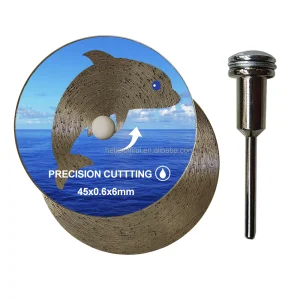
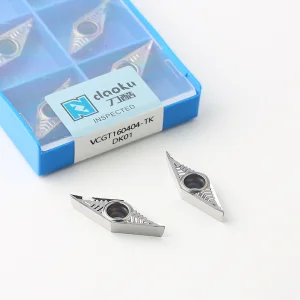
Explore indexable inserts, custom reamers, micro diamond saw blades, and aluminum turning tooling manufactured to strict global engineering standards.
 DentFix Tool