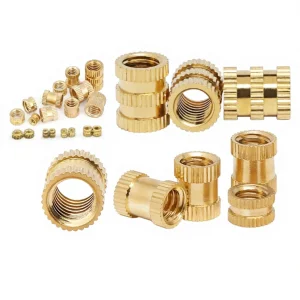
Engineered for high-feed operations, superior surface finish, and extended tool life across metalworking, woodworking, and composite machining environments.
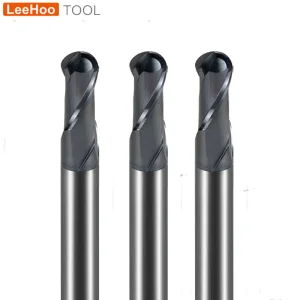
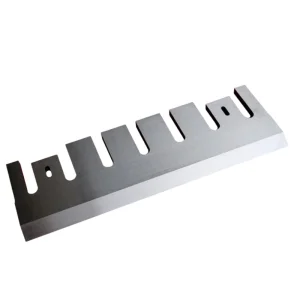
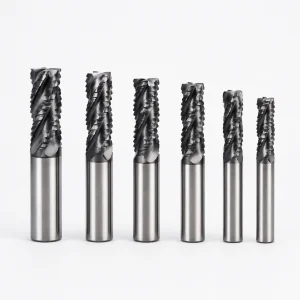
Zhejiang DentFix Tool Co., Ltd. stands at the forefront of the cutting tool industry as a specialized manufacturer. Our core expertise encompasses the comprehensive research, development, multi-axis grinding, and global logistics optimization of high-performance CNC cutting tools and tungsten carbide tooling systems. Designed specifically for industrial metalworking applications, our products serve as crucial structural assets across the automotive, aerospace, die & mold, general engineering, energy, and precision components sectors.
Guided by our foundational principles of Quality First, Continuous Structural Innovation, Operational Reliability, and Direct Customer Support, our engineering departments consistently deliver tooling designs that address the evolving challenges of modern CNC machinery. By focusing on grain-level carbide compounding, thermal coating integrity, and geometry optimization, DentFix assists global enterprises in minimizing cycle times and increasing process stability.
Our design approach leverages cutting-edge CAD/CAM software to perform structural and thermal stress analyses before a single tool goes to grinding. This significantly reduces developmental latency and guarantees predictable field wear characteristics.
Our raw materials are sourced from validated global partners, ensuring a homogeneous carbide matrix free of microscopic voids or micro-cracks.
From metallurgical feedstock sorting to final high-speed laser engraving and packaging, our facility runs on ISO 9001:2015 certified quality management protocols.
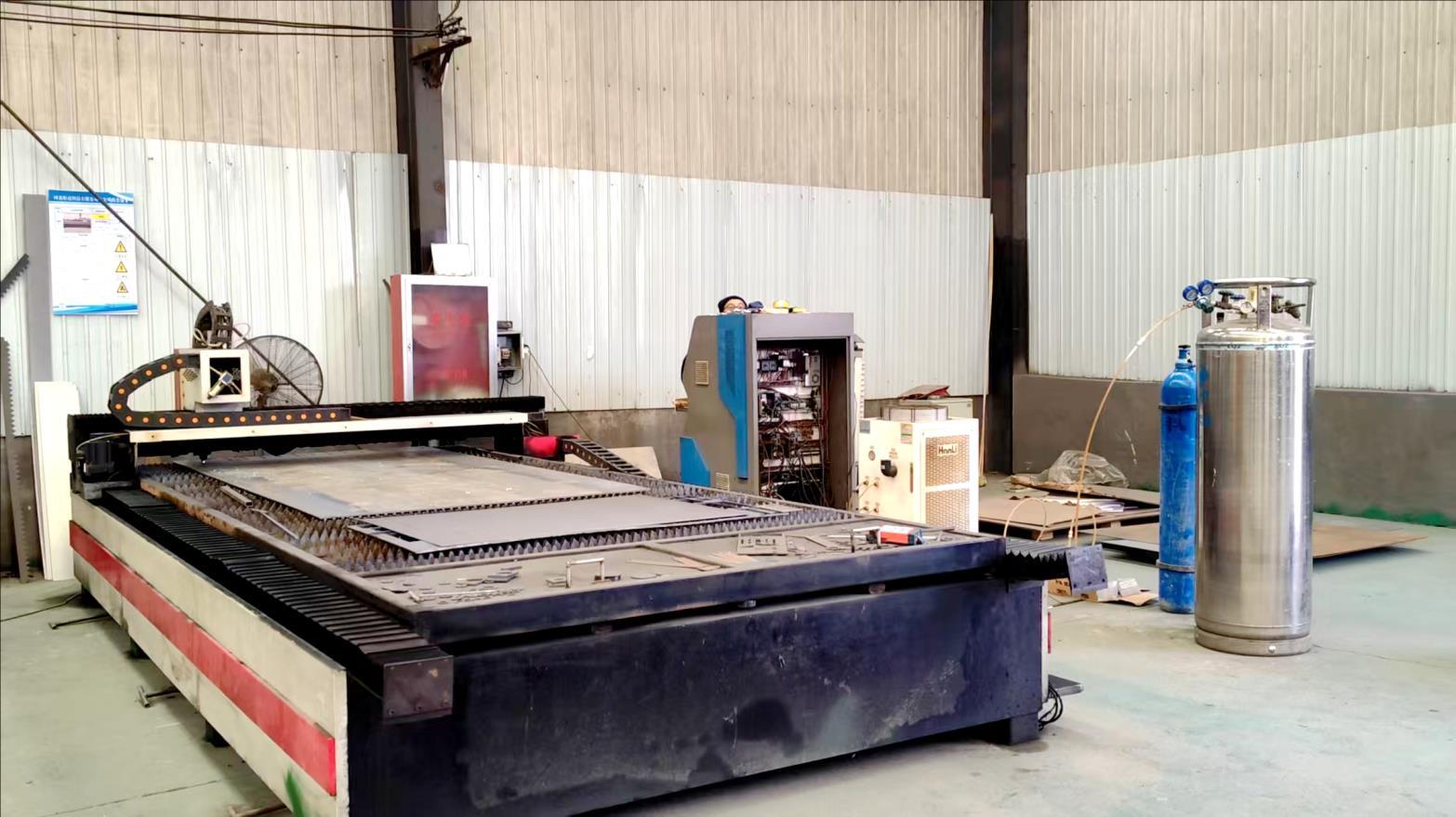
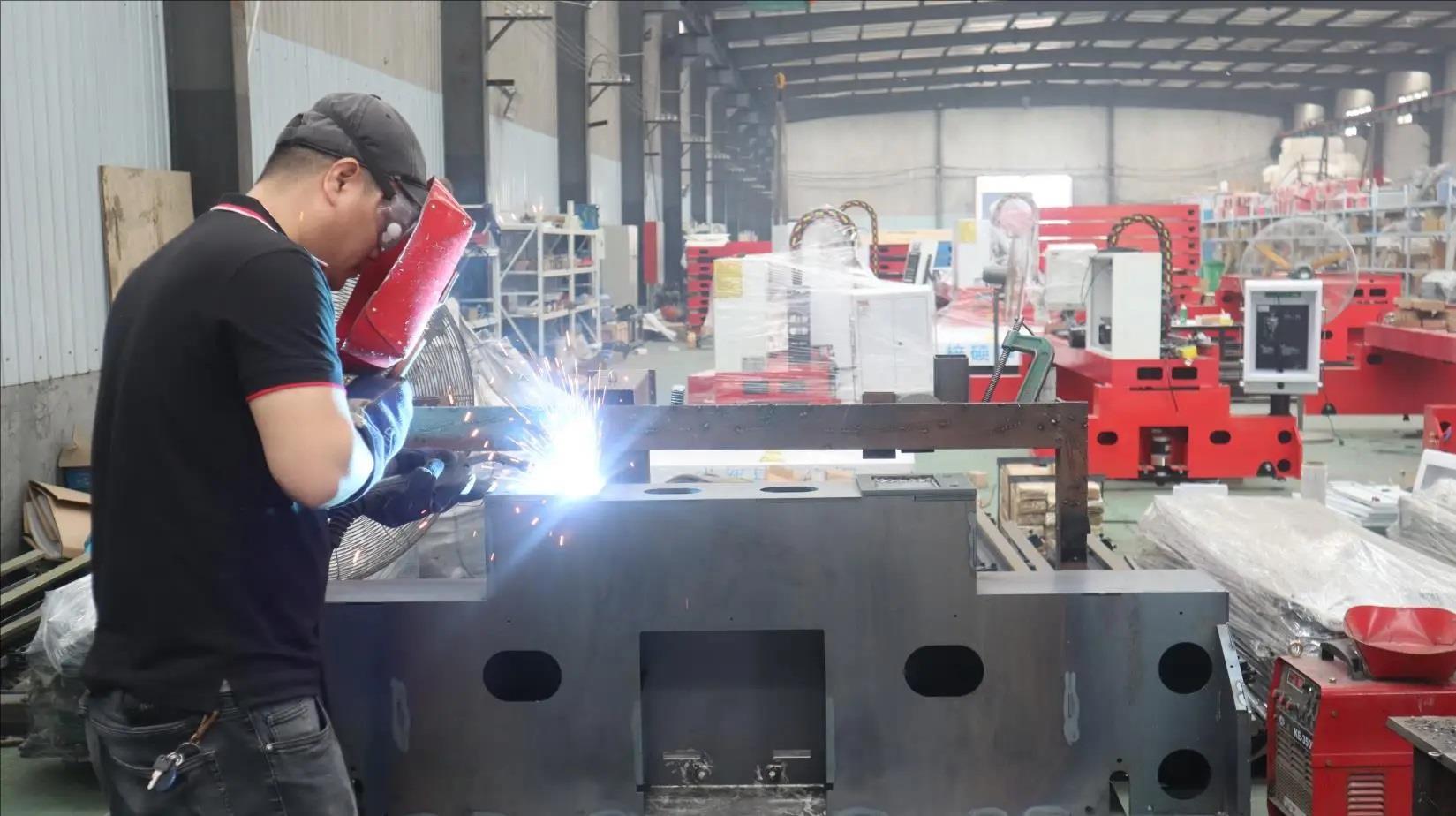
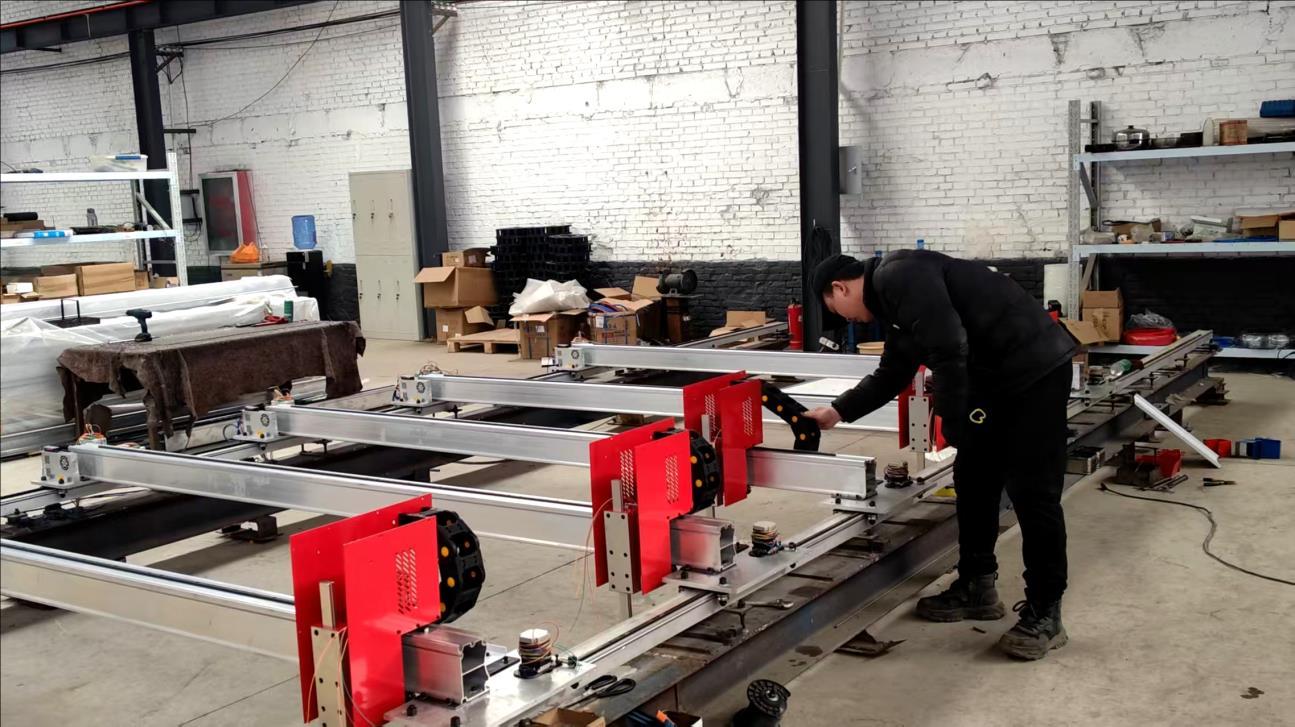
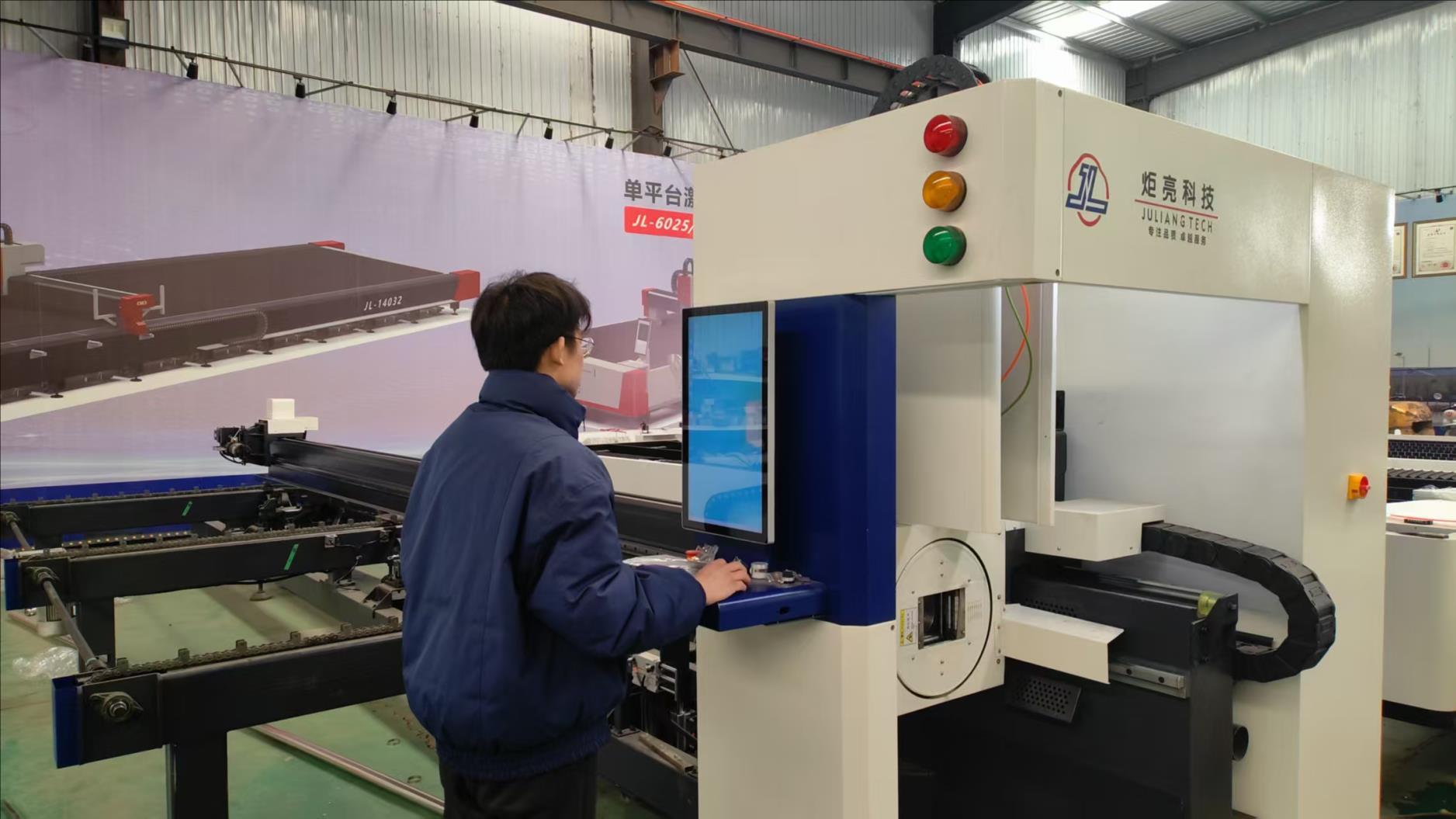
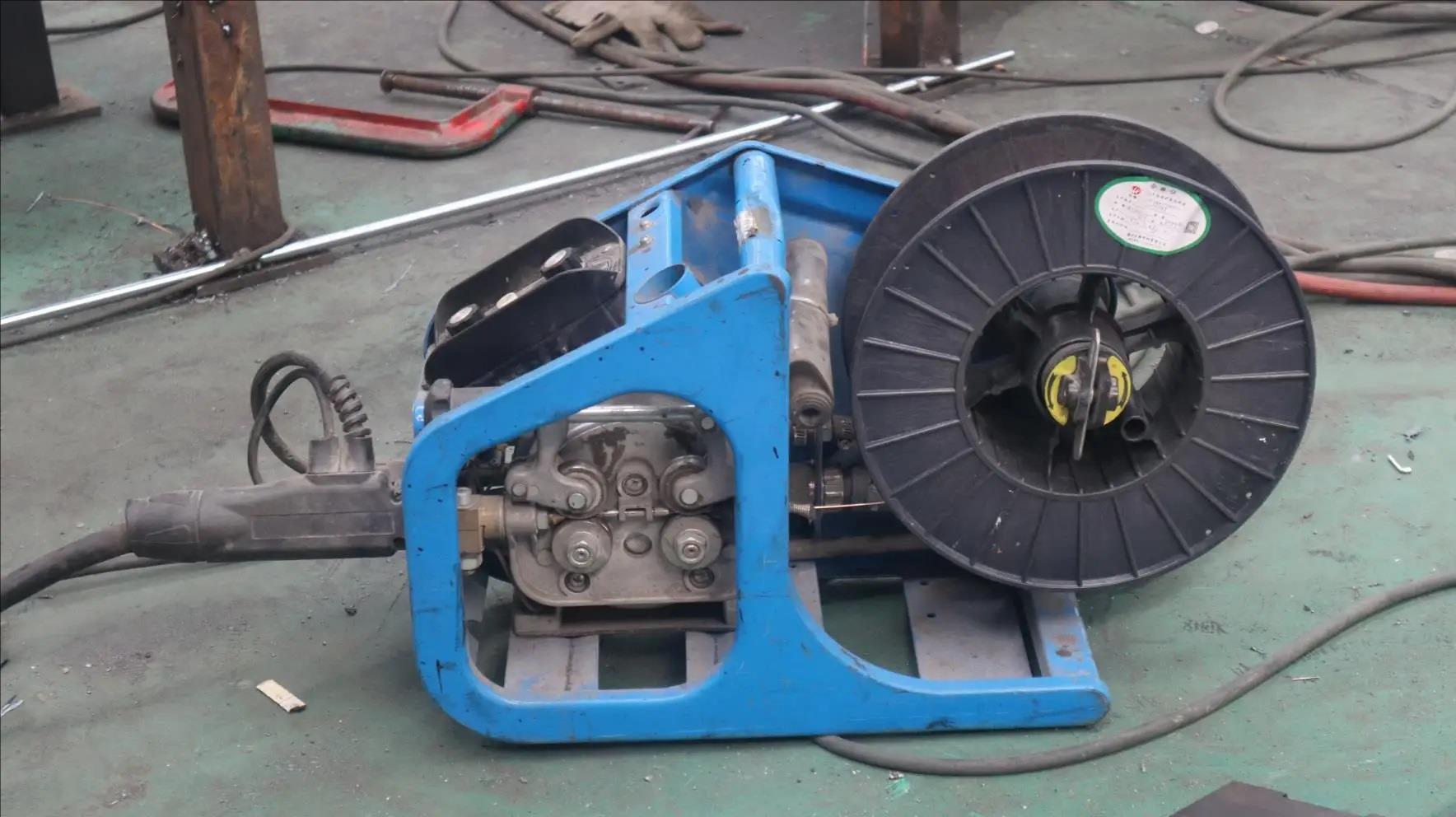
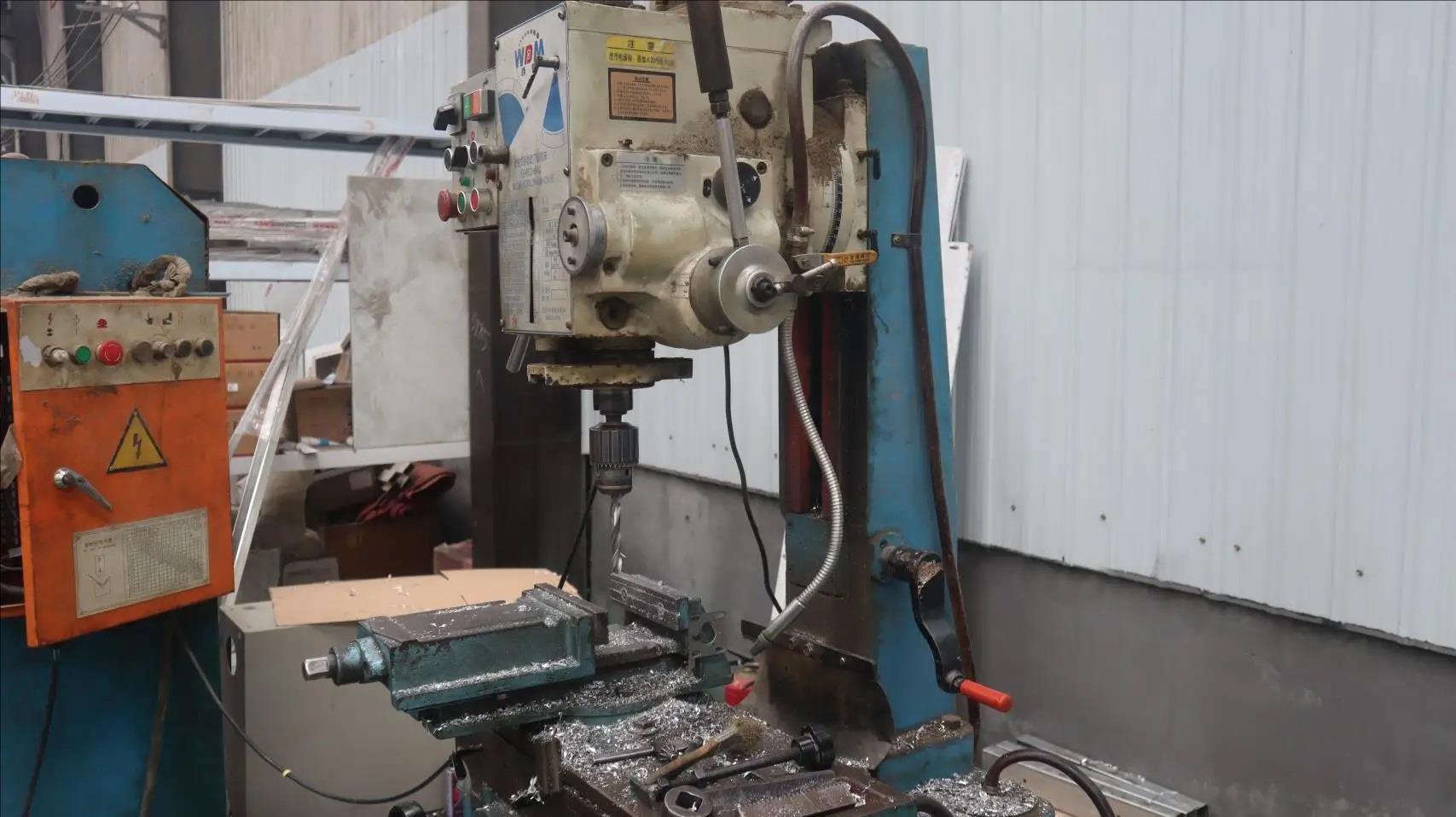
A strategic analysis of modern Chinese industrial tool production, detailing structural advantages that drive global manufacturing efficiency.
China controls over 80% of the world's supply of primary tungsten ore (wolframite/scheelite). Manufacturing directly in China gives factories like Zhejiang DentFix preferential, raw-access pricing to top-quality carbide precursor materials. This direct integration removes multiple tiers of logistics markups and foreign duties, delivering high-performance tools at a significantly lower total cost of ownership (TCO).
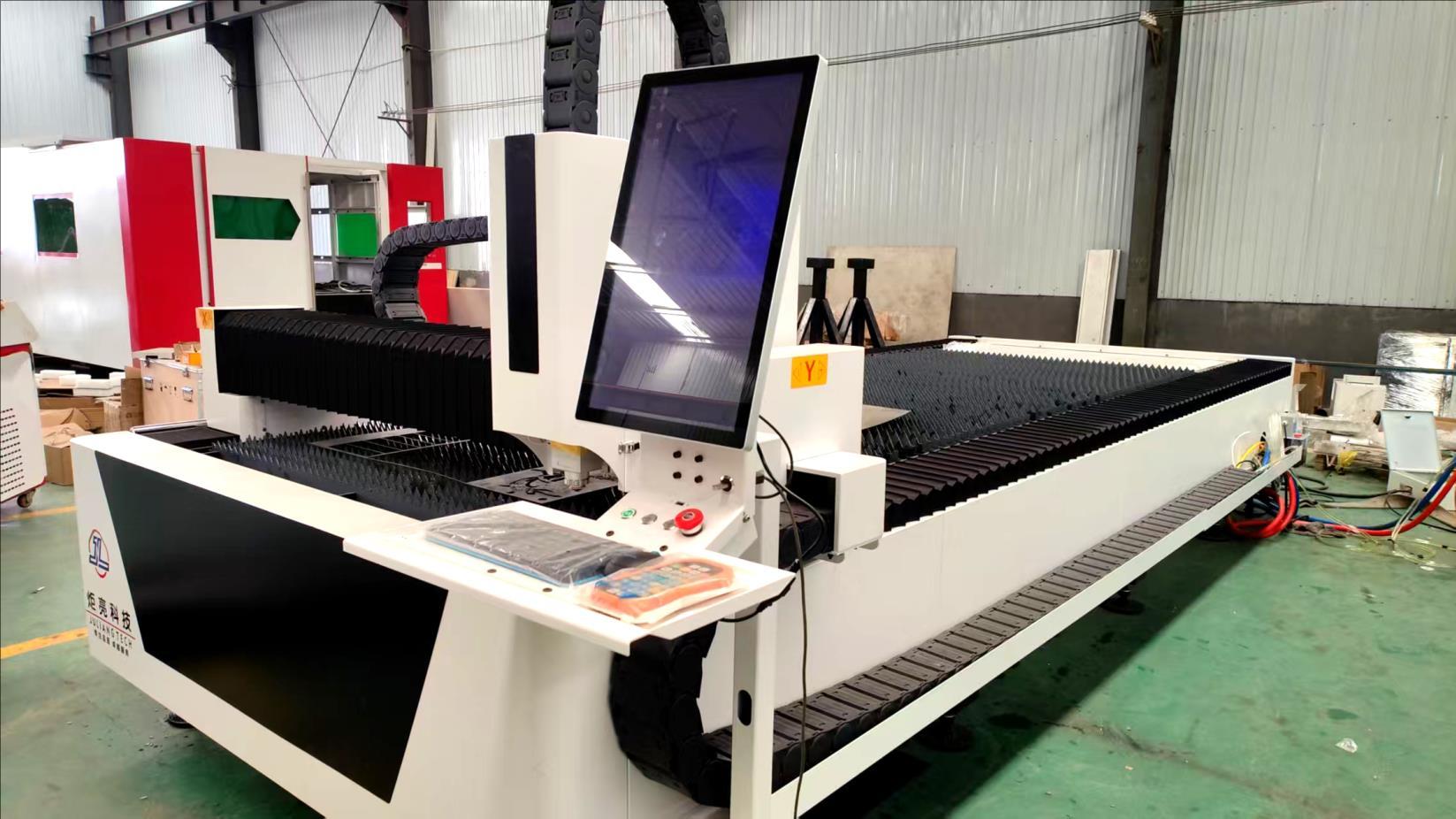
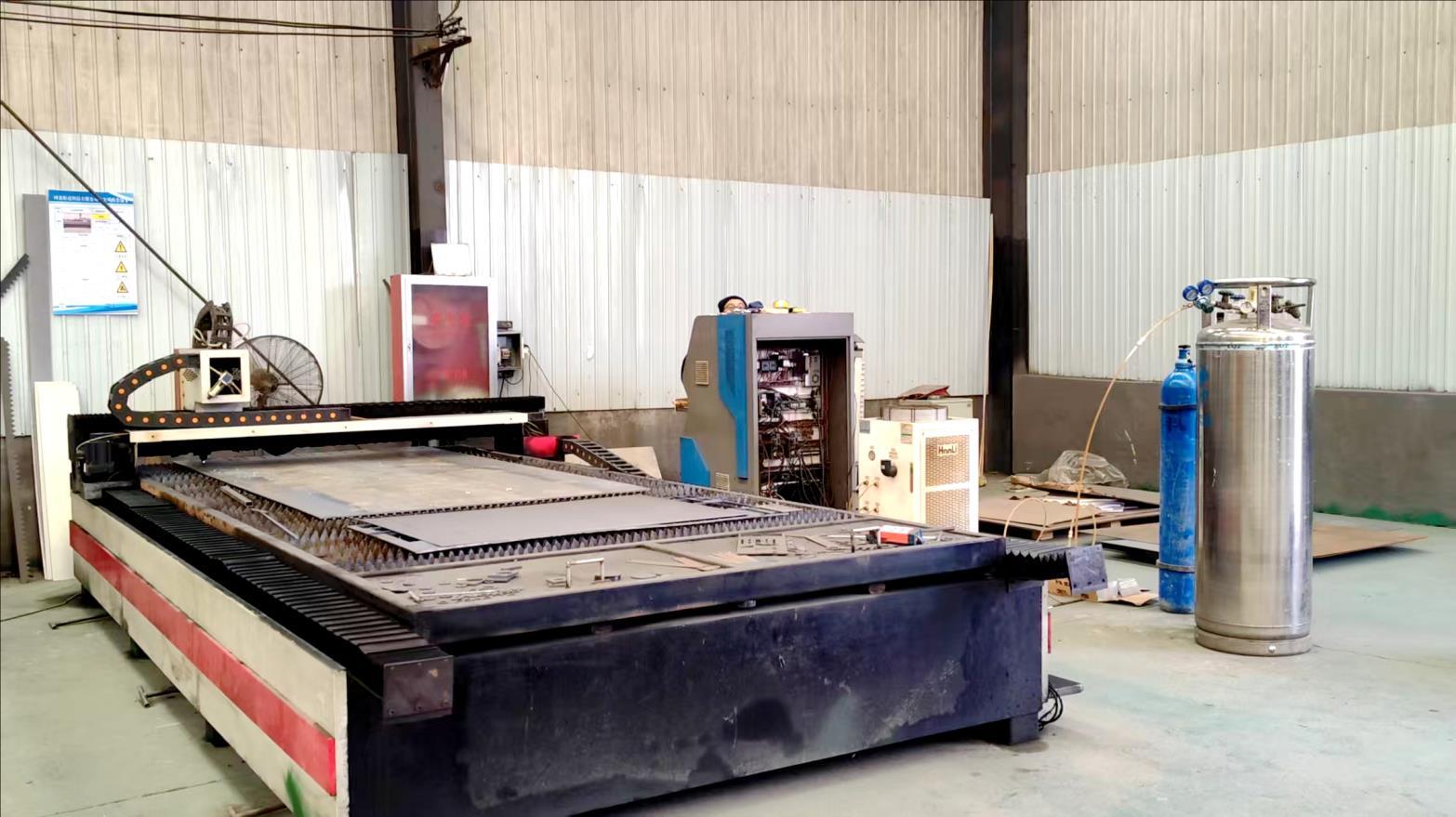
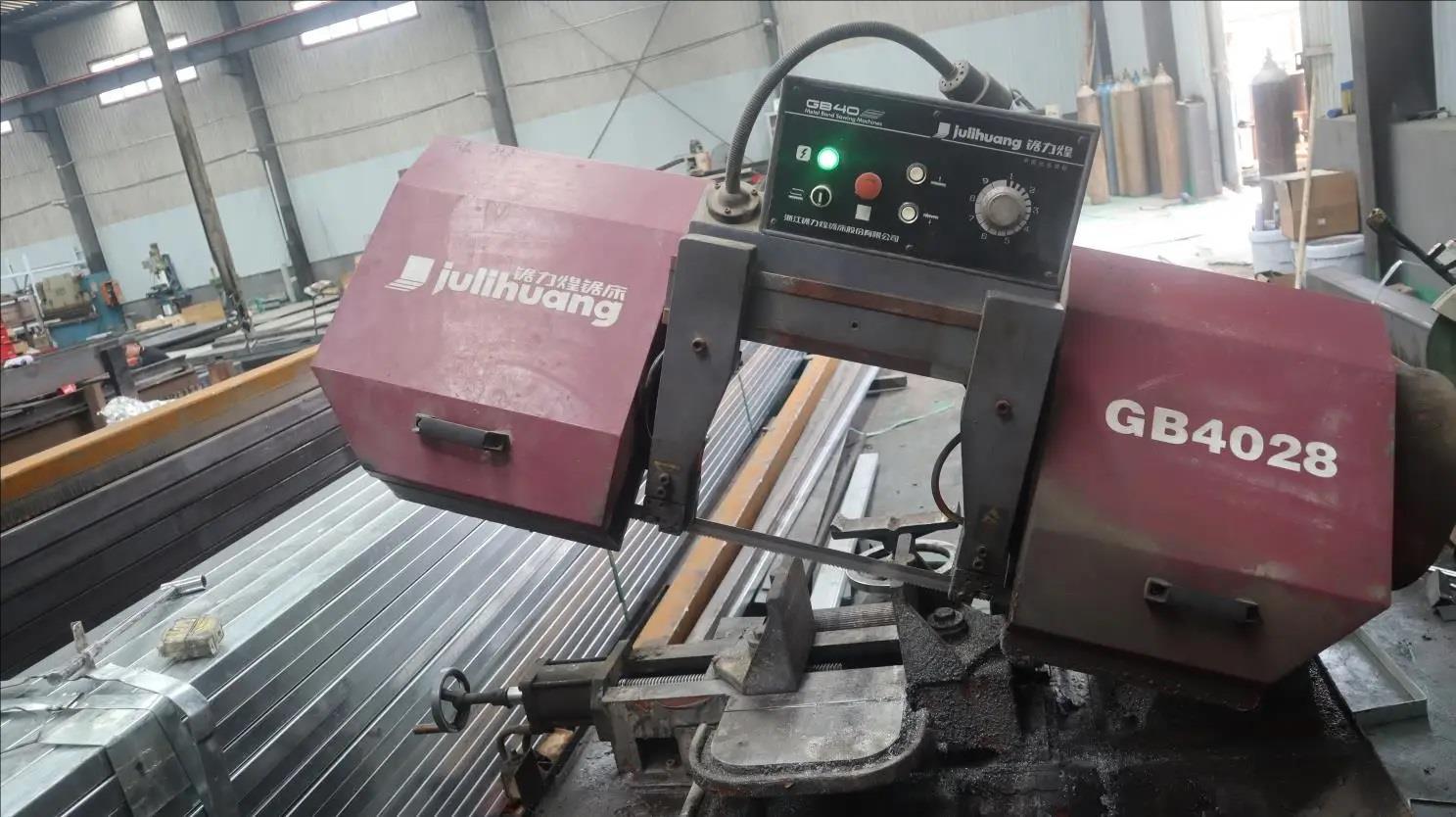
By pairing premium raw materials with world-class multi-axis CNC grinding centers (such as ANCA, Walter, and Rollomatic machinery) alongside high-performance domestic CNC equipment, Zhejiang DentFix balances cutting-edge machining capability with capital cost optimization. This hybrid industrial model ensures high precision while keeping production costs competitive.
The industrial concentration in Zhejiang allows for rapid sourcing of ancillary items, including customized PVD coatings (such as CrN, TiAlN, and diamond-like carbon), unique packaging options, and laser engraving technologies. Design adaptations that would typically take weeks in other manufacturing hubs can be executed, verified, and shipped within days.
The transition from general-purpose machining tools to specialized cutting systems represents a major shift in modern manufacturing.
Monolithic PVD coatings are giving way to nanostructured multilayers and gradient coatings. Using alternating layers of Titanium Aluminum Nitride (TiAlN) and Silicon Nitride (Si3N4), these coatings achieve extremely high thermal stability (resisting temperatures up to 900°C) and higher surface hardness. This prevents edge deformation during dry machining operations.
Advanced factories no longer rely on sharp cutting edges. Controlled micro-honing of cutting inserts and end mills (ranging from 10 to 30 microns in radius) distributes load forces across a broader area. This preparation reduces chipping and micro-cracking, helping stabilize performance during high-feed operations.
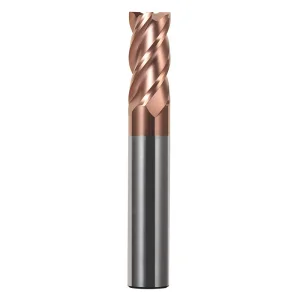
To eliminate resonant frequencies (chatter) during high-speed machining, modern end mills feature variable helix angles and non-equal flute spacing. This geometry breaks up chip frequency, allowing for deeper cuts, faster feed rates, and cleaner surface finishes on difficult materials like titanium, stainless steel, and nickel superalloys.
While carbide remains the industry standard, silicon nitride and whisker-reinforced ceramics are carving out market share for high-temp alloy turning and aerospace profiling. Our research department actively explores hybrid composite bodies to extend tool life by up to 300% under high heat loads.
How DentFix precision cutting tools integrate into diverse production workflows to deliver optimized cost-per-part results.
Challenge: Processing high-volume engine blocks, transmission cases, and crankshafts made of cast iron and abrasive aluminum alloys.
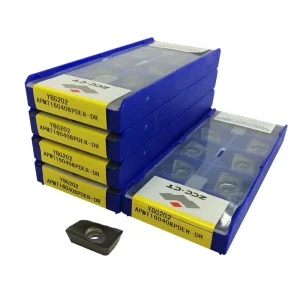
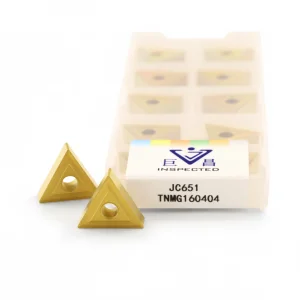
Solution: Custom indexable milling inserts (APMT and TNMG geometries) with specialized TiAlN/AlTiN coatings. Our systems are optimized to maintain tight dimensional tolerances across high-volume production runs.
Challenge: Milling tough materials like Titanium (Ti-6Al-4V) and Inconel, which can cause fast tool wear and heat buildup at the cutting zone.
Solution: Solid carbide end mills with variable helix flutes and micro-honed edges. These designs manage heat effectively and prevent work-hardening of the workpiece surface.
Challenge: Machining hardened steels (HRC 50-65) for injection molds, requiring high surface finish quality and minimal manual polishing.
Solution: Ball Nose and Roughing End Mills (HRC55/HRC65 series) designed with precise core geometry for rigidity, helping control tool deflection during deep-cavity profile milling.
For international procurement managers, sourcing precision cutting tools from overseas requires balancing initial cost savings against long-term process reliability. At Zhejiang DentFix, we structure our business to address and mitigate these operational risks.
Material Traceability: We provide comprehensive material analysis sheets for every batch of tungsten carbide feedstock. Each manufacturing run is traceable back to the raw material batch, ensuring consistent performance from order to order.
Standardized QC Testing: All manufactured tooling undergoes rigorous quality control checks using optical measurement systems (such as Zoller inspection machines) to verify radial runout, helix consistency, and rake angle tolerances.
OEM and ODM Customization: We offer custom tool configuration services. Customers can share CAD models or component blueprints, and our engineers will design customized cutting profiles to optimize production cycles.
Detailed answers from our engineering department regarding tool application, material selection, and custom manufacturing processes.
AlTiN (Aluminum Titanium Nitride) features a higher aluminum content than TiAlN (Titanium Aluminum Nitride). This higher aluminum concentration forms a protective aluminum oxide outer layer at high cutting temperatures, improving thermal stability. AlTiN is typically suited for dry milling, high-speed machining, and cutting hard steels (HRC 45-65). TiAlN is a versatile, general-purpose coating well-suited for interrupted cuts and general steel processing at moderate temperatures.
Tool runout refers to the deviation of the tool's rotational axis from the spindle's main axis. In small-diameter tooling (such as 2mm Ball Nose End Mills), even 5 microns of runout can cause uneven loading on the cutting edges, leading to premature wear and tool breakage. At DentFix, our grinding and quality control processes maintain runout tolerances under 3 microns on critical dimensions, helping ensure stable tool performance and longer service life.
The mechanical properties of tungsten carbide are determined by its grain structure. Sub-micron grains yield a more homogeneous carbide matrix with higher density. This composition provides an optimal balance of hardness (to resist abrasive wear) and toughness (to resist chipping). This makes sub-micron substrates particularly effective for machining difficult alloys, cast irons, and composite materials.
Yes. Our high-feed tooling (including indexable milling inserts and roughing end mills) features specialized cutting-edge geometries that direct chip forces axially up into the machine spindle rather than radially into the tool. This axial loading allows for higher feed rates per tooth, maximizing material removal rates (MRR) without putting excessive bending stress on the tool.
Standard tool profiles are typically dispatched directly from our warehouse. For custom tools (including specialized step drills, profile milling cutters, and complex woodworking knives), our engineering team usually completes CAD review and design validation within 3 to 5 business days. Once the design is approved by the client, production grinding, coating, and quality control processing are generally completed within 15 to 25 business days, depending on batch volume.
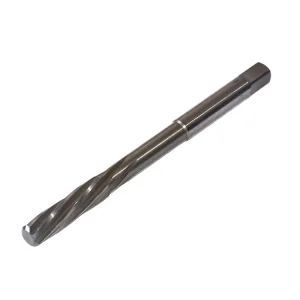
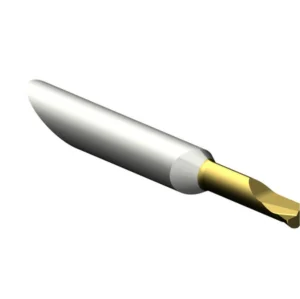
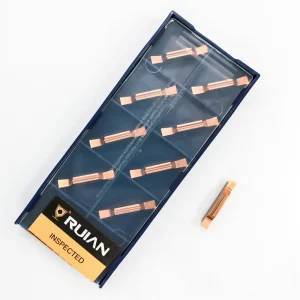
Optimized for CNC machining, face grooving, reaming, and structural woodwork applications.
 DentFix Tool