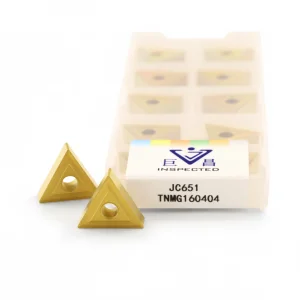
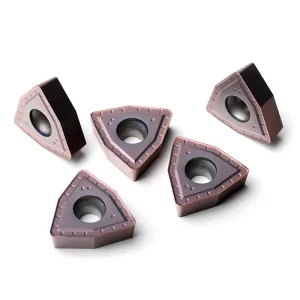
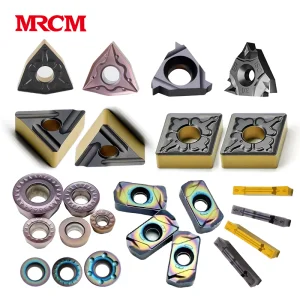
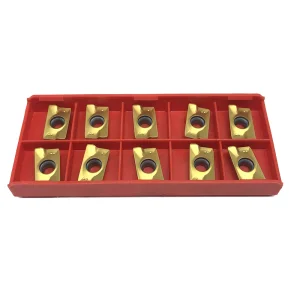
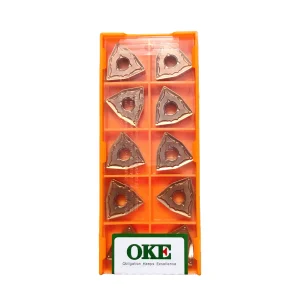
The manufacturing ecosystem of the Valley of Mexico (comprising Mexico City, the State of Mexico, and adjacent industrial zones such as Naucalpan, Toluca, and Tlalnepantla) is undergoing an unprecedented technological transition. Fueled by the structural shifts of nearshoring and the stringent localized sourcing requirements of the USMCA (T-MEC) agreement, tier-1 and tier-2 automotive, aerospace, and precision engineering manufacturers are scaling up high-speed CNC production lines. This surge in automated, high-throughput metalworking has generated critical demand for ultra-reliable, high-performance indexable tungsten carbide inserts.
In high-altitude areas like Toluca and Mexico City (ranging from 2,200 to 2,600 meters above sea level), thermal dissipation dynamics in dry-machining environments differ slightly due to reduced air density. Machinists require carbide tooling with highly stable chemical vapor deposition (CVD) and physical vapor deposition (PVD) barrier layers to withstand localized heat generation without suffering plastic deformation. Consequently, local factories prioritize tools that offer maximum tool life predictability and high material removal rates (MRR).
The global metal cutting market is moving rapidly towards dry, high-speed, and green machining. The reliance on heavy liquid coolants is decreasing due to environmental regulations and the direct operational cost of filtration. To support this transition, carbide manufacturers are introducing advanced coating technologies:
Every engineering application demands a specific substrate-coating-chipbreaker combination. Below is a macro-solution guide tailored for typical production environments in the Mexican market:
| Sector | Material Machined | Insert Grade / Type | Key Benefit |
|---|---|---|---|
| Automotive Powertrain | Al-Si Alloys (A356/A380) | PCD / Polished carbide (VCGT/APKT) | Prevents aluminum built-up edge, high surface gloss |
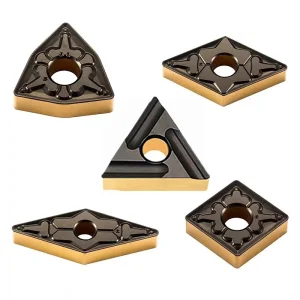
| Heavy Automotive Components | Ductile Cast Iron, Carbon Steel | CVD Thick Al2O3 Coated WNMG/TNMG | High temperature wear resistance during continuous cutting |
| Aerospace Structural Parts | Titanium alloys, Inconel 718 | Fine-grain carbide with TiAlN/AlTiN PVD | High resistance to thermal cracking and notch wear |
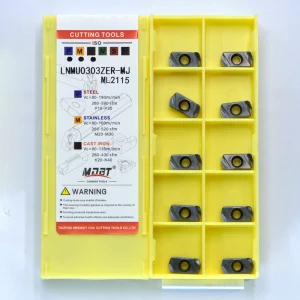
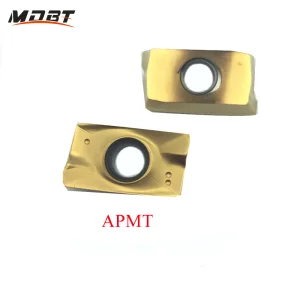
| Precision Injection Molds | Hardened Tool Steel (H13, P20) | Super-micrograin milling inserts (LNMU/APMT) | High-feed milling capabilities, robust edge strength |
Zhejiang DentFix Tool Co., Ltd. is dedicated to delivering high-performance tooling solutions for the metalworking industry, serving global customers across automotive, aerospace, mold & die, general engineering, energy, and precision manufacturing sectors.
Driven by continuous innovation and customer-focused development, DentFix has grown into a modern manufacturing enterprise that integrates R&D, intelligent production, quality control, sales, and technical support. The company has built a strong reputation for delivering reliable products, consistent quality, and professional services to customers in both domestic and international markets.
With advanced manufacturing technologies, experienced engineering teams, and strict quality management systems, DentFix continuously improves its product performance and production efficiency. The company is dedicated to helping customers achieve higher machining accuracy, longer tool life, greater productivity, and lower manufacturing costs.
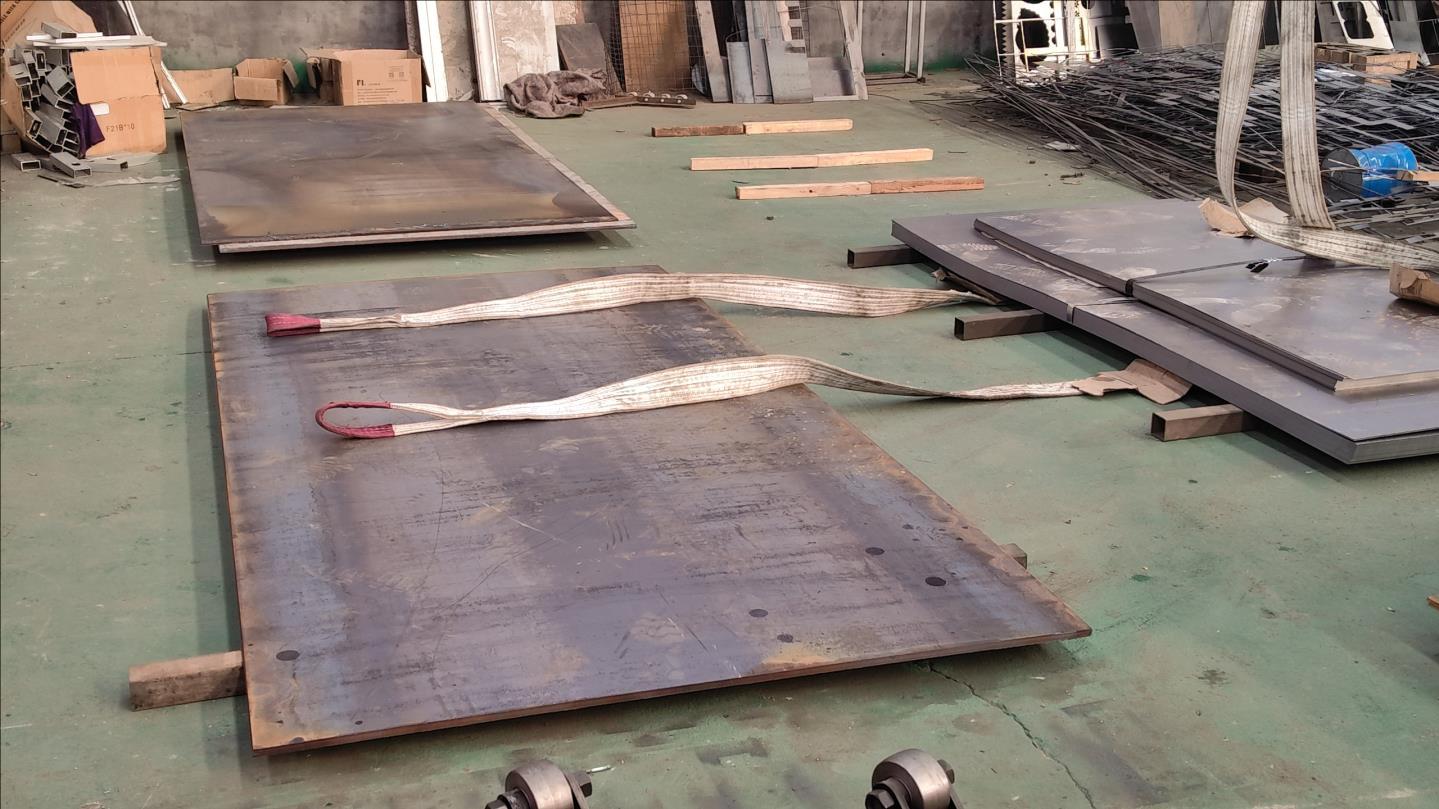
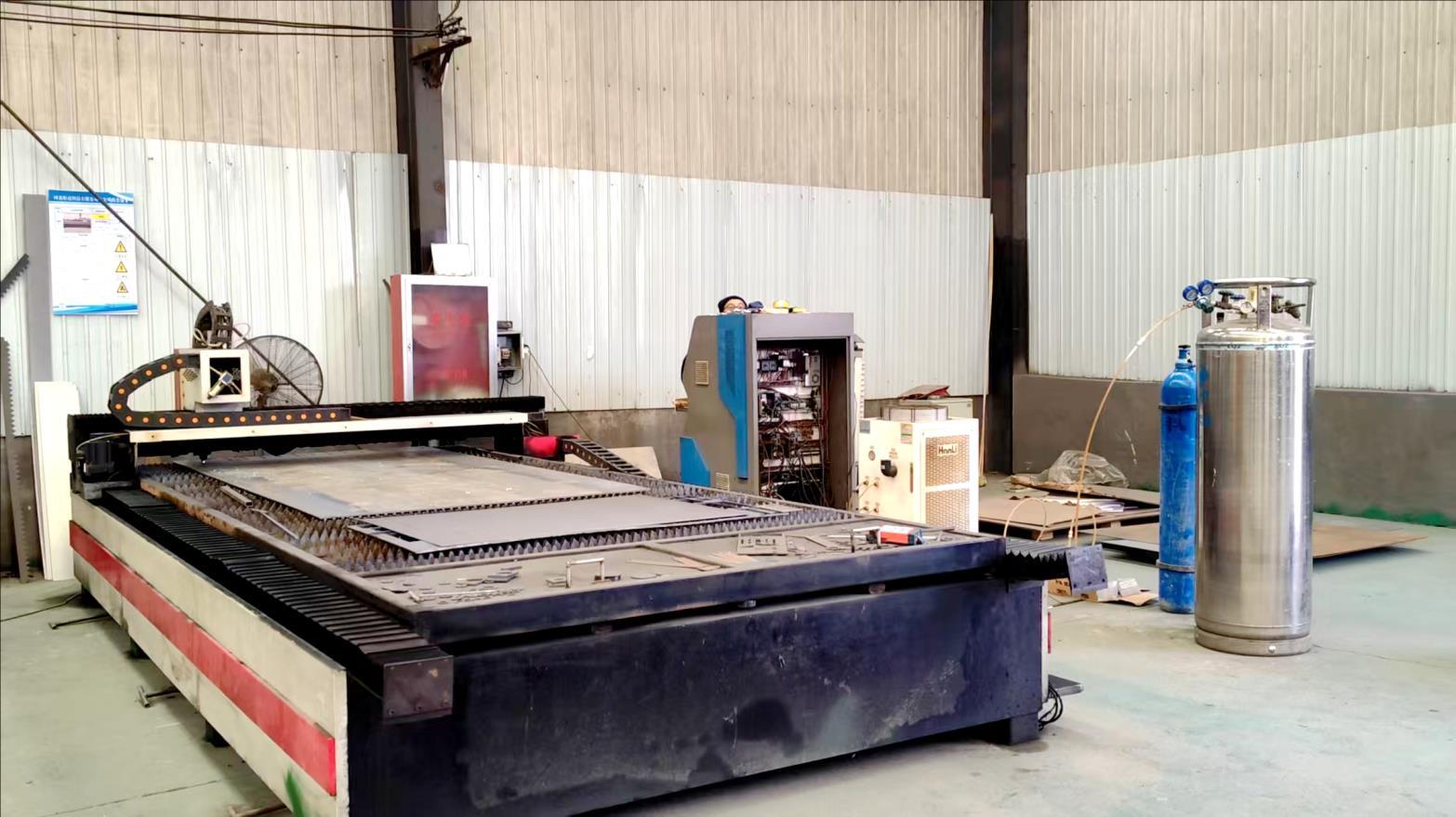
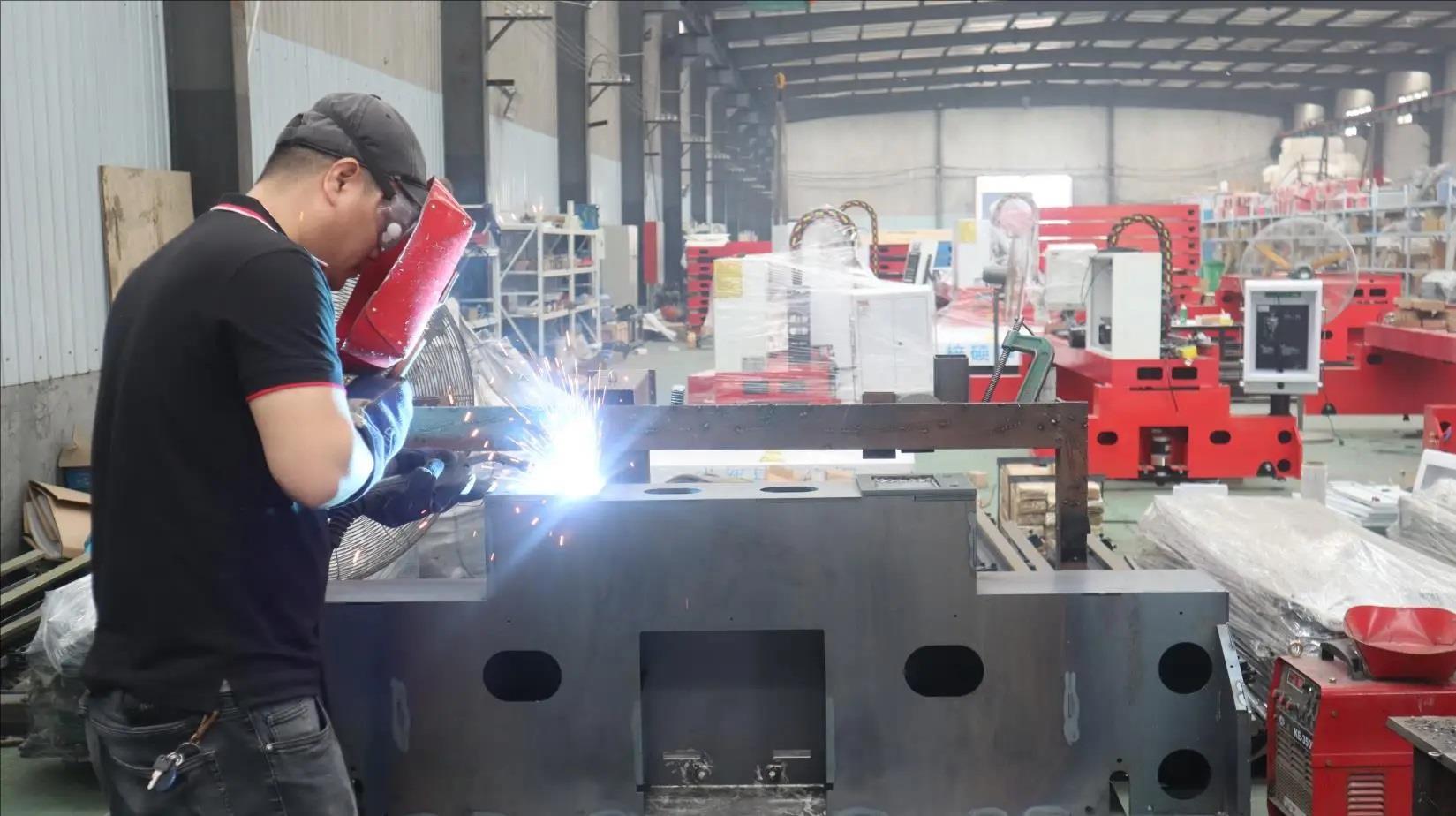
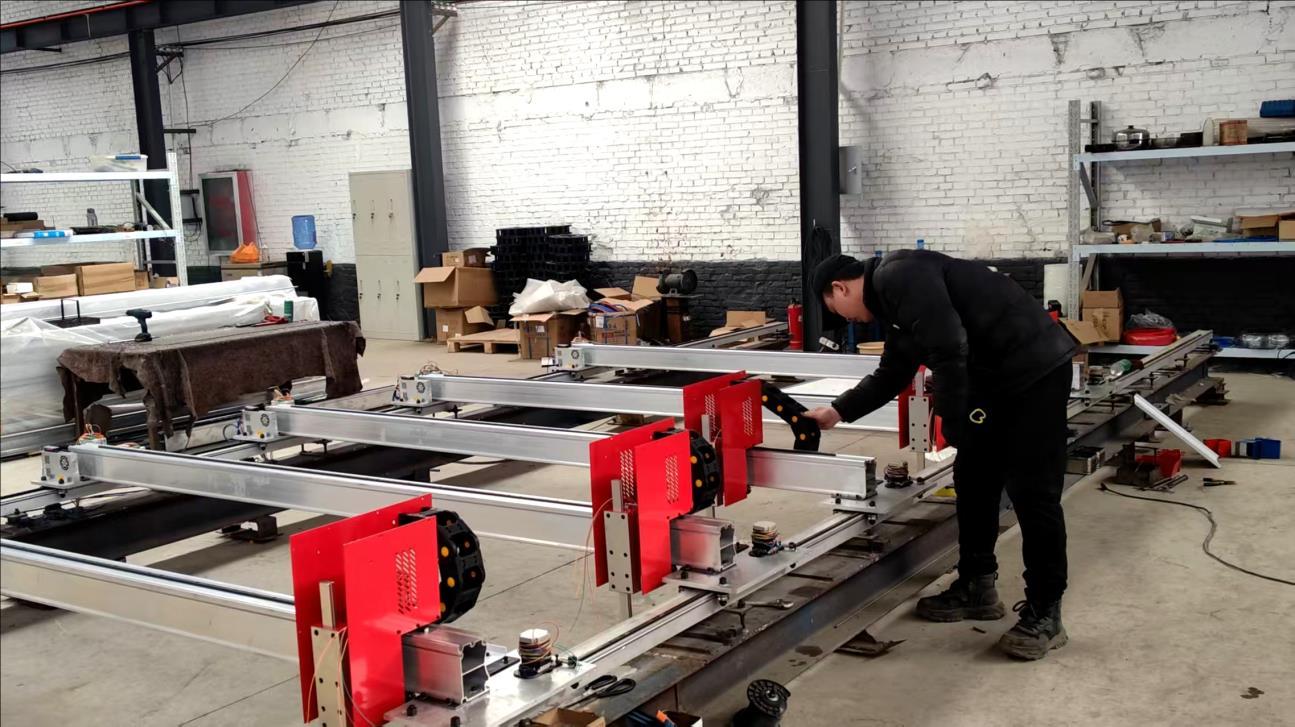
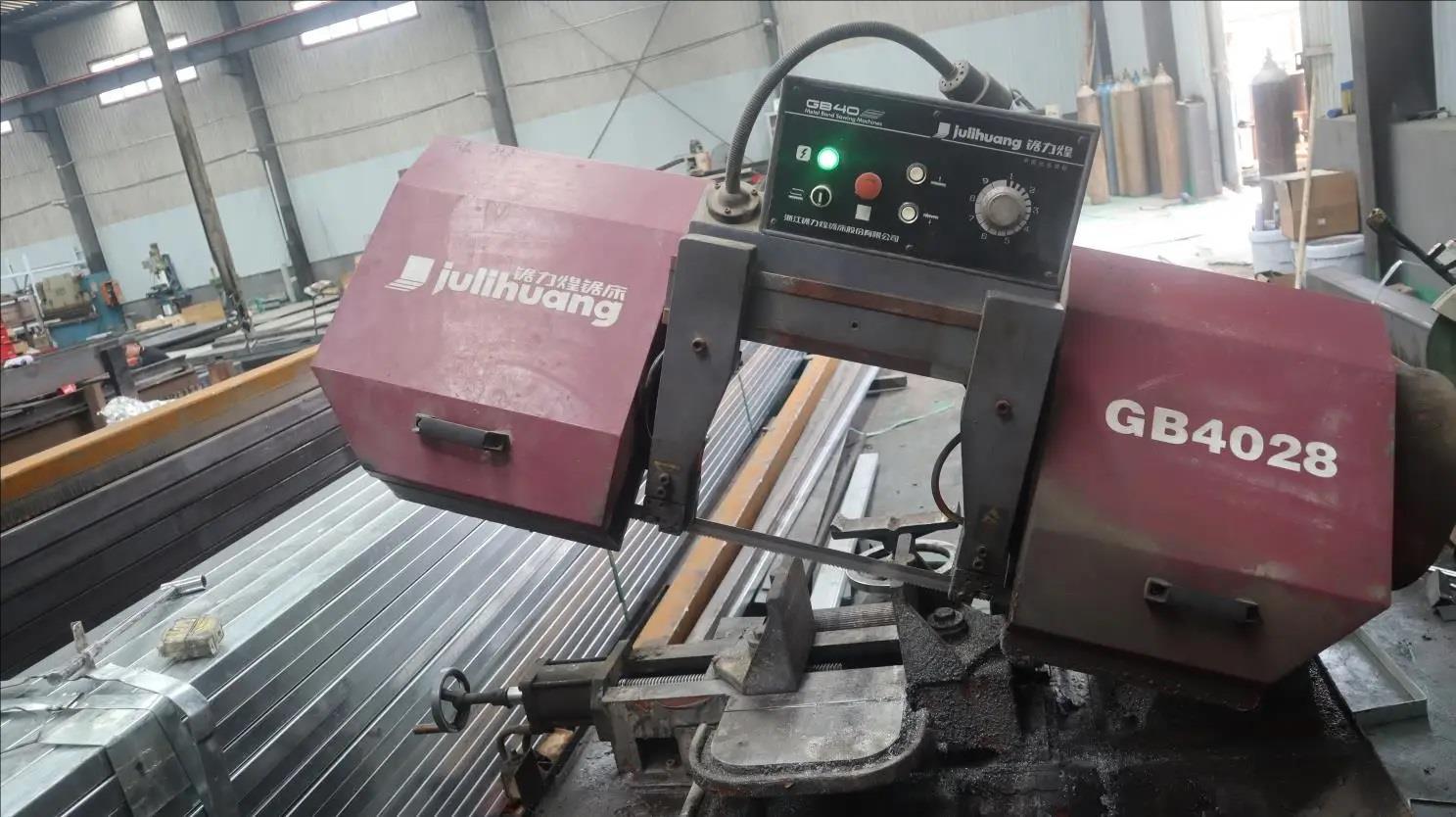
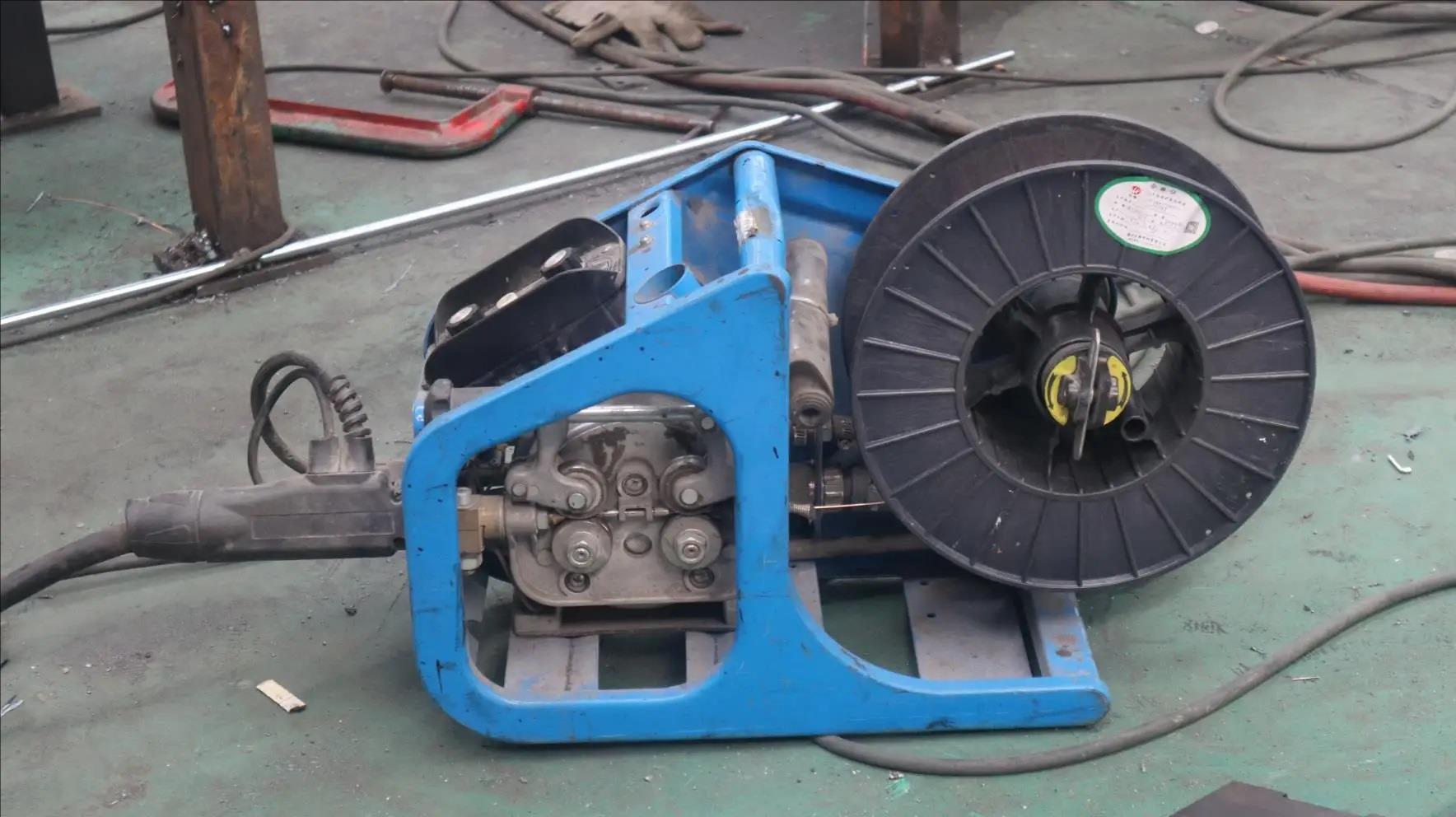
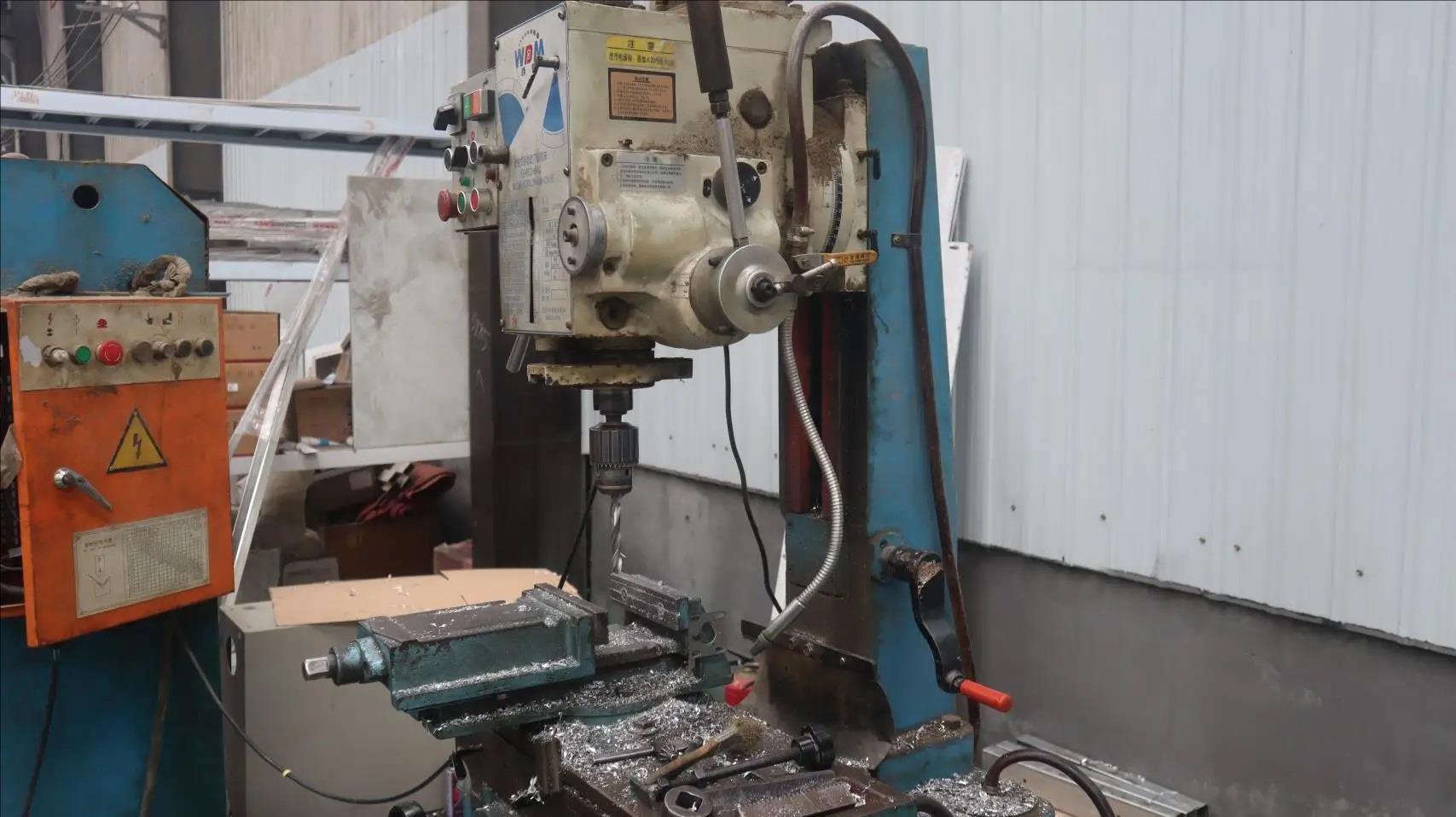
DentFix has established a comprehensive manufacturing system supported by experienced engineers, skilled production personnel, and a professional sales and technical service team. Our manufacturing facility is equipped with advanced CNC grinding machines, high-precision inspection equipment, automated production systems, and modern quality testing laboratories. Every product undergoes rigorous inspection throughout the manufacturing process to ensure exceptional dimensional accuracy, durability, and stable machining performance.
Guided by the principles of Quality First, Innovation, Reliability, and Customer Satisfaction, Zhejiang DentFix Tool Co., Ltd. is committed to building long-term partnerships with customers worldwide. We look forward to providing professional tooling solutions that help manufacturers improve productivity, reduce production costs, and achieve sustainable growth.
As industry 4.0 expands rapidly across Mexico's manufacturing zones, the technology roadmap for cutting tool fabrication focuses on smart integration and high durability materials:
Future toolholders are being integrated with micro-sensors that transmit real-time thermal, vibration, and acoustic data to the CNC controller. This allows adaptive control algorithms to adjust spindle speeds and feed rates dynamically, minimizing tool breakage and optimizing tool utilization rates.
To support green manufacturing practices, tooling systems are being optimized for cryogenic cutting. By directing liquid nitrogen or carbon dioxide directly at the insert edge, manufacturers can run cutting operations at extreme speeds while extending the operational life of the insert by up to 250%.
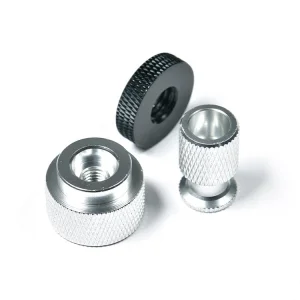
DentFix is researching toolholders designed with internal cooling channels fabricated using 3D metal printing. This structure allows coolant fluid to be channeled directly to the exact point of cut contact, resolving thermal issues that conventional tool geometries cannot address.
Connect with our expert application engineering team to request sample indexable inserts configured specifically for your metal alloys and machining centers.
Send Inquiry Now DentFix Tool