Explore our top-performing mechanical and industrial tools, designed to deliver high dimensional accuracy and long-term durability in challenging processing environments.
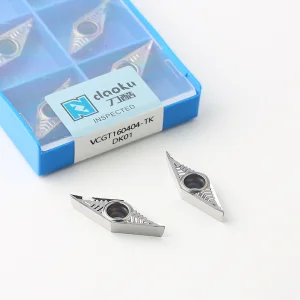
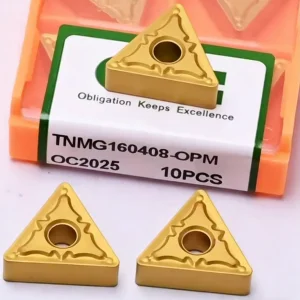
Analysis of why Chinese clusters offer the optimal blend of material integrity, process control, and supply chain agility.
China produces more than 80% of the world's raw tungsten—the primary constituent of tungsten carbide tools. This geographical abundance translates directly into local raw material control, minimizing raw-material price volatility for factories situated in hubs like Zhejiang. Factories can access premium ultrafine and nano-grained tungsten powders directly, which prevents the structural inconsistencies found in materials from fragmented international supply chains.
Mechanical tool manufacturers in Zhejiang operate within highly integrated manufacturing ecosystems. Upstream providers of high-precision CNC multi-axis grinding machines, heat treatment specialist firms, and physical vapor deposition (PVD) coating centers exist in close proximity. This drastically reduces production cycles, streamlines process-level quality audits, and allows for agile adjustments of product designs mid-production.
Leading Chinese tool factories have transition from simple contract manufacturing to R&D-led standard production. ISO 9001, ISO 14001, and CE certifications are standard operational baselines. Standard inspection methodologies include the use of advanced German Zoller tool presetting and measuring machines, which verify micron-level tolerances on cutting tool geometry before delivery to international markets.
The global mechanical tools landscape is transitioning rapidly. In response to demands for greater resource efficiency and the rising adoption of difficult-to-machine alloys (such as Titanium and Inconel in aerospace), tool builders are engineering smart, highly wear-resistant products.
Modern production centers demand cutting tools that support dry machining or minimum quantity lubrication (MQL). This reduces coolant disposal costs and minimizes environmental impact. Standard mechanical tool manufacturers are expanding their R&D allocations to study material wear behavior under thermal shock conditions, leading to enhanced chip-breaker geometries and improved fluid delivery channels directly through the tools.
Discover Zhejiang DentFix Tool Co., Ltd., a professional manufacturer specializing in the research, development, production, and global distribution of precision CNC cutting tools and carbide solutions.
Zhejiang DentFix Tool Co., Ltd. is a professional manufacturer specializing in the research, development, production, and global distribution of precision CNC cutting tools and carbide solutions. Since its establishment, the company has been committed to providing high-performance tooling products for the metalworking industry, serving customers across automotive, aerospace, mold & die, general engineering, energy, and precision manufacturing sectors.
Driven by continuous innovation and customer-focused development, DentFix has grown into a modern manufacturing enterprise that integrates R&D, intelligent production, quality control, sales, and technical support. The company has built a strong reputation for delivering reliable products, consistent quality, and professional services to customers in both domestic and international markets.
With advanced manufacturing technologies, experienced engineering teams, and strict quality management systems, DentFix continuously improves its product performance and production efficiency. The company is dedicated to helping customers achieve higher machining accuracy, longer tool life, greater productivity, and lower manufacturing costs.
Today, Zhejiang DentFix Tool Co., Ltd. continues to strengthen its investment in technological innovation, intelligent manufacturing, and international cooperation, striving to become a trusted global supplier of precision cutting tool solutions.
DentFix has established a comprehensive manufacturing system supported by experienced engineers, skilled production personnel, and a professional sales and technical service team. Our engineering department focuses on the development of innovative cutting tool solutions that meet the evolving requirements of modern CNC machining.
Our manufacturing facility is equipped with advanced CNC grinding machines, high-precision inspection equipment, automated production systems, and modern quality testing laboratories. Every product undergoes rigorous inspection throughout the manufacturing process to ensure exceptional dimensional accuracy, durability, and stable machining performance.
Innovation remains at the core of our business. DentFix continuously invests in new materials, coating technologies, and precision manufacturing processes to develop cutting tools with higher wear resistance, improved machining efficiency, and longer service life.
Guided by the principles of Quality First, Innovation, Reliability, and Customer Satisfaction, Zhejiang DentFix Tool Co., Ltd. is committed to building long-term partnerships with customers worldwide.
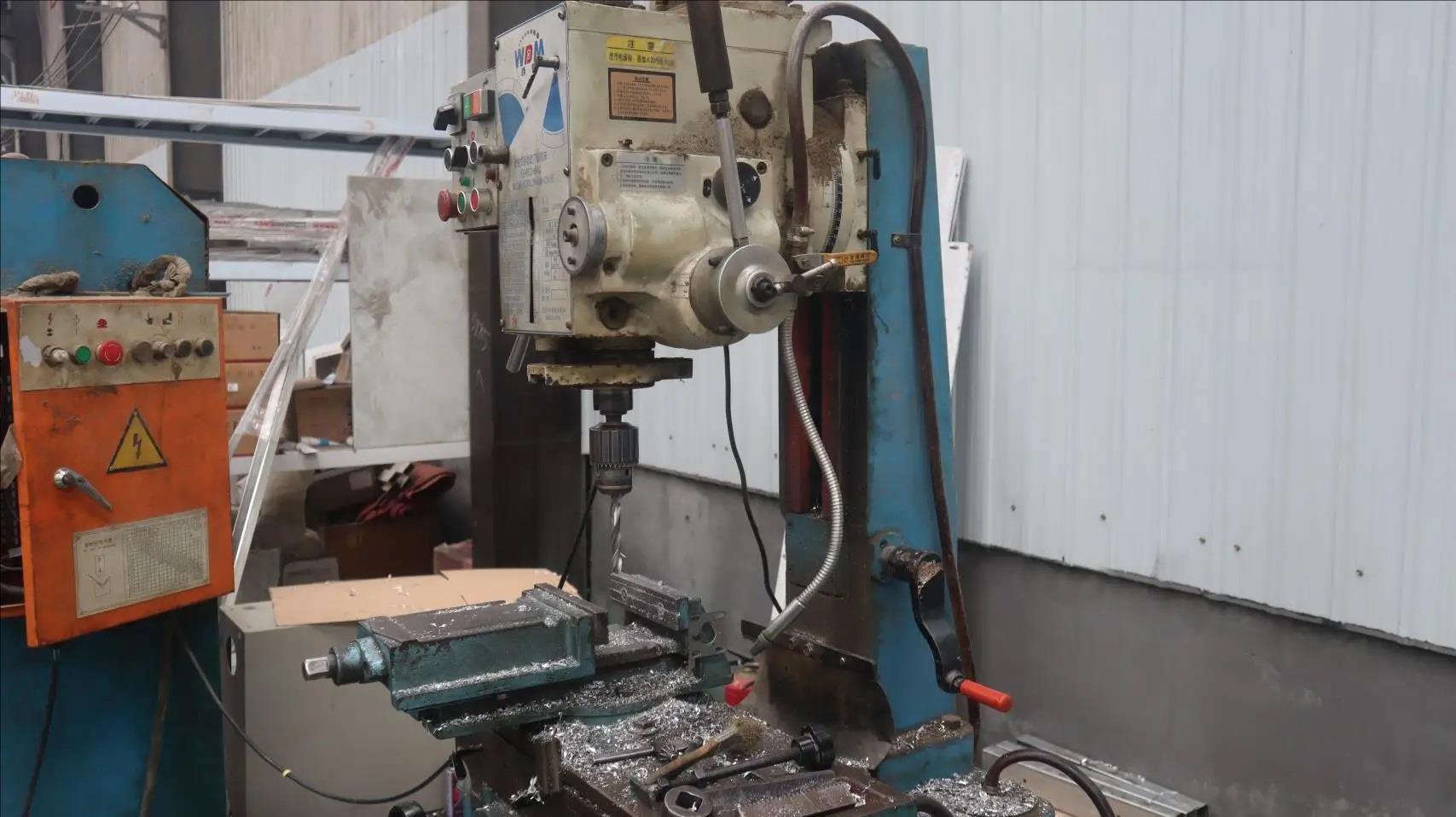
Step-by-step visual overview of our manufacturing processes, machinery assets, and quality inspection stages.
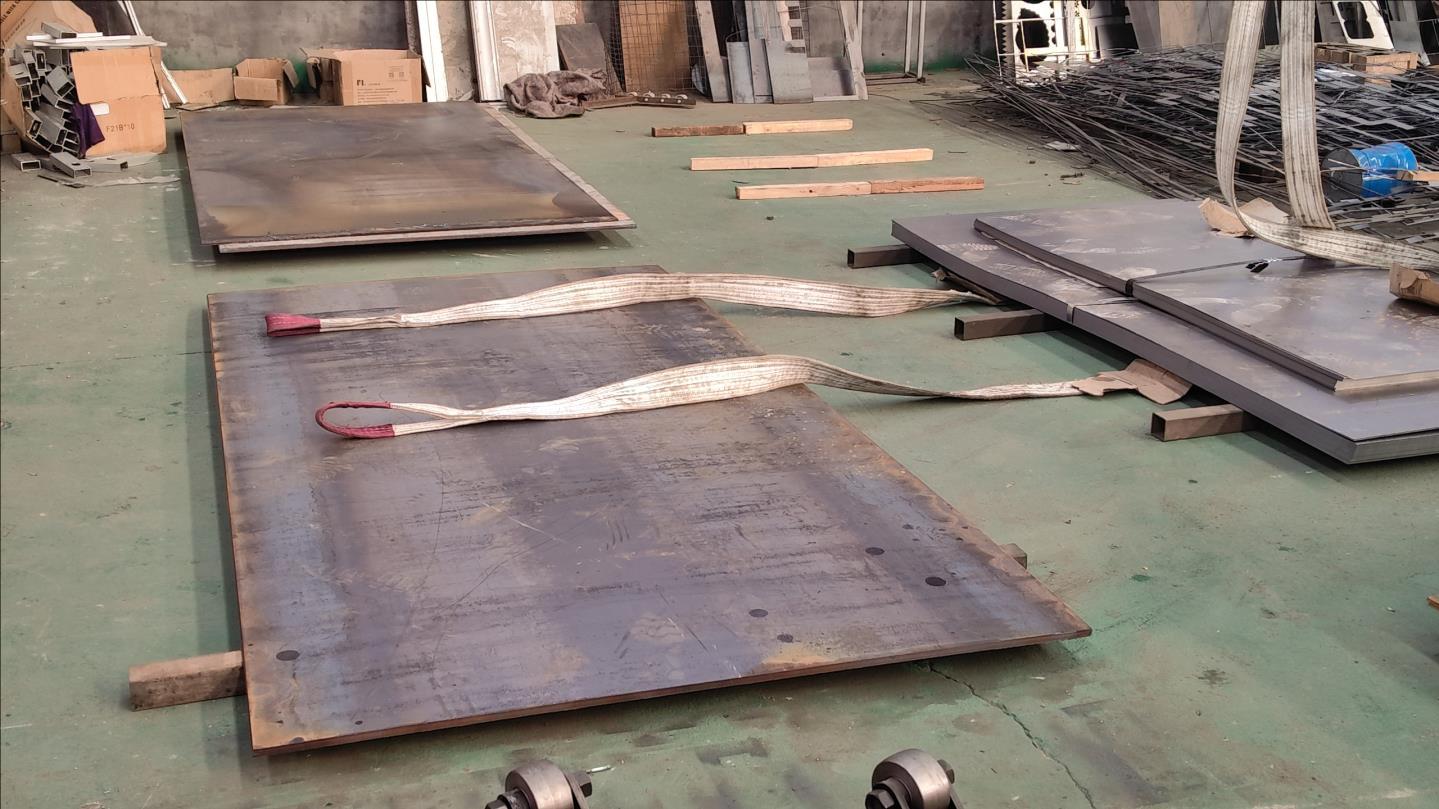
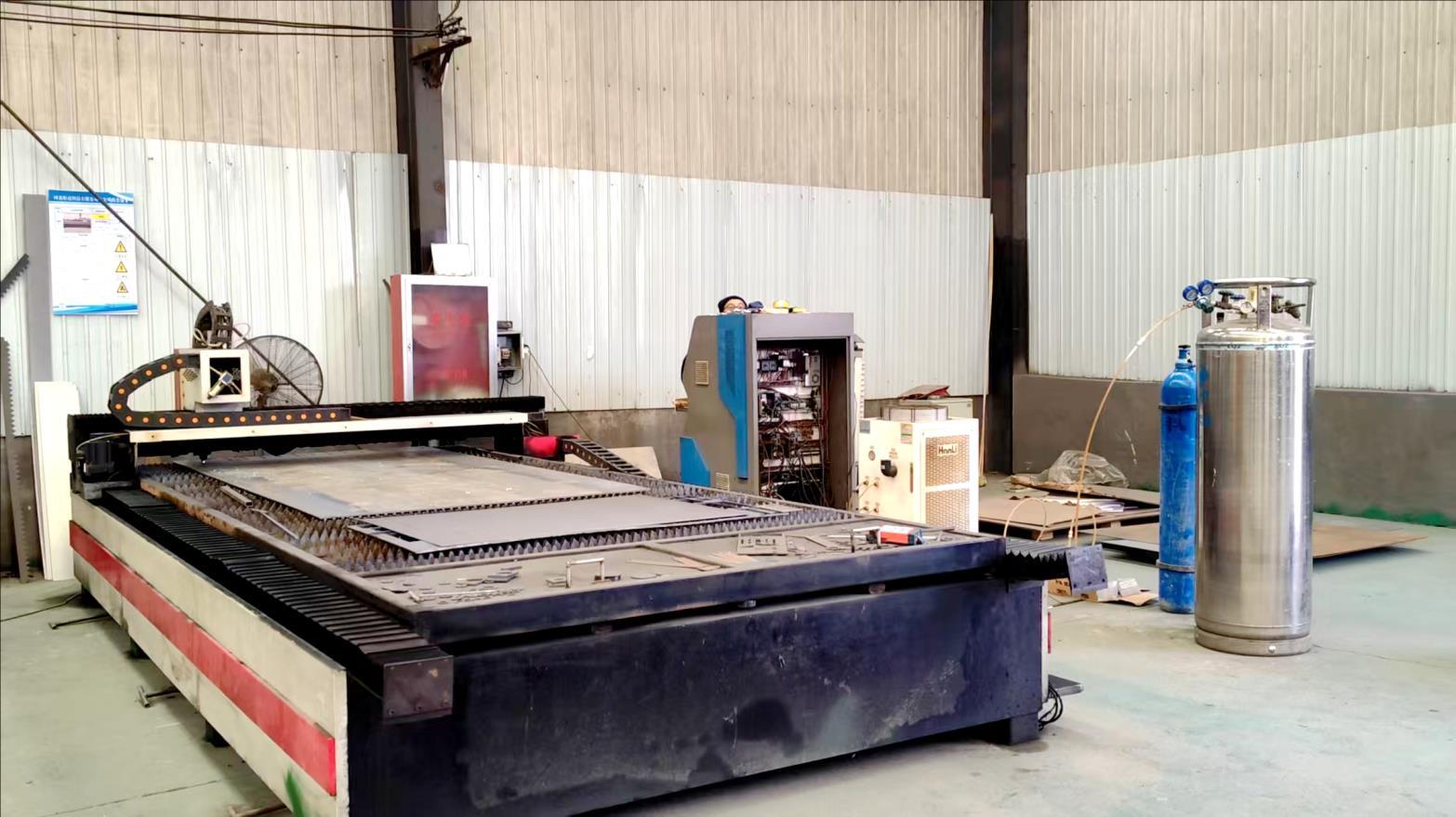
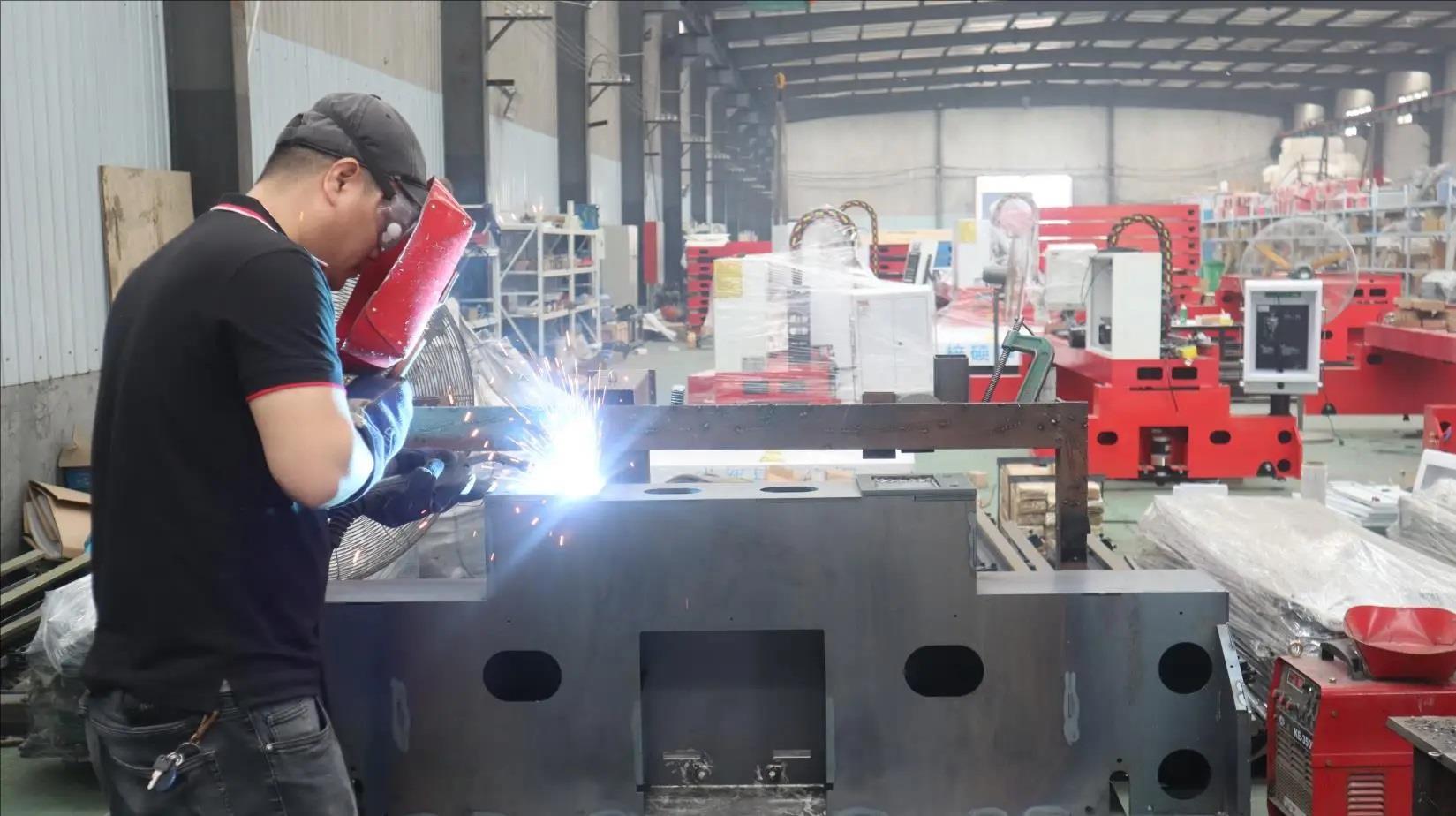
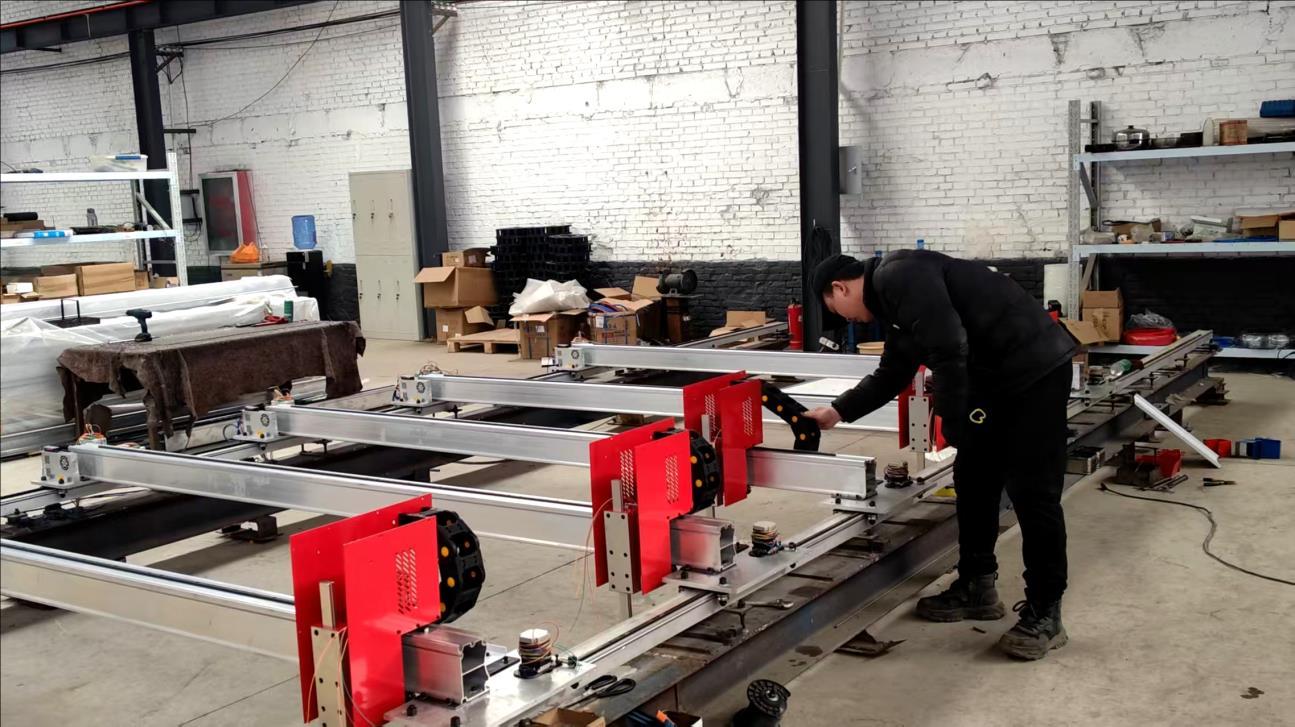
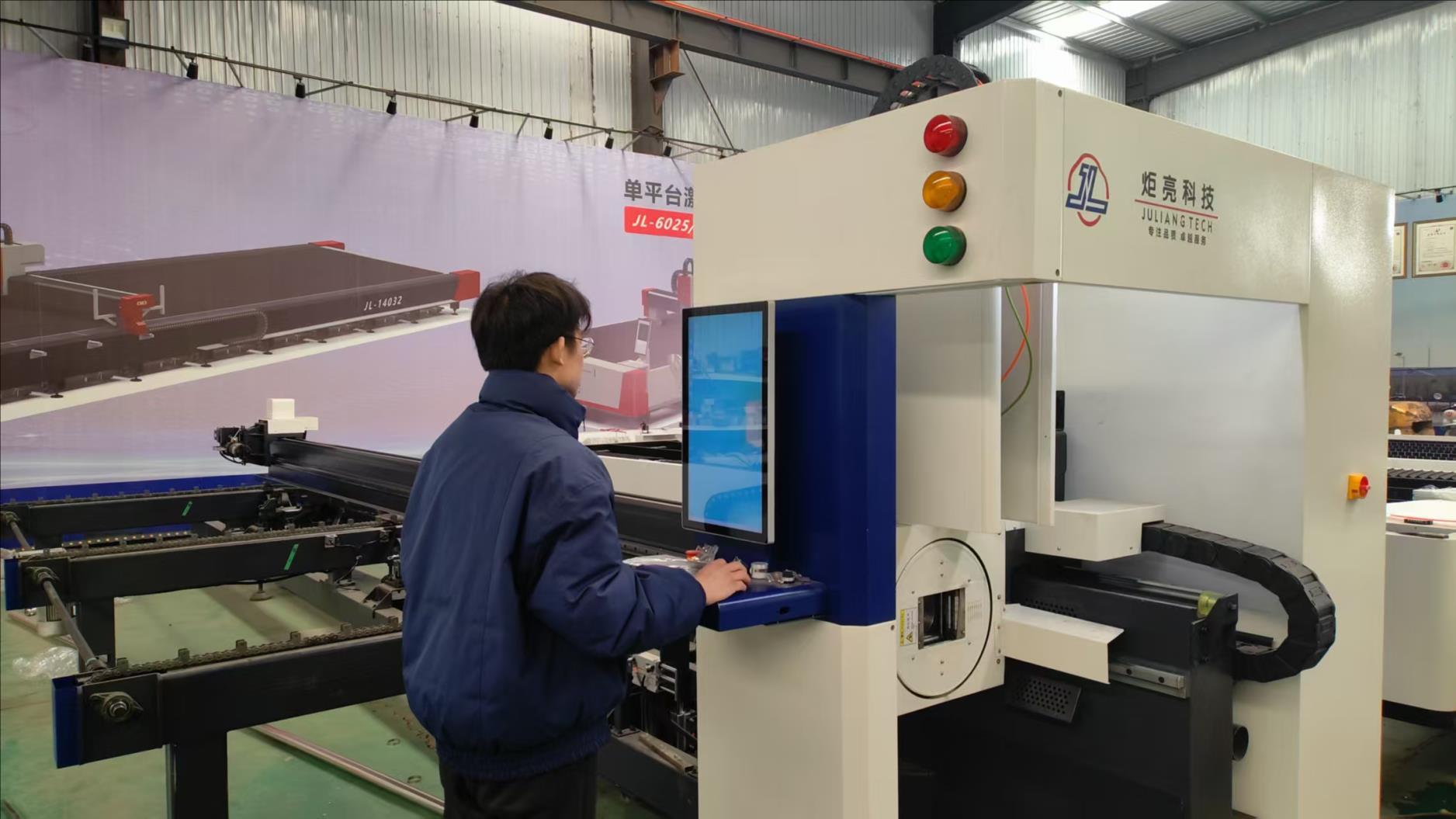
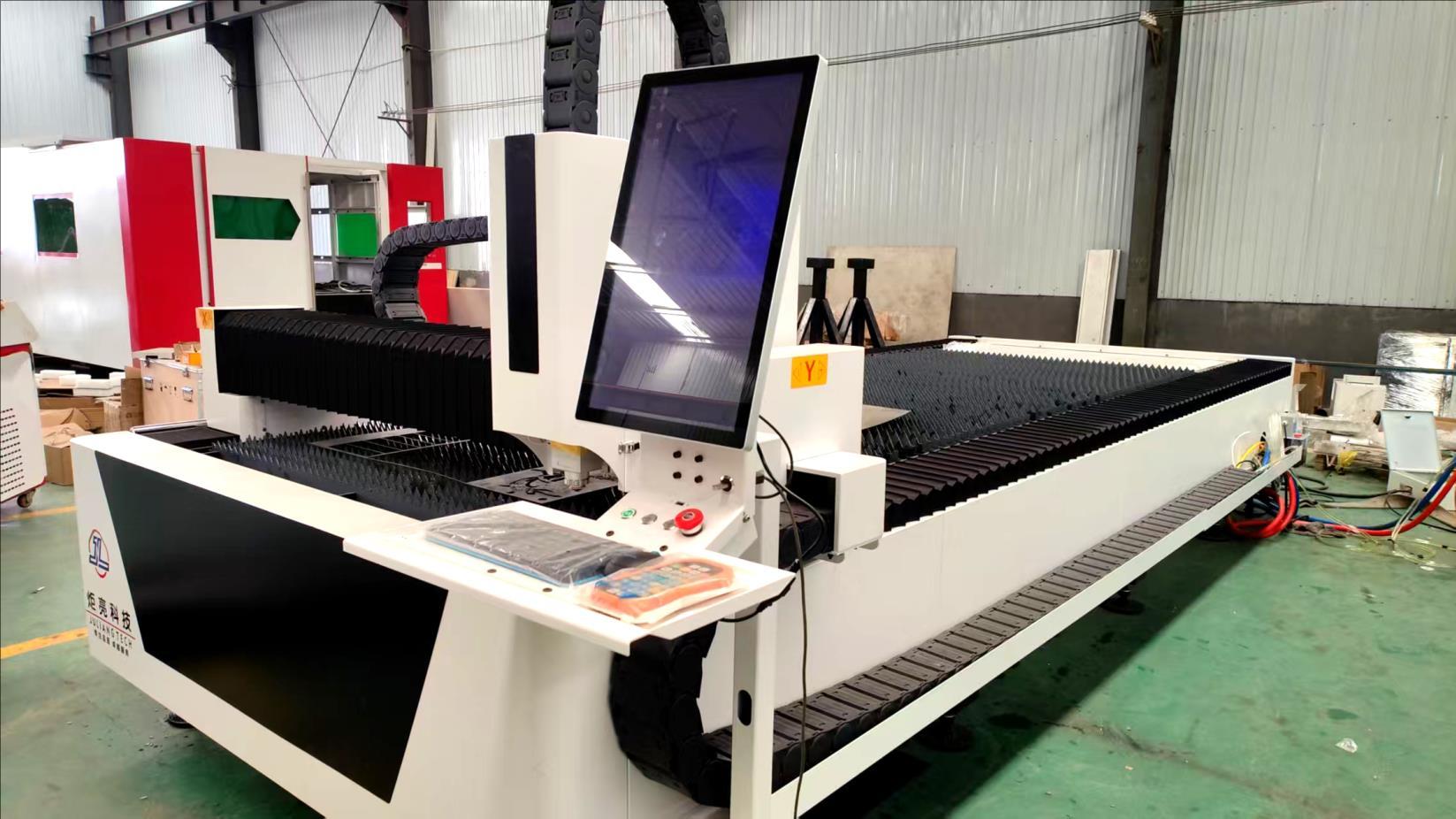
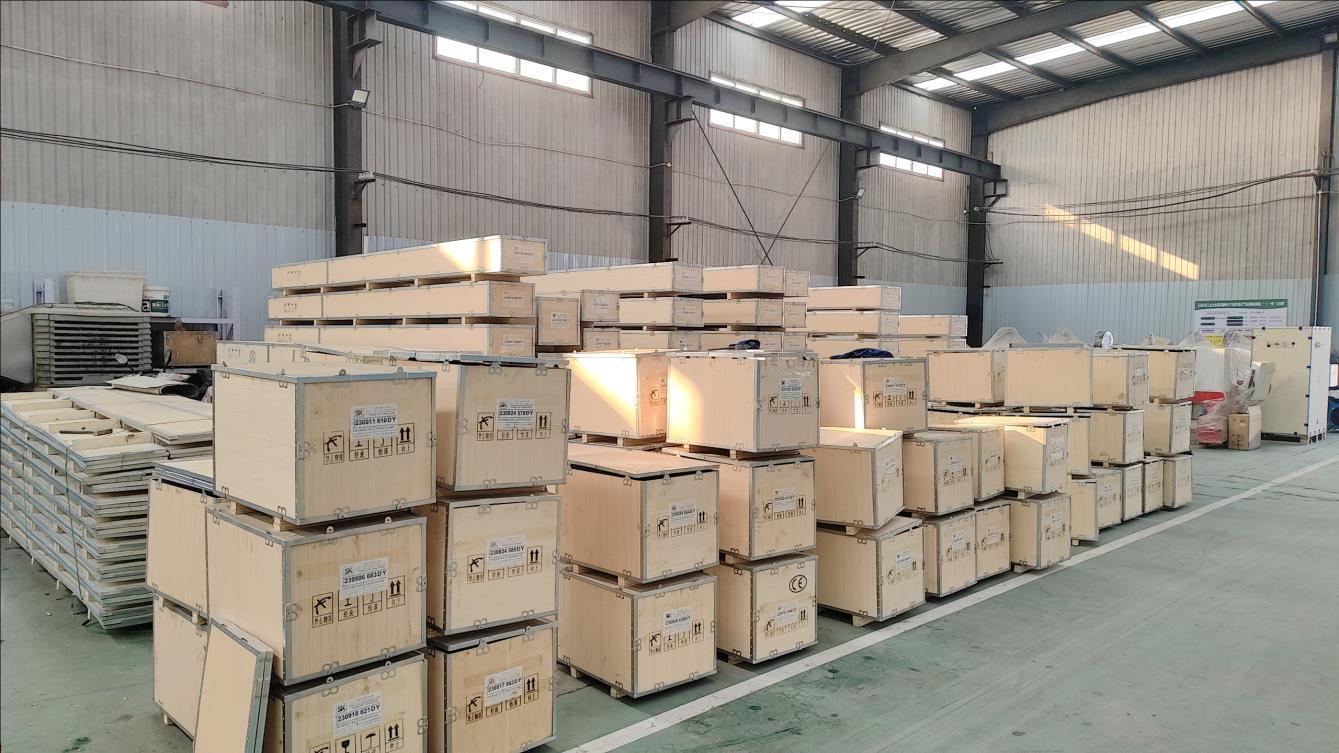
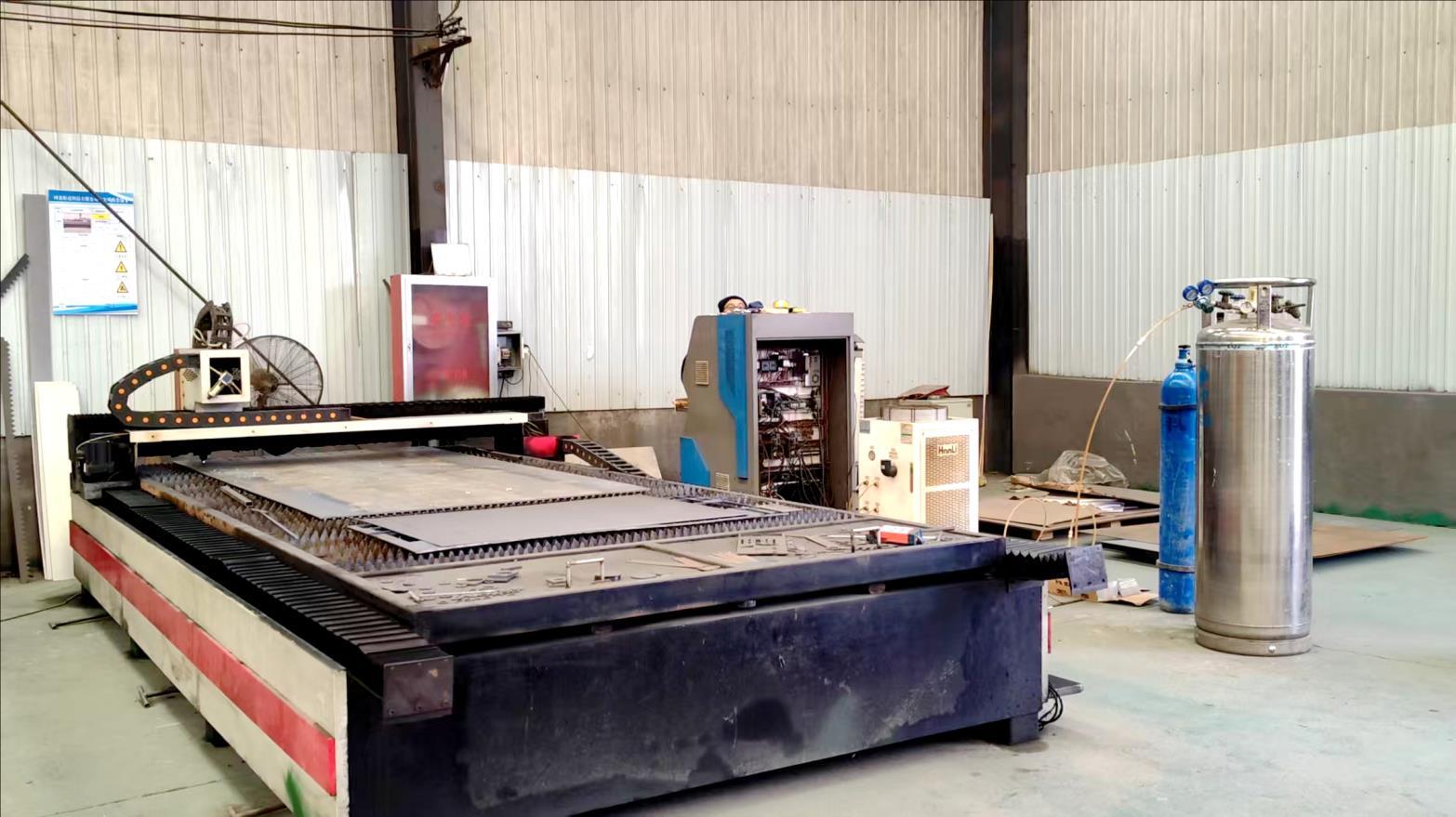
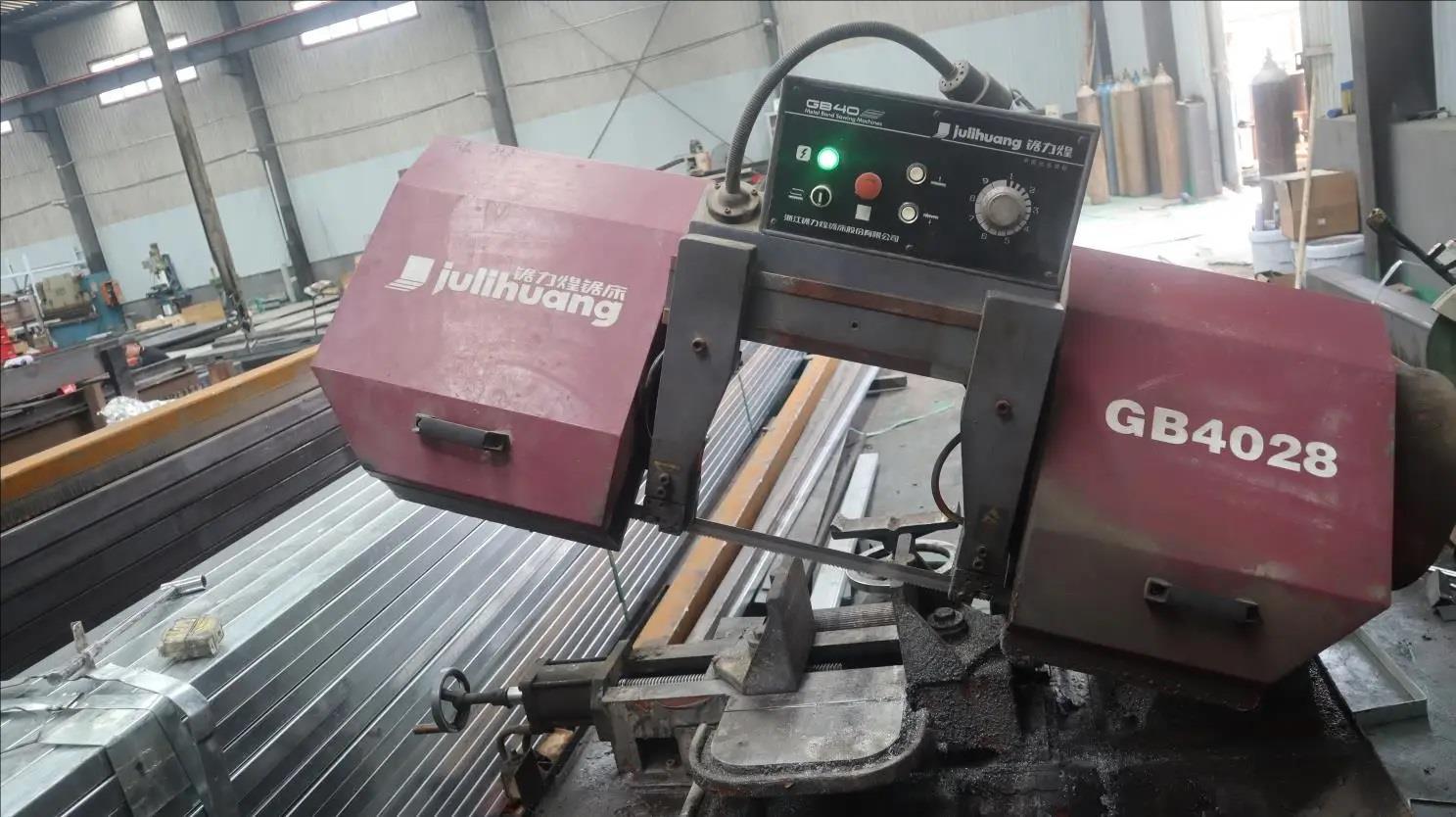
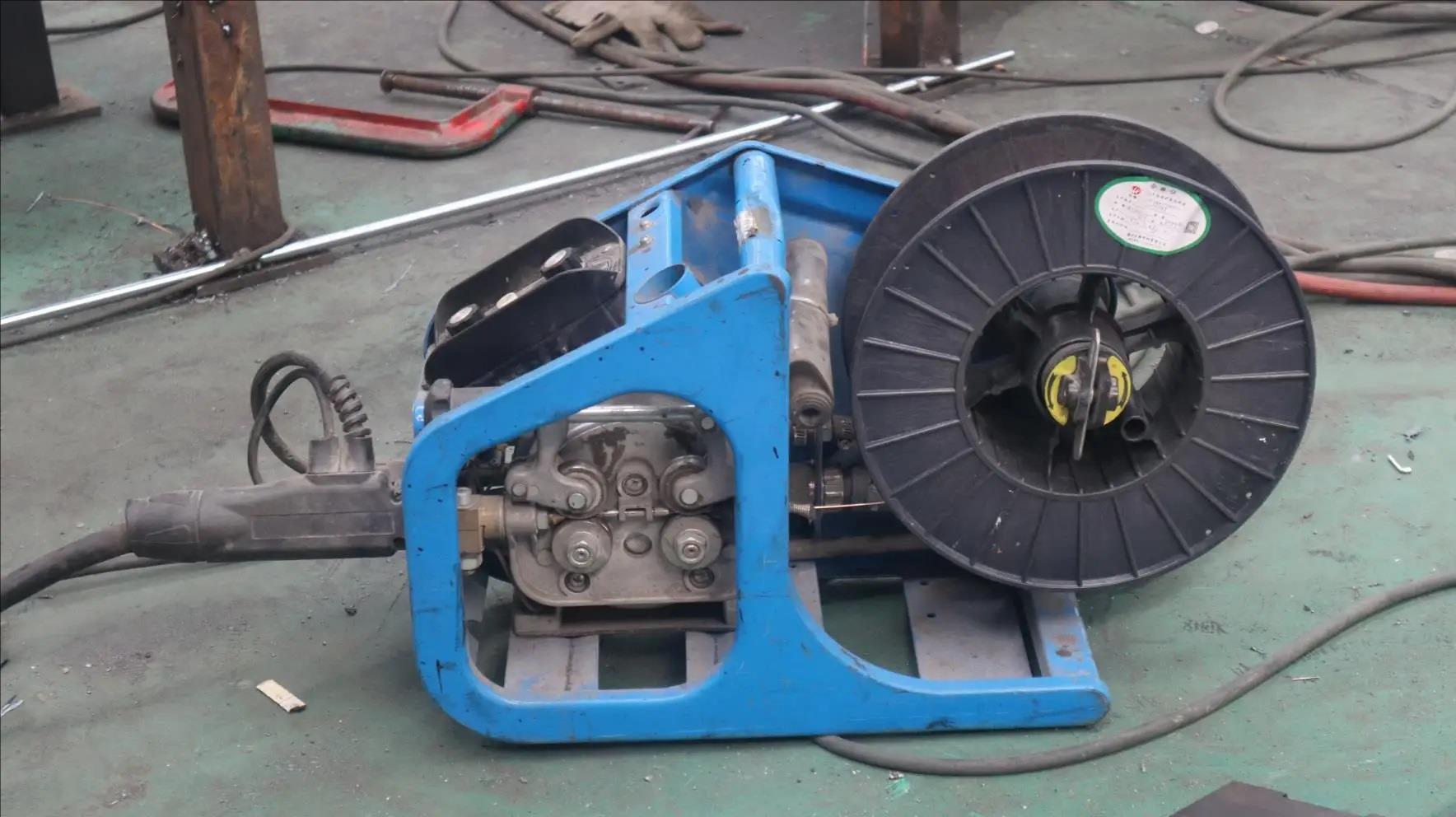
Tailored mechanical tools configurations engineered to meet the operational demands of global industrial sectors.
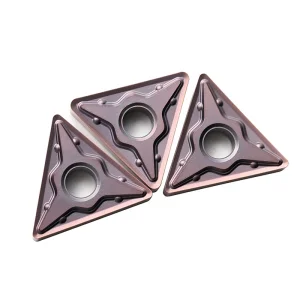
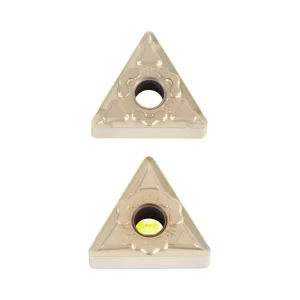
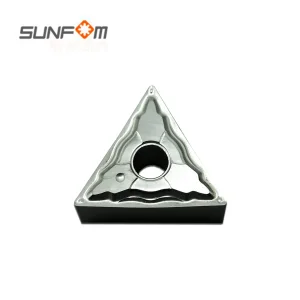
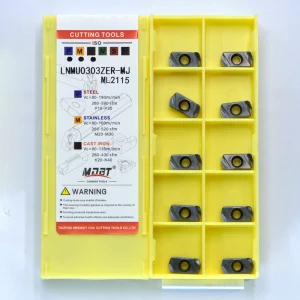
High-volume production of engine blocks, cylinder heads, and transmission components requires indexable turning inserts (e.g., CNMG, TNMG, and LNMU styles) that maintain dimensional stability over extended cycles. Our solutions integrate chip breakers optimized for chip evacuation, minimizing thermal deformation of critical aluminum and cast iron automotive parts.
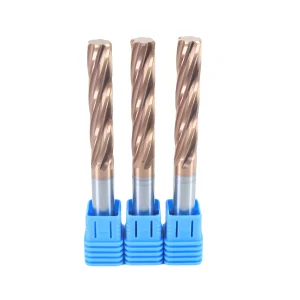
Machining titanium alloys and nickel-based superalloys presents challenges due to low thermal conductivity and work-hardening tendencies. We provide solid carbide milling cutters and custom-coated reamers designed to distribute shear forces evenly, reducing localized heat buildup and preventing catastrophic tool failures.
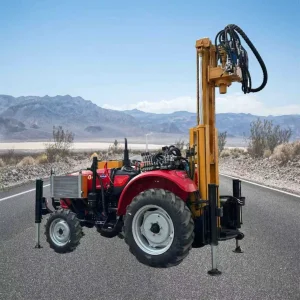
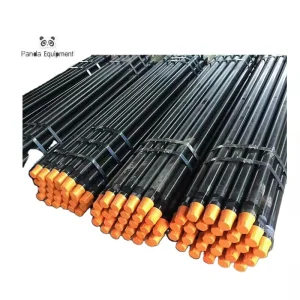
For deep geological exploration and farm water-well drilling, standard tools are insufficient. Our heavy-duty API drill rods, DTH (Down-The-Hole) drill pipes, and high-strength hammer rigs are built to withstand severe torsional stresses, high impacts, and abrasive geological strata.
How mechanical tools perform in specific, high-stakes operating conditions globally.
In the American Midwest and Canadian shale plays, operators deploy API 2 3/8 and 2 7/8 Water Well Drill Rods under high-torque conditions. The premium threads are heat-treated to resist galling during frequent make-and-break cycles, helping to maintain borehole alignment and reduce downtime.
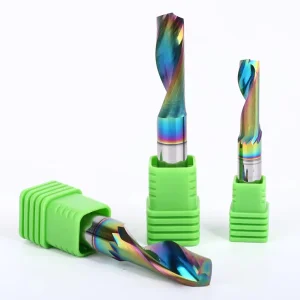
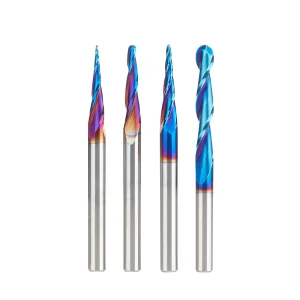
High-precision European tooling shops require ballnose spiral router bits and custom corner-radius square taper end mills to achieve sub-micron tolerances on injection mold cavities. Using tools with specialized coatings ensures the surface roughness parameters (Ra) comply with automotive and medical standards.
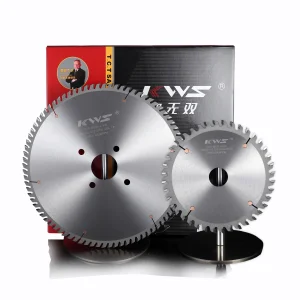
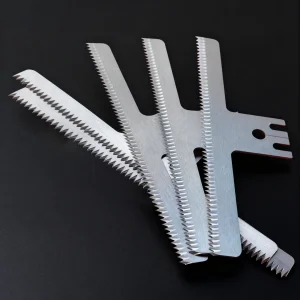
In large-scale furniture and cabinetry fabrication centers across Vietnam and Malaysia, KWS TCT Saw Blades are utilized on panel-sizing saws. These carbide-tipped blades are engineered with anti-vibration slots and low-friction coatings to prevent panel chipping and reduce noise in high-volume production lines.
A structured methodology for purchasing agents to evaluate mechanical tools factories and manage procurement risks.
Verify the factory's substrate quality. Ensure the cobalt binder content matches the application and that carbide grain sizes are uniform, as inconsistencies can lead to premature chipping.
Confirm whether PVD coating is performed in-house or outsourced. In-house PVD coating chambers allow for tighter control over deposition temperature and coating thickness.
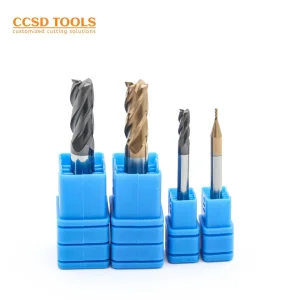
Confirm the use of automated, multi-axis optical comparator systems to inspect reamer runouts, end mill clearance angles, and insert corner radii.
Insist on secure, individual plastic packaging with protective coatings to prevent edge wear during air or sea transport.
Answers to common technical and commercial questions about precision mechanical tools.
Tungsten carbide tool grades are classified under the ISO system into P (Steel), M (Stainless Steel), K (Cast Iron), N (Alum/Non-ferrous), S (Superalloys), and H (Hardened materials). The selection relies on balancing hardness and toughness. Higher cobalt content increases toughness but decreases hardness, making it suitable for interrupted cuts, while lower cobalt and finer carbide grain sizes increase wear resistance for high-speed finish operations.
Physical Vapor Deposition (PVD) coatings are thinner (usually 2-5µm), preserve sharper cutting edges, and introduce compressive stresses that help resist crack propagation, making them suitable for milling and threading. Chemical Vapor Deposition (CVD) coatings are thicker (5-20µm) and offer superior thermal barrier protection, making them suited for heavy turning operations where high temperatures are generated.
Standard, constant-helix end mills can suffer from harmonic vibrations (chatter) during machining, which degrades surface finishes and accelerates tool wear. Variable helix designs alter the spacing of the cutting edges as they contact the workpiece, breaking up these harmonics and allowing for deeper axial cuts at higher feed rates.
Geothermal drilling involves high temperatures, corrosive fluids, and high torque. Reliable drill rods must feature upset pipe ends (which increases the wall thickness at the joints), threads machined to API standards (such as API 5DP), and friction welding processes that yield structural continuity between the tool joints and the pipe body.
Our second series of high-performance tools, engineered for metal fabrication, wood sizing, and industrial milling projects.
 DentFix Tool