Explore our engineering excellence. Every tool is designed for optimized geometry, extended operational life cycles, and extreme surface finish tolerance.

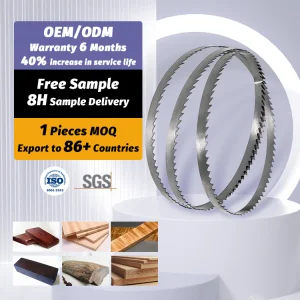
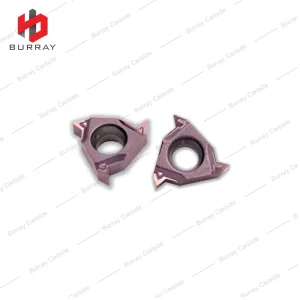
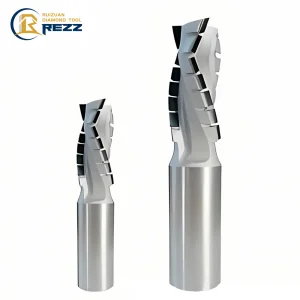
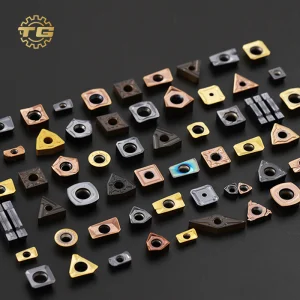
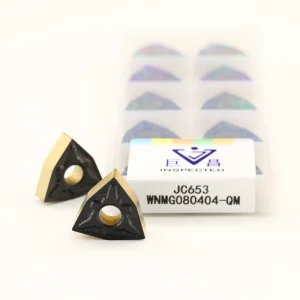
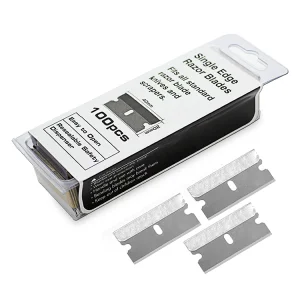
In modern high-precision manufacturing, the term "Reflective Cutting" signifies machining techniques capable of producing mirror-like (specular) finishes directly on surfaces without subsequent polishing. Often utilizing Polycrystalline Diamond (PCD), Single-Crystal Diamond, or nano-structured Tungsten Carbide, these tools play an indispensable role in aerospace, automotive optical modules, 3C electronics (specifically consumer device housing), and high-end mold fabrication.
The global demand for high-end CNC cutting tools is transitioning from mere wear resistance to ultra-fine microscopic surface roughness control (Ra < 0.1μm). As industrial economies migrate towards micro-miniaturization and high-speed machining, the precision requirements for CNC tools have skyrocketed. Reflective tooling ensures minimum cutting heat accumulation, reduces chemical affinity with non-ferrous substrates, and suppresses microscopic burrs, directly reducing carbon footprint and production cycles by eliminating secondary chemical polishing steps.
A benchmark of quality, R&D innovation, and reliable supply chain integration in the heart of China's cutting tool manufacturing capital.
Zhejiang DentFix Tool Co., Ltd. is a leading professional manufacturer specializing in the comprehensive research, development, high-end production, and international distribution of precision CNC cutting tools and customized carbide tooling solutions. Since our founding, we have committed ourselves to engineering high-performance tooling systems for the metalworking, woodworking, and composites industries, serving critical sectors such as aerospace, automotive drivetrain components, mold & die, energy systems, and micro-precision medical devices.
Driven by persistent materials innovation and customer-centric industrial applications, DentFix has evolved into a global powerhouse integrating automated manufacturing, state-of-the-art testing laboratories, and a global distribution network. We are proud to partner with clients across the Americas, Europe, Southeast Asia, and the Middle East, offering them tools that maximize material removal rates (MRR) while minimizing machining downtime.
Our integrated manufacturing line guarantees repeatability and dimensional accuracy, tracing every step from raw material analysis to final product packaging.
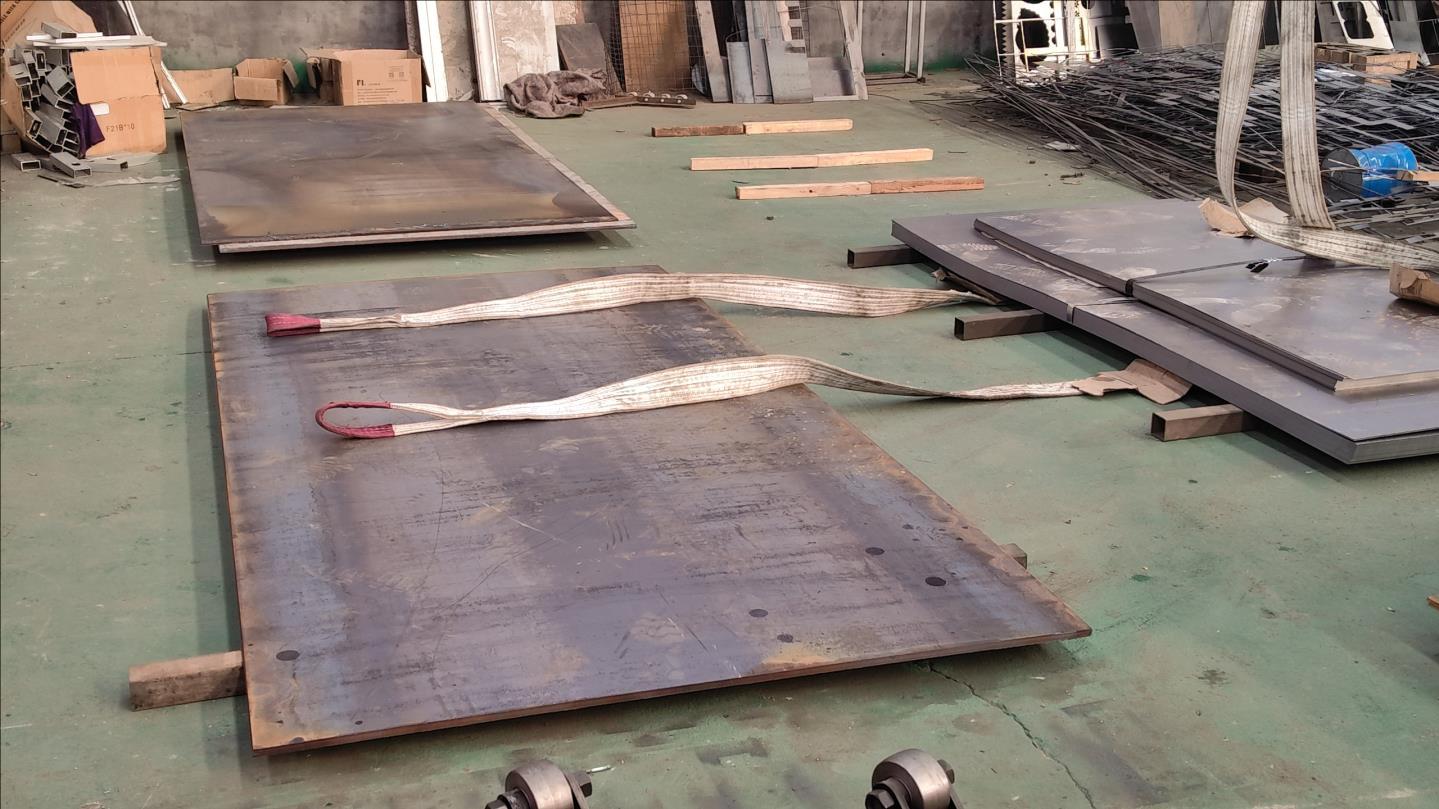
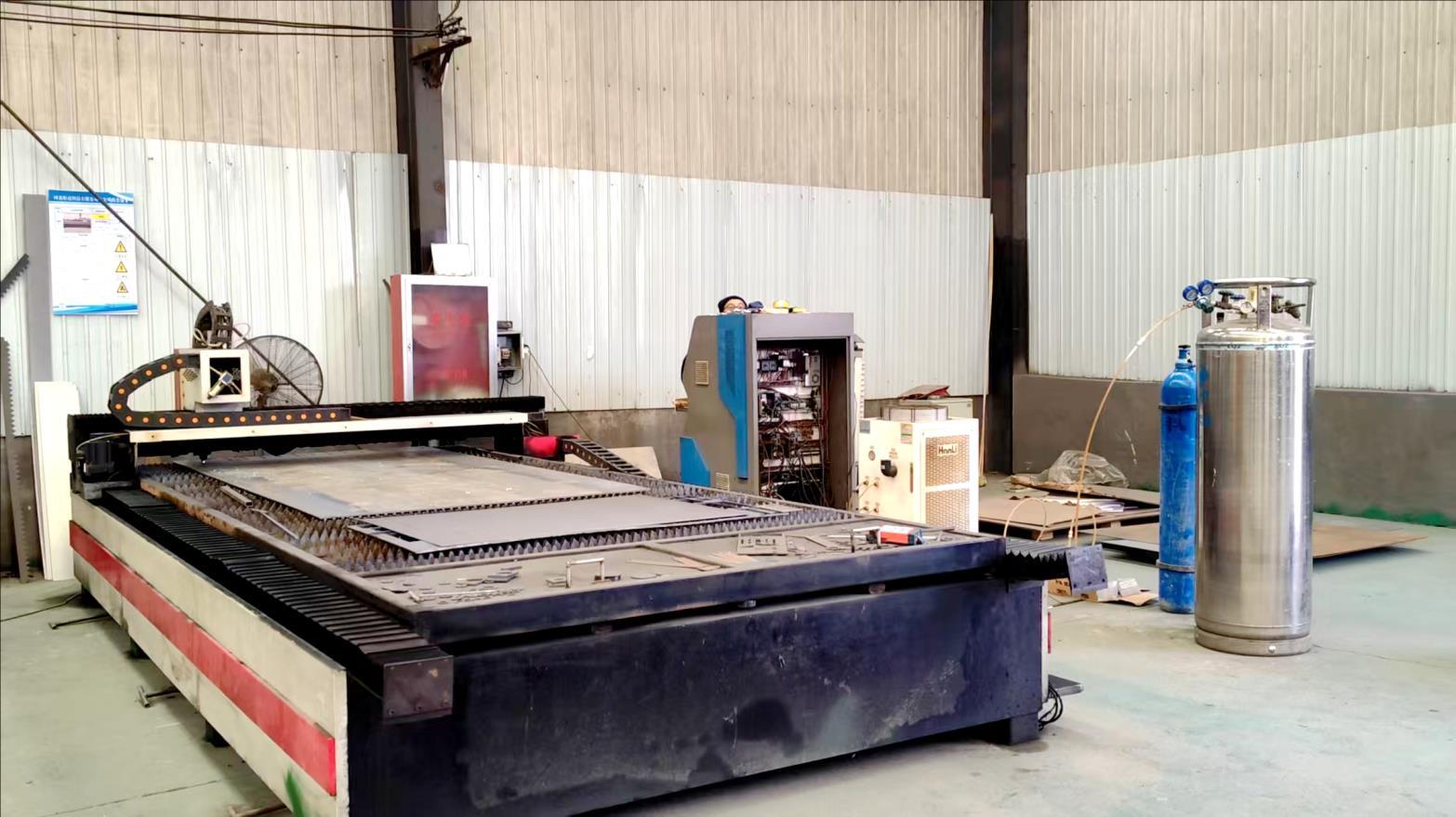
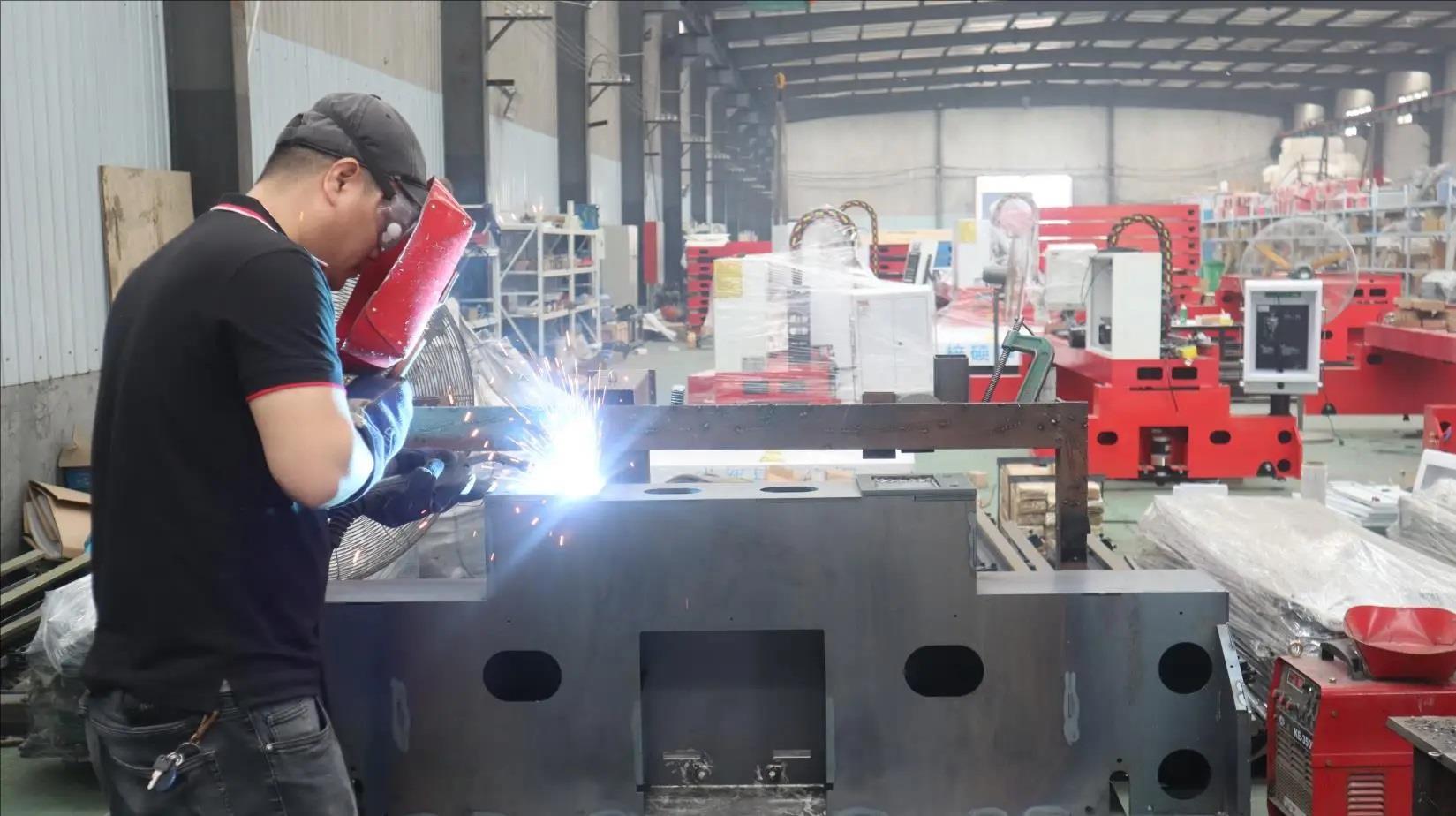
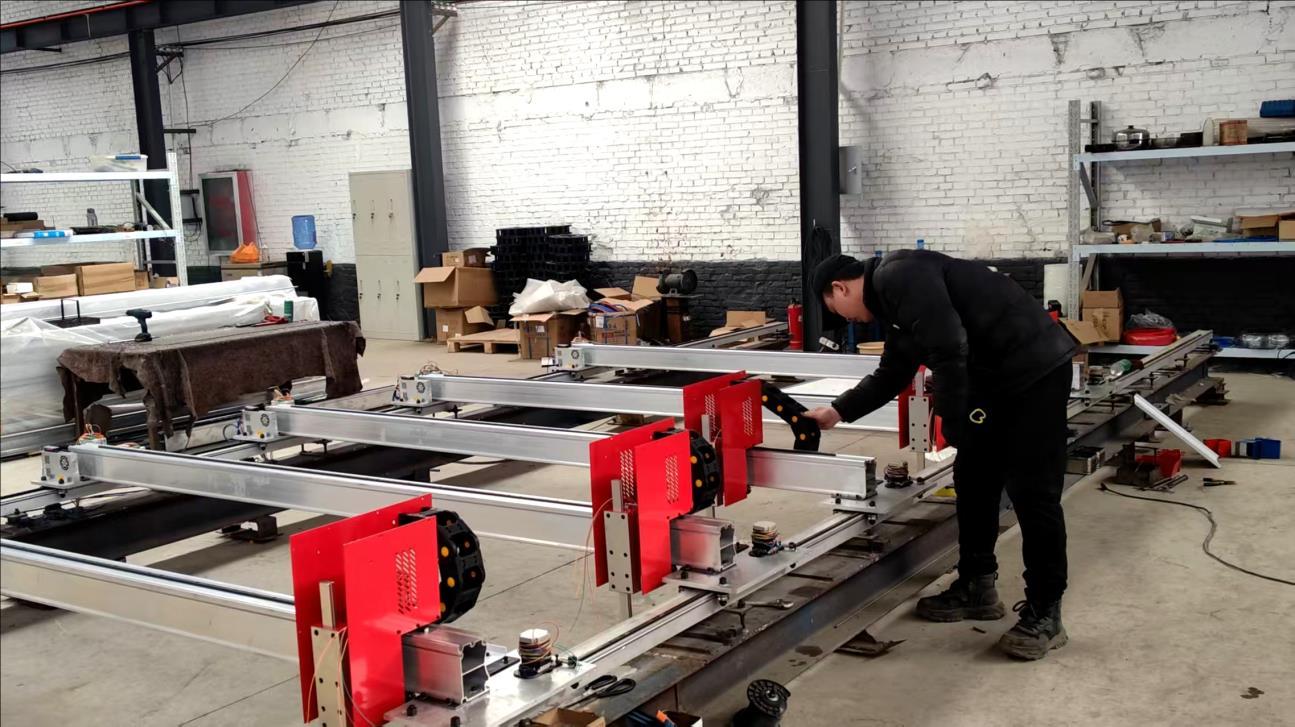
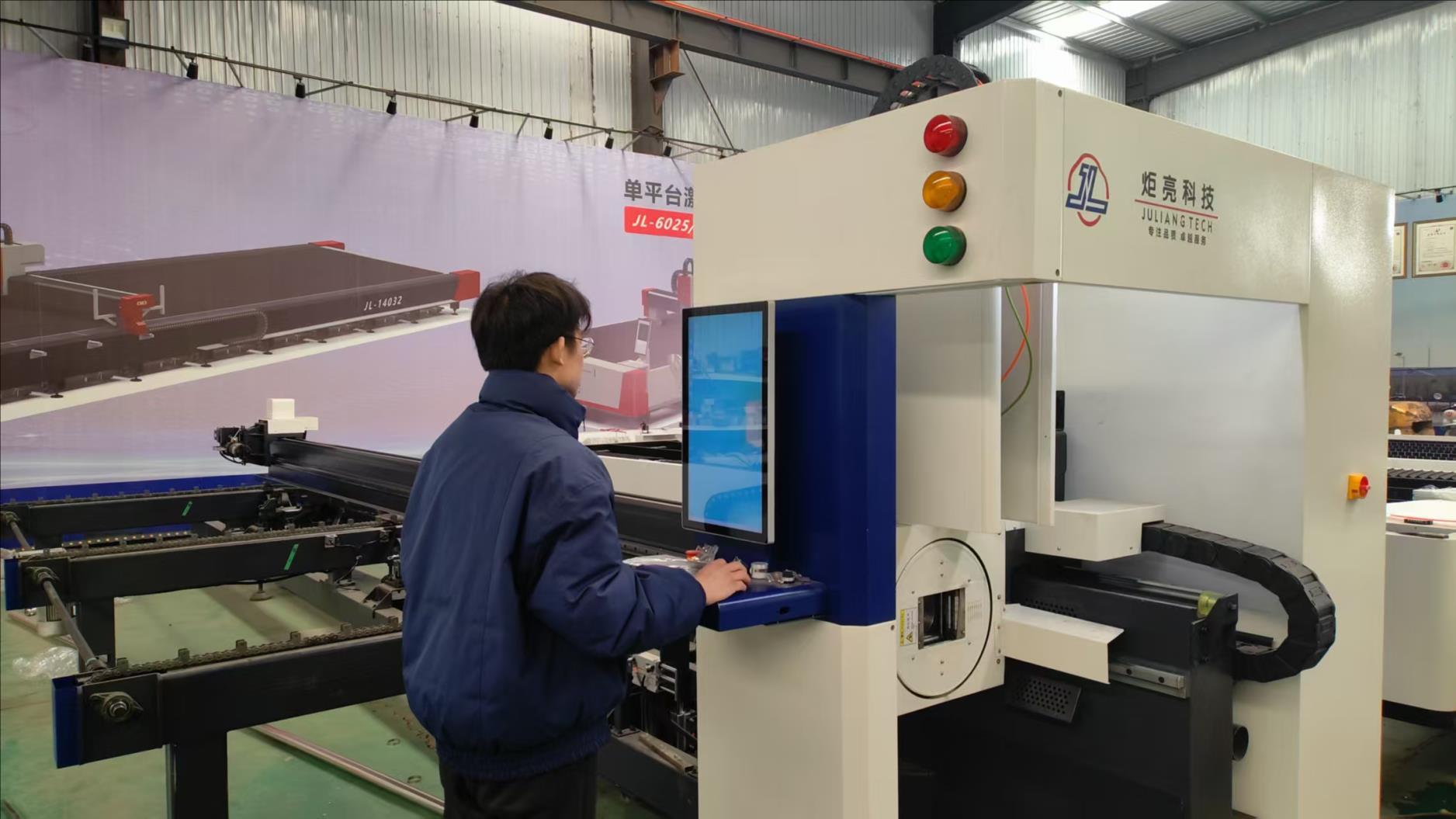
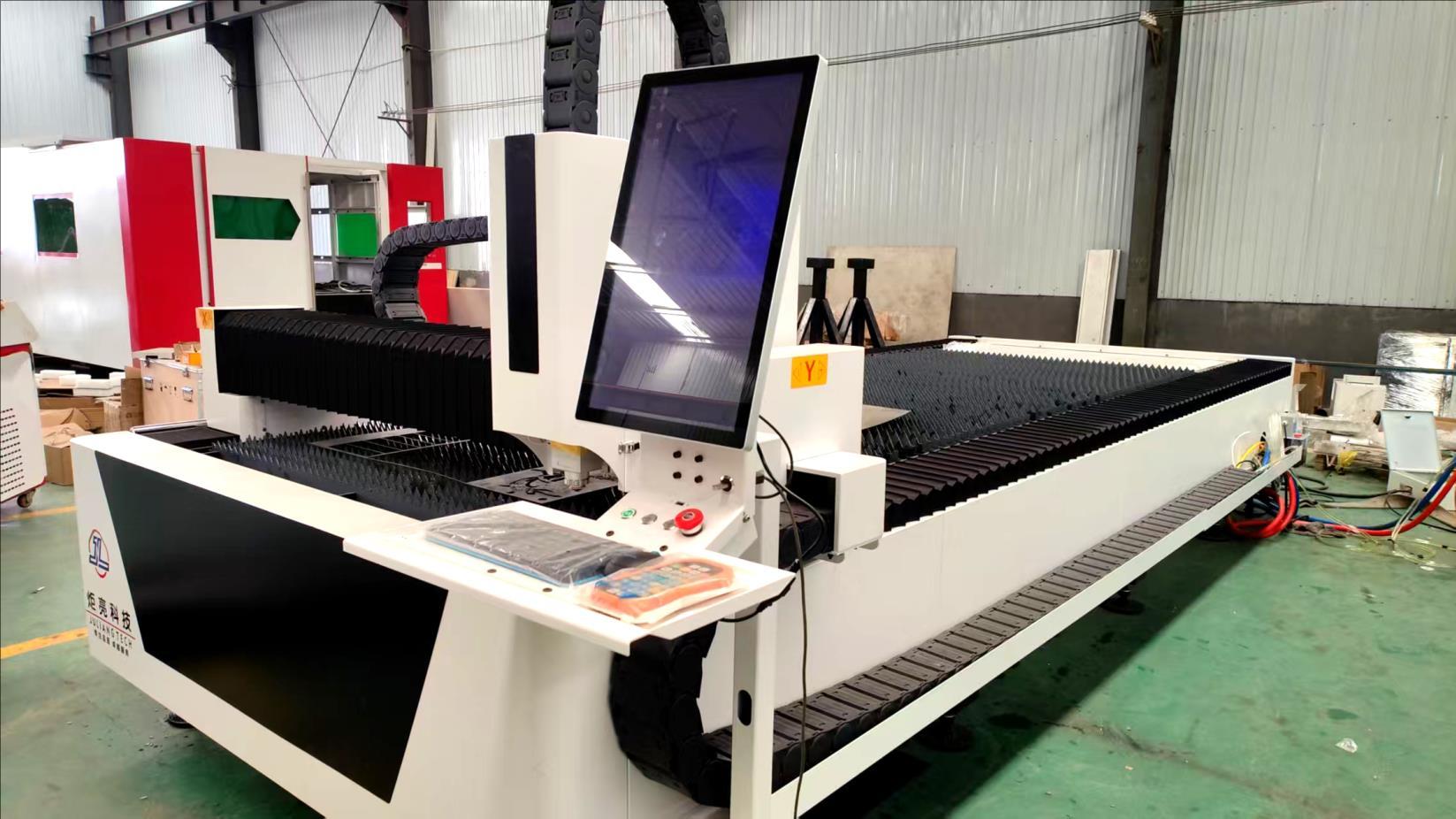
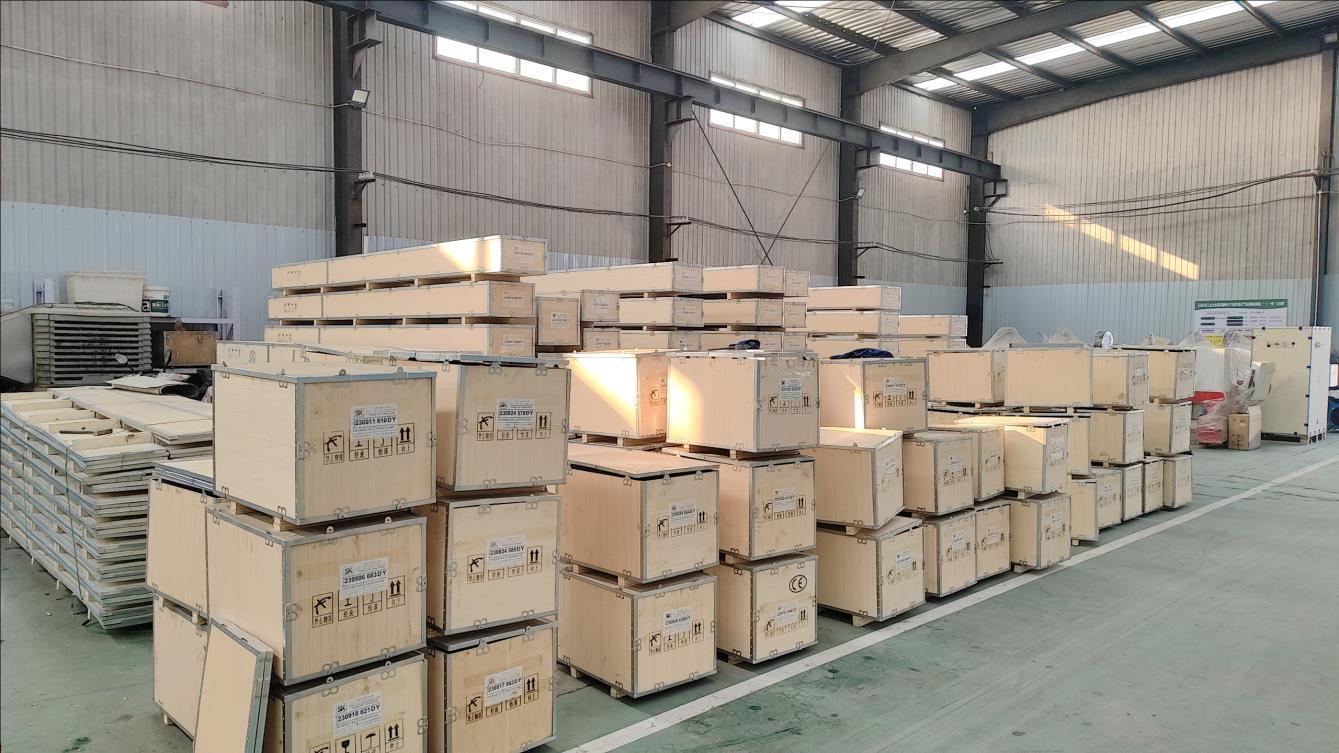
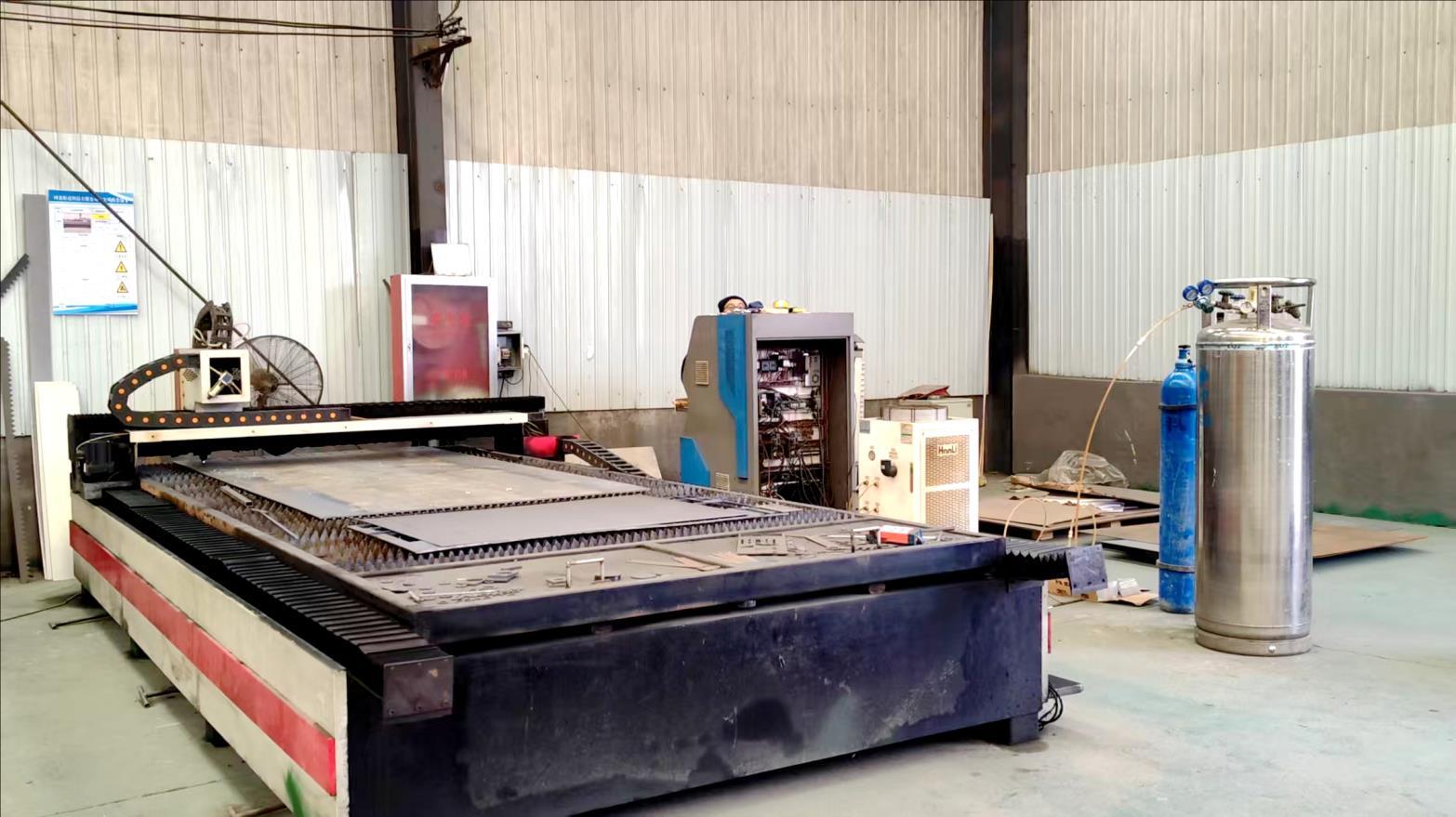
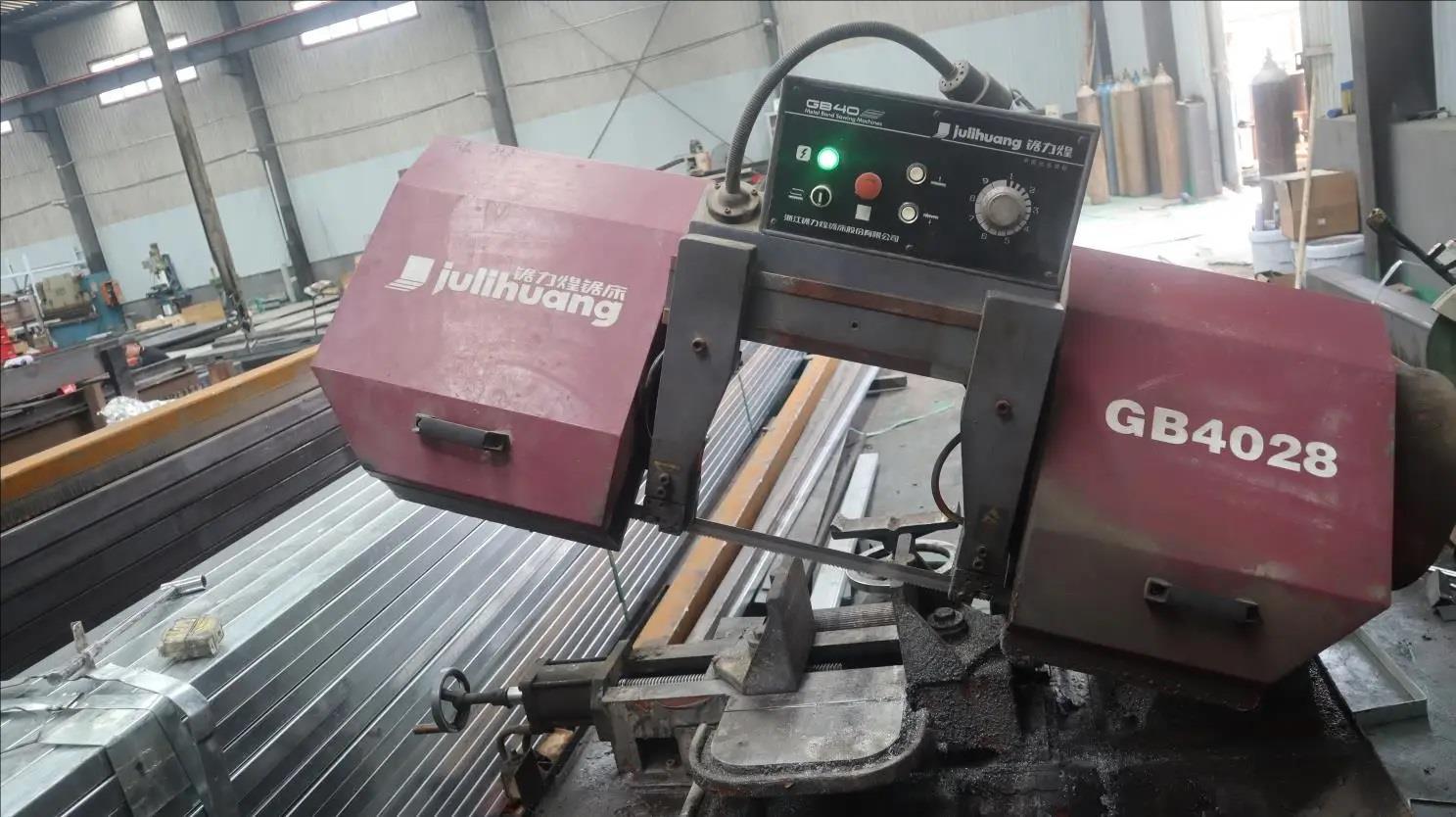
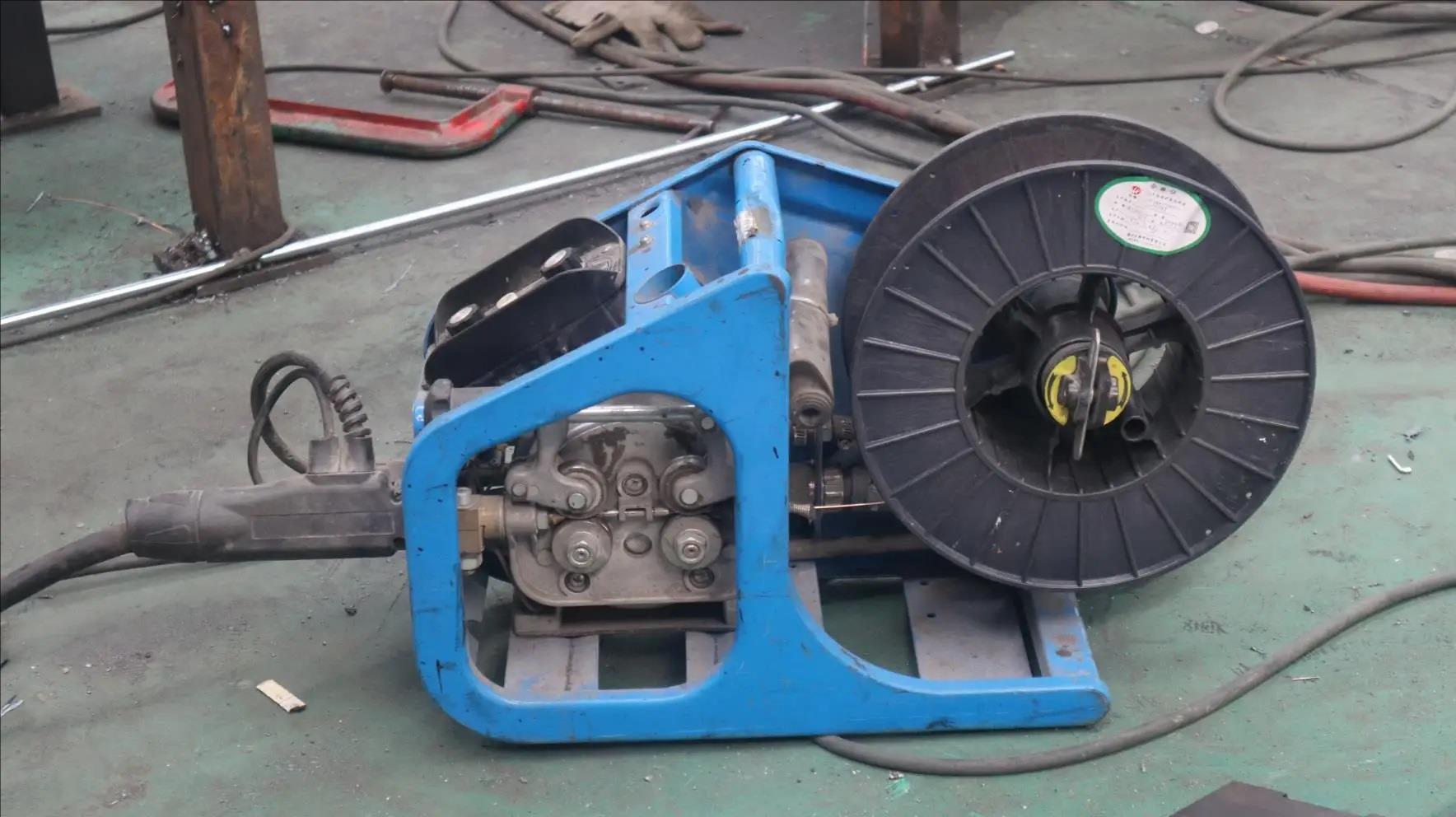
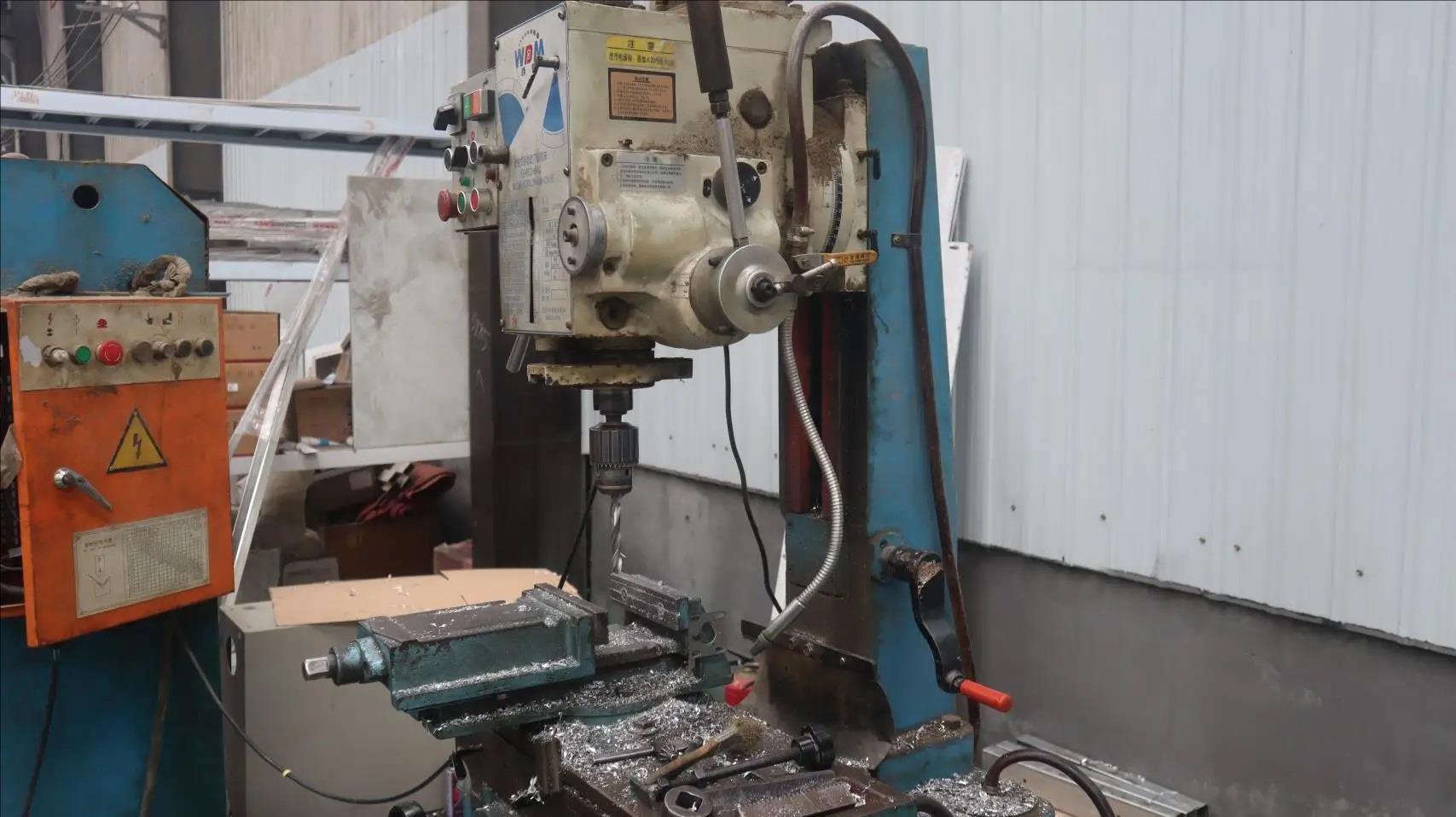
The manufacturing of cutting tools with a specular reflective quality hinges on three core disciplines: Materials Science, Precision Physical Vapor Deposition (PVD) Coatings, and Micro-Geometric Optimization. To maximize efficiency in tough-to-machine materials like stainless steels, nickel-based superalloys, and abrasive wood composites, we follow a strict development framework.
Our ultra-fine sub-micron tungsten carbide powder is mixed with customized cobalt percentages (6% to 12%) and HIP-sintered to reduce microscopic voids to near zero, enhancing tool core toughness.
Advanced multi-axis CNC grinding centers execute customized helix and rake designs. Cutting edges undergo micro-honing and polishing (brushing or drag finishing) to achieve mirror surfaces on the tool face itself.
We use state-of-the-art PVD and CVD coatings, such as AlTiN, TiAlN, DLC (Diamond-Like Carbon), and B-nano coatings. This generates a thermal barrier that prevents oxidation and adhesive tool wear.
Post-coating treatments relieve residual tensile stress. Digital optical scanners verify clearances, dimensions, and run-out down to 2 micrometers before warehouse release.
A common misconception is that a tool's hardness alone determines the efficiency of a finish cut. In reality, the rake angle and edge hone radius (rβ) are critical. If the edge hone radius is too large, the tool plows the metal instead of shearing it, causing micro-deformation and a dull, non-reflective surface. If it is too sharp, it chips prematurely. By employing specialized honing algorithms, DentFix balances edge stability and sharp shearing, allowing high-feed rates and achieving pristine surface reflections.
Industrial applications vary immensely, making general-purpose tools inefficient. DentFix designs and manufactures application-specific geometries to provide maximum processing stability across different industries.
Machining high-strength aluminum alloys (e.g., 7075-T6) and titanium alloys requires extreme wear resistance and cooling paths. Our high-helix carbide end mills and specialized DLC-coated turning inserts prevent built-up edges (BUE) and ensure strict geometric conformity for structural components.
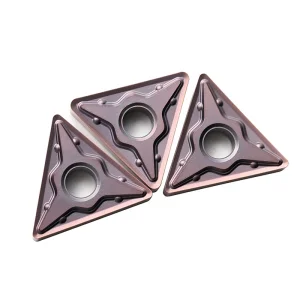
Automotive operations run continuously and demand high-volume consistency. Indexable inserts like the CNMG, DNMG, and WNMG series with multi-layer CVD coatings optimize cycle times on engine blocks, transmission gears, and brake hubs, ensuring tool replacement predictability.
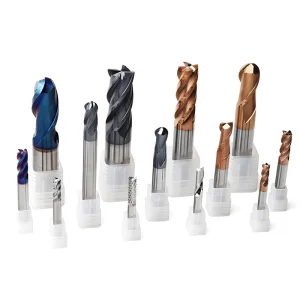
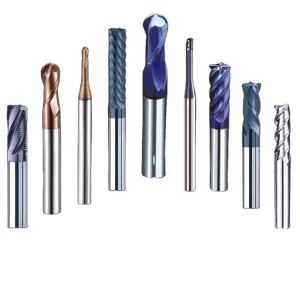
Molding cores for consumer electronics and optical components require flawless mirror finishes. Our ball nose and corner radius milling cutters enable mirror-level finishing directly on hardened tool steels (up to HRC65), reducing manual bench work by up to 80%.
In response to global sustainability initiatives, DentFix has re-engineered our tools to support MQL (Minimum Quantity Lubrication) and dry-cutting processes. Standard wet cutting generates substantial waste fluid disposal costs. By engineering optimized chip-breaker channels, our tools direct chips away from the cutting zone quickly, reducing thermal transfer. This makes high-speed dry-cutting possible on cast iron and select carbon steels, helping factories lower emissions and save energy.
Expert insights from our senior application engineers on choosing the right parameters, tool geometries, and optimization pathways.
CVD (Chemical Vapor Deposition) coatings are typically thicker (9–20μm) and provide excellent thermal barriers and wear resistance, making them ideal for heavy-duty turning and milling of steel and cast iron where temperatures are high. PVD (Physical Vapor Deposition) coatings are thinner (2–5μm), tougher, and can be applied to sharper cutting edges. PVD is the preferred choice for finishing operations, thread-cutting, and machining stainless steels or superalloys where sharp edges are required to prevent work hardening.
PCD (Polycrystalline Diamond) features a hardness close to natural diamond, offering up to 30–50 times the lifespan of standard tungsten carbide tools when cutting highly abrasive materials like MDF, particleboard, carbon fiber (CFRP), and fiberglass. While PCD tools carry a higher initial investment, they dramatically reduce tool changes and maintain consistent surface finishes without burrs over extended run times.
The primary mechanical parameters are feed rate (f) and tool nose radius (r). The theoretical surface roughness can be estimated using the formula: Ra ≈ f² / (32 * r). Consequently, reducing the feed rate or increasing the nose radius improves surface finish quality. However, cutting speed (Vc) also plays a critical role; higher cutting speeds reduce the likelihood of built-up edges, resulting in a cleaner, more reflective surface finish.
Premature chipping is usually caused by excessive vibration (chatter), inappropriate chip loads, or thermal shock from intermittent coolant supply. To resolve chipping, ensure your setup is rigid and check the toolholder run-out. Consider using variable helix end mills to break up harmonics, switch to a tougher carbide grade with higher cobalt content, or adjust your coolant strategy by using high-pressure coolant or dry cutting with compressed air.
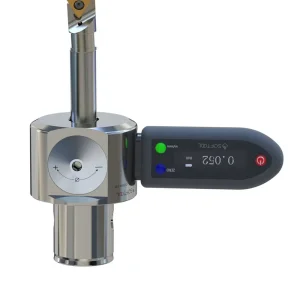
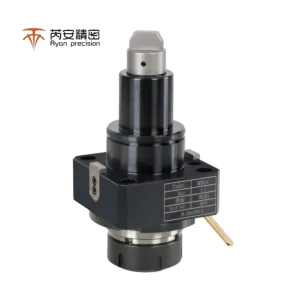
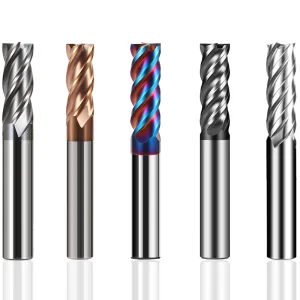
Complete your workshop capability with our heavy-duty CNC milling tools, custom turning inserts, and ultra-precise live toolholders.
 DentFix Tool