Engineered for extreme rigidity, minimum TIR (Total Indicated Runout), and exceptional tool life across standard and custom machining operations.
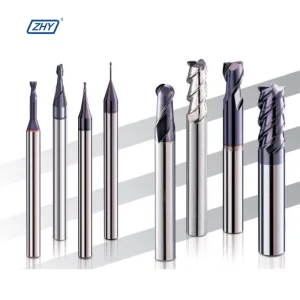
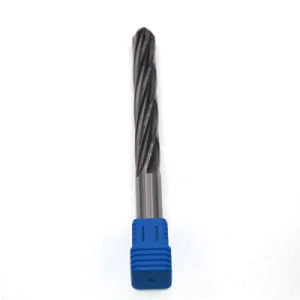
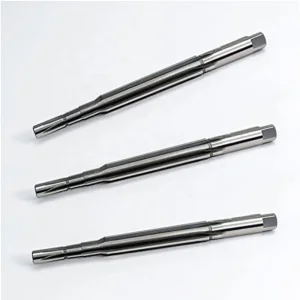
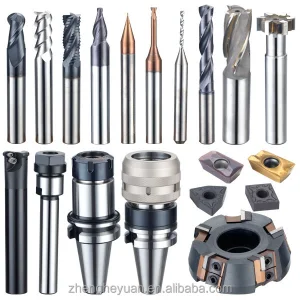
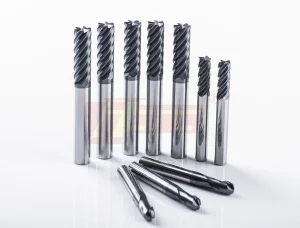
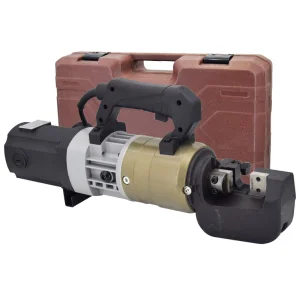
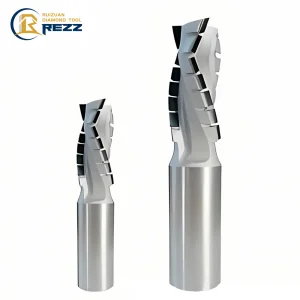
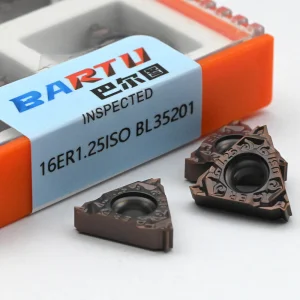
In modern CNC subtractive manufacturing, the tool holder acts as the critical physical bridge between the spindle of the machine tool and the actual cutting tool (such as end mills, drills, or reamers). Under high dynamic loads and rotational speeds exceeding 20,000 RPM, the mechanical performance of this interface dictates the success or failure of the entire machining path. Runout, rigidity, and vibration dampening are the key elements determining dimensional accuracy, surface finish quality, and cutting tool wear rates.
An increase in Runout (measured as Total Indicated Runout - TIR) exponentially accelerates micro-chipping on carbide cutting edges. For example, a TIR of just 10 microns (0.0004”) can reduce tool life by up to 50% due to uneven chip loads on individual flutes. High-end tool holders must feature dynamic balancing limits of at least G2.5 at 25,000 RPM to suppress centrifugal force displacement, safeguarding both the machine spindle bearings and the workpiece integrity.
Selecting the appropriate spindle interface is critical to match the requirements of specific machining operations, whether it involves high-speed micro-milling or heavy-duty roughing. The table below provides an engineering-level comparison of the standard formats used globally.
| Interface Type | Clamping Principle | Max Operational RPM | Ideal Application | Pros / Cons |
|---|---|---|---|---|
| CAT / BT Taper | Steep taper contact only (7:24 ratio) | Up to 15,000 RPM | General milling, heavy drilling | Cost-effective, robust / Subject to axial movement at high speed |
| BBT (Dual Contact) | Simultaneous taper and face contact | Up to 22,000 RPM | High precision mold & die milling | Excellent axial rigidity / Requires precise spindle alignment |
| HSK (A / E / F) | Hollow segment clamping, face & taper | Above 25,000 RPM | Aerospace, high-speed routing | Lightweight, superb dynamic stability / Higher initial cost |
| Shrink-Fit | Thermal expansion / contraction fit | Above 40,000 RPM | Deep cavity milling, micro-machining | Ultra-low runout (<3μm), slim profile / Requires induction heater |
An objective structural breakdown of the leading global authorities in industrial tool holding technology, categorizing their core competencies, geographical influence, and primary target industries.
Zhejiang DentFix Tool Co., Ltd. is a professional manufacturer specializing in the research, development, production, and global distribution of precision CNC cutting tools and carbide solutions. Since its establishment, the company has been committed to providing high-performance tooling products for the metalworking industry, serving customers across automotive, aerospace, mold & die, general engineering, energy, and precision manufacturing sectors.
Driven by continuous innovation and customer-focused development, DentFix has grown into a modern manufacturing enterprise that integrates R&D, intelligent production, quality control, sales, and technical support. The company has built a strong reputation for delivering reliable products, consistent quality, and professional services to customers in both domestic and international markets.
With advanced manufacturing technologies, experienced engineering teams, and strict quality management systems, DentFix continuously improves its product performance and production efficiency. The company is dedicated to helping customers achieve higher machining accuracy, longer tool life, greater productivity, and lower manufacturing costs.
Today, Zhejiang DentFix Tool Co., Ltd. continues to strengthen its investment in technological innovation, intelligent manufacturing, and international cooperation, striving to become a trusted global supplier of precision cutting tool solutions.
DentFix has established a comprehensive manufacturing system supported by experienced engineers, skilled production personnel, and a professional sales and technical service team. Our engineering department focuses on the development of innovative cutting tool solutions that meet the evolving requirements of modern CNC machining.
Our manufacturing facility is equipped with advanced CNC grinding machines, high-precision inspection equipment, automated production systems, and modern quality testing laboratories. Every product undergoes rigorous inspection throughout the manufacturing process to ensure exceptional dimensional accuracy, durability, and stable machining performance.
Innovation remains at the core of our business. DentFix continuously invests in new materials, coating technologies, and precision manufacturing processes to develop cutting tools with higher wear resistance, improved machining efficiency, and longer service life.
Guided by the principles of Quality First, Innovation, Reliability, and Customer Satisfaction, Zhejiang DentFix Tool Co., Ltd. is committed to building long-term partnerships with customers worldwide. We look forward to providing professional tooling solutions that help manufacturers improve productivity, reduce production costs, and achieve sustainable growth.
Visual walkthrough of our integrated manufacturing lifecycle, showing key steps from raw material selection to final quality check and logistics handling.
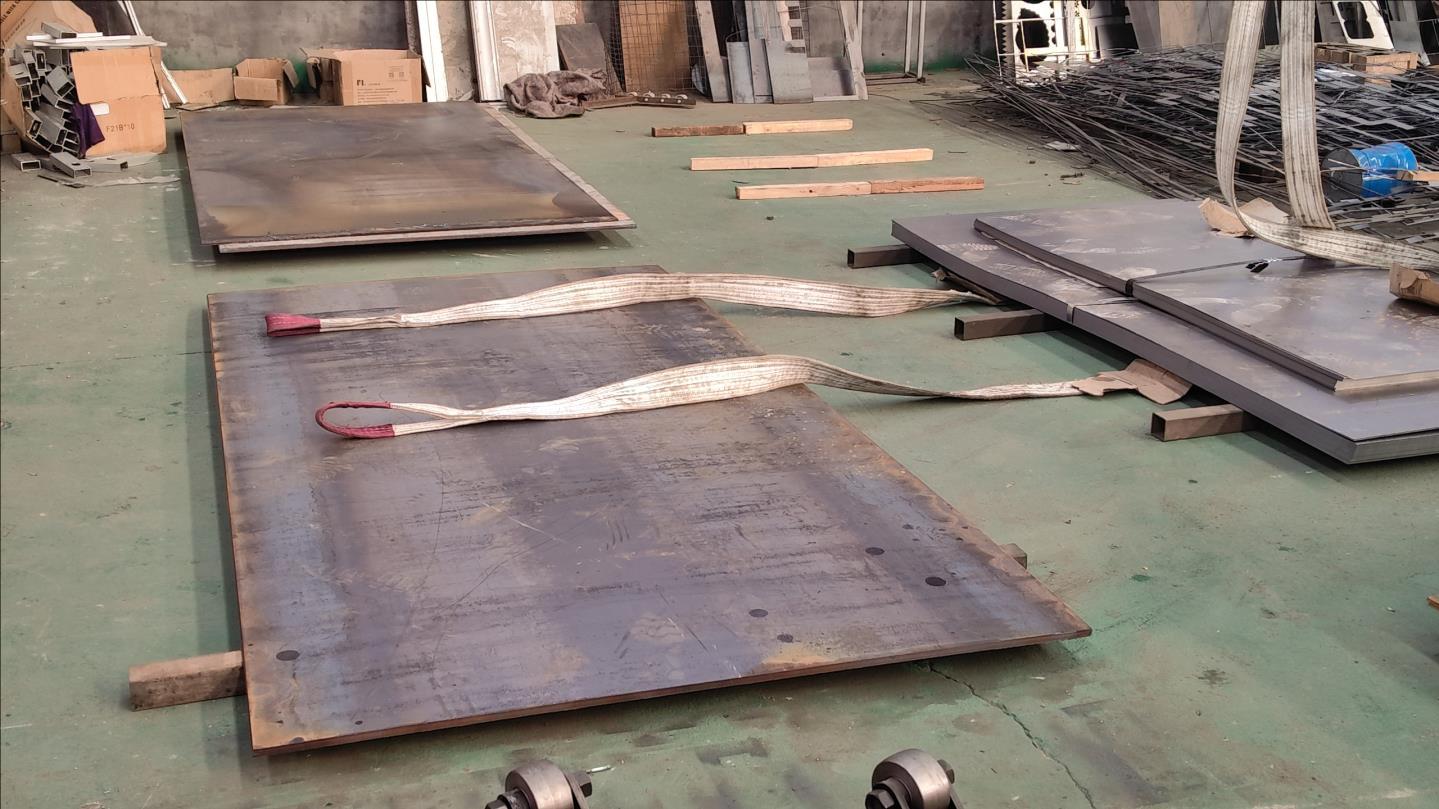
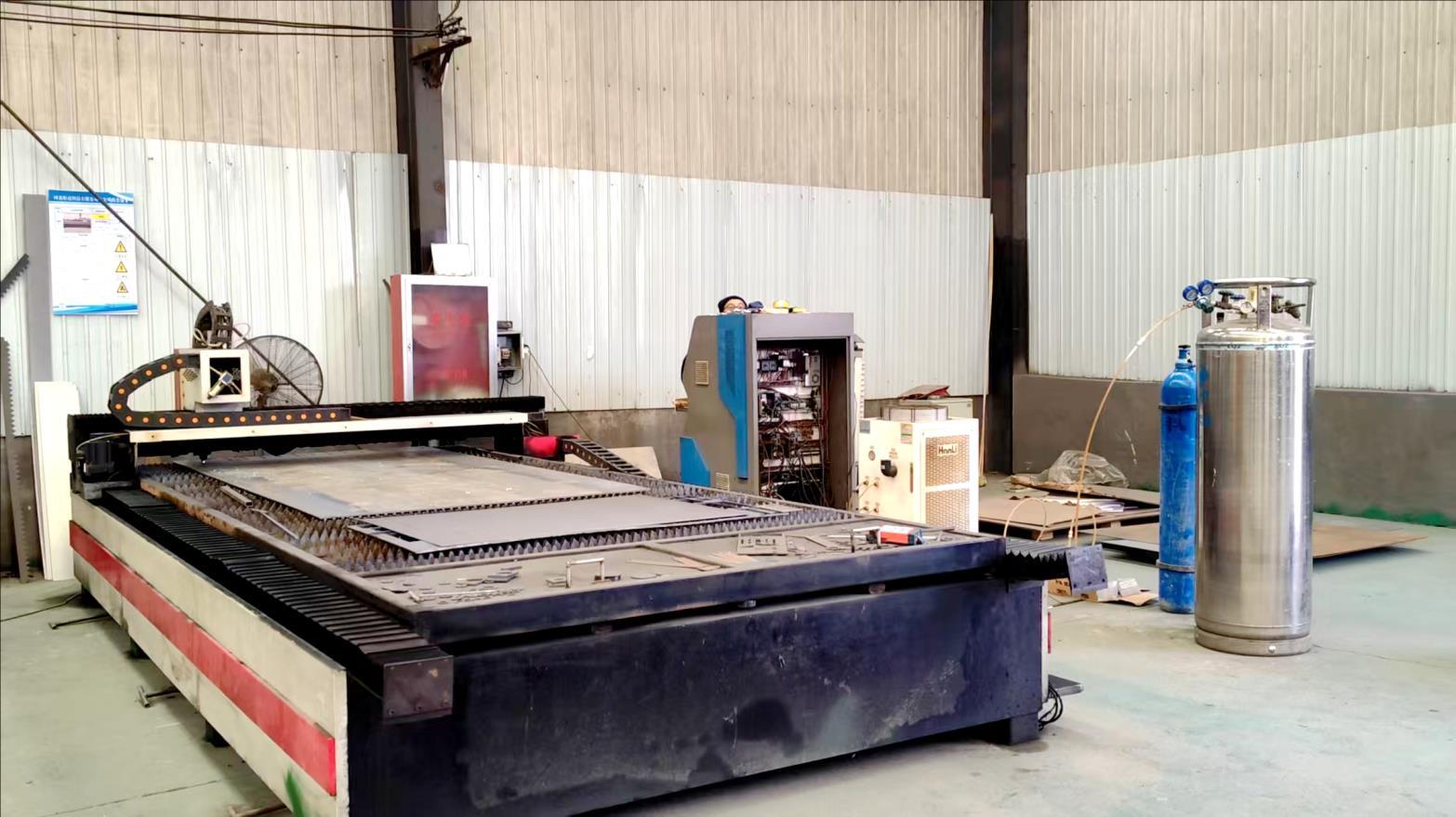
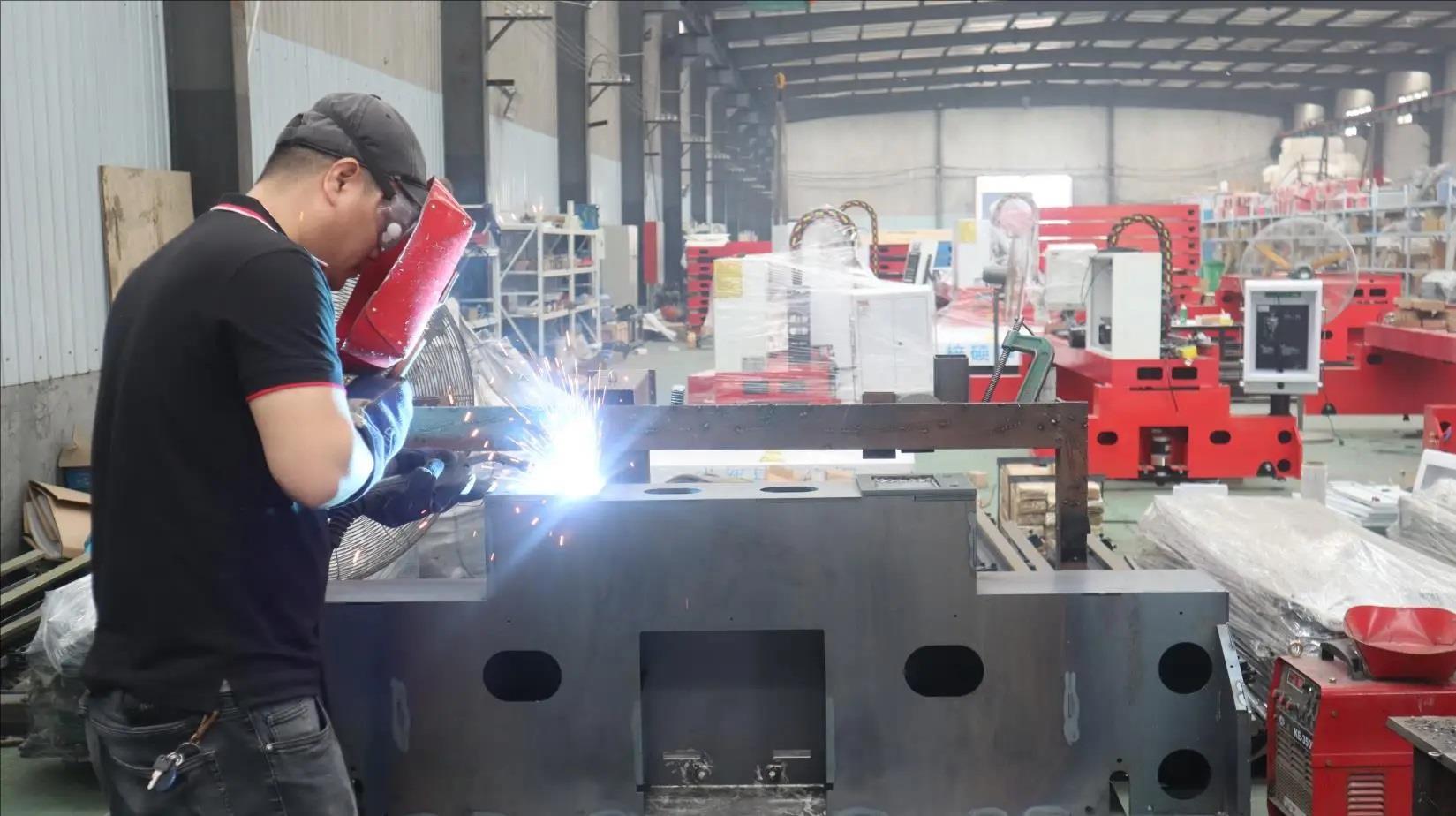
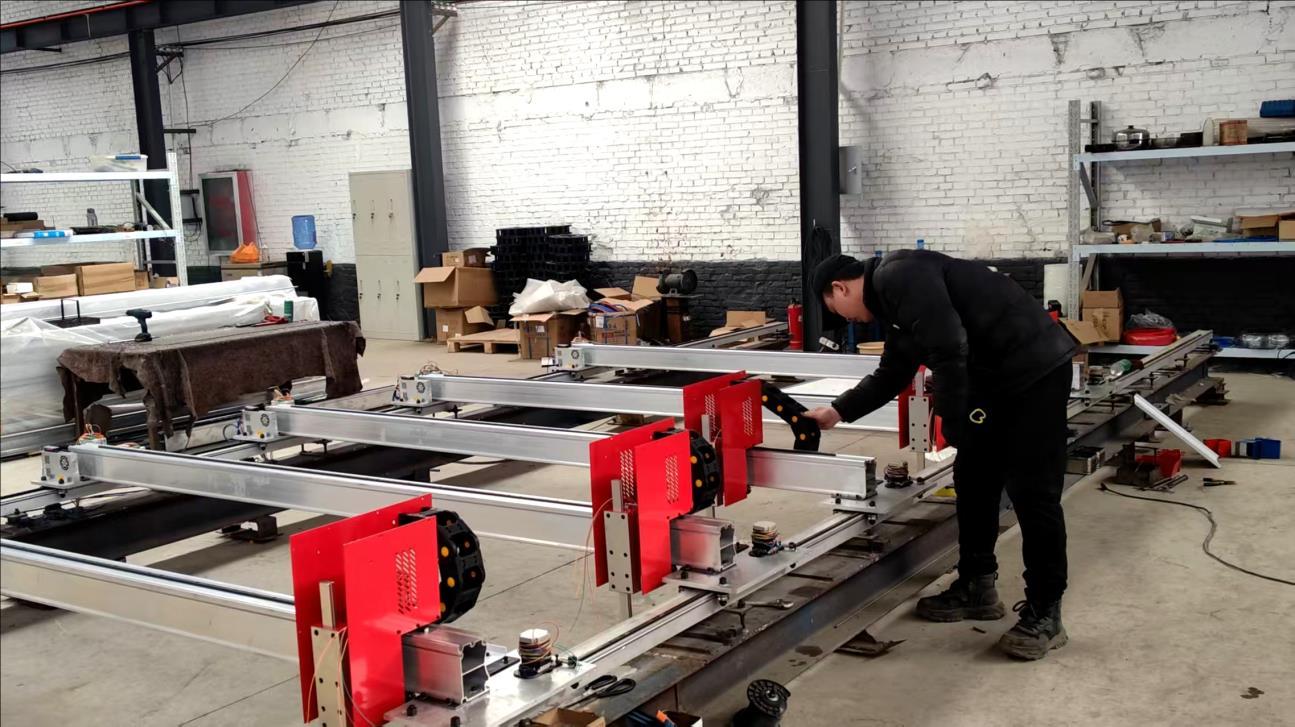
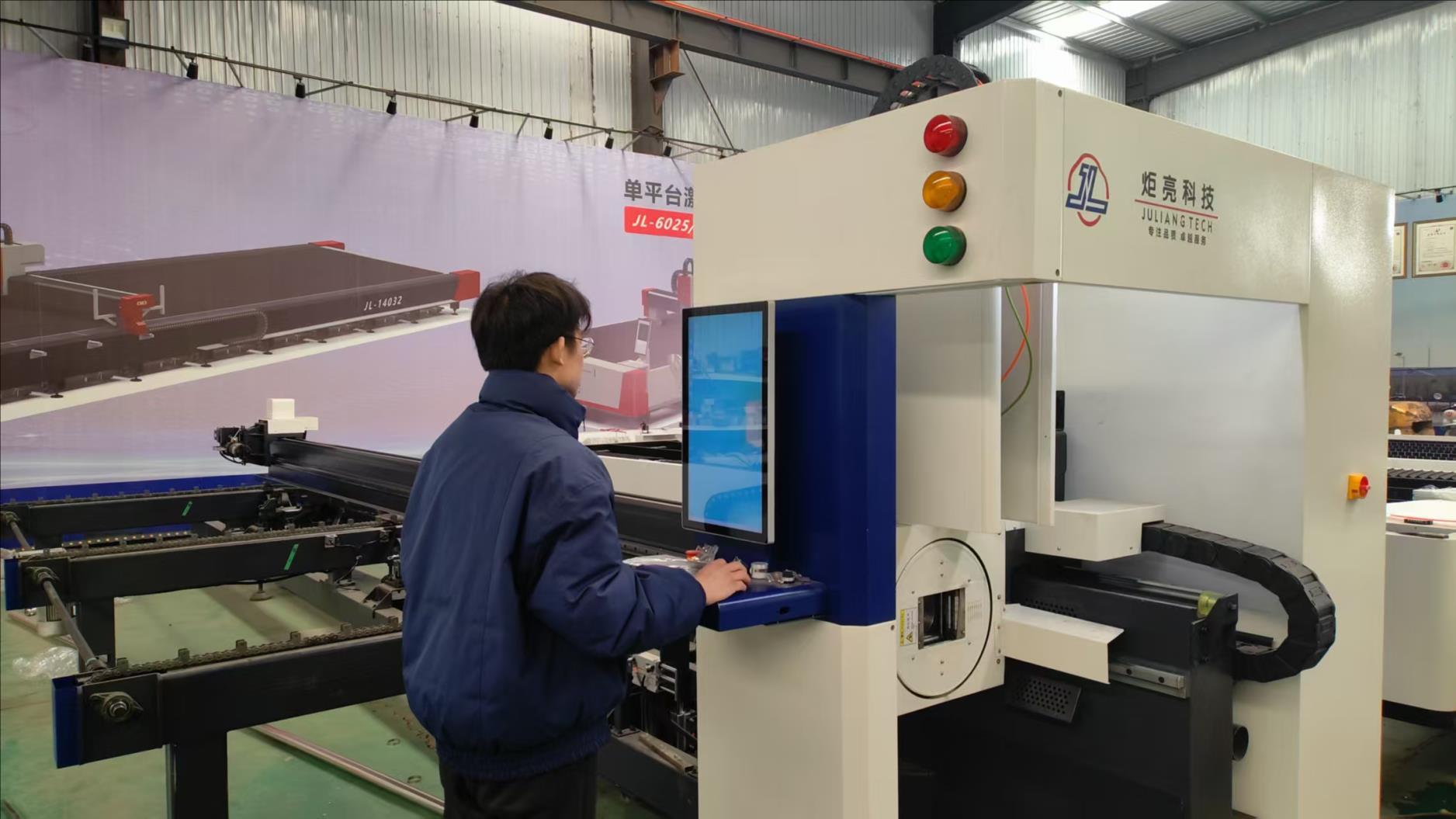
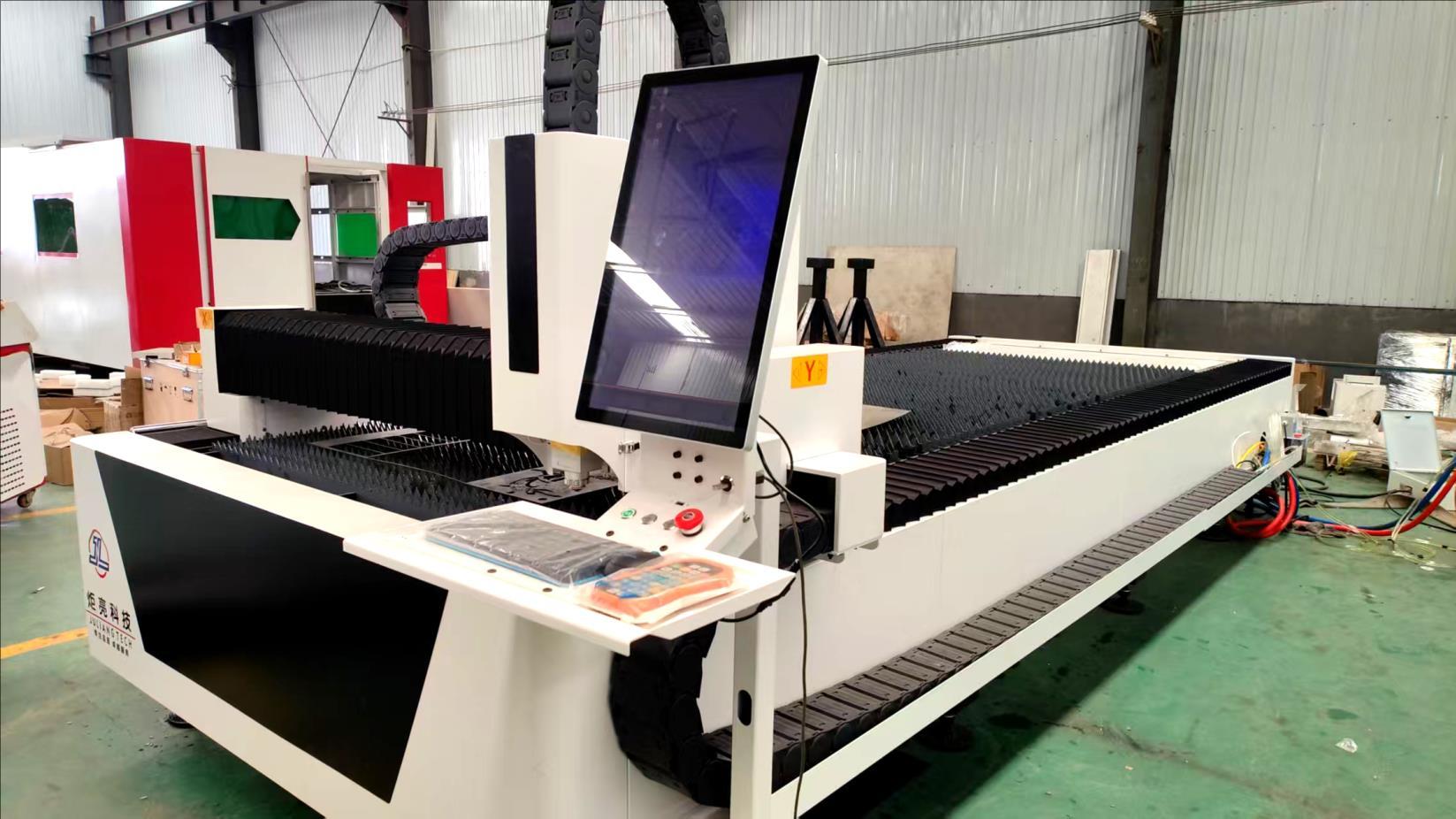
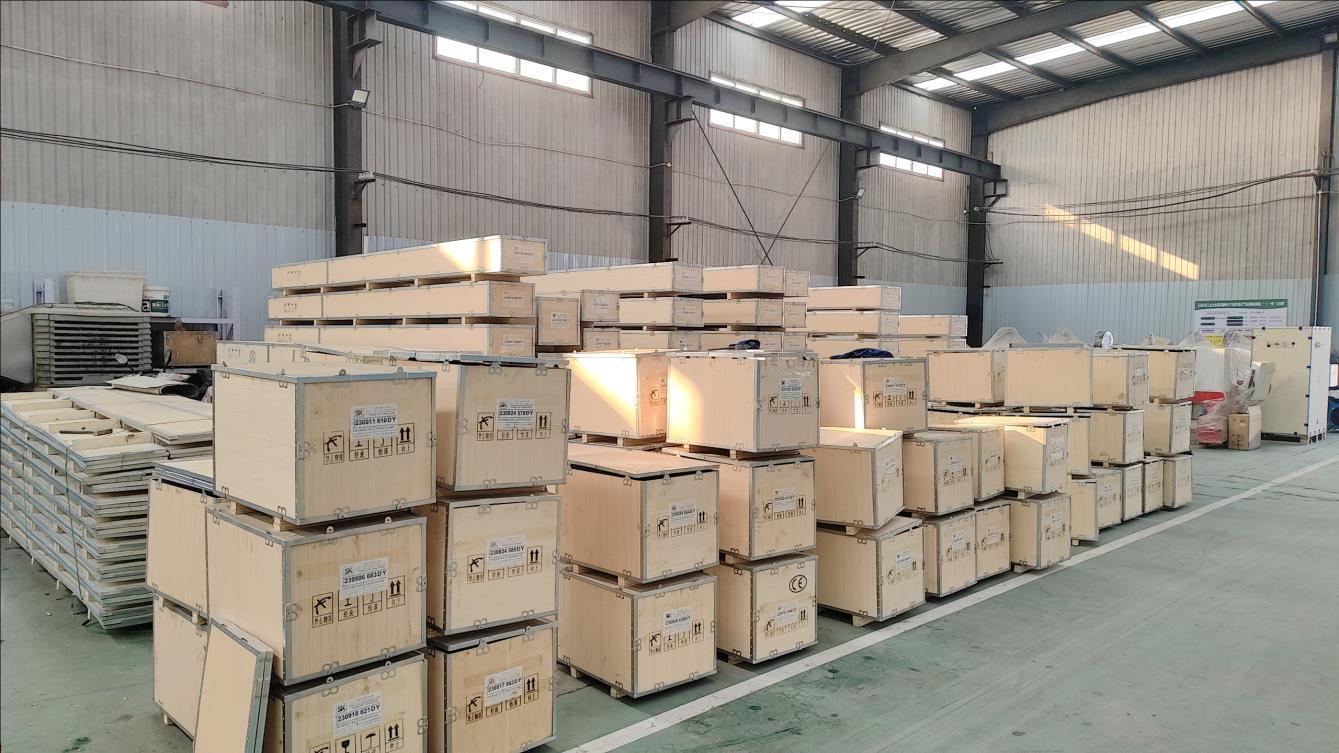
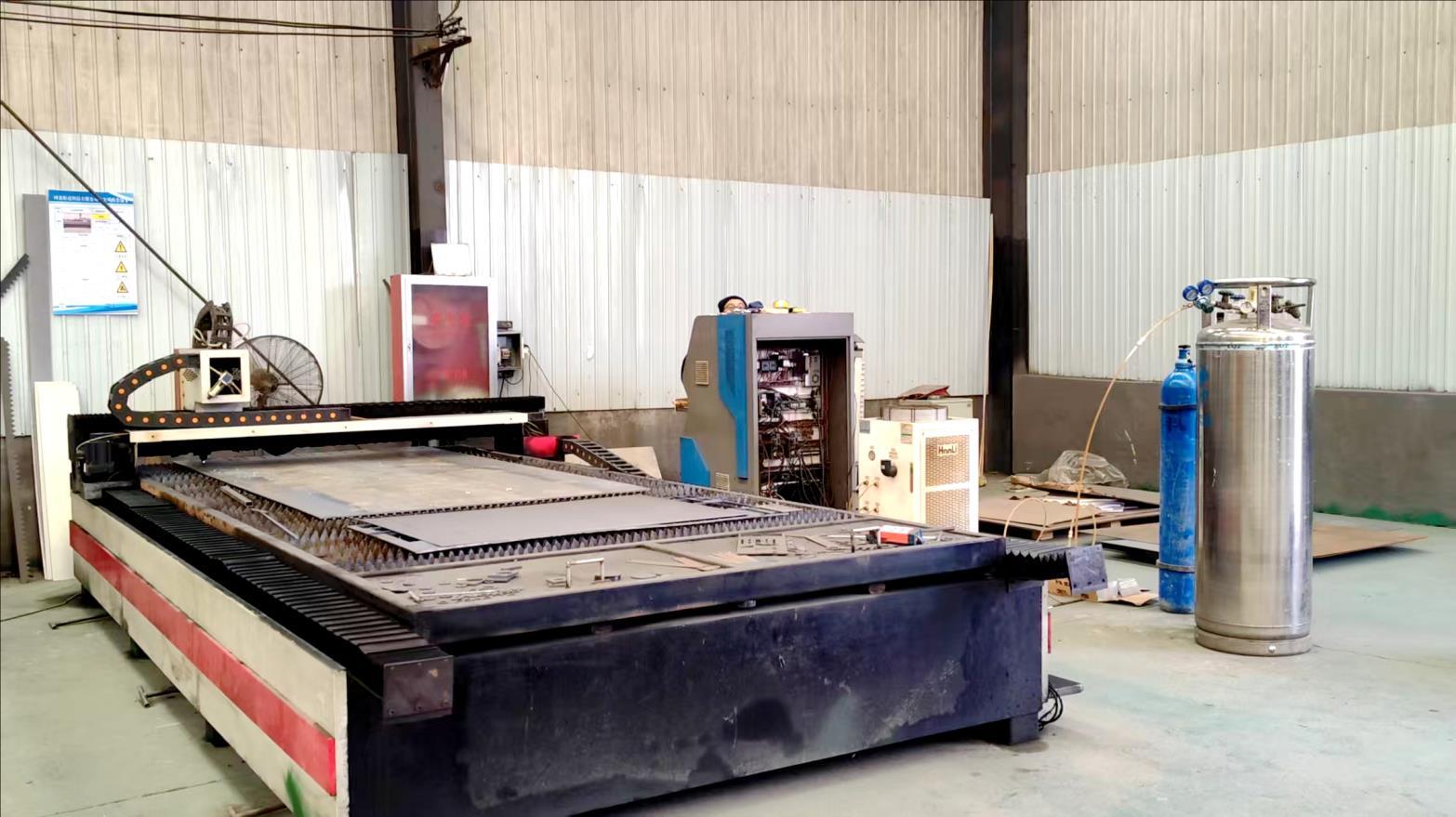
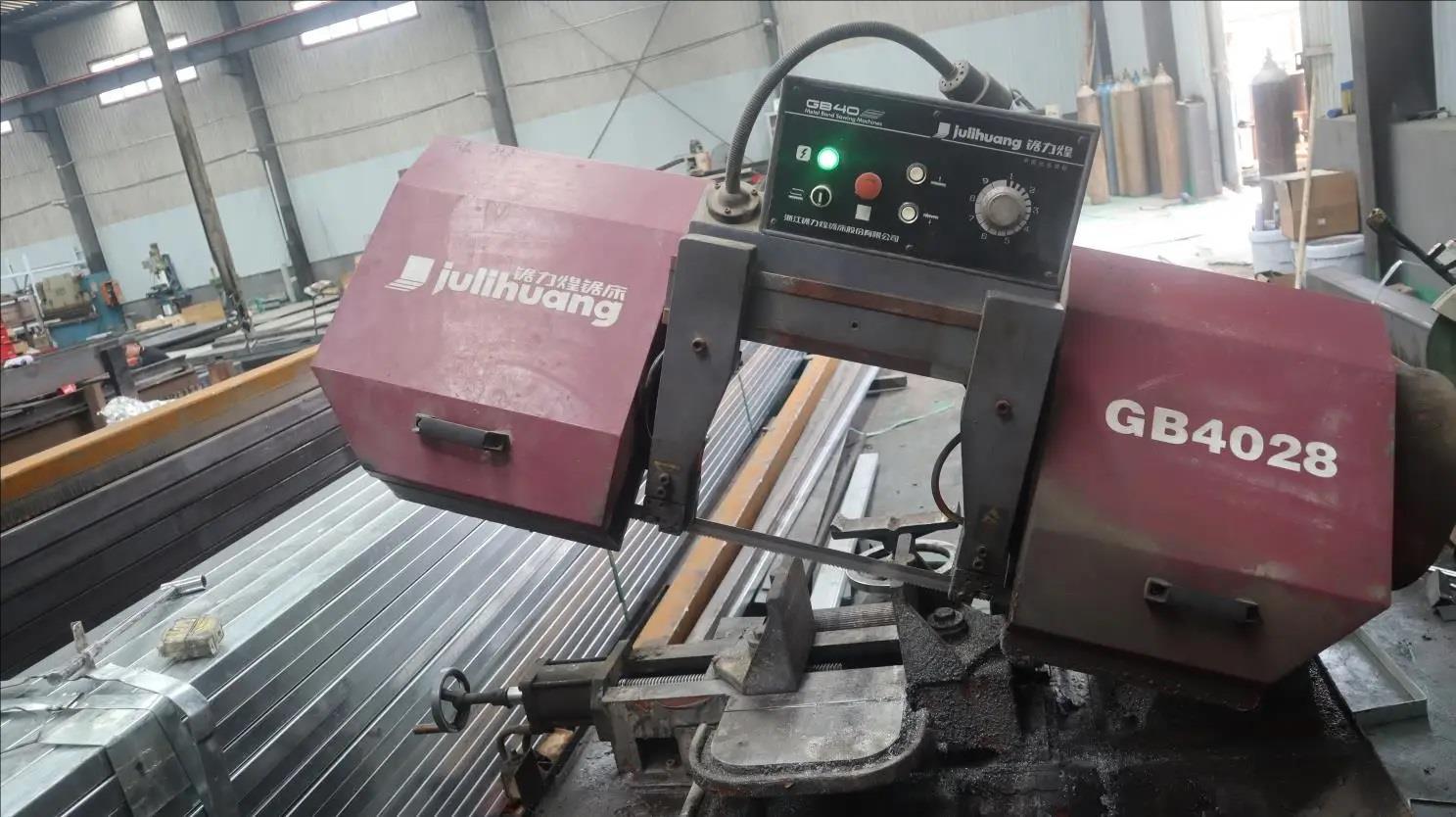
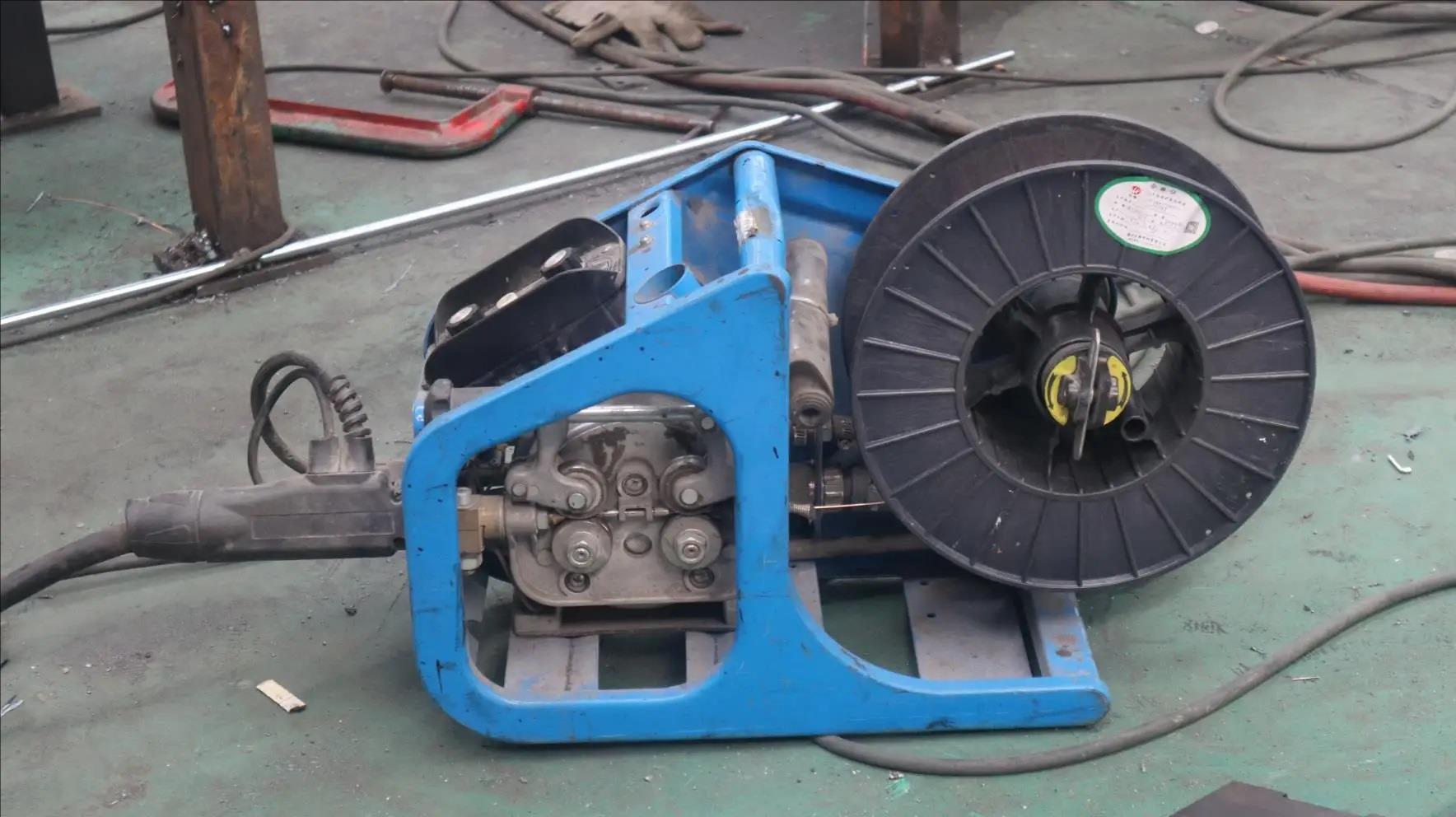
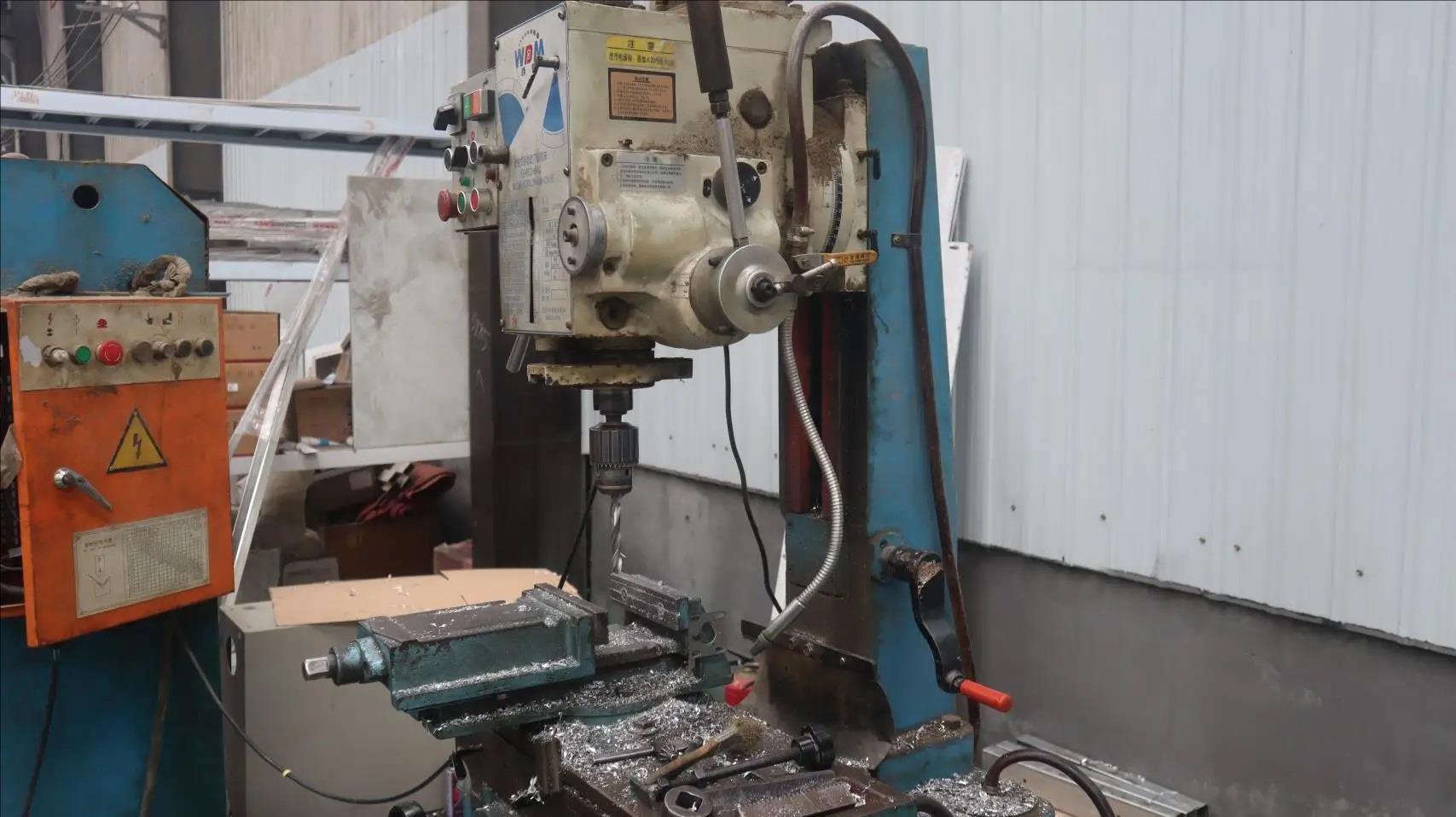
As industrial metalworking evolves toward higher speeds and tighter tolerances, Chinese precision factories have graduated from simple low-cost casting suppliers to advanced technology centers. By investing in modern facilities and leveraging regional industrial clusters in Zhejiang, Jiangsu, and Guangdong, factories like Zhejiang DentFix Tool Co., Ltd. deliver measurable advantages to global distributors and machinery OEMs:
A tool holder is only as valuable as the application it optimizes. High-speed milling, heavy boring, and precision threading each require distinct tool holder properties. Below are target solutions implemented in modern industrial plants:
In high-volume engine component manufacturing (machining cast iron or aluminum alloy blocks), process stability is essential. For these applications, dual-contact BBT40/50 or face-contact HSK-A63 collet chucks are recommended. Their dual taper and face contact design resists heavy bending forces, preventing spindle deformation and ensuring dimensional stability during continuous roughing cuts.
Milling large, complex titanium (Ti-6Al-4V) or aluminum aerospace structural parts involves substantial material removal. This requires maximum torque transmission and vibration dampening. Using heavy-duty hydraulic expansion chucks or customized shrink-fit systems prevents micro-chatter, ensuring high surface quality and protecting delicate, high-cost indexable inserts.
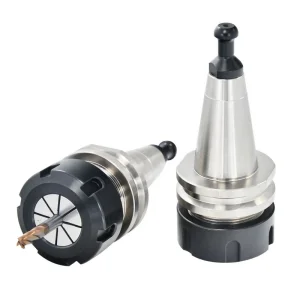
Machining medical implants (like titanium bone screws) or copper electronics housings requires miniature cutting tools, often under 1mm in diameter. The tool holder must feature a slender design to reach tight spaces and a TIR below 3μm. Specialized ER11/ER16 mini collet chucks and slim thermal shrink-fit holders are essential to prevent micro-tool breakage at high spindle speeds.
The manufacturing sector is increasingly adopting smart technologies, automation, and eco-friendly practices. These macro shifts are driving development trends in tool holder design:
For procurement managers and factory purchasing agents, sourcing tool holders involves evaluating several factors beyond the initial purchase price. A thorough total cost of ownership (TCO) calculation must consider:
Technical answers to common engineering questions regarding the selection, optimization, and maintenance of modern tool holding systems.
Engineered to support precise tolerances and dynamic stability during high-speed cutting operations.
 DentFix Tool