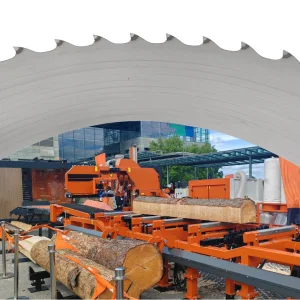
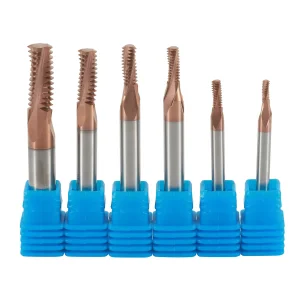
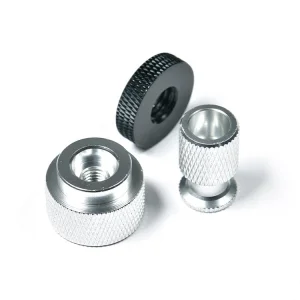
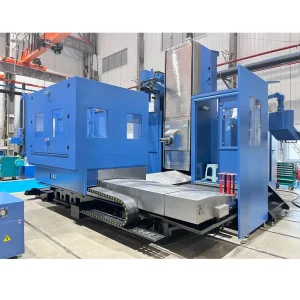
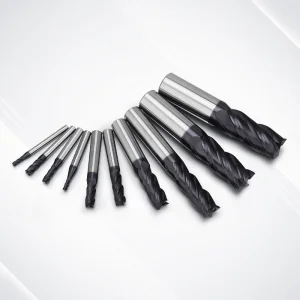
Deploy high-yield, ISO-compliant cutting setups with our signature range of industrial-grade milling, boring, and threading instruments.
In the ultra-precision manufacturing landscapes of today, thread production is not merely a cutting process but a critical engineering operation. Thread integrity dictates the failure margins of safety-critical machinery, subsea energy modules, automotive powertrains, and aerospace structures. Threading tools—encompassing thread mills, taps, dies, and specialized indexable inserts—must navigate extreme mechanical stresses, thermal gradients, and aggressive chip evacuation paths.
Securing CE Certification is not a passive checkbox; it represents an active alignment with European Union Directive standards governing material safety, mechanical robustness, and operational integrity. European standards like EN ISO 12100 require that tools maintain structural cohesion under immense torque thresholds. This prevents structural fracturing, which can damage workpiece matrices and present critical hazards to machine tool operators.
Using sub-micron tungsten carbide matrices to enhance cobalt dispersion, yielding higher toughness and resistance to edge chipping under heavy intermittent cuts.
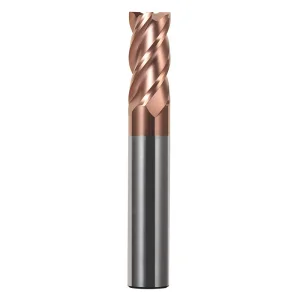
Deploying TiAlN, AlTiN, and TiSiN coatings via Physical Vapor Deposition (PVD) to build a high-temperature thermal barrier, reducing crater wear.
Optimizing chip-breaker grooves and variable helix angles to minimize axial cutting forces and manage harmonics, preventing tool chatter.
Zhejiang DentFix Tool Co., Ltd. is a professional manufacturer specializing in the research, development, production, and global distribution of precision CNC cutting tools and carbide solutions. Since its establishment, the company has been committed to providing high-performance tooling products for the metalworking industry, serving customers across automotive, aerospace, mold & die, general engineering, energy, and precision manufacturing sectors.
Driven by continuous innovation and customer-focused development, DentFix has grown into a modern manufacturing enterprise that integrates R&D, intelligent production, quality control, sales, and technical support. The company has built a strong reputation for delivering reliable products, consistent quality, and professional services to customers in both domestic and international markets.
With advanced manufacturing technologies, experienced engineering teams, and strict quality management systems, DentFix continuously improves its product performance and production efficiency. The company is dedicated to helping customers achieve higher machining accuracy, longer tool life, greater productivity, and lower manufacturing costs. Today, Zhejiang DentFix Tool Co., Ltd. continues to strengthen its investment in technological innovation, intelligent manufacturing, and international cooperation, striving to become a trusted global supplier of precision cutting tool solutions.
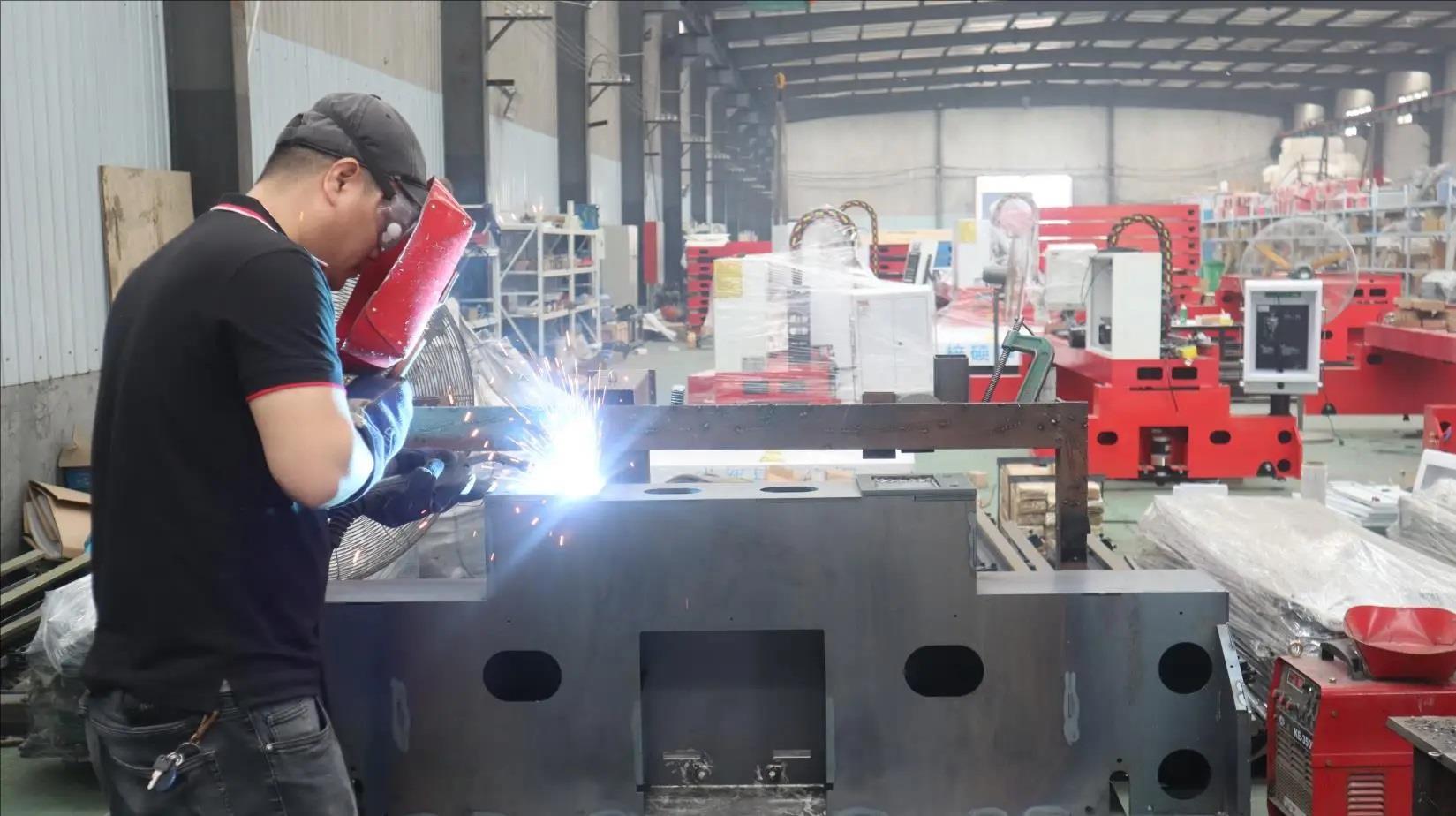
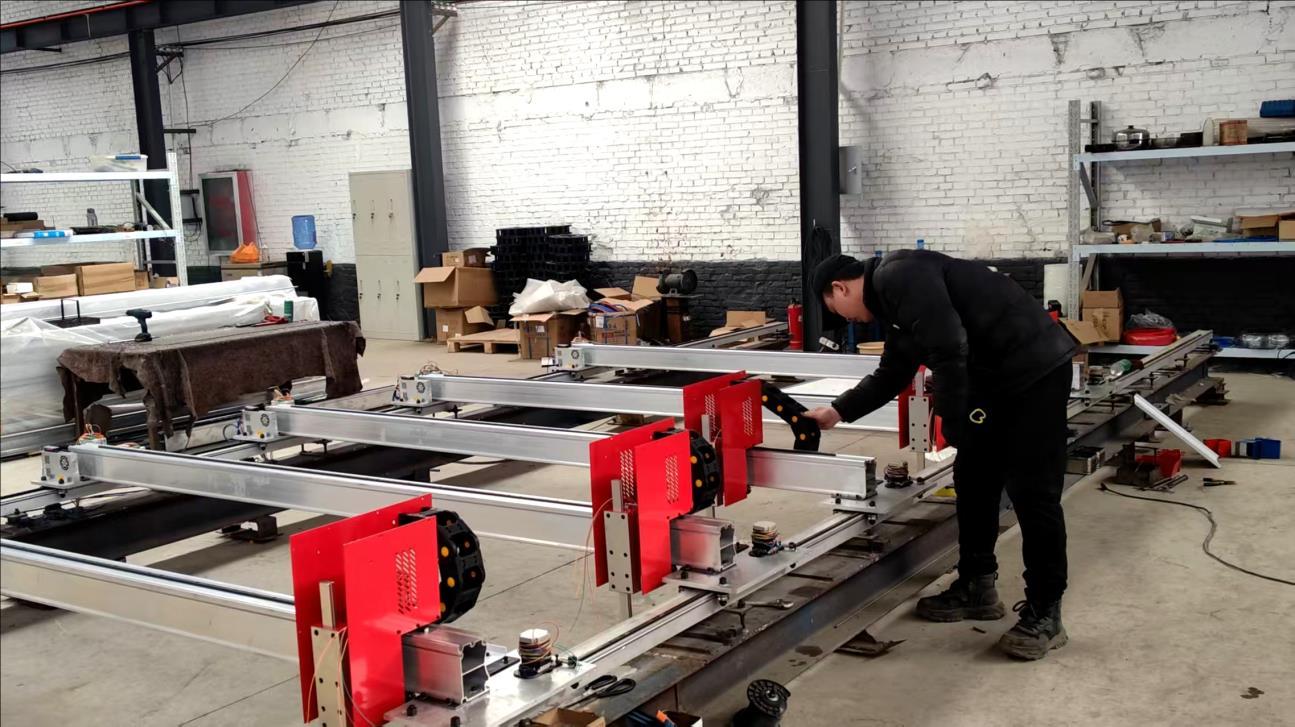
DentFix has established a comprehensive manufacturing system supported by experienced engineers, skilled production personnel, and a professional sales and technical service team. Our engineering department focuses on the development of innovative cutting tool solutions that meet the evolving requirements of modern CNC machining.
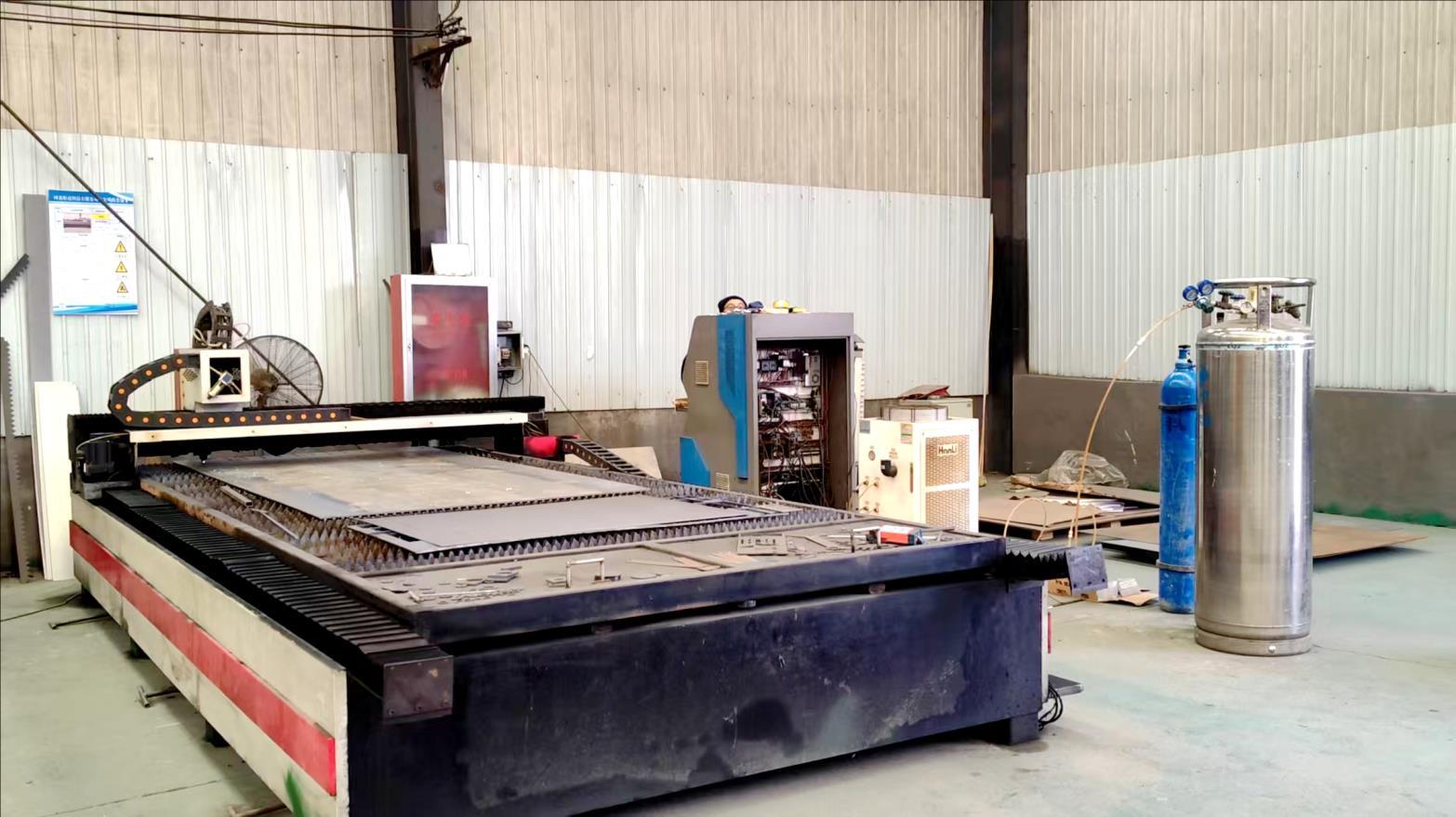
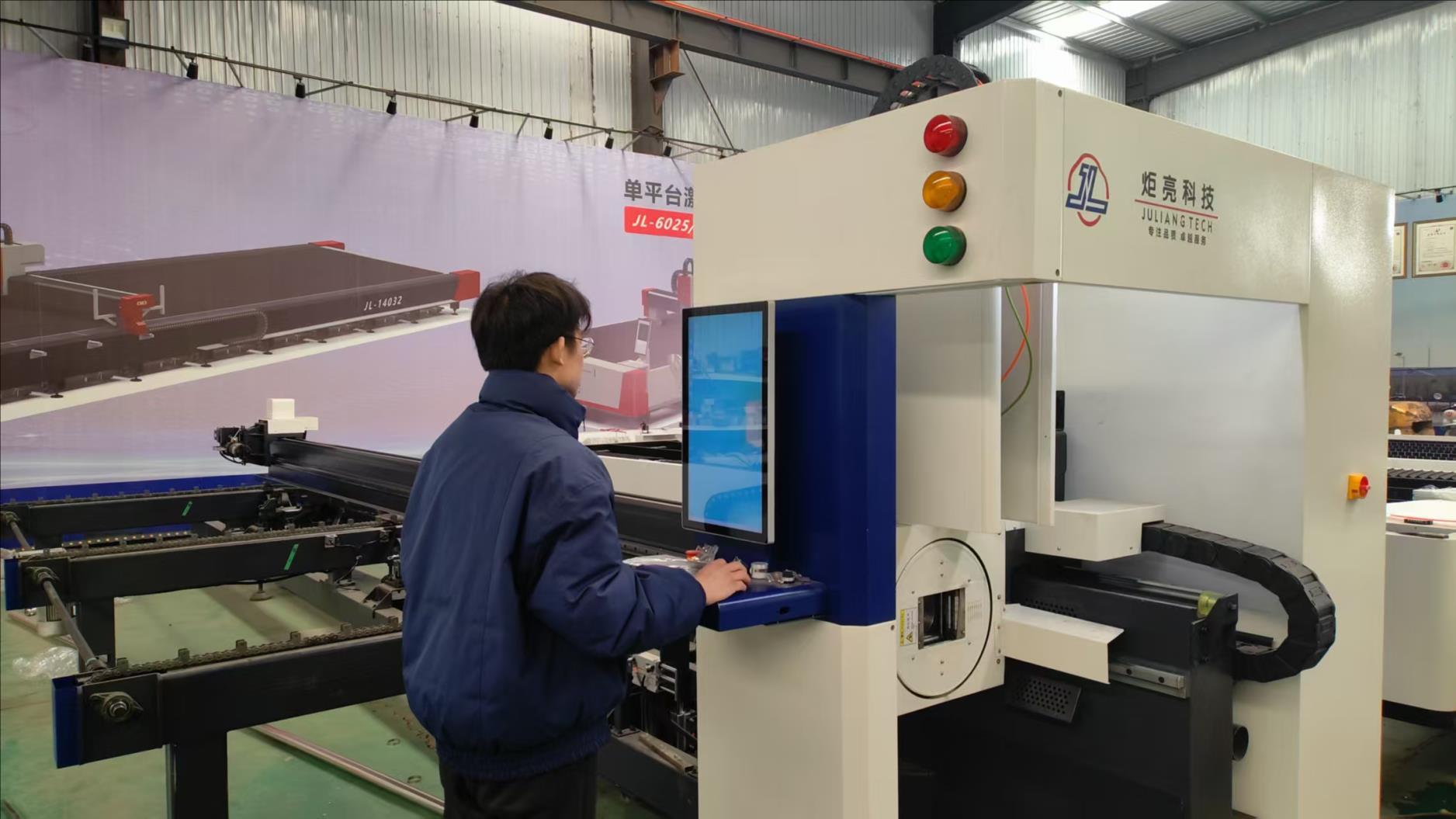
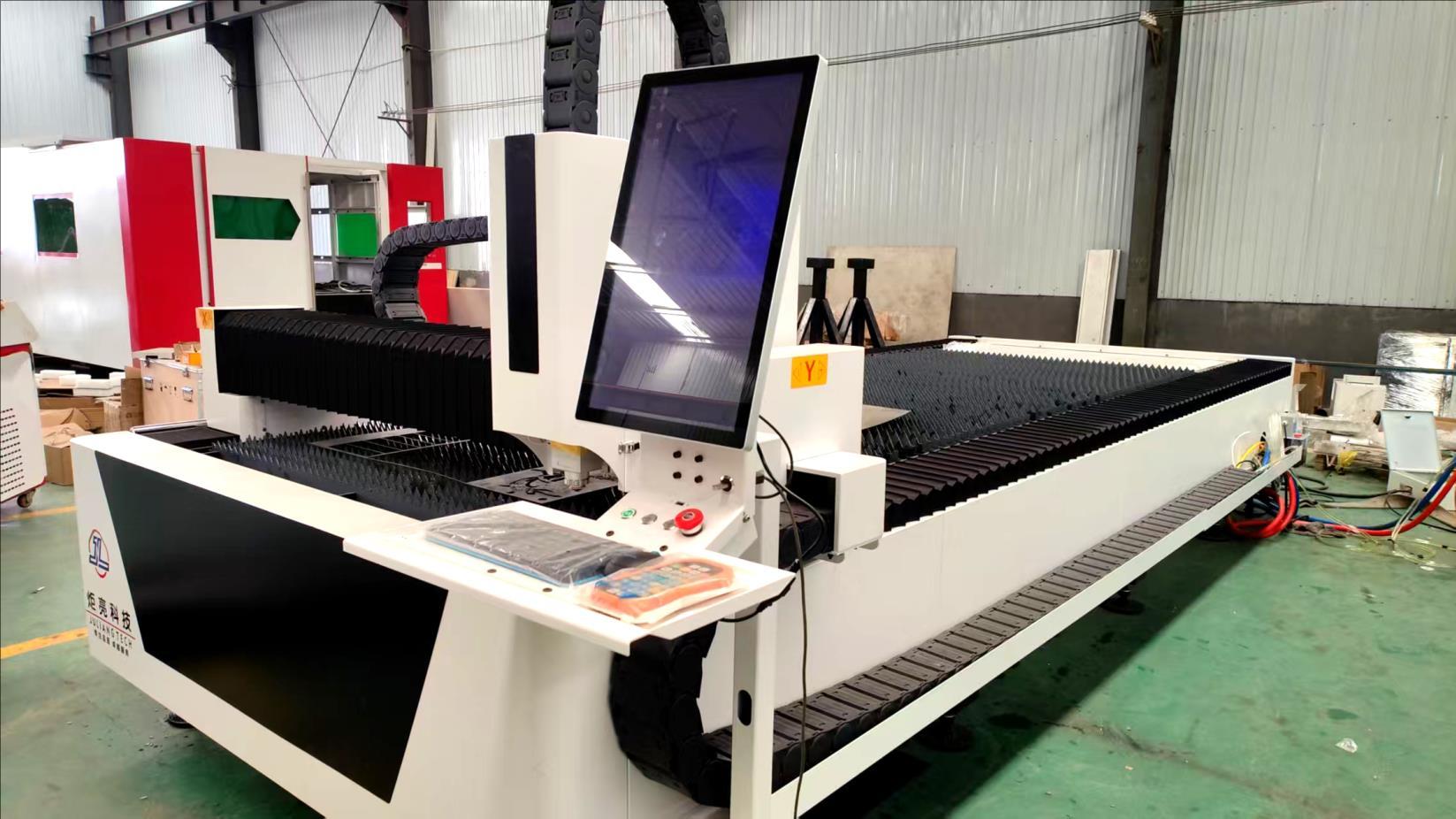
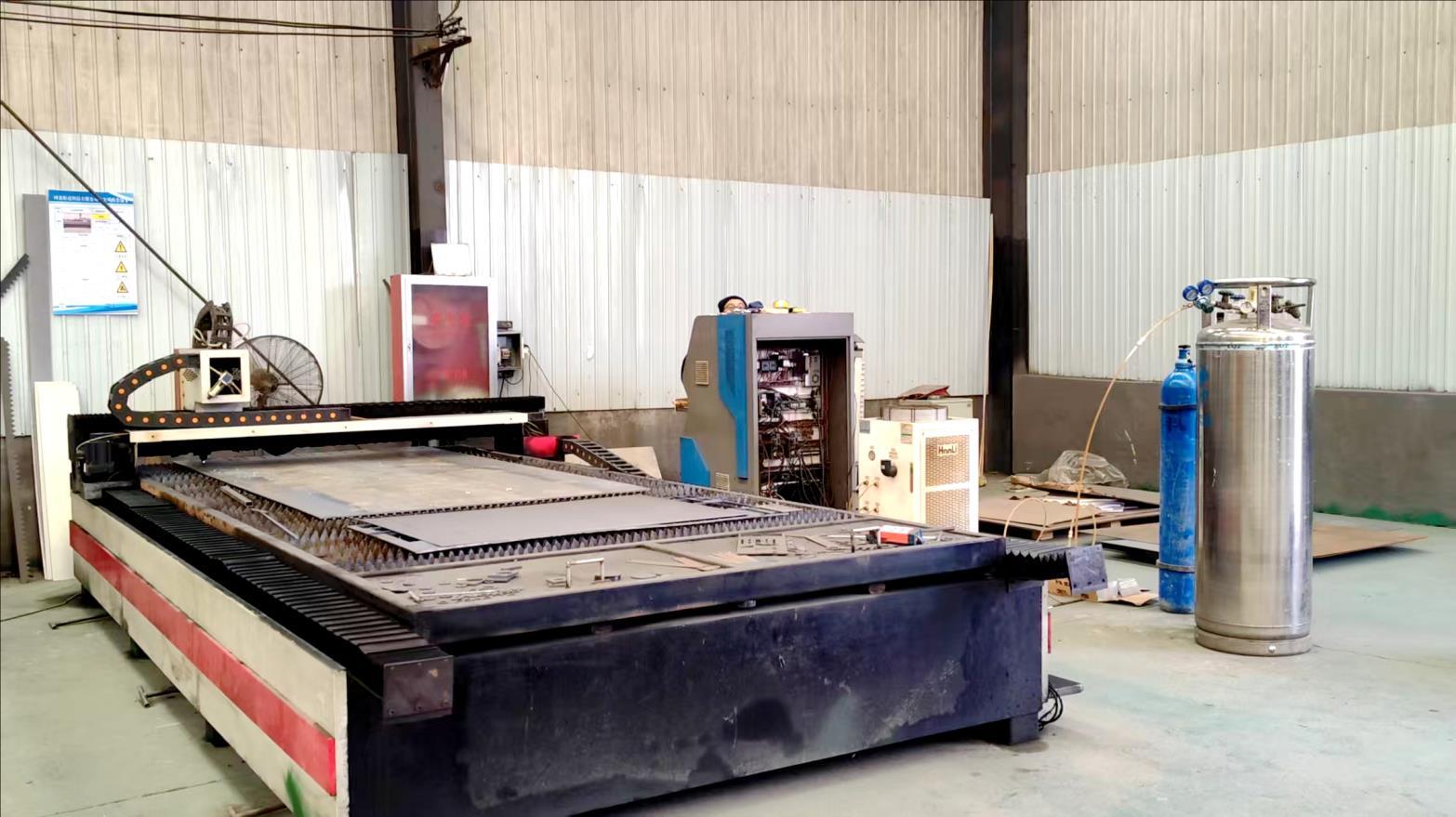
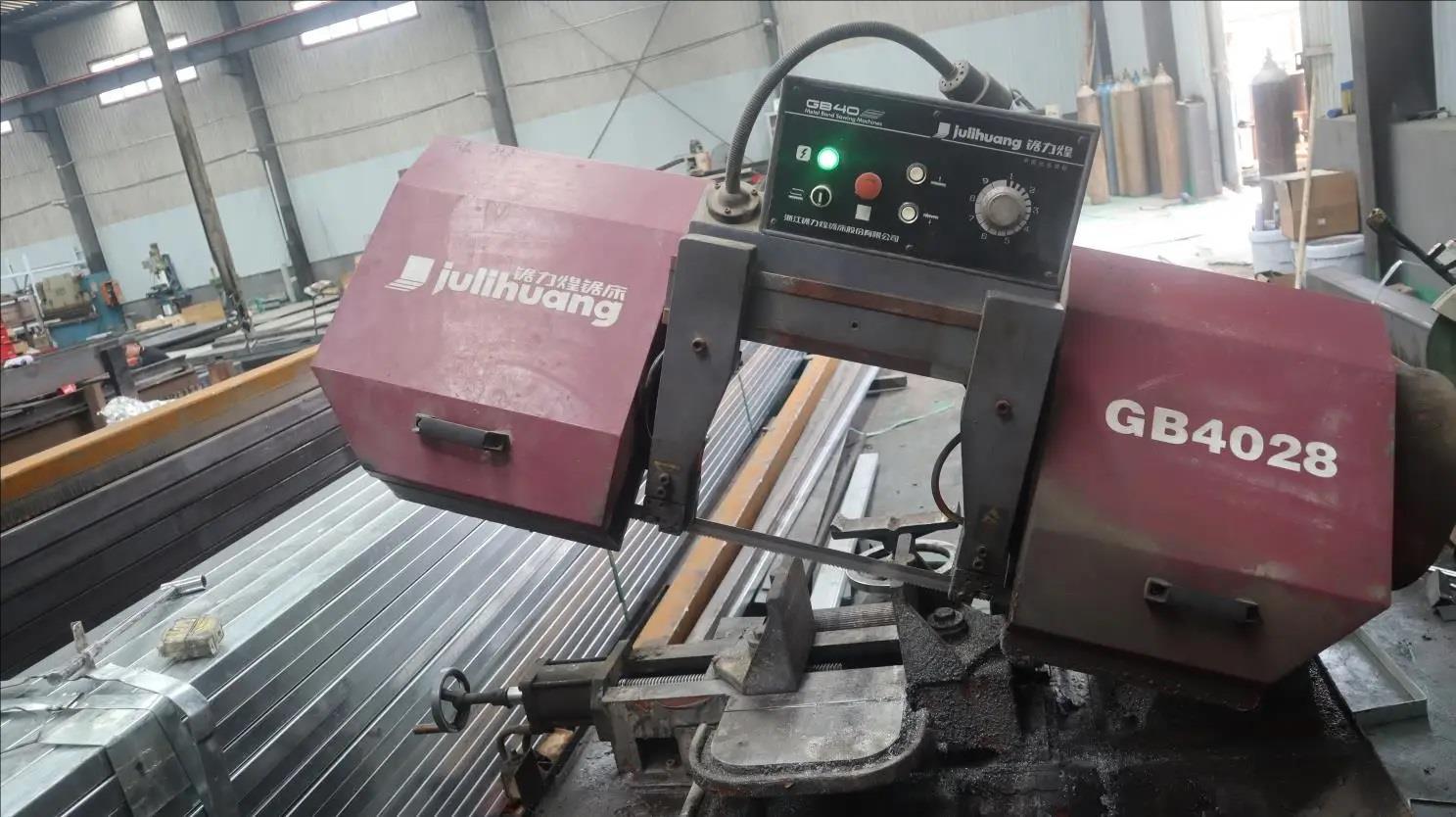
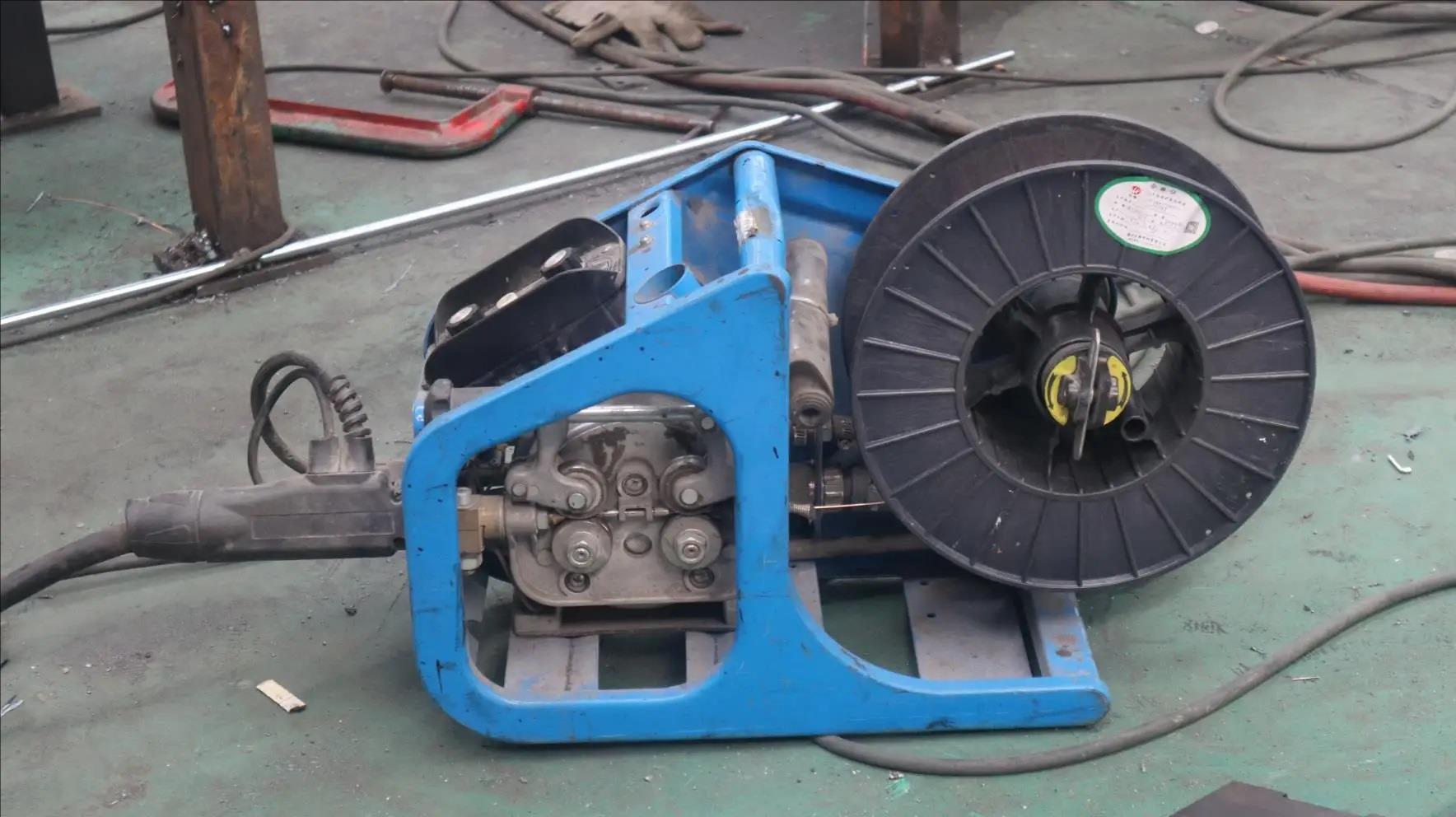
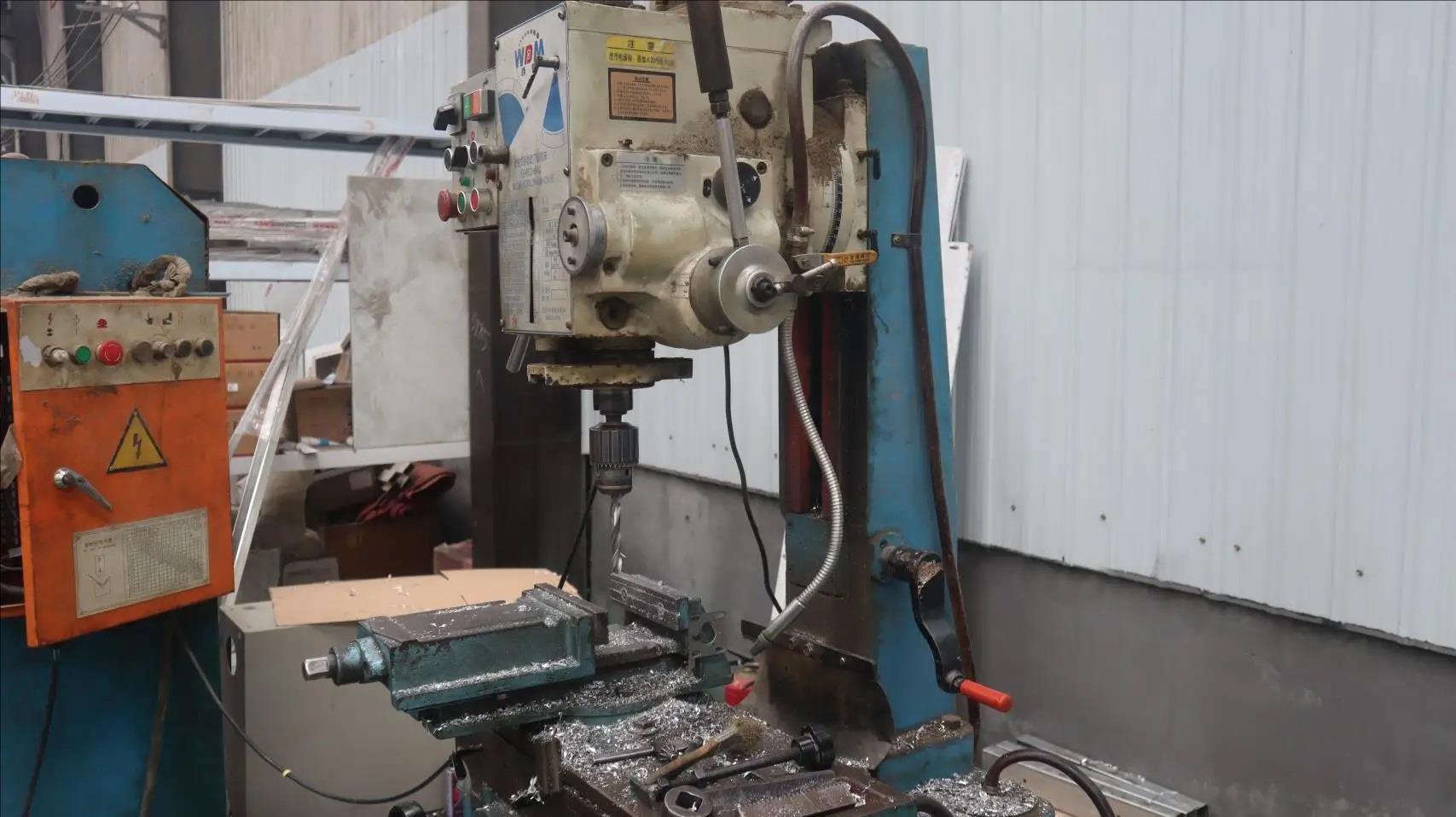
Our manufacturing facility is equipped with advanced CNC grinding machines, high-precision inspection equipment, automated production systems, and modern quality testing laboratories. Every product undergoes rigorous inspection throughout the manufacturing process to ensure exceptional dimensional accuracy, durability, and stable machining performance.
Innovation remains at the core of our business. DentFix continuously invests in new materials, coating technologies, and precision manufacturing processes to develop cutting tools with higher wear resistance, improved machining efficiency, and longer service life. Guided by the principles of Quality First, Innovation, Reliability, and Customer Satisfaction, Zhejiang DentFix Tool Co., Ltd. is committed to building long-term partnerships with customers worldwide. We look forward to providing professional tooling solutions that help manufacturers improve productivity, reduce production costs, and achieve sustainable growth.
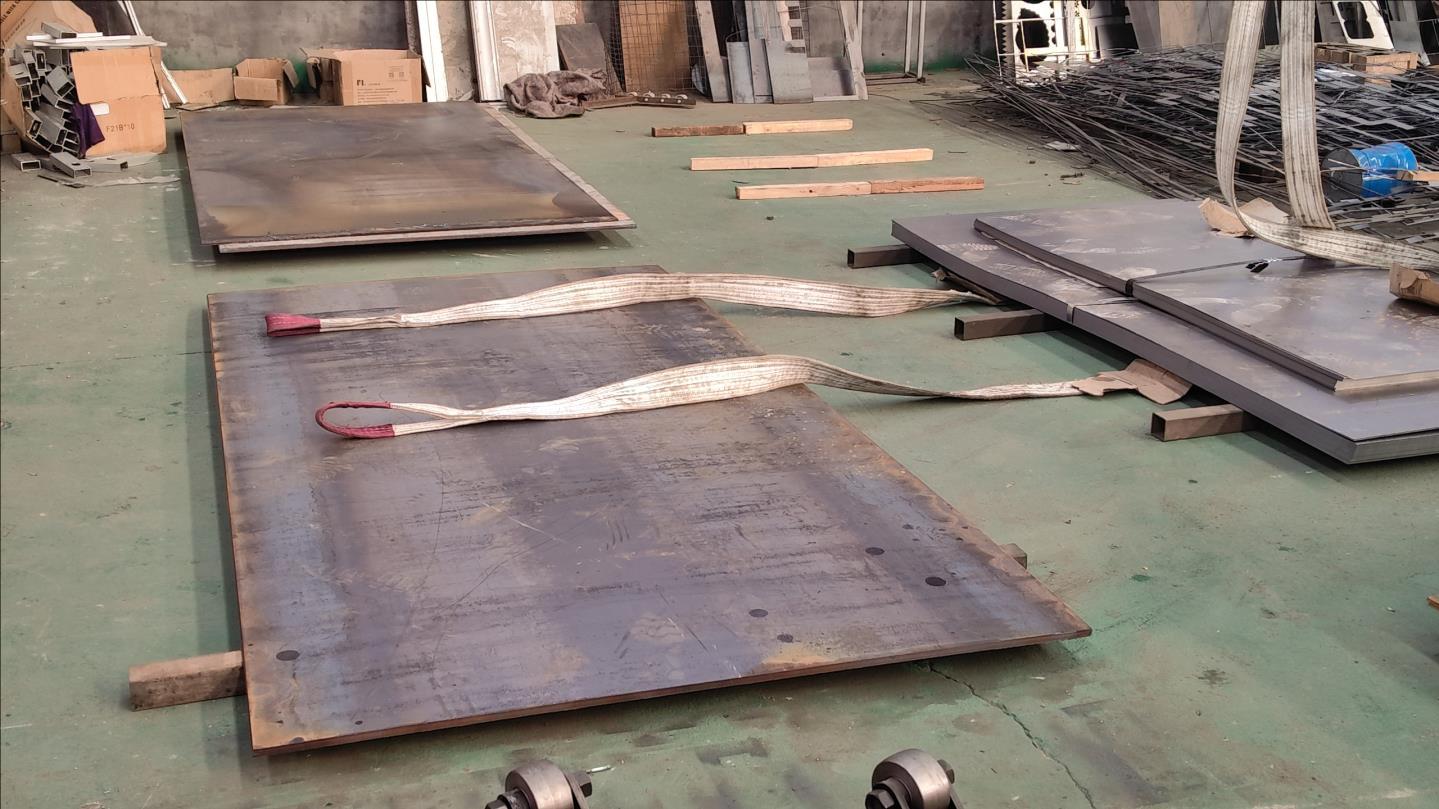
Our production floor operates under cleanroom conditions, utilizing automated robotics, laser alignment tools, and thermal-stabilized environments to produce tool geometries that comply with ISO tolerances.
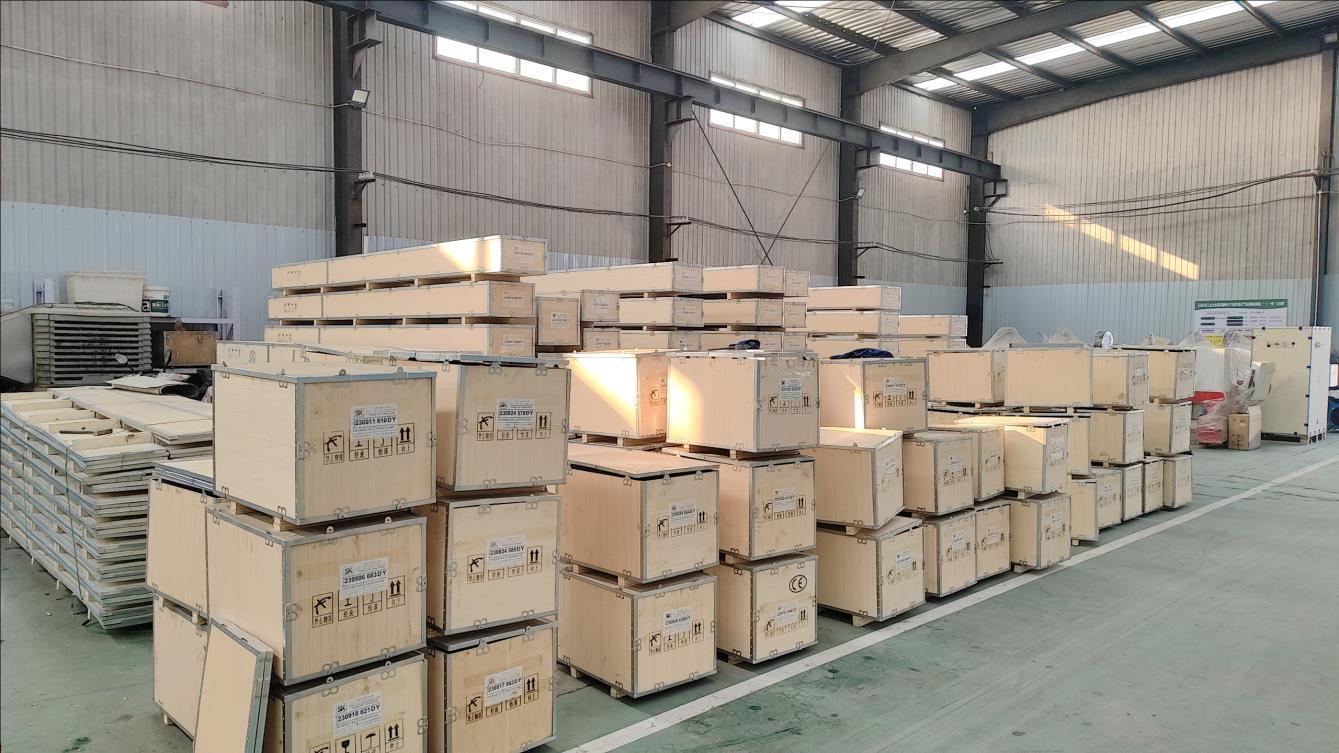
International manufacturing networks are shifting towards high-mix, low-volume (HMLV) production cycles that require versatile cutting tools. B2B purchasers in Europe, North America, and the Asia-Pacific region are prioritizing structural supply chain resilience and lower total cost of ownership (TCO) over basic price per tool.
The cost of a cutting tool represents only about 3% of total component production costs. However, tool performance influences over 20% of cycle time reductions and machine tool uptime. Our global supply framework addresses these variables:
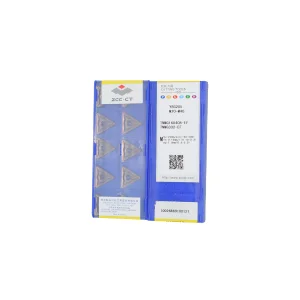
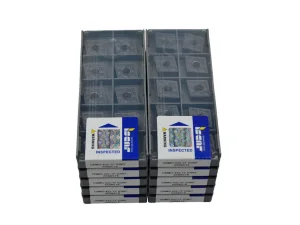
We maintain standard thread milling cutters and carbide turning inserts in stock to bypass international logistics bottlenecks and support just-in-time (JIT) manufacturing.
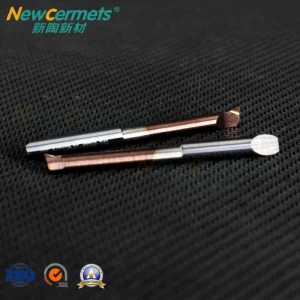
Utilizing custom CAD geometries and step-tool profiling, we produce application-specific tools designed to perform multiple operations in a single tool path.
Every batch of tungsten carbide powder features complete metallurgical traceability, backed by raw-material spectrum certificates and density maps.
The future of industrial thread machining is defined by the requirements of hard milling (machining materials over HRC 55) and high-speed cutting (HSC). Standard tooling often fails when processing superalloys (such as Inconel 718, Titanium Ti-6Al-4V, and duplex stainless steels) due to rapid heat buildup and localized work hardening. Our technical roadmap focuses on addressing these specific challenges:
Transitioning from monolayer PVD films to alternating nanolayer coatings (such as AlTiN/Si3N4) increases hardness up to 38 GPa. This architecture creates micro-obstacles that block crack propagation within the coating layer, extending overall tool life.
Directing high-pressure coolant (HPC) directly to the shearing zone reduces heat buildup and aids in flushing chips from blind-hole threads. This prevents recutting of chips, which is a primary cause of micro-chipping on cutting edges.
Variable helix geometries disrupt harmonic resonances during machining. By varying the helix angle, we minimize tool deflection and chatter, allowing for higher feed rates and cleaner thread surfaces.
Expert answers to technical questions about materials, thread milling vs. tapping, and compliance standards.
Thread milling offers several technical advantages over tapping. It provides excellent process security, as a broken thread mill can be easily removed without damaging the workpiece, unlike a broken tap which often ruins the part. It also allows for precise pitch control and adjustable thread tolerance adjustments via CNC programming. A single thread milling tool can produce different thread diameters of the same pitch, reducing tool inventory costs. Additionally, the helical interpolation path of thread milling generates small, manageable chips, which minimizes radial stresses on the spindle.
Our tools are manufactured in accordance with EU safety directives, particularly EN ISO 12100. We implement strict vibration limits, mechanical stress tolerance testing, and complete chemical composition reporting for all tungsten carbide grades. This ensures that tools do not fail catastrophically when run within recommended parameters, protecting machine operators and high-value workpieces.
For stainless steels (such as 304, 316, and duplex grades), we recommend AlTiN or TiSiN coatings. These coatings form an aluminum-oxide surface layer under cutting heat, which protects the carbide substrate from heat transfer. This layer minimizes built-up edge (BUE) formation and resists adhesion wear, which are common issues when cutting ductile and sticky stainless alloys.
Yes. We design and manufacture custom cutting geometries tailored for aerospace superalloys (such as Inconel, Hastelloy, and titanium grades). These tools feature optimized rake angles, reinforced core diameters, and customized edge preparations (honing) to minimize work hardening and maximize tool life.
Every production batch undergoes inspection using advanced measuring machines, including Walter Helicheck optical measurement systems and Zoller tool presetters. We verify critical dimensions such as runout (held within 0.002mm), profile tolerance, pitch accuracy, coating thickness, and edge radius consistency to ensure stable performance.
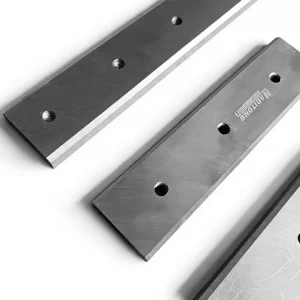
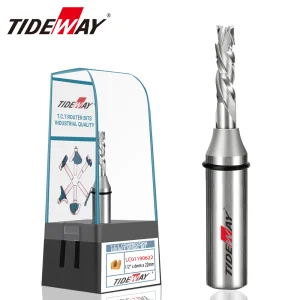
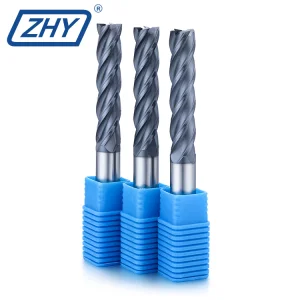
Explore our extended inventory of milling inserts, turning inserts, carbide endmills, and custom industrial cutting solutions.
 DentFix Tool